
Hiring a Building Disputes Lawyer: Guide
When your dream project becomes a nightmare of defects, delays, or payment disputes, a building disputes lawyer is the most important person to have in your corner. They are legal specialists who live and breathe the world of construction conflicts, representing everyone from homeowners to builders and subcontractors.
So, What Does a Building Disputes Lawyer Actually Do?

Think of it this way: you wouldn’t ask your GP to perform heart surgery. In the same vein, you shouldn’t rely on a general-practice lawyer for a complex construction issue. A building disputes lawyer is that specialist surgeon for your project. They have a deep, focused knowledge of the very specific laws, contracts, and procedures that govern the building industry.
These lawyers are experts at navigating the often-confusing world of building law. A huge part of their job is translating highly technical building reports—often full of industry jargon—into a clear, powerful legal argument. They manage the entire dispute from start to finish, from initial tough negotiations and mediation right through to representing you in tribunals like the NSW Civil and Administrative Tribunal (NCAT).
The Power of Specialisation
The real advantage comes from their dedicated focus. A building disputes lawyer brings an expert understanding of specific building codes, which are very often the root cause of the disagreement. This laser-like focus gives them an edge that a generalist lawyer just can’t match.
A specialist lawyer doesn’t just understand the law; they understand the industry. They know the common points of failure in projects, the language of builders and consultants, and the specific evidence that tribunals find most compelling.
Firms that dedicate their entire practice to this field bring a level of insight that is absolutely critical for a good outcome. On any given day, their work involves:
- Interpreting complex building contracts to pinpoint breaches and enforce your rights.
- Advising on compliance with the Home Building Act and Australian Standards.
- Collaborating with building experts to gather the most compelling evidence.
- Strategically managing NCAT proceedings to protect their client’s interests.
For instance, law firms like Gavel & Page Lawyers and Mitchell & Shorten Lawyers focus exclusively on building and construction law. This specialisation means they bring a wealth of hard-won experience to every single case. Here at Awesim, we’ve had the chance to work alongside both of these expert firms, and we’ve seen firsthand how their dedicated knowledge leads to clearer strategies and, ultimately, better results for their clients.
Engaging a true specialist is the first—and most important—step toward getting your dispute sorted effectively.
Recognizing the Red Flags to Hire a Lawyer
Knowing when a simple disagreement has spiralled into a full-blown legal problem is half the battle. Many disputes start small—a minor delay, a query on an invoice—but they can escalate with surprising speed. Before you know it, your project, finances, or even your business reputation are on the line.
Spotting the warning signs early gives you a chance to get on the front foot and act strategically before the situation becomes a mess.

One of the biggest indicators? A complete breakdown in communication. If phone calls are being dodged, emails are met with silence, and every attempt to talk things through is ignored or met with hostility, the working relationship is probably over. This communication blackout is often the first sign of deeper trouble.
Red Flags for Homeowners
When you’ve poured your life savings and dreams into a home, certain issues just can’t be ignored. Turning a blind eye can lead to runaway costs and a project that’s left permanently unfinished.
Keep an eye out for these tell-tale signs:
- Major Defects Appear: You’ve found serious problems like water leaks, structural cracks, or work that doesn’t meet Australian Standards, but the builder is refusing to acknowledge or fix them.
- The Project is Abandoned: The builder and their team have vanished from the site for an extended period with no good reason. Your project has effectively been deserted.
- Unjustified Payment Claims: You’re receiving invoices for work that is clearly incomplete, riddled with defects, or wasn’t even in the original contract.
- Refusal to Follow Plans: The builder is making significant changes to the approved plans or specifications without getting your written consent for a variation.
If you’re nodding along to any of these, the time for friendly chats may have passed. This is the point where calling a specialist building disputes lawyer isn’t an aggressive move—it’s a protective one.
Red Flags for Builders and Contractors
Of course, disputes are a two-way street. Builders often find themselves in a bind with clients who don’t hold up their end of the bargain. Protecting your business means knowing when a client relationship has turned toxic.
Here are the key red flags from a builder’s perspective:
- Refusal of Payment: A homeowner is refusing to pay a valid progress claim for work you’ve properly completed and had certified.
- Unrealistic Demands: The client keeps demanding changes or additions that are well outside the original scope of works, but won’t approve or pay for a formal variation.
- Denial of Site Access: The homeowner is unreasonably blocking you or your tradies from getting on-site to finish the job.
These scenarios can choke your cash flow and put your entire business at risk. A building disputes lawyer can help you enforce the contract terms and secure the payments you’re entitled to.
DIY Resolution vs Hiring a Specialist Lawyer
Thinking about handling a dispute yourself at a tribunal like NCAT to save on legal fees? It’s a tempting idea, but it’s loaded with risk. The Australian legal sector has seen a 3% growth in disputes, a clear sign that construction cases are becoming more common and complex, often fuelled by supply chain issues and soaring costs. You can find more insights on this trend over at Sonder Consultants.
Going it alone is a big gamble. The process is rarely as straightforward as it seems, and what you don’t know can absolutely hurt you.
The table below breaks down the reality of a DIY approach versus bringing in a professional.
DIY Resolution vs Hiring a Specialist Lawyer
| Aspect | DIY Approach (Self-Representation) | Hiring a Specialist Lawyer |
|---|---|---|
| Legal Strategy | Limited to your own understanding of the law and tribunal procedures, which can be easily flawed. | Develops a clear, evidence-based strategy focused on the specific legal arguments that are most likely to succeed at NCAT. |
| Evidence Management | May struggle to gather and present evidence in the correct format, weakening your case. | Expertly compiles and presents evidence, including crucial expert witness reports, in a way that is compelling to the Tribunal. |
| Negotiation Skills | Emotional involvement can hinder effective negotiation, often leading to stalemates or poor outcomes. | Acts as an objective advocate, negotiating from a position of strength to achieve a favourable settlement where possible. |
| Outcome Potential | High risk of an unfavourable ruling due to procedural errors or a poorly argued case. | Maximises the chance of a successful outcome by ensuring every aspect of your case is professionally managed and argued. |
Ultimately, getting a specialist involved from the get-go is a strategic move. We’ve worked alongside firms like Gavel & Page Lawyers and Mitchell & Shorten Lawyers, who live and breathe construction law. Their focused expertise lets them cut through the noise and zero in on what it takes to build a winning case. Their involvement can transform a chaotic, high-stress situation into a structured process with a clear way forward.
How Expert Evidence Wins Building Dispute Cases
When you’re caught in a building dispute, it’s easy to get overwhelmed by frustration. But while your personal experience is completely valid, tribunals and courts run on a different currency: objective, verifiable facts. This is where expert evidence—specifically the Expert Witness Report—stops being just helpful and becomes the absolute cornerstone of your case.
Think of your building disputes lawyer as a film director. They know the story, they set the strategy, and they direct the action. But they need a star witness to deliver the performance that convinces the audience—in this case, the tribunal member. That star witness is the independent building expert, and their performance is the Expert Witness Report.
This document is so much more than a simple list of complaints. It’s a detailed, forensic analysis of the construction work in question. A qualified building consultant or engineer meticulously inspects the property, producing a report that serves as the primary source of truth for your case.
What Makes an Expert Report So Powerful
An Expert Witness Report takes a subjective disagreement (like “The waterproofing just looks wrong”) and turns it into an objective, evidence-backed statement (“The waterproofing fails to comply with AS 3740-2010, Clause X, which has led to observable moisture ingress”). This shift is precisely what you need to succeed at a tribunal.
A solid, court-ready report will almost always include:
- A Detailed Breakdown of Defects: Every single issue is identified, photographed, and described with technical precision.
- Reference to Australian Standards: The expert will pinpoint exactly which clauses of the National Construction Code or relevant Australian Standards have been breached.
- The Correct Rectification Method: The report doesn’t just point out problems; it outlines the proper, compliant method required to fix each defect, leaving no room for corner-cutting.
- Precise Costings: Each rectification task is costed out, giving the tribunal a clear, itemised financial claim to consider.
This incredible level of detail is why tribunals give these reports so much weight. They’re impartial, fact-based documents created by a qualified professional who has no emotional stake in the outcome. You can dive deeper into the specific requirements for these documents in our guide to the NCAT Expert Witness Report.
The Lawyer and Expert Collaboration
Your lawyer’s job is to find the right expert for your situation and give them a clear brief, making sure the final report hits all the necessary legal points. It’s a strategic partnership designed to build an airtight case from the ground up.
The lawyer frames the legal argument; the expert provides the undeniable proof. It’s this combination of legal strategy and technical evidence that gives your claim its power and credibility.
This is where specialist law firms truly shine. For instance, firms like Gavel & Page Lawyers and Mitchell & Shorten Lawyers, who focus solely on Building & Construction law, have established networks of trusted, credible experts. Here at Awesim, we’ve worked closely with both of these firms, providing the independent reports that form the backbone of their legal strategies. Their deep industry knowledge means they know exactly what evidence is needed to build the strongest possible case for their clients.
Amid a national construction boom, the demand for this kind of specialised legal and expert support has surged. Legal market updates show that construction litigation is on the rise, driven by supply shortages and inflating costs that inevitably lead to more disputes. This trend just underscores how critical a well-prepared, evidence-based case is. Ultimately, investing in a high-quality expert report isn’t just another expense; it’s a strategic investment in the outcome of your case.
Your Guide to the NSW Fair Trading and NCAT Process
Finding yourself in a building dispute can feel like you’ve been dropped into a maze without a map. In New South Wales, there’s a clear path to follow, and it’s designed to resolve issues before they escalate into a full-blown legal battle. The first stop on this journey is NSW Fair Trading.
Before you can take your case to a tribunal, you are required to lodge a complaint with NSW Fair Trading. Think of them as the first responders in a dispute. Their main job is to provide early intervention, which often involves inspecting the work and trying to get both parties to see eye-to-eye on a solution. The focus here is on finding common ground and getting a practical outcome, like a binding Rectification Order that legally requires a builder to fix defective work.
When Mediation Is Not Enough
But what happens when mediation doesn’t work? Sometimes, even with the best intentions, Fair Trading can’t bridge the gap between the two sides. If an agreement can’t be reached, or if one party simply refuses to comply with an order, the matter doesn’t just disappear. This is the point where the dispute moves from an administrative process to a formal legal one.
Your next stop is the NSW Civil and Administrative Tribunal, or NCAT. This is a specialist tribunal with the power to hear building disputes and make legally binding decisions, including ordering one party to pay another. It’s a much more formal setting than the Fair Trading process, and this is where having a specialist building disputes lawyer becomes essential. They’ll handle the formal application, making sure all the procedural boxes are ticked right from the start.
Understanding the NCAT Journey
The NCAT process isn’t a single event; it’s a series of stages, each with its own purpose. Your lawyer is your guide through this journey, making sure your case is presented in the strongest possible way. A specialist knows the quirks and nuances of NCAT and can prepare you for what’s coming at every turn.
Here’s a simple look at the typical stages:
- Filing an Application: This officially kicks things off. Your lawyer will draft the application, clearly setting out the dispute and what you’re asking the Tribunal to order.
- Directions Hearings: Think of this as a case management meeting. The Tribunal Member sets a timetable for things like exchanging evidence and might order specific documents to be prepared, like a Scott Schedule.
- Preparing Evidence: This is where the heavy lifting is done. Your lawyer will work closely with an expert building consultant to get an Expert Witness Report, which will become the foundation of your case.
- The Final Hearing: This is the main event. Both sides present their arguments and evidence to a Tribunal Member, who then makes a final, binding decision.
Gathering and presenting evidence is absolutely critical. The flowchart below shows how your lawyer and an expert work together to build a rock-solid case.

This workflow really highlights the partnership between legal strategy and technical proof—it’s the key to a successful claim at NCAT.
At its core, the NCAT process is about transforming a complex, emotional dispute into a structured argument supported by objective evidence. The goal is to give the Tribunal Member a clear, fact-based path to a fair decision.
Specialist firms that live and breathe construction law, like Gavel & Page Lawyers and Mitchell & Shorten Lawyers, are masters of this process. Their entire practice is built around the unique procedures of NCAT. Here at Awesim, we frequently collaborate with both firms, providing the independent expert evidence they need to build compelling cases. Their deep familiarity with the system is a massive advantage.
If you want to dig deeper, we have a detailed overview of handling building disputes and navigating this complex process.
How to Choose the Right Building Disputes Lawyer

Picking a lawyer for a highly specialised field like construction law isn’t a decision you should take lightly. Not all lawyers are created equal. The difference between a general practitioner and a true specialist can mean a successful outcome versus a costly, drawn-out nightmare.
To find the right expert, you’ve got to ask the right questions.
Going beyond a simple “Do you handle disputes?” is critical. You’re searching for a professional who lives and breathes construction law, not someone who just dabbles in it. This means digging a little deeper to find out what their practice is really all about. A genuinely specialised building disputes lawyer will know the tribunal procedures inside and out, have a network of trusted experts, and a proven track record of handling cases just like yours.
The Power of Specialisation
Think of it this way: a law firm that handles everything from family law to criminal defence simply can’t have the same depth of knowledge as a firm that dedicates 100% of its practice to building and construction law. This focus isn’t just a marketing line; it’s a strategic advantage that leads to better advice, more effective representation, and a much deeper grasp of the technical issues at stake.
Specialist firms are immersed in this industry every single day. They know the common pitfalls, the specific clauses in the Home Building Act that really matter, and the kind of evidence that NCAT members find persuasive.
This is where true expertise becomes so important. Firms that dedicate their entire practice to building law, like Gavel & Page Lawyers and Mitchell & Shorten Lawyers, offer a level of focused insight that’s hard to find elsewhere. At Awesim, our direct experience working with both of these firms has shown us firsthand how their specialisation translates into stronger cases for their clients.
Their exclusive focus means they aren’t just lawyers; they’re construction industry insiders who happen to be experts in the legal system. They know which building consultants produce the most credible reports and how to dismantle a weak argument from the other side. When you hire a specialist, you’re not just getting legal knowledge—you’re getting their accumulated industry wisdom.
Key Questions to Ask Your Potential Lawyer
To make sure you’re partnering with a genuine expert, you need a solid checklist of questions. These are designed to cut through the fluff and reveal the real depth of a lawyer’s experience in the specific area you need help with. Don’t be shy about asking these directly in your first chat.
The answers you get will give you a clear picture of whether they’re the right fit and help you make a confident decision. Remember, the goal is to find someone whose primary focus is a perfect match for your problem.
Here’s a table to guide you through that initial conversation.
Key Questions to Ask Your Potential Lawyer
| Question Category | Specific Question to Ask | Why It’s Important |
|---|---|---|
| Specialisation & Focus | What percentage of your practice is dedicated specifically to building and construction law? | This is the most crucial question. An answer of 75% or higher indicates a true specialist, not a generalist. |
| Tribunal Experience | Can you describe your recent experience representing clients at NCAT for disputes similar to mine? | This confirms they are familiar with the specific procedures, members, and expectations of the tribunal that will hear your case. |
| Expert Collaboration | Which independent building experts have you worked with, and how do you collaborate on expert reports? | A good lawyer has a network of trusted experts. This question reveals their process and their connections to credible professionals like the ones we highlight in our guide to finding building consultants near me. |
| Strategy & Approach | Based on my initial summary, what would be your preliminary strategy for my case? | This tests their ability to think strategically from the outset and shows you how they approach problem-solving in a real-world scenario. |
By using this checklist, you can confidently vet and select a building disputes lawyer who has the focused expertise needed to manage your case effectively. This methodical approach ensures you’re not just hiring any lawyer, but the right lawyer for the job.
The Nuts and Bolts: Costs, Timelines, and Your Next Move
When you’re staring down the barrel of a building dispute, two things immediately come to mind: “How much will this cost?” and “How long will this take?” The uncertainty can be as draining as the dispute itself. So, let’s pull back the curtain and get a realistic look at the money, the time, and the practical first steps you need to take.
A Transparent Look at the Costs
Most specialist building and construction lawyers bill by the hour. When you first bring them on board, you’ll likely pay an initial sum into their trust account. This is called a retainer—think of it as a deposit that the firm will draw from as they spend time on your case.
But the lawyer’s fees are only one piece of the puzzle. You need to budget for the other essential expenses that come with the territory.
- Expert Witness Reports: As we’ve covered, this is non-negotiable and a critical investment. A solid report from a qualified building consultant can cost anywhere from a few thousand to several thousand dollars, depending on how complex the defects are.
- NCAT Fees: The Tribunal charges fees for filing an application. They’re relatively modest, but they’re still a line item you need to account for.
- Other Disbursements: This is a catch-all for smaller costs like photocopying, court filing fees, and potentially barrister’s fees if your case goes all the way to a final hearing.
Mapping Out a Realistic Timeline
Building disputes are not resolved overnight. It’s a methodical legal process with distinct stages, and it’s important to set your expectations accordingly.
A straightforward dispute that gets sorted out after an expert report and some back-and-forth negotiation might wrap up in 3-6 months. However, if your case is more complex and needs to go all the way to a final hearing at NCAT, you’ll need to settle in for a longer haul. A more involved matter could easily take 12-18 months from your first phone call to a lawyer to a final decision from the Tribunal.
For a broader perspective on how building projects unfold and where issues can arise that impact your schedule, it’s worth reviewing what to expect when building a home.
Think of this process as a marathon, not a sprint. Managing your own stress and expectations is half the battle. A good building lawyer will keep you in the loop every step of the way, so you’re never left wondering where things stand.
Taking the First Practical Steps
Knowing where to even start can feel paralysing. The trick is to be organised and professional right from your first email. Specialist firms like Gavel & Page Lawyers and Mitchell & Shorten Lawyers, who live and breathe construction law, get a lot of enquiries. A clear, concise message helps them get to the heart of your problem fast. From our experience working with both firms, a well-structured summary means they can give you meaningful advice from day one.
Here are a couple of templates to help you get the ball rolling immediately. Use them to organise your thoughts and make that crucial first contact as effective as possible.
Initial Enquiry Email Template
Subject: Building Dispute Enquiry – [Your Address]
Dear [Law Firm Name],
I’m seeking legal advice for a building dispute with [Builder/Homeowner Name] concerning my property at the above address.
The main issues are [briefly list 1-3 key problems, e.g., major water ingress in the living area, failure to complete landscaping as per contract, a significant unpaid invoice]. The contract was signed on [Date], and work stopped on [Date].
I’ve attached a short summary of the dispute for your review. Please let me know when you might be available for an initial chat to discuss my options.
Sincerely,
[Your Name]
[Your Phone Number]
Common Questions About Building Disputes
As you dive into the world of a building dispute, it’s completely normal to have a head full of practical questions. Getting straight answers is the first step to feeling more in control and ready for what’s ahead. Let’s tackle some of the most common queries we hear from both homeowners and builders.
The first big question is always about lawyers. While plenty of lawyers can handle a general dispute, very few live and breathe building and construction law. Choosing a specialist isn’t just a small advantage; their deep familiarity with the industry’s quirks can be a game-changer.
Can I Claim My Legal Costs Back if I Win?
This is a big one. In most consumer cases that go before the NSW Civil and Administrative Tribunal (NCAT), the starting point is that everyone pays their own way—win or lose.
The Tribunal only makes exceptions and orders one party to pay the other’s costs in rare circumstances, like if someone has been completely unreasonable throughout the process. It’s crucial to have a frank conversation with your building disputes lawyer about this, because getting your costs back is never a given.
What Is the Statutory Warranty Period in NSW?
In New South Wales, the law that protects homeowners is the Home Building Act 1989. It sets out clear time limits for claims. You have six years for major defects and two years for all other non-major defects.
This warranty clock starts ticking from the day the work was finished. A specialist lawyer is essential here, as they can help you figure out if a defect is legally considered ‘major’ and, most importantly, confirm you’re still within your window to make a claim.
Choosing a lawyer who only does building and construction law is a strategic move. Firms like Gavel & Page Lawyers and Mitchell & Shorten Lawyers have built their entire practice around this niche, giving them a level of knowledge that’s hard to match. Here at Awesim, we’ve worked alongside both firms and seen firsthand how that razor-sharp focus leads to stronger, more effective cases for their clients.
What Is a Scott Schedule?
Think of a Scott Schedule as a highly organised spreadsheet for your dispute. It’s a formal table used in legal cases to lay everything out clearly, item by item.
Each row details an alleged defect, what you think needs to be done to fix it, how much it will cost, and what the other side has to say about it. If a tribunal like NCAT tells you to prepare one, it’s not optional. Your lawyer and expert consultant will work together to create this document, turning it into a powerful roadmap for your case.
At Awesim Building Consultants, we provide the independent, NCAT-compliant Expert Witness Reports that are the foundation of any strong legal strategy. If you need objective, evidence-based support for your building dispute, come and see how we can help at https://www.awesim.com.au.
Related Posts
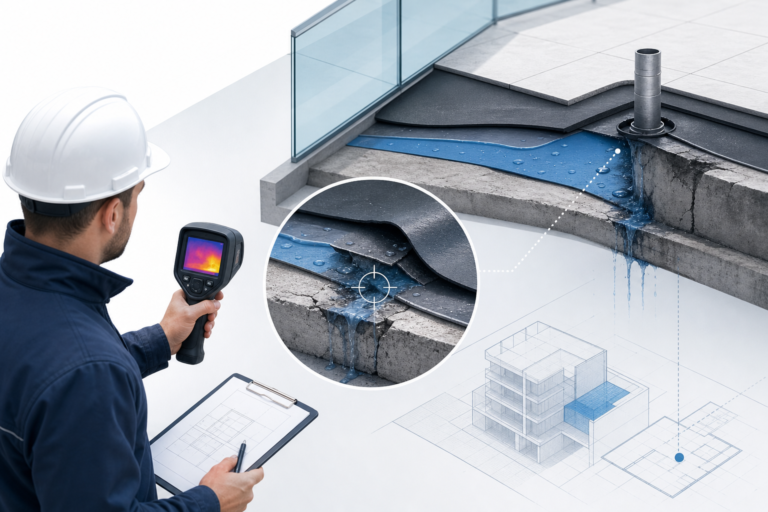
Waterproof Membrane Failure: How Inspectors Find the Cause
Waterproof membrane failure is diagnosed by tracing the water entry point, reviewing design documents, exposing the membrane for visual inspection,
Read More »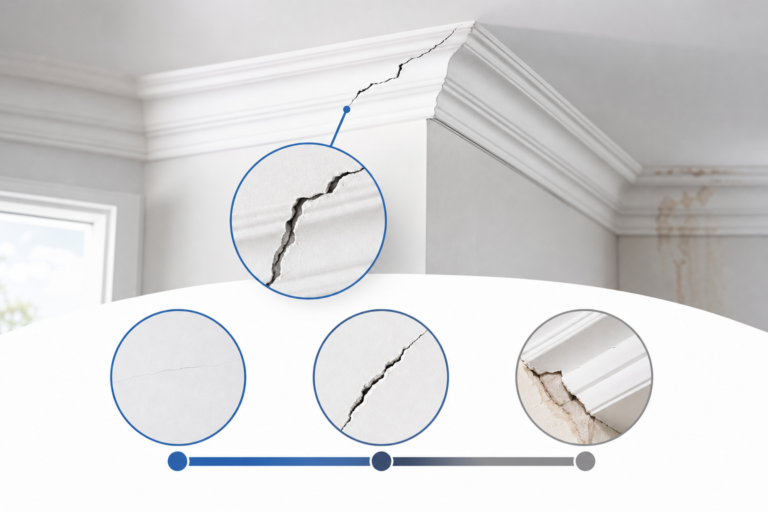
Cornice Cracking: How to Tell If the Damage Is Serious
Cornice cracking is one of the most common concerns Australian homeowners raise, and the hard part is not spotting the
Read More »
Digital Construction Consultant Australia: What They Do
A digital construction consultant in Australia manages the technology-driven side of building projects: BIM coordination, clash detection, asset data handover,
Read More »