
independent building consultant sydney – Your Hiring Guide
When you’re navigating Sydney’s complex construction world, having an impartial expert on your side isn’t just a good idea—it’s essential. This is exactly where an independent building consultant comes in. They bring unbiased advice to the table, protecting your interests, helping you sidestep costly defects, and guiding you through the often-tricky world of disputes.
Unlike standard inspectors who might have other loyalties, a consultant’s only allegiance is to you. Not the builder, not the real estate agent—just you.
Why an Independent Building Consultant Is Your Project’s Best Ally
Bringing an independent building consultant in Sydney onto your team is genuinely one of the smartest investments you can make for your property. Their role goes far beyond a simple pre-purchase check; think of them as your strategic advisor, technical expert, and objective advocate, right from the initial plans through to any potential conflict resolution down the track.
Their main job is to provide expert guidance without any strings attached. Because they have no financial ties to the people building or selling the property, their advice is purely focused on protecting your bottom line. This impartiality is absolutely critical, whether you’re building a new home from scratch, managing a strata property with its own set of challenges, or find yourself locked in a dispute.
More Than Just a Quick Look-Over
While inspections are a big part of what they do, a true consultant’s value is in their comprehensive oversight and deep, specialised knowledge. They are instrumental in a few key areas:
- Dodging Costly Defects: They have a knack for spotting potential issues during the build, long before they morph into major, eye-wateringly expensive problems to fix later.
- Keeping Everyone Honest: A good consultant ensures all the work stacks up against the National Construction Code (NCC), relevant Australian Standards, and the builder’s own plans and specifications.
- Nipping Disputes in the Bud: By providing clear, evidence-based reports, they can often resolve disagreements with builders before things escalate.
- Backing You Up in Legal and Tribunal Settings: They can act as a formal Expert Witness in legal proceedings, which is particularly vital for matters heading to the NSW Civil and Administrative Tribunal (NCAT).
In a market as high-pressure as Sydney’s, an independent expert provides much-needed clarity and peace of mind. They’re the ones who translate complex building jargon into plain English and make sure the quality you paid for is the quality you actually get.
Getting Through Sydney’s Challenging Market
The need for a sharp, experienced consultant is even greater in Sydney’s demanding construction environment. We’re all seeing it—rising material costs, skilled labour shortages, and ongoing supply chain dramas just add layers of complexity to any project.
Unfortunately, these pressures can sometimes lead to rushed work and corners being cut, which makes an independent set of eyes absolutely indispensable. For a deeper dive into their specific duties, you can explore our detailed guide on what a building consultant does.
It’s a story backed up by the wider housing market dynamics in NSW. Official reports show that residential supply has often struggled to keep pace with demand, putting huge pressure on the industry to deliver projects faster and faster. This environment underscores just how important a consultant’s role is in maintaining quality control and ensuring your project doesn’t become a casualty of market forces. You can read more about these housing market dynamics in the official report.
At the end of the day, whether you’re a homeowner, a strata manager, or a developer, an independent building consultant is your quality assurance manager, risk mitigator, and expert representative all rolled into one. They are there to make sure your project is built right and your rights are protected.
What Does an Independent Building Consultant Actually Do?
When most people think “building consultant,” they immediately picture a pre-purchase inspection for a house. And while that’s certainly part of the job, it’s just the tip of the iceberg. A truly independent building consultant in Sydney offers expertise that spans the entire life of a building—from the moment the concrete slab is poured for a new build to navigating complex legal disputes years down the track.
Knowing the full range of services is key. It means you can bring in the right expert for the right problem at the right time. You’re not just getting a generic report; you’re getting a specialist solution for your specific circumstances. At its core, their job is to provide clarity and hard evidence, which is priceless at any stage of owning or managing a property.
This flowchart gives you a quick idea of when an independent consultant’s advice is most powerful, whether you’re about to break ground or just protecting what you already have.

The main takeaway here is that professional oversight isn’t just for new constructions. It’s an essential tool for protecting the long-term quality and value of any property you own.
To help you pinpoint exactly what you need, here’s a quick guide matching common problems to the right consultant service.
Matching Your Problem to the Right Consultant Service
| Your Situation or Problem | Required Consultant Service | Primary Goal of the Service |
|---|---|---|
| “My builder’s work looks dodgy, and I need proof before I take action.” | Building Defect Inspection | To create a formal, evidence-based report detailing all breaches of building codes and standards. |
| “The neighbours are excavating for a pool, and I’m worried about my house cracking.” | Dilapidation Report | To document your property’s current condition as a baseline before nearby construction starts. |
| “I’m building a new home and want to make sure the builder doesn’t cut corners.” | Staged Progress Inspections | To independently verify quality and compliance at critical stages before defects get covered up. |
| “My dispute with the builder is heading to NCAT, and I need a formal expert opinion.” | Expert Witness Report | To provide an unbiased, tribunal-compliant report that can be used as official evidence in a legal case. |
| “We’re in a legal dispute, and the tribunal has asked for a structured list of issues.” | Scott Schedule | To prepare a formal, court-required document that clearly outlines each disputed item for easy review. |
This table should give you a clearer picture, but let’s dive into what each of these services really involves.
Core Inspection and Reporting Services
These are the bread-and-butter services that form the foundation of a consultant’s work. Each report is designed to give you the critical information you need to protect your investment and make informed decisions.
- Building Defect Inspections: This isn’t just a quick walk-through. A consultant will meticulously document every single defect, from tiny finishing flaws to major structural problems. Crucially, they’ll cite the specific National Construction Code clauses and Australian Standards that have been violated. This report becomes your primary piece of evidence when you need to formally ask your builder to fix their work.
- Dilapidation Reports: If there’s major construction, demolition, or excavation happening next door, a dilapidation report is non-negotiable. It’s a snapshot in time. A consultant thoroughly documents your property’s current condition—every existing crack, every bit of wear and tear—creating a clear baseline. If the neighbour’s work causes damage to your home, this report is irrefutable proof, protecting you from having to pay for repairs you didn’t cause.
- Progress Inspections: For anyone building a new home or undertaking a major reno, staged inspections are an absolute must. An independent consultant acts as your eyes on the site, visiting at key milestones—like post-slab, at frame completion, and before waterproofing is hidden away. This proactive approach catches problems before they get buried behind walls, saving you from a world of financial pain and stress later. For a look at how this fits into the bigger picture, check out our guide on project managing a build.
Specialised Services for Disputes and Legal Matters
This is where a consultant’s deep technical expertise really comes to the forefront, especially when disagreements with builders escalate and you’re headed for a formal resolution. Their role here shifts from inspector to technical expert witness.
An experienced consultant knows the strict rules of engagement for these forums. They prepare documentation that is clear, credible, and, most importantly, compliant with tribunal or court procedures.
A well-prepared Expert Witness Report can be the single most influential piece of evidence in a building dispute. It translates complex technical faults into clear, factual arguments that a tribunal member can act upon, levelling the playing field between a homeowner and a builder.
These specialised services are most often required for matters before the NSW Civil and Administrative Tribunal (NCAT).
- Expert Witness Reports: When your dispute is destined for NCAT or court, a standard defect list just won’t cut it. An Expert Witness Report is a formal, highly detailed document prepared strictly in line with the tribunal’s code of conduct. The consultant acts as an impartial expert, giving their professional, unbiased opinion on the defects, what caused them, and how they should be properly fixed.
- Scott Schedules: This is a very specific document used in building disputes to make the legal process more efficient. A consultant prepares the Scott Schedule as a table, listing every single disputed defect. It has columns for what you (the claimant) are saying, what the builder (the respondent) is arguing, and finally, the consultant’s own independent assessment. It makes it incredibly easy for the tribunal member to compare arguments side-by-side and make a ruling.
How to Verify a Consultant’s Qualifications and Experience
Choosing the right independent building consultant in Sydney is probably one of the biggest calls you’ll make for your property. It’s easy to be swayed by a polished website, but the reality is that qualifications and real-world experience can vary wildly. You need to dig deeper to ensure they have the right credentials and a proven track record, especially when your money or a legal outcome is on the line.
This isn’t just a box-ticking exercise. It’s about making sure the person you hire has precisely the right skills for your specific problem. A consultant who spends all their time on new builds out west might not have a clue how to handle a complex strata defect issue in a North Shore apartment block. Real expertise is specific, and it’s up to you to find that perfect match.

The Non-Negotiable Credentials
Before you even start talking about their past jobs, there are a few foundational credentials every legitimate building consultant in NSW must have. Think of these as your first-pass filter. If they can’t immediately show you proof of these, it’s a major red flag.
These are your first line of defence, proving they meet the baseline regulatory standards to operate in Sydney. Don’t just take their word for it—ask for the paperwork and check it yourself.
- A Valid NSW Builder’s Licence: This is the big one. A consultant with a builder’s licence has proven, hands-on knowledge of how buildings are actually put together, not just how they look in a textbook. It shows they understand the practical side of construction. You can—and should—verify their licence status directly on the Service NSW website.
- Professional Indemnity (PI) Insurance: This is absolutely non-negotiable. PI insurance is your safety net. In the unlikely event their advice is negligent and costs you money, this is what covers you. Always ask for their Certificate of Currency to make sure the policy is active and provides enough cover for a project of your size.
- Industry Association Memberships: While not a legal requirement, being a member of a respected body like the Master Builders Association (MBA) or the Housing Industry Association (HIA) is a very good sign. It signals a commitment to their profession, continuous learning, and sticking to a code of ethics.
Looking Beyond the Paperwork
Credentials prove someone is qualified, but experience is what proves they’re effective. A framed certificate can’t tell you if they can hold their own in a tense site meeting with a difficult builder. It won’t tell you if they can explain a complex waterproofing failure in a way an NCAT tribunal member will actually understand. This is where you need to look at their practical, on-the-ground history.
The goal here is simple: match their specific experience to your specific problem. Don’t be afraid to ask direct, pointed questions about the work they’ve done.
A consultant’s true value is revealed in their ability to apply technical knowledge to real-world chaos. You’re not hiring a textbook; you’re hiring a problem-solver who has successfully navigated situations just like yours before.
Vetting Real-World Experience
Your questions should zero in on projects that mirror your own situation in size, complexity, and building type. The expertise needed for a heritage terrace in Paddington is worlds away from what’s required for a modern high-rise in Parramatta.
Here’s how you can drill down into their practical experience:
- Ask for Relevant Case Studies: Request to see examples of past projects that are similar to yours. If you’re dealing with a leaky basement, ask for a report they’ve written on a similar defect. This gives you a real feel for their reporting style and how deep their analysis goes.
- Enquire About Their NCAT Track Record: If there’s any chance your issue could end up in the tribunal, this is crucial. Ask them flat out: How many times have you appeared before NCAT? A consultant who has experience as an expert witness will know exactly what’s required for a tribunal-compliant report. You can learn more about what this critical role involves by reading up on what it takes to be a building expert witness.
- Discuss Their Approach to Dispute Resolution: A great consultant often stops a dispute from ever getting to the legal stage. Ask them to walk you through a time they successfully mediated a disagreement between a homeowner and a builder. This shows they have the communication and negotiation skills that are just as vital as their technical knowledge.
Key Questions to Ask Your Potential Consultant
When you’re hiring an independent building consultant in Sydney, you’re not just buying a report; you’re hiring an expert. Think of it like an interview, and you’re the one in the hiring manager’s seat.
To find the right person, you need to ask sharp, insightful questions that cut through the sales pitch and reveal their actual capability. Moving past a simple “how much does it cost?” is crucial to understanding how they’ll perform when things get complicated.
The quality of your questions will directly influence the quality of the consultant you bring on board. Your goal is to get a real feel for their experience, how they communicate, and most importantly, their impartiality. A confident, detailed response usually points to deep experience, whereas vague answers can be a massive red flag.
Gauging Their Real-World Experience and Specialisation
Every property and every dispute in Sydney is different. You’ve got to make sure your consultant’s background lines up perfectly with the problem you’re facing. A generalist might be fine for a straightforward pre-purchase inspection, but a complex strata defect or a legal stoush demands a specialist.
These questions are designed to test the depth of their hands-on expertise:
- “Can you walk me through a recent, complex building dispute you helped resolve?” This isn’t just about the outcome. Listen for the details—the nature of the defects, how the builder responded, and the nitty-gritty of the final resolution. It shows their problem-solving ability in action.
- “What types of properties do you typically deal with?” Someone who’s an expert in heritage terraces in Balmain has a totally different skillset to a consultant who spends their time finding defects in new high-rise apartments in Macquarie Park. You need the right fit.
- “What’s the split in your work between standard defect inspections and providing reports for NCAT?” This quickly reveals if they are a genuine dispute specialist or more of a general inspector who occasionally gets pulled into legal matters.
The best consultants can recall specific case details off the cuff—the exact building code clauses that were breached, the Australian Standard that was ignored, and the communication tactic that finally broke the deadlock with a difficult builder. That level of detail is impossible to fake and it’s the hallmark of a true expert.
Assessing Their Technical and Procedural Knowledge
A top-notch consultant is a master of two things: the technical building details and the formal processes, especially when it comes to legal disputes.
Their reports need to be rock-solid, ready to withstand intense scrutiny from builders, their lawyers, and tribunal members. This means their documentation process has to be absolutely meticulous.
Use these questions to check their technical rigour:
- “How do you make sure your Expert Witness reports are compliant with the latest NCAT Practice Notes?” A knowledgeable consultant won’t hesitate. They should immediately mention the expert’s code of conduct and specific formatting requirements, confirming they understand their primary duty is to the tribunal, not to you.
- “What’s your process for documenting defects during a staged construction inspection?” They should describe a methodical approach. Look for mentions of high-quality photographic evidence, detailed notes, and prompt communication with both you and the site supervisor. The goal is to get issues fixed before they get covered up.
Understanding Their Approach to Cost and Value
While you shouldn’t choose a consultant based on price alone, cost is obviously a major factor. The financial stakes in Sydney construction are incredibly high. A basic home build might start around $1,800 per square metre, but a high-end custom project can easily blow past $5,500 per square metre.
You can get a deeper dive into these construction cost variations in Sydney. A consultant’s fee is an investment to protect that much larger capital outlay.
The right questions help you understand the value they provide, not just the price on the invoice.
- “Can you provide a detailed fee proposal that breaks down all potential costs?” A transparent quote is non-negotiable. It should clearly separate charges for site visits, report writing, and any potential follow-up work, like tribunal appearances.
- “What sort of things might cause the initial quote to change?” This is a great test of their honesty and foresight. Legitimate reasons might include discovering more complex issues than first anticipated, or a builder refusing to cooperate, which forces more extensive documentation.
What to Expect: Costs, Timelines, and Critical Red Flags
When you’re hiring an independent building consultant in Sydney, you need a clear picture of the costs and timelines involved. Just as importantly, you need to know how to spot the warning signs that could signal a less-than-ideal professional. Getting this right from the start protects your investment and shields your project from avoidable headaches.
The cost of a consultant really depends on what you need them to do. A standard building defect inspection on a typical home, for example, might set you back between $600 and $1,200. But for more complex jobs, the investment scales up. Things like staged construction inspections, which mean multiple site visits, or a detailed Expert Witness Report for an NCAT hearing, can easily range from $3,000 to over $10,000.

Setting Realistic Timelines
The turnaround time for reports can also vary quite a bit. After a standard inspection, you should generally expect the defect report in your inbox within 3 to 5 business days. This gives the consultant enough time to properly document their findings, cross-reference building codes, and pull together all the photographic evidence.
For the more heavy-duty legal reports, like a Scott Schedule or an Expert Witness Report, you’ll need to be more patient. These can take 2 to 3 weeks or even longer, all depending on how many defects there are and the nitty-gritty of your case. It’s always a good idea to confirm these timeframes upfront so you can manage your own expectations and meet any legal deadlines.
Critical Red Flags to Watch For
Vetting a consultant isn’t just about ticking boxes on their qualifications. You need to read between the lines and watch for subtle signs that could spell trouble. The integrity of your project hinges on their impartiality, so keep a sharp lookout for these red flags.
An unbelievably low quote is probably the biggest trap. If a consultant’s fee is drastically cheaper than everyone else’s, it’s a massive warning sign. It could mean they’re cutting corners, rushing inspections, churning out generic reports, or don’t have the right experience or insurance for the job.
A consultant’s primary value lies in their meticulous attention to detail and unwavering independence. Sacrificing quality for a lower price is a false economy that can cost you tens of thousands of dollars in unrectified defects down the line.
Another huge red flag is any reluctance to show you their current Certificate of Currency for Professional Indemnity Insurance. This is absolutely non-negotiable. Without it, you’re left completely exposed if their advice turns out to be negligent.
You should also be a bit wary of consultants who seem to be the go-to recommendation for a particular real estate agent or builder. While some referrals are genuine, a tight, recurring relationship can create a conflict of interest, and their ability to give you a truly unbiased opinion might be compromised. Their loyalty has to be to you, and only you.
The Bigger Picture of Construction Oversight
It’s worth remembering that an independent consultant’s role is critical right across the construction industry, not just for residential disputes. In Sydney, these experts are vital in the institutional building sector—think major projects like schools and hospitals. This is a massive part of the national economy, with a market size of around $34.6 billion and still growing. Consultants provide the essential oversight needed to ensure quality and compliance on these huge builds.
Finally, a consultant’s work is often only as good as the contractors they are overseeing. If your consultant recommends certain contractors, remember that good communication is the bedrock of a successful project. A contractor who never answers their phone is a serious red flag that can lead to delays and costly mistakes. To get a better handle on how professionals manage this, you can explore this complete guide on answering services for contractors.
Got Questions? Let’s Talk Building Consultants
It’s completely normal to have questions before you bring an expert on board. Deciding to hire an independent building consultant in Sydney is a big step, and you want to be sure you know exactly what you’re paying for. We get it.
Let’s dive into some of the most common questions people ask us. These are the practical, real-world queries that come up just before someone decides to make the call.
What Does “Independent” Actually Mean?
This is a big one, and the answer is refreshingly simple. Independent means the consultant works for you and only you.
They have zero financial ties to builders, no kickbacks from developers, and no cosy relationships with real estate agents. Their advice is 100% unbiased, with the sole purpose of protecting your home and your investment.
Think about it: an inspector who relies on a single real estate agent for referrals might be tempted to go easy on a report to keep the work coming. An independent consultant, however, stakes their entire reputation on being impartial. They’re there to give you the unvarnished truth, which is exactly what you need when you’re making huge financial decisions or heading into a dispute.
What Happens If My Builder Pushes Back on the Report?
This is precisely where a seasoned professional proves their worth. It happens all the time, and a good consultant knows the playbook.
First, your consultant will formally issue their report to the builder. This isn’t just a list of complaints; it’s a highly detailed, evidence-based document. Every defect is cross-referenced with the specific clause of the National Construction Code or the relevant Australian Standard it violates. This immediately shifts the conversation from a he-said-she-said argument to a factual, technical discussion.
If the builder still digs their heels in and refuses to fix the issues, that report becomes your most powerful tool. It’s the cornerstone of any formal dispute, whether you start with mediation through NSW Fair Trading or have to escalate the matter to the NSW Civil and Administrative Tribunal (NCAT).
A builder might try to argue with an emotional homeowner. It’s a whole different ball game when they’re trying to argue with a 50-page report that methodically backs up every single defect with building codes, Australian Standards, and pages of photographic evidence.
What’s the Budget for a Consultant in Sydney?
Costs really do depend on what you need. There’s no single price tag because the scope of work can vary so much from one job to the next.
Here’s a rough guide to give you an idea:
- Standard Defect Inspection: For a typical house or apartment, a thorough defect report will usually land somewhere between $600 and $1,200.
- Staged Construction Inspections: These involve multiple site visits at key points in the build, so they cost more. You’ll often see them billed per inspection or as a total package.
- Dispute Resolution & Expert Witness Services: This is where the investment is most significant. A detailed, NCAT-compliant Expert Witness report can start around $3,000 and go up to $10,000 or more. The final cost hinges on the case’s complexity, the sheer number of defects, and the time needed on-site and for documentation.
While those higher figures might make you pause, remember what’s at stake. This cost is often a tiny fraction of the six-figure bill you could face to fix major structural defects that were missed. Always get a detailed, written quote upfront.
Can a Consultant Guarantee I’ll Win at NCAT?
Absolutely not. And if a consultant ever tells you they can, you should run in the other direction.
No ethical professional will ever promise a specific outcome in a tribunal. The final decision is always up to the NCAT member, who has to weigh up the evidence from both sides.
The role of your independent building consultant is to serve as an expert witness. Their job is to provide the tribunal with a factual, unbiased, and technically robust opinion to help it make an informed decision. Their duty is to the tribunal, not to be a “hired gun” for your team. A powerful, well-argued expert report gives your case incredible strength, but it’s not a silver bullet.
Be very wary of anyone who promises you a win. Their credibility is their greatest asset, and that’s built on impartiality, not on guarantees.
Navigating building defects and disputes is tough, but you don’t have to go it alone. The right expert advice cuts through the noise, provides clear evidence, and maps out a path forward. If you need professional, unbiased guidance for your property in Sydney or rural NSW, the team at Awesim Building Consultants is here to help. With decades of hands-on experience, we provide the detailed reports and expert support you need to protect your investment.
Contact us today to discuss your project and get the expert advice you deserve.

Related Posts
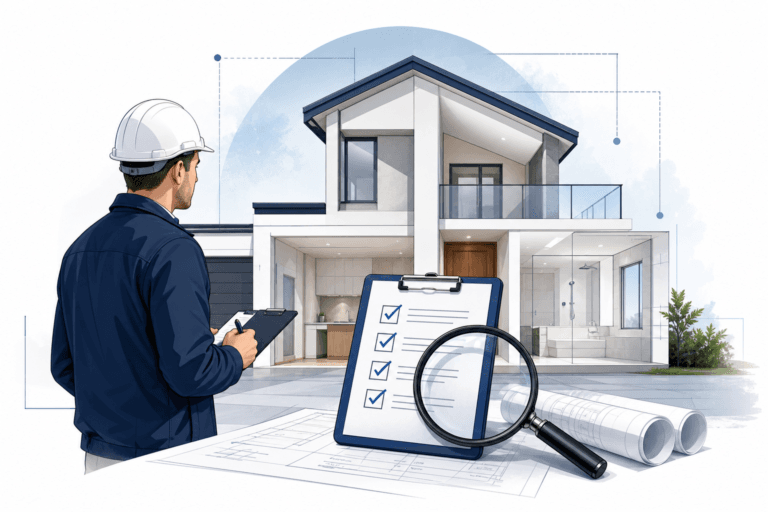
Building Handover Inspection: What to Check Before You Sign
A building handover inspection, also called a practical completion inspection (PCI), is your last chance to identify defects before you
Read More »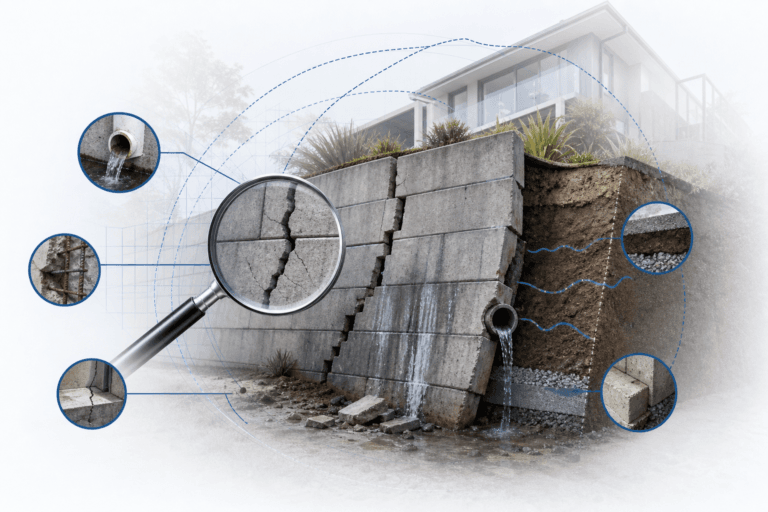
Retaining Wall Defects: Inspection, Evidence, and NSW Claims
Retaining wall defects range from visible cracking and leaning to hidden drainage failures that build dangerous hydrostatic pressure. In NSW,
Read More »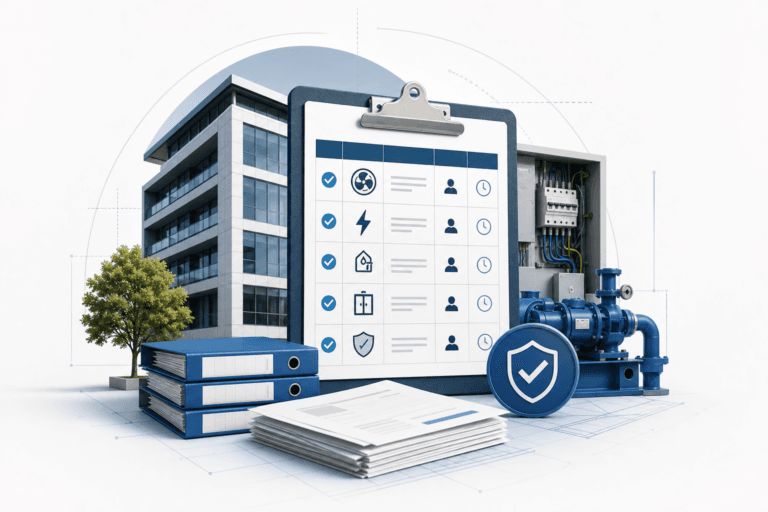
Building Maintenance Schedule: What Owners Must Document
A building maintenance schedule must document every asset, its required service frequency, the person responsible, and a timestamped record from
Read More »