
Hiring a Building Consultant in NSW Your Ultimate Guide
Finding yourself in the middle of a building dispute can feel like you’re lost in a maze with no map. For a homeowner, it might be the sickening sight of new cracks snaking up a wall. For a builder, it’s the stress of defending the quality of your work.
In these situations, a building consultant is your expert guide—the specialist who can cut through the confusion, diagnose the real problem, and chart a clear path forward.
Your Guide to Navigating NSW Building Disputes

Whether you’re a homeowner, builder, or lawyer, the technical side of a construction conflict can be completely overwhelming. The whole process often feels tense and confusing, leaving you unsure of your rights or what to do next. This is exactly where a professional building consultant becomes your most valuable ally.
It helps to think of a consultant as more than just an inspector. They are an impartial investigator and a translator. Their main job is to cut through all the noise and emotion of a dispute and focus purely on the facts—the story the building itself is telling. They bring clarity to the chaos.
What You Will Learn in This Guide
This guide is designed to pull back the curtain on the role of a building consultant in New South Wales. We’ll break down how their expertise can protect your interests, save you a mountain of time, and prevent immense stress.
You will get a practical handle on:
- The Core Functions: What a building consultant really does, which goes far beyond a simple inspection.
- Essential Services: We’ll explain key documents like Expert Witness Reports and Scott Schedules in plain English.
- Critical Timing: The specific moments in a dispute when hiring a consultant is no longer optional, but essential.
- NCAT Compliance: How their reports are meticulously structured to meet the strict rules of the NSW Civil and Administrative Tribunal (NCAT).
A skilled building consultant takes technical chaos and turns it into a structured, factual story. This evidence-based approach is the backbone of any successful dispute resolution, whether you’re negotiating a settlement or arguing your case at a tribunal hearing.
Understanding this process is the first step toward getting back in control. For anyone already heading down the legal path, it’s worth getting familiar with the building disputes tribunal in NSW, because a consultant’s report is a critical piece of evidence.
By the end of this guide, you’ll have the confidence to find and hire the right building consultant, make sense of their findings, and use their expertise to get a fair result.
What Does a Building Consultant Actually Do?
It’s a common mistake to think a building consultant just does inspections. That barely scratches the surface. Think of them less as a simple inspector and more as an impartial technical detective, translator, and strategist, all rolled into one. They exist to bridge the massive gap between the physical reality of a building and the complex world of legal codes and building standards.
Their entire job revolves around one thing: providing a completely unbiased assessment based on hard evidence. A good building consultant doesn’t just point to a crack in a wall and say, “that’s a problem.” They conduct a forensic-level investigation to figure out why that crack appeared in the first place. That’s the real difference—they move past the obvious ‘what’ to meticulously diagnose the ‘why’.
This diagnostic process is anything but casual. It’s a rigorous, evidence-based deep dive into the construction itself, measuring every detail against the benchmarks laid out in the Building Code of Australia and a whole host of relevant Australian Standards.
From Technical Chaos to a Factual Narrative
This is where a consultant’s true value shines. They document every single deviation from the standards with painstaking detail. They build a case, piece by piece, backing it up with photos, precise measurements, and direct references to the specific codes that have been violated.
Then comes their most crucial job: translation. They take this mountain of technical jargon and complex data and transform it into clear, straightforward reports. These documents are specifically written so that homeowners, lawyers, and tribunal members—people who don’t have a construction background—can easily grasp the issues and know exactly what to do next.
A building consultant’s core job is to transform technical chaos into a structured, factual narrative. This narrative becomes the undisputed backbone of a successful negotiation or a compelling case at a tribunal.
The need for this kind of clarity has never been greater. Building disputes in New South Wales have shot up dramatically, creating a huge demand for these expert services. Just look at the numbers from the New South Wales Civil and Administrative Tribunal (NCAT). Last year, its Consumer and Commercial Division handled over 25,000 building-related cases—a staggering 40% increase in just four years. This spike is overwhelmingly driven by defects and compliance failures, with strata disputes alone accounting for over 7,000 of those matters. This highlights just how critical expert assessments have become.
The Investigator’s Toolkit
To build their case, a building consultant uses a range of specialised skills. They’re trained to look beyond the surface-level problems and spot the symptoms of deeper, systemic issues that an untrained eye would completely miss.
Their work almost always involves:
- Forensic Defect Analysis: This is so much more than a quick visual check. They might use specialised gear to measure moisture levels, thermal imaging to find leaks, or other tools to assess structural integrity and pinpoint the root cause of a defect.
- Compliance Auditing: They methodically cross-reference every part of the build against the approved plans, the National Construction Code (NCC), and dozens of specific Australian Standards that cover everything from waterproofing and fire safety to window installation.
- Evidence Gathering: Every single finding is documented. We’re talking timestamped photos, videos, and detailed notes that create an unshakeable record of the building’s condition at a specific moment in time.
Beyond just giving advice, a building consultant will often need to perform detailed building inspections to gather this critical evidence. The on-site investigation is the bedrock of their expert opinion; it’s where theories are tested and facts are set in stone.
Ultimately, a building consultant is a storyteller who uses facts, building codes, and hard evidence as their language. The story they tell is an objective account of a building’s health, presented in a way that gives everyone clarity and a definite path forward. It turns messy, emotional battles into fact-based resolutions.
Understanding Key Building Consultant Services
So, what does a building consultant actually do? Their real value is in the specific, evidence-based services they bring to the table. These aren’t just generic inspections; they are highly specialised tools designed to bring facts and structure to what is often a chaotic and emotional dispute.
Each service has a distinct purpose, whether it’s to provide undeniable evidence for a tribunal or to create a clear, actionable roadmap for fixing defects.
Think of it like a doctor’s diagnostic toolkit. A GP doesn’t just guess; they use an X-ray, an MRI, or blood tests to see exactly what’s happening beneath the surface. In the same way, a building consultant uses specific reports and schedules to uncover the root cause of construction problems. These services transform vague complaints like “the waterproofing is dodgy” into a structured, factual case.
This flowchart neatly illustrates the consultant’s multi-faceted role as an expert, investigator, and communicator.

As you can see, their job goes way beyond a simple look-see. It involves deep analysis and crystal-clear communication, which are the absolute keys to resolving disputes fairly.
The Expert Witness Report
The Expert Witness Report is the absolute cornerstone of any formal building dispute. This isn’t just a list of problems. It’s a meticulously prepared legal document crafted specifically for use in a tribunal or court, like the NSW Civil and Administrative Tribunal (NCAT). Its whole purpose is to provide an independent, unbiased, and factual opinion on the matters in dispute.
This report has to strictly follow the expert witness code of conduct. What that means is the consultant’s ultimate duty is to the tribunal, not the person paying their invoice. This impartiality is precisely what gives the report its power and credibility.
Inside, every single alleged defect is documented with photographic evidence and a detailed analysis. And here’s the crucial part: the consultant must link each issue directly to a specific breach of the Building Code of Australia (now the National Construction Code), a relevant Australian Standard, or the manufacturer’s own installation guide. No breach, no case.
Demystifying The Scott Schedule
If the Expert Witness Report is the detailed diagnosis, then the Scott Schedule is the treatment plan, laid out for everyone to see. This document is essentially a structured table that brings incredible clarity to a dispute, which is why it’s a favourite of NCAT. It’s designed to compare claims and responses side-by-side, item by item.
A typical Scott Schedule is set up with columns:
- Item Number: A unique ID for each alleged defect.
- Claimant’s Allegation: A plain-English description of the problem from the homeowner’s perspective.
- Respondent’s Position: The builder’s or contractor’s official response to that specific allegation.
- Expert’s Opinion: The building consultant’s impartial assessment of the defect, its cause, and what needs to be done to fix it.
- Estimated Cost: The consultant’s professional estimate for the cost of rectifying the issue properly.
This format stops arguments from going around in circles. It forces everyone involved to address each point directly. A tribunal member can instantly see where the disagreements lie and rely on the expert’s opinion to make a decision based on facts, not feelings.
The Scott Schedule is a powerful tool for dispute resolution because it organises complex arguments into a simple, logical format. It cuts through the ‘he said, she said’ and focuses everyone’s attention on the evidence presented for each item.
Other Vital Consultant Services
While Expert Witness Reports and Scott Schedules are the heavy hitters in legal disputes, building consultants offer other services designed to prevent problems or sort them out before things escalate.
Here’s a quick look at some key services and who they’re for.
Building Consultant Services at a Glance
| Service Type | Primary Purpose | Ideal For |
|---|---|---|
| Expert Witness Report | To provide an independent, evidence-based opinion for legal proceedings. | Homeowners or builders involved in an NCAT or court dispute. |
| Scott Schedule | To organise and compare claims, responses, and expert opinions in a dispute. | Lawyers and parties in a complex dispute with multiple defect items. |
| Progress Inspections | To verify quality and compliance at critical stages of construction. | Anyone building a new home or undertaking a major renovation. |
| Defect Reports | To document damage and outline the required scope of works for repairs. | Property owners making insurance claims for events like storms or fires. |
Each of these is designed to provide clarity and evidence.
- Progress Inspections: For projects that are underway, these inspections act as a crucial quality control check at key milestones (like the slab pour, frame erection, or waterproofing). Getting a consultant to review the work at these stages can catch major defects before they get covered up, saving you a world of cost and heartache down the track.
- Defect Reports for Insurance Claims: When a building issue is caused by an event like a storm, fire, or flood, an independent defect report is invaluable. This document gives a factual assessment of the damage and the required scope of works for repair, which is exactly what you need to validate an insurance claim and ensure you’re not short-changed.
By arming yourself with a fact-based report from a qualified building consultant, you move the conversation away from opinion and firmly into the realm of evidence. That’s the secret to getting a fair and timely outcome.
Knowing when to call in an expert can be the difference between a quick, fair outcome and a drawn-out, expensive fight. Hiring a building consultant isn’t admitting defeat; it’s a smart, strategic move to back your position with independent, factual evidence. The key is to act decisively when you hit one of these critical moments.
A lot of disputes start with a simple communication breakdown. You’ve sent emails, you’ve made calls about defects, but the builder either ignores you or brushes off your concerns. When you’re stuck in that frustrating loop, it’s time to change tactics and bring in a formal, evidence-based approach.
A building consultant provides that objective, third-party assessment you need to cut through the stalemate. Their report replaces heated arguments with a clear, factual record of every defect and instance of non-compliance, forcing the conversation to shift from opinions to cold, hard facts.
Before You Lodge an NCAT Claim
This is probably the single most important time to engage a building consultant. Walking into the NSW Civil and Administrative Tribunal (NCAT) without a compliant Expert Witness Report is like showing up to court with no evidence. The Tribunal absolutely relies on independent expert opinions to make informed decisions on technical matters.
Your consultant’s report will become the very foundation of your case. It systematically details each defect, points to the specific Australian Standards or building codes that have been breached, and provides a clear scope of works for fixing it all. Without this, your claim is just your word against the builder’s—and that rarely ends well for the homeowner.
Hiring a building consultant before an NCAT hearing isn’t just a good idea—it’s essential. The tribunal needs impartial, expert evidence to understand the technical issues at hand, and a high-quality report provides exactly that.
The current climate in the Australian construction industry makes this expert oversight more critical than ever. Severe skilled labour shortages are putting huge pressure on trades. In fact, BuildSkills Australia warns the sector needs another 90,000 skilled workers by 2030 just to meet housing targets. In NSW, this skills gap is a direct contributor to workmanship disputes, which now make up a staggering 35% of all NCAT building cases—that’s over 8,750 cases in a single year. You can find more insights about the Australian construction market on mordorintelligence.com.
When You Suspect Non-Compliance
Sometimes, you just get a gut feeling that something isn’t quite right. Maybe the finished work looks completely different from the architectural plans you signed off on, or the materials used seem cheaper than what was specified in your contract. These are suspicions you should never ignore.
An independent building consultant can run a full compliance audit. They will meticulously check the completed work against the official documents, including:
- Approved Council Plans: Making sure the structure has been built exactly as it was designed and approved.
- The National Construction Code (NCC): Verifying that all work meets the minimum legal standards for safety, health, and accessibility.
- Australian Standards: Checking that specific elements, like waterproofing or structural framing, follow detailed industry requirements to the letter.
If your gut feeling was right, their report gives you the undeniable proof needed to force the builder to rectify any non-compliant work. This is just as crucial for strata managers dealing with common property headaches like widespread water ingress or façade defects, as it gets to the root cause and lays out a clear path to getting it fixed.
How to Choose the Right Building Consultant

Picking the right building consultant is easily the most critical decision you’ll make when you’re in a building dispute. Not all experts are the same, and the quality of their advice will have a direct, massive impact on your outcome. Your mission is to find an unbiased, deeply experienced professional who can give you a factual, evidence-based assessment of your situation.
Think of it like choosing a specialist surgeon for a tricky operation. You wouldn’t just go with the cheapest quote or the first name that pops up in a search. You’d want someone with years of hands-on experience, a proven track record, and the right credentials. The exact same logic applies here—a great consultant can save you an incredible amount of time, money, and stress.
Prioritise Hands-On Building Experience
First things first, look for extensive, practical experience as a licensed builder. This is the non-negotiable foundation of a good consultant. Someone who has spent decades on the tools, managing projects and solving real-world construction problems, brings a perspective that simply can’t be learned in a classroom. They know how buildings are meant to go together, and more importantly, they know exactly where and why things go wrong.
This on-the-ground background means they can spot subtle defects that a purely academic consultant might overlook. They can tell the difference between a minor cosmetic flaw and the first sign of a major structural failure because they’ve seen it all before.
To check this, you should always ask about their:
- Builder’s Licence: Can you confirm they hold or have previously held a valid NSW builder’s licence?
- Years in the Trade: How many years did they actually work as a builder before they started consulting?
- Project History: What kinds of projects have they built? Residential homes, commercial sites, or something else?
An effective building consultant has more than just theoretical knowledge; they have muscle memory from years on construction sites. This practical wisdom is impossible to replicate and is the foundation of a credible, real-world assessment.
Verify Qualifications and Independence
Once you’ve confirmed their building background, it’s time to check their professional credentials and, crucially, their independence. For a consultant’s opinion to carry any weight in negotiations or at a tribunal, it has to be completely impartial.
Start with their formal qualifications in building or construction. Then, make sure they hold current Professional Indemnity Insurance. This is a must-have. It not only protects you but also shows they’re serious about their professional standards.
Most importantly, you need to confirm their independence. A good consultant acts as an unbiased investigator, advocating only for the facts. You have to steer clear of anyone with direct ties to your builder or any other party in the dispute. Any connection creates an immediate conflict of interest that will torpedo the credibility of their report.
Scrutinise Their Reports and NCAT Experience
A consultant’s final report is their end product, so you need to see what you’re paying for before you sign on. Ask them for a few redacted sample reports you can look over. When you read them, you’re not just looking for a list of defects; you’re assessing clarity, detail, and whether they stand up to legal scrutiny.
A high-quality report must:
- Be Easy to Understand: It should be written in plain English, without dense jargon, so that a homeowner, lawyer, or builder can easily follow the logic.
- Reference the Standards: Every defect listed must be tied back to a specific clause in the National Construction Code (NCC) or a relevant Australian Standard. This is vital.
- Provide Photographic Evidence: Clear, annotated photos are essential for visually documenting every single issue raised.
Finally, and this is a big one, you must confirm their experience with the NCAT process and their knowledge of the Home Building Act. An expert who knows their way around the tribunal will produce a report that ticks all the necessary legal boxes, making your case infinitely stronger. Finding local experts with this specific experience can be a game-changer, and a good first step is often a search for reputable building consultants near you. When you’re ready to engage them, using a proper New South Wales consulting agreement template can help ensure all the legal details are properly covered from the start.
So, What Do You Do With the Report?
Getting that final report from your building consultant can feel a bit like being handed a complex instruction manual. They’re often hefty documents, full of technical terms, photos, and references to building codes. It might seem intimidating, but a well-written report is actually designed to bring absolute clarity to the chaos, not add to it.
Think of it as the end-product of a methodical investigation. It starts with you explaining the problem, moves to a detailed on-site inspection where the consultant gathers all the evidence, and culminates in this single, powerful document. This isn’t just a list of what’s wrong; it’s the evidence-based foundation you’ll use to resolve the dispute.
What a Good Report Looks Like
A quality report from an experienced consultant won’t just dump information on you. It will have a logical flow, telling a clear story that makes sense to everyone involved—homeowners, lawyers, and even tribunal members. It’s all about making complex building issues easy to understand by moving from a general overview to the nitty-gritty details.
Here’s what you should always find inside:
- Executive Summary: This is the “at-a-glance” section right at the start. It gives you a high-level summary of the core problems and findings, so you can get the gist of the situation in minutes.
- Detailed Breakdown of Defects: Every single issue gets its own section. Expect a clear description of the problem, backed up by high-resolution photos that show exactly what the consultant is talking about.
- Code and Standard References: This part is non-negotiable. For every defect identified, the report must point to the specific clause in the Building Code of Australia (BCA) or the relevant Australian Standard that has been breached. This is the proof.
- Cost Estimates for Rectification: If you’ve asked for it, the report will break down the estimated costs to fix everything. This gives you a solid financial figure to work with during negotiations or claims.
It’s More Than a Document—It’s a Tool
This report isn’t just for your reading pleasure; it’s a practical tool built for a purpose. Its main job is to act as impartial, expert evidence. When it’s done right, it becomes the cornerstone of your case, whether you’re trying to get your builder back on-site or you’re heading to the tribunal.
Crucially, the consultant’s duty is to the court or tribunal, not to the person paying the bill. It’s this strict impartiality that gives the report its weight. Anyone heading into legal proceedings needs to grasp this. To understand the professional standards these experts are held to, take a look at the expert witness code of conduct, which ensures every finding is objective and ethically presented.
A consultant’s report transforms your dispute from a subjective “he said, she said” argument into an objective, fact-based discussion. It shifts the focus from opinions to evidence, which is the only way to achieve a fair resolution.
By breaking down every technical fault and tying it directly to an official building standard, the report provides undeniable proof of what’s gone wrong. It gives you the leverage you need to demand proper repairs or seek fair compensation, all while knowing your claims are backed by a rock-solid, professional assessment.
Of course. Here is the rewritten section, crafted to sound like an experienced human expert, following all your specific instructions.
Common Questions About Building Consultants
When you’re caught in a building dispute, the questions can pile up quickly. Whether you’re a homeowner looking at a growing crack in the wall, a builder defending your work, or a lawyer building a case, you need straight answers. Let’s tackle some of the most common queries we get.
How Much Does a Building Consultant Report Cost?
The cost of a report really depends on what’s involved – the size of your property, how complex the dispute is, and the level of detail needed. An Expert Witness Report prepared for an NCAT hearing is a forensic deep-dive, so it’s naturally going to be more involved, and cost more, than a preliminary defect inspection.
But it’s best to see this as an investment, not just a cost. A solid, evidence-based report can end up saving you tens of thousands in drawn-out legal battles or future repair bills. By getting the undisputed facts on the table, you’re equipped to resolve the dispute far more efficiently. We always provide a clear, upfront quote based on your specific situation.
Think of a consultant’s report not as a cost, but as an investment in clarity and leverage. The upfront expense often prevents much larger costs down the track by providing the undisputed facts needed for a swift resolution.
Can I Use Your Report in an NCAT Hearing?
Yes, absolutely. Our Expert Witness Reports are written specifically for the NSW Civil and Administrative Tribunal (NCAT). They are meticulously structured to be independent, factual, and to directly address the specific points of the dispute, all while complying with NCAT’s procedural rules.
Every report we produce follows the expert witness code of conduct to the letter. This means our primary duty is to the Tribunal, not the person who hired us. It’s this impartiality that gives our reports weight and provides the Tribunal with the clear, technical evidence it needs to make a properly informed decision.
My Builder Says a Defect Is “Minor”. Do I Still Need a Consultant?
This is precisely when an independent building consultant is most valuable. What looks like a ‘minor’ issue—a small hairline crack or a tiny leak—can often be the tip of the iceberg. It might be a symptom of a much bigger underlying problem like structural movement, widespread waterproofing failure, or major drainage issues.
A qualified consultant has the forensic eye to diagnose the root cause, not just what you can see on the surface. Their independent assessment gives you an unbiased, factual basis to determine how serious the defect really is and what needs to be done to fix it properly. It’s about protecting your property’s long-term value and safety.
How Quickly Can You Provide a Report?
We know that when you’re in a building dispute, time is almost always critical. We make timely service a priority and can typically schedule an on-site inspection within a week of you getting in touch, depending on where you are and how urgent things are. After the inspection, we’ll agree on a clear turnaround time for the final report so you can meet your deadlines for negotiations or tribunal submissions without stress.
At Awesim Building Consultants, we deliver the clarity and hard evidence you need to move forward with confidence. With over 35 years of hands-on building experience, we produce NCAT-compliant Expert Witness Reports that stand up to scrutiny. Protect your investment by getting the facts. Learn more and book your consultation with Awesim Building Consultants.
Related Posts
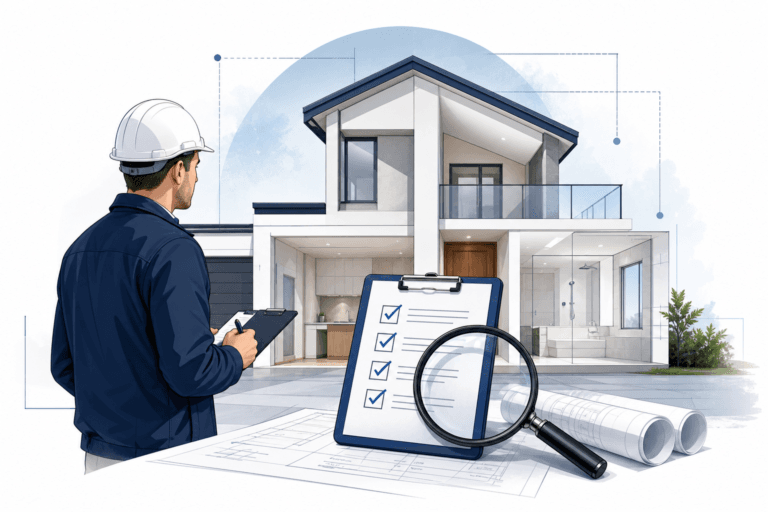
Building Handover Inspection: What to Check Before You Sign
A building handover inspection, also called a practical completion inspection (PCI), is your last chance to identify defects before you
Read More »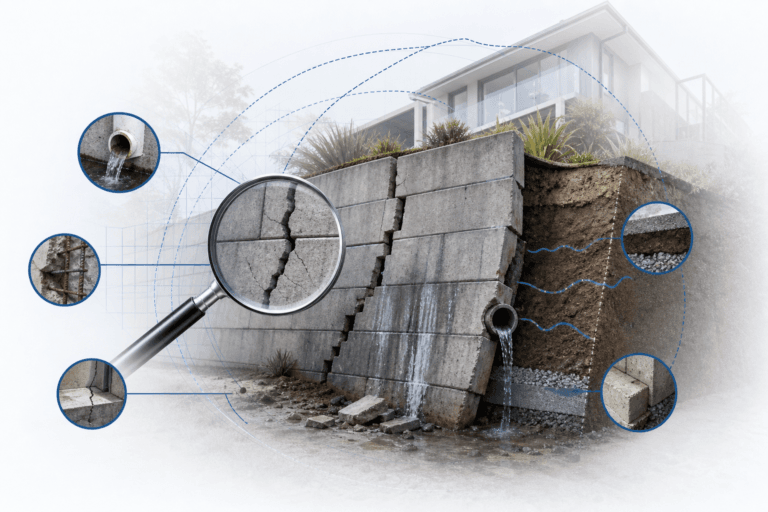
Retaining Wall Defects: Inspection, Evidence, and NSW Claims
Retaining wall defects range from visible cracking and leaning to hidden drainage failures that build dangerous hydrostatic pressure. In NSW,
Read More »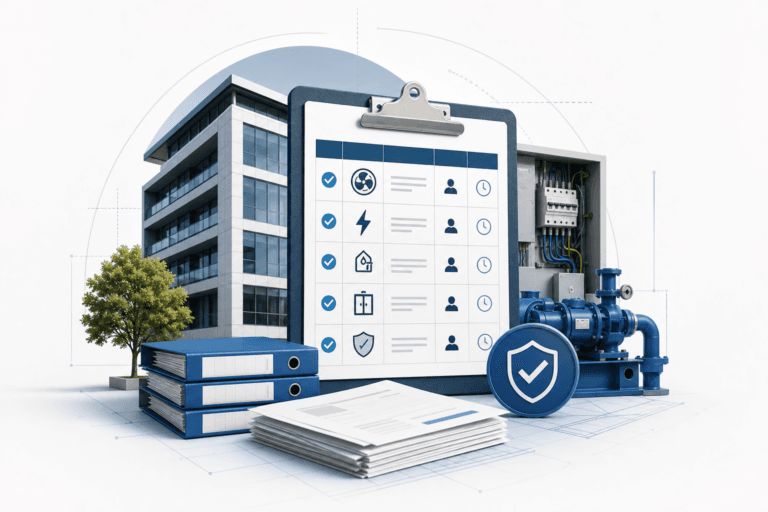
Building Maintenance Schedule: What Owners Must Document
A building maintenance schedule must document every asset, its required service frequency, the person responsible, and a timestamped record from
Read More »