
Expert Witness Code of Conduct
Expert Witness Code of Conduct
Awesim Building Consultants prepares independent expert witness reports for building disputes. Our role is to assist the court or tribunal with a reasoned opinion within our area of expertise.
Which code applies?
The requirements depend on the forum, the type of proceedings and the orders made in the matter.
- NCAT: Procedural Direction 3 – Expert Evidence sets out the expert witness code for proceedings to which it applies. It should be read with Procedural Direction 7 concerning generative artificial intelligence. Check the application provisions and the Tribunal’s directions for your matter.
- NSW courts: Where the Uniform Civil Procedure Rules 2005 apply, Schedule 7 contains the expert witness code of conduct. The NSW Land and Environment Court’s guide to expert witness duties explains the code and links to the legislation. Check the relevant court’s practice notes and orders as well.
Independent opinions and cooperation
An expert’s primary responsibility is to the court or tribunal. The person who engages or pays the expert does not determine the expert’s opinion. The expert must remain impartial and must not act as an advocate for either party.
A report should identify the facts and assumptions relied on, explain the reasons for each opinion, and make relevant limitations clear. When directed to confer or prepare a joint report, experts must use their own professional judgment and seek agreement where the evidence supports it.
Awesim expert witness services
For help with a building dispute, read about our expert witness reports and Scott Schedules, or contact Awesim to discuss the inspection and reporting work required.
Related Posts
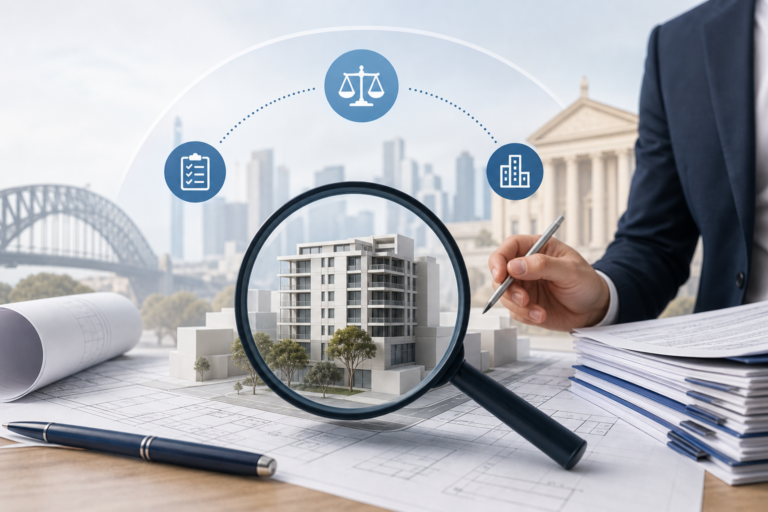
Town Planning Expert Witness: When Buyers Need One in NSW
You need a town planning expert witness in NSW when a development application is refused, or approved with conditions you
Read More »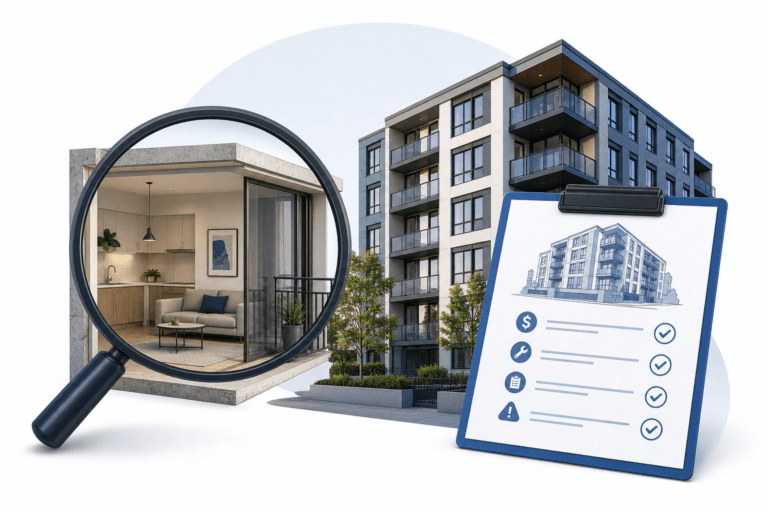
Building Inspector for Apartments: What Buyers Should Check
A building inspector for apartments checks the unit itself: plumbing, electrical, moisture, ceilings, windows, balcony and visible defects. They do
Read More »![Businessman in a suit analyzes a 3D building model on blueprints with a hard hat nearby and a crane in the background, conveying construction planning and law.]](https://awesim.com.au/wp-content/uploads/2026/10/2ba440c4-9d47-4802-adf1-8b6f241eb8ff-768x512.png "2ba440c4-9d47-4802-adf1-8b6f241eb8ff - Awesim Building Consultants")
Construction Claims Experts and Witness Reports
Last updated: 8 November 2026 A construction expert witness provides an independent opinion on technical questions in a building dispute.
Read More »