
Understanding The Cost Of An Expert Witness Report
If you’re looking at the cost of an expert witness report, you’re usually already in a dispute. A builder says the work is fine. An owner says it isn’t. A solicitor needs evidence that will stand up in NCAT, not just a strongly worded email or a repair quote.
That’s where many people go wrong. They compare an expert report to a standard building inspection, or they assume the cheapest report is good enough. In NSW building disputes, the question isn’t just what the report costs. It’s whether the report is properly scoped, technically defensible, and useful in resolving the dispute.
After more than 35 years in building and construction, and more than 15 years providing litigation support, the pattern is consistent. Good reports cost money because they take time, site work, analysis, and disciplined writing. Poor reports often cost more in the long run because they leave gaps, create confusion, or fail when tested.
Understanding the Role of an Expert Witness Report
An expert witness report is not the same thing as a defect list, a builder’s quote, or a routine pre-purchase inspection. In an NCAT building matter, the report has a different job. It must identify the issue, explain the cause, relate that cause to the relevant building standards or contractual obligations, and present an opinion that can survive scrutiny.

What NCAT actually needs
NCAT doesn’t need advocacy dressed up as expertise. It needs an independent, evidence-based opinion. That means the report should be built on things that can be checked, such as site observations, measurements, photos, plans, specifications, correspondence, and the relevant Australian Standards.
A simple repair quote usually won’t do that. A quote tells you what someone is prepared to charge to fix something. It often doesn’t explain whether the work is defective, why it failed, who is responsible, or whether the proposed repair is proportionate.
What a proper report usually includes
A litigation-ready report commonly deals with:
- Observed defects such as cracking, waterproofing failures, movement, incomplete work, or non-compliant finishes
- Causation analysis that connects the visible problem to workmanship, design, materials, sequencing, moisture entry, movement, or other building factors
- Standards and compliance review against contract documents, the NCC, and standards such as AS 4349.1 where relevant
- Rectification logic that explains what has to be done and why
- Supporting evidence including annotated photographs, marked-up plans, document review, and if needed, testing results
Practical rule: If a report only says “defective” without explaining how the conclusion was reached, it’s incomplete for dispute work.
Why that affects cost
The cost of an expert witness report reflects more than writing time. It reflects responsibility. Once the report is filed, the expert may need to answer questions about every conclusion, every photo, every reference to a standard, and every recommended repair method.
That’s why litigation support sits in a different category from general consulting. The report must be clear enough for the Tribunal, precise enough for solicitors, and technical enough to withstand challenge.
Decoding Expert Witness Fee Structures
Most expert witness work is priced in one of two ways. Hourly rates or fixed fees. Both can work. The right model depends on how clear the scope is at the start.
Hourly charging
Hourly charging is common when the dispute is still developing. The expert may not yet know how many documents need review, whether more than one inspection will be required, or whether the matter will expand into Scott Schedules, joint conferences, or oral evidence.
International benchmarks help frame the level of professional time involved. A 2021 SEAK survey of nearly 1,100 experts found average hourly rates of $422 USD for file review and preparation and $550 USD for trial testimony according to Expert Institute’s summary of expert witness fees.
From a client’s point of view, hourly billing is flexible, but it needs control. Ask what work is billable, how time is recorded, whether travel is charged, and whether there’s a minimum attendance for inspections or conferences.
Fixed fee or capped fee arrangements
A fixed fee works best when the task is narrow and defined. One inspection. One report. One issue or a small number of clearly identified defects. It gives the client budgeting certainty and reduces arguments later about whether the work took longer than expected.
A capped fee can be the middle ground. The consultant charges hourly, but only up to an agreed ceiling unless the client approves a scope change.
Here’s the practical difference:
| Fee model | Best used when | Main benefit | Main risk |
|---|---|---|---|
| Hourly | Scope is uncertain | Flexibility | Final cost can grow |
| Fixed fee | Scope is well defined | Cost certainty | Variations may trigger extra fees |
| Capped fee | Scope is mostly known | Budget control with flexibility | Needs clear written triggers for overruns |
Retainers and admin support
Some experts require an upfront retainer before starting work. That isn’t unusual. It protects against long delays, document-heavy matters, and late cancellations.
There’s also a practical overlap with legal admin. If your matter involves interviews, meetings, or recorded conferences, it helps to understand related support costs. A guide on transcription service cost is useful because transcripts, note preparation, and evidentiary records can become part of the broader litigation budget even when they’re outside the report itself.
A cheap quote with vague scope is often more dangerous than a higher quote with a clear list of inclusions and exclusions.
An Itemised Breakdown of Report Costs
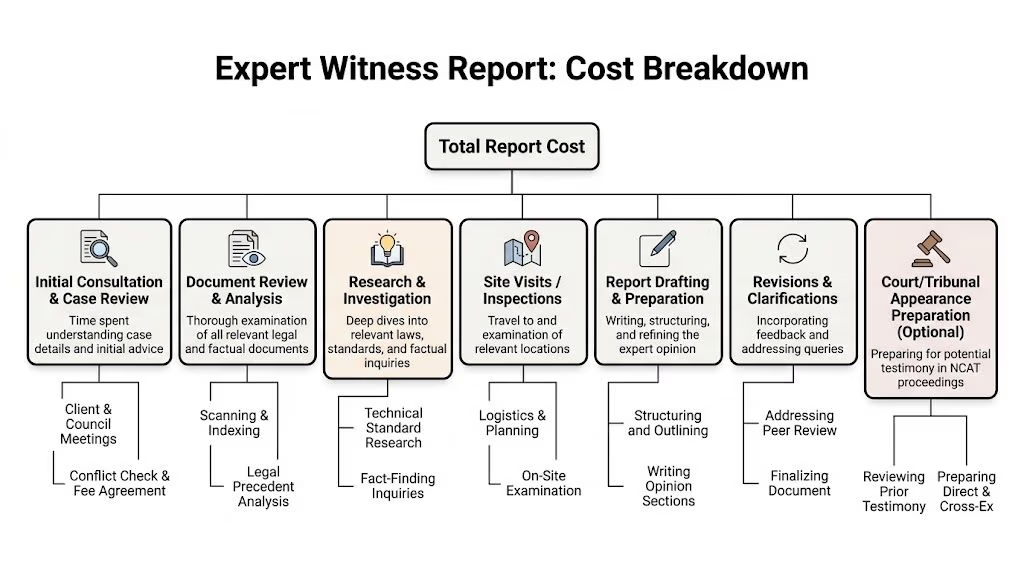
Most clients get better value when they understand what they’re paying for line by line. The cost of an expert witness report usually isn’t one task. It’s a chain of tasks, and each one affects the final fee.
The core work behind the invoice
A proper quote or invoice often includes these components:
Initial case review
The expert reads the brief, identifies the issues, checks what documents exist, and decides whether the instructions are clear enough to proceed. If the brief is poorly organised, this stage takes longer.Document review
Plans, specifications, contracts, scope documents, variations, photos, emails, complaints, repair quotes, and prior reports all need review. In many disputes, this desk work is substantial.Site inspection
This includes travel, on-site observations, measurements, photographs, checking levels, inspecting finishes, and comparing the built work against the documents. A quick visit rarely produces a durable expert opinion.Technical analysis
The expert then assesses causation, compliance, workmanship, and rectification pathways. Practical site experience is paramount for such analyses.Report drafting
Drafting takes time because the report has to be structured, internally consistent, and written in a form that a Tribunal Member and legal team can follow.Scott Schedule preparation
If the matter needs a Scott Schedule, that is usually a separate task. It involves setting out each disputed item in a comparative format suitable for case management. If you need a practical reference point, this expert witness report template in Australia shows the level of structure these documents usually require.
Disbursements and extras
Clients often focus on the report fee and miss the out-of-pocket items. Those may include:
- Travel costs for metro, regional, or rural attendance
- Specialised photography where high-detail defect recording is needed
- Testing and laboratory fees if samples or technical assessments are required
- Plans, printing, or large-format mark-ups
- Meetings with solicitors or counsel
- Joint expert conferences or responses to questions
What does and doesn’t add value
Some work is necessary. Some work is avoidable.
| Usually worth paying for | Usually avoidable if managed early |
|---|---|
| A thorough first inspection | Repeated attendance caused by missing access |
| Clear photo evidence and annotations | Re-reading duplicate emails and unindexed files |
| Targeted standards review | Last-minute redrafting because instructions changed |
| A well-prepared Scott Schedule | Multiple versions produced from shifting issue lists |
The cleanest files are usually the least expensive to review. A well-organised brief saves paid expert time.
Key Factors That Influence the Final Cost
No serious consultant can give a one-size-fits-all price for dispute work. A bathroom tiling complaint in metropolitan Sydney doesn’t require the same effort as a movement claim on a rural site with suspected footing or drainage issues.

Complexity of the defects
Some matters involve one visible issue with a narrow rectification pathway. Others involve several systems interacting at once. For example, cracking may involve footing movement, drainage, site classification, articulation detailing, and masonry workmanship all at the same time.
The more layered the defect analysis becomes, the more time goes into separating symptoms from causes. That affects inspection time, document review, report drafting, and the need for specialist input.
Quality of the available documents
A case with current plans, specifications, variation records, dated site photos, and a concise chronology is easier to assess. A case built on fragments, phone screenshots, and disputed verbal instructions is harder and therefore more expensive.
Poor records create paid reconstruction work. The expert has to spend time piecing together what should already have been available.
Location and access
Regional and rural matters cost more for obvious reasons. Travel time is real time. Access coordination is rarely simple. Some sites also require specialist equipment or multiple trades to open up concealed work safely.
For disputes in rural NSW, costs can escalate to AUD $10,000 to $25,000 because travel and specialised geotechnical testing can multiply baseline hourly rates by 1.5 to 2x, according to this expert witness fees calculator discussion.
Whether testing is needed
Not every matter needs testing. Some do. Moisture ingress, concrete concerns, substrate failures, movement, and hidden waterproofing issues may require more than visual inspection.
Testing changes the budget quickly because it can involve:
- Specialist attendance from geotechnical or other consultants
- Equipment mobilisation to remote sites
- Follow-up interpretation of the results
- Supplementary reporting after the initial opinion
A short explanation of these moving parts helps before any quote is accepted.
The extent of the dispute process
Some reports are only used to frame negotiations. Others become central evidence in NCAT. If the expert is likely to attend conclaves, answer written questions, amend the report, or give oral evidence, the original report fee won’t be the whole budget.
A report prepared for settlement discussions may be shorter and narrower. A report prepared for contested hearing work needs more depth, more checking, and more discipline in the wording.
Real-World Cost Scenarios for NSW Building Disputes
The easiest way to understand the cost of an expert witness report is to look at the type of dispute involved. The numbers vary with scope, but the pattern is predictable.
Scenario one with a limited workmanship dispute
A homeowner in Sydney has a dispute over bathroom tiling, falls to waste, and silicone finishing. There are clear photos, a short contract, and one repair quote. Access is simple, and the alleged defects are visible.
This sort of matter usually stays contained. The report may focus on workmanship, compliance, and reasonable rectification scope. It may also need a short item-by-item schedule if the parties are already arguing about individual defects.
Scenario two with a document-heavy residential claim
A solicitor briefs an expert on a larger renovation dispute involving waterproofing, joinery, and incomplete work across several rooms. There are many emails, variations, progress claims, and competing allegations. The inspection itself might be straightforward, but the paperwork is not.
That type of matter often costs more because the expert is spending time on two fronts. Site evidence and file analysis. If a Scott Schedule is required, the comparison exercise adds another layer. For that kind of budgeting exercise, this guide on the cost of a Scott Schedule is directly relevant.
Scenario three with movement or foundation issues in rural NSW
A rural homeowner reports cracking, sticking doors, slab movement, and concerns about site drainage after construction. The expert has to travel, inspect a broader area, consider footing performance, and possibly recommend specialist testing before reaching a firm conclusion.
This is the kind of matter where cost can move well beyond a basic metropolitan dispute. As a general international reference point, a typical construction expert case in the US averaged around $13,000 USD for approximately 25 hours of work, based on SEAK benchmark reporting summarised here. In NSW, the equivalent scope can sit lower or higher depending on travel, testing, documentation, and whether the matter remains narrow or expands.
What these scenarios show
The fee usually rises for one of three reasons:
- More issues to analyse
- More documents to review
- More steps beyond the initial report
That’s why broad online ranges are only rough guidance. The better approach is to match the likely scope of your matter to the work needed.
How to Manage and Justify Your Report Budget
Most cost blowouts happen before the expert even starts writing. They happen in the brief. If the instructions are vague, the documents are scattered, and no one has identified the key issues, the expert has to spend paid time untangling the job.
What to ask before engaging an expert
Ask these questions in writing and get the answers in writing:
- What is included in the quoted scope. Inspection only, report only, Scott Schedule, conferences, replies to questions, and hearing attendance should all be separated.
- What is excluded. If testing, extra inspections, travel beyond a stated area, or solicitor conferences are additional, that should be clear.
- How will variations be approved. A good consultant won’t just let the scope drift.
- What documents should be provided up front. This can save substantial review time.
- What format will the output take. A narrative report, itemised schedule, or both.
How clients keep costs under control
The most practical savings usually come from preparation, not bargaining.
- Organise the file first. Put contracts, plans, photos, emails, and quotes into date order.
- Identify the actual issues. Don’t brief every frustration if only some points matter legally.
- Provide access once. If the expert can inspect properly on the first visit, repeat attendance is less likely.
- Nominate one contact person. Multiple voices create multiple instructions, and that increases time.
- Ask for staged work. In some matters, a preliminary opinion can help before full reporting is commissioned.
There’s also a simple administrative lesson from broader business practice. Clear records and disciplined categorisation make professional services easier to monitor. These financial reporting best practices are useful because the same principle applies here. If you track scope, disbursements, approvals, and deliverables carefully, disputes about fees become less likely.
Why an itemised agreement matters
Given the lack of official AU or NSW fee schedules, it’s important to get a detailed quote. General data indicates flat fees can range from $5,000 to $15,000 USD, and rural travel in NSW can add 20 to 30% to base fees, which is why a specific written agreement matters, as outlined in this discussion of expert witness fee terms.
That doesn’t mean every matter should cost that amount. It means you shouldn’t accept a vague lump sum without knowing what sits behind it.
The report budget is easier to justify when the scope is tied directly to the disputed issues, the likely NCAT steps, and the evidence needed to prove or defend the claim.
For clients comparing providers, Awesim Building Consultants is one example of a firm that prepares site investigations, expert witness reports, and Scott Schedules for NSW building disputes. The same rule applies there as with any consultant. Check the scope, check the exclusions, and make sure the work matches the dispute.
Choosing the Right Expert Is Your Best Investment
The biggest mistake in this area isn’t paying too much. It’s paying for a report that doesn’t do the job.
A weak report often looks acceptable at first glance. It has photos, headings, and firm language. But once the other side tests it, the problems appear. No clear causation. No proper reference to standards. No separation between observed fact and opinion. No coherent rectification reasoning. At that point, the original saving disappears.

What to look for in an expert
The right expert for an NCAT building dispute usually brings three things together:
- Hands-on building experience so the opinions reflect real construction practice, not theory alone
- Report writing discipline so the evidence is organised and understandable
- Procedural awareness so the work suits the requirements of formal dispute resolution
Price matters, but value matters more
If two quotes are far apart, don’t just compare the totals. Compare the method. One consultant may be offering a superficial inspection and brief letter. Another may be allowing for document review, technical analysis, photo schedules, and a report written for legal use.
That’s the difference between a document that fills a file and a document that helps decide a case.
With more than 35 years in building and construction and over 15 years supporting homeowners, builders, and lawyers in disputes, the practical lesson is straightforward. A sound report doesn’t need to be extravagant. It does need to be careful, independent, and properly scoped from the start.
If you need practical guidance on the cost of an expert witness report for an NSW building dispute, contact Awesim Building Consultants. We prepare site investigations, Expert Witness Reports, and Scott Schedules for homeowners, builders, solicitors, insurers, and loss adjusters across Sydney, the New England region, and rural NSW. Email admin@awesim.com.au or call 1800 293 746 to discuss the scope of your matter and request a clear, itemised proposal.
Related Posts
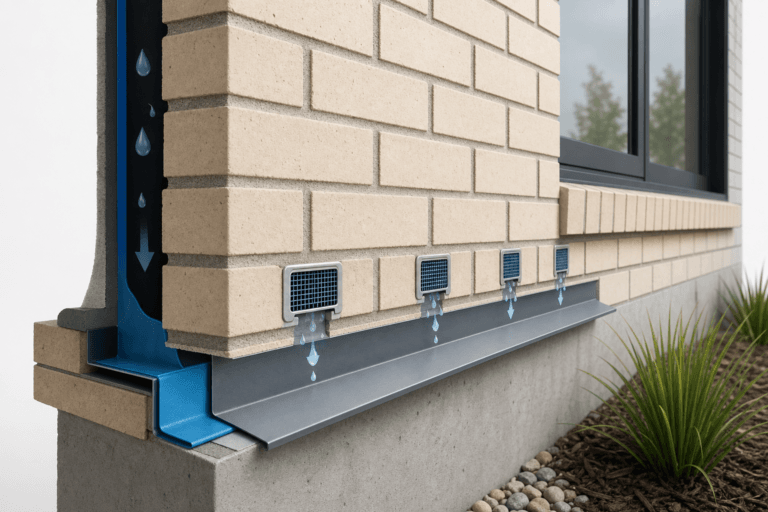
Weep Hole Covers: Standards, Sizing, and Defect Signs
What a Weep Hole Cover Does Australian Standards and Spacing Requirements Bushfire Zones Add a Second Requirement Sizing: Matching the
Read More »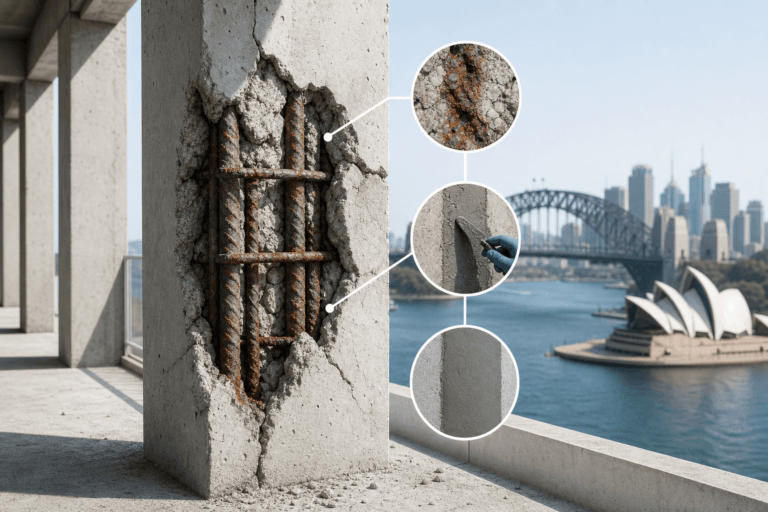
Concrete Spalling Repair: Causes, Costs, and Your NSW Rights
What Concrete Spalling Actually Is Common Causes of Concrete Spalling in NSW Buildings Reinforcement Corrosion Chloride Penetration Carbonation Poor Original
Read More »
Crack Injection Concrete: When It Fixes a Defect vs Hides One
What Crack Injection Actually Does Dormant Cracks vs Active Cracks: The Critical Distinction When Injection Fixes the Defect When Injection
Read More »