
Who Provides a Scott Schedule: Expert Guide 2026

In NSW building disputes, an independent building consultant or expert witness is the primary professional who provides a Scott Schedule. In practice, solicitors and homeowners get the best result when the schedule is prepared by someone who can identify defects, quantify rectification costs, and defend the document at NCAT or in court.
Scott Schedule service: For professional preparation, defect itemisation and NSW dispute support, see Awesim’s Scott Schedule NSW service. Technical content is reviewed by Glen Sim, Principal Building Consultant.
If you are asking this question, you are likely already in a dispute where the paperwork has started to matter as much as the building work itself. That is the point where a poorly prepared schedule causes trouble. A proper building dispute Scott Schedule does not just list complaints. It organises defect allegations, responses, scope, and cost in a format the Tribunal can effectively work through.
Who Provides a Scott Schedule? (NSW Guide for Building Disputes)
What Is a Scott Schedule
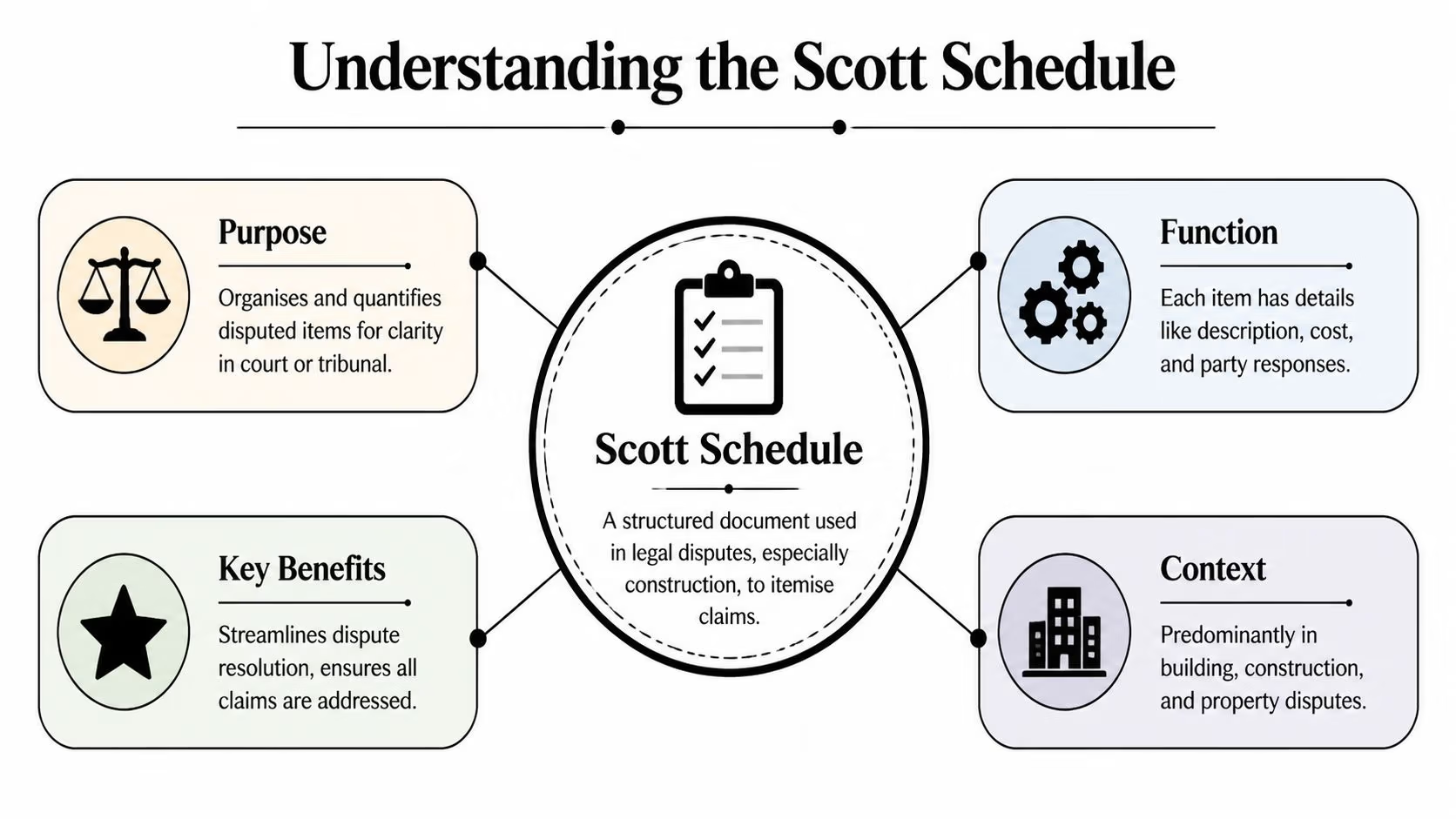
A Scott Schedule is best understood as a dispute balance sheet for building defects. It sets out each alleged defect or claim item in a structured table, then gives the other side room to respond item by item, with further columns often used for expert comments, costings, and the eventual decision-maker’s findings.
The format was originally developed by surveyor George Alexander Scott for building disputes, and in Australia it has become a standard procedural tool used as a structured travelling document between parties in construction matters, including defect claims and incomplete works, as noted by Designing Buildings on Scott Schedules. If you want a broader explanation of the format itself, see this NSW guide on what a Scott Schedule is in a building dispute.
Why the format matters
A defects report tells a story. A Scott Schedule breaks that story into decision-ready parts.
That distinction matters in real disputes. Once there are multiple complaints, variations, incomplete works, workmanship issues, and arguments over cost, the Tribunal doesn’t want a pile of correspondence and photos with no structure. It wants each issue isolated and answered.
Practical rule: If a claim can’t be reduced to a clear line item with a defect description, location, basis, and rectification cost, it usually isn’t ready for a Scott Schedule.
Who Can Prepare a Scott Schedule
Several professionals may contribute to a Scott Schedule, but they don’t all perform the same role. Often, a misunderstanding arises. They assume that because someone knows the project, that person should prepare the schedule. That’s rarely the sound approach in litigation.

Building consultants and expert witnesses
For most NSW matters, this is the main answer to who provides a Scott Schedule. In Australian building dispute contexts, Scott Schedules are commonly prepared by building surveyors, costs specialists, and expert witnesses rather than by the disputing parties themselves, with the professional role outlined in Kerin Benson Lawyers’ explanation of Scott Schedules.
A capable building consultant does three things at once:
- Identifies defects clearly by reference to workmanship, plans, standards, and observed conditions
- Frames each item for dispute resolution so the issue can be admitted, denied, or partially agreed
- Quantifies rectification in a way that can withstand challenge
This is why an expert witness Scott Schedule is usually stronger than one assembled from contractor quotes and emails.
Quantity surveyors
A quantity surveyor can be appropriate where the main contest is the cost of rectification rather than the existence or cause of the defect. They can be useful when the defect analysis is already settled and the remaining issue is quantum.
Their limitation is straightforward. If the dispute turns on whether an item is defective, non-compliant, incomplete, or caused by one trade rather than another, a QS alone usually isn’t enough. Costing without defect analysis leaves a hole in the evidence.
Engineers and other specialists
Some matters need specialist input. Structural cracking may need an engineer. Waterproofing failure may require a waterproofing expert. Services issues may call for hydraulic or electrical expertise.
In practice, these specialists often contribute to parts of the schedule rather than own the entire document.
Legal teams
Lawyers often coordinate the process, settle the wording of allegations, and make sure the pleading, expert report, and Scott Schedule align. But legal teams usually shouldn’t be the originating source of the technical content.
If you’re managing a large matter with a lot of evidence, tools for optimizing law student notes can also help junior legal staff organise interviews, conferences, and file notes before the expert finalises the schedule.
A Scott Schedule prepared without technical ownership tends to read like submissions, not evidence.
Who Is Best Qualified for NCAT-Ready Schedules
For NSW matters, the best-qualified provider is usually an independent building consultant with expert witness experience. Not just someone who knows building. Someone who knows defects, causation, scope, cost, evidence, and the discipline required to write for a Tribunal.
What to look for
The right provider should bring:
| Requirement | Why it matters |
|---|---|
| Independence | The schedule must read as evidence, not advocacy |
| Building experience | Defects have to be identified accurately and practically |
| Report writing experience | NCAT and court documents need structure, clarity, and discipline |
| Costing competence | Rectification figures must match the defect scope |
| Hearing readiness | The author may need to explain and defend each item |
The Royal Institution of Chartered Surveyors definition describes a Scott Schedule as a schedule usually prepared by a building surveyor, and that professional preparation is standard in Australian legal contexts because these documents often involve technical and complex knowledge, as explained in this discussion of who prepares a Scott Schedule.
What doesn’t work
These are the common mistakes:
- Using the builder who wants the job. That person may be able to quote the work, but may not present independent evidence.
- Using a consultant with no litigation background. They may know defects, but not how to structure a schedule for a contested proceeding.
- Letting the parties draft it themselves. The result is often argumentative, repetitive, and difficult for NCAT to use.
One practical option in NSW is Awesim Building Consultants, which prepares Scott Schedules, site investigations, and expert witness material for dispute matters.
A good provider also knows when to bring in another specialist rather than overreach.
The strongest Scott Schedule is usually the one written by the person most likely to stay credible under cross-examination.
Key Situations Requiring a Scott Schedule
You don’t need a Scott Schedule for every complaint. You need one when the dispute has moved beyond informal discussion and the issues must be organised for resolution.
Typical triggers
- NCAT proceedings. If the Tribunal directs a Scott Schedule for NCAT, the matter has reached the stage where itemised evidence is needed.
- Large defect claims. Multiple rooms, trades, or recurring workmanship complaints usually need a schedule.
- Strata matters. Common property disputes often involve enough separate items that a simple report becomes hard to manage.
- Pre-litigation negotiations. A properly organised schedule can narrow issues before hearing.
Practical signs you’re there
If you already have competing defect reports, several quotations, arguments about scope, or emails where parties keep talking past each other, the matter is ready for structure.
A schedule is also valuable where the rectification method is disputed. In those cases, it isn’t just about cost. It’s about pinning down what work is said to be necessary and why.
NCAT Requirements and Expert Witness Importance
In NSW, provider qualifications cease to be academic and begin to influence outcomes. Under the verified material for NCAT Procedural Direction 3 (2025), disputes often require Scott Schedules prepared by independent building consultants, and a 2023 analysis of NCAT matters found that expert-prepared schedules listing specific workmanship issues against the Home Building Act 1989 warranties could increase claimant success rates and reduce hearing times by up to 35%, as stated in the available reference on Scott Schedule use in NSW NCAT disputes.
Why expert preparation changes the case
An expert doesn’t just fill in columns. The expert connects each item to evidence, standards, observed conditions, and rectification logic. That’s what gives the schedule weight.
A solicitor already knows this problem. If the author can’t explain where the defect was observed, why it is defective, what standard or warranty is engaged, and how the cost was formed, the schedule becomes vulnerable.
What NCAT expects in practice
NCAT wants organised evidence that helps isolate the key issues. The Tribunal doesn’t benefit from inflated lists, vague wording, or generic complaints such as “poor workmanship throughout”.
A proper Scott Schedule for NCAT should let the decision-maker move item by item, compare positions, and understand the technical basis of the claim without guessing.
Key Questions About Scott Schedules Answered
What is a Scott Schedule?
A Scott Schedule is a structured table used in building disputes to set out each defect or claim item, the response to it, and often the associated rectification scope and cost.
Who prepares a Scott Schedule in NSW?
Usually an independent building consultant, building surveyor, costs specialist, or expert witness. For contested defect matters, a building consultant with expert witness experience is generally the most suitable provider.
Why is a Scott Schedule important in building disputes?
It turns a messy defect dispute into an itemised document the parties, solicitors, and Tribunal can work through properly. That saves time, narrows argument, and improves the quality of evidence.
If you need a court-ready or NCAT-ready Scott Schedule, get the document prepared by someone who understands both building work and dispute procedure. For a confidential discussion about a Scott Schedule, expert report, or defect investigation in NSW, contact Awesim Building Consultants by email at admin@awesim.com.au or call 1800 293 746.
Meta description: Who provides a Scott Schedule in NSW? Learn which professionals prepare NCAT-ready Scott Schedules and why expert building consultants matter.
Related Posts

Water Damage in Homes: How to Track Down the Source
Water damage in a home rarely announces itself at the source. A stain on the ceiling, a musty smell in
Read More »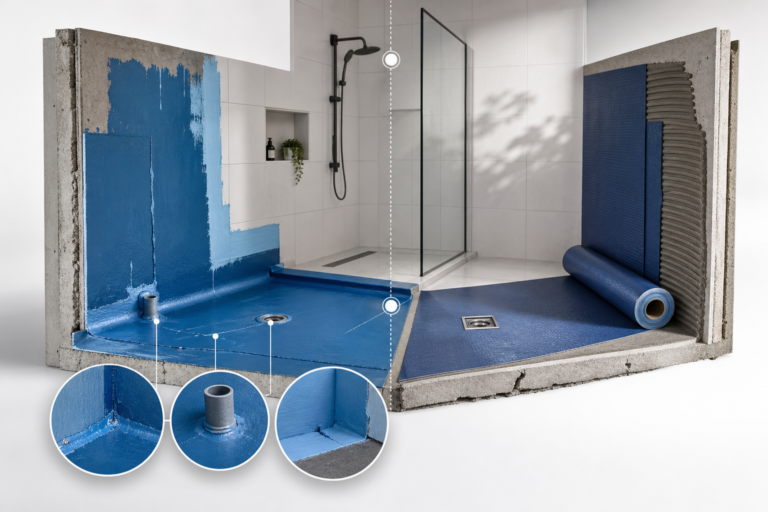
Waterproofing Membrane Types: Which Fails Most in NSW Bathrooms
Waterproofing failure is the single most common serious defect found in NSW apartments, and the type of membrane used, along
Read More »
Building Certifier NSW: Role, Limits, and When You Need More
A building certifier in NSW is a registered professional who issues construction certificates, conducts critical stage inspections, and grants occupation
Read More »