
A Homebuyer’s Guide to Sydney Building Inspections
Let’s be blunt: buying a property in Sydney is a massive financial commitment. A professional building inspection isn’t just a box to tick; it’s your single most important defence against buying a lemon. Think of it as a detailed health check for what is likely your biggest asset. It’s a non-negotiable step to make sure your dream home doesn’t turn into a money pit.
Why a Sydney Building Inspection is Non-Negotiable
Getting into the Sydney property market is a huge milestone, but the city’s mix of old and new buildings comes with its own set of challenges. You could be looking at a historic Paddington terrace with a century of hidden stories, or a modern apartment tower with its own potential for systemic issues. Every property has a history, and an inspection uncovers the chapters you simply can’t see—the ones that could end up costing you tens of thousands in surprise repairs.
Going in blind is a gamble you can’t afford to take. Without a professional set of eyes on the property, you could be inheriting a world of trouble, like:
- Structural Failings: We’re talking about the unseen stuff, like hairline cracks in the foundation that signal bigger problems, a sagging roof frame, or retaining walls quietly giving way.
- Water Ingress and Damp: This is a classic Sydney problem. It could be a slow, persistent leak, rising damp creeping up the walls, or hidden mould colonies that threaten the structure and your family’s health.
- Pest Infestations: Termites are the obvious culprits, but other pests like the Lyctus borer (Powder Post Beetle) can silently chew through timber frames and floorboards.
- Illegal Building Works: That shiny new extension or renovated bathroom might look great, but if it was done without approval and doesn’t meet Australian Standards, you’re the one left responsible for fixing it.
Protecting Your Financial Future
A pre-purchase building report is more than a simple list of defects. It’s your most powerful negotiation tool. Finding a major issue before you sign on the dotted line gives you serious leverage. You can go back to the seller and renegotiate the price, ask them to fix the problems, or if it’s bad enough, walk away from the deal altogether.
Skipping an inspection to save a few hundred dollars is a rookie mistake with massive consequences. The cost of a good report is nothing compared to the potential bill for fixing major structural issues, water damage, or a full-blown pest infestation down the track. It’s the ultimate due diligence.
This guide is here to give you the confidence to navigate the whole process. You’ll learn the difference between various inspection types, understand exactly what a good inspector looks for, and know how to pick a genuinely qualified expert. By investing in professional Sydney building inspections, you’re not just buying a report; you’re protecting your finances, your legal position, and your peace of mind in one of the toughest property markets in Australia. This isn’t just about dodging a bad deal—it’s about making a smart, secure investment.
Decoding the Types of Sydney Building Inspections
Trying to choose the right building inspection can feel like you’re wading through a swamp of industry jargon. Terms like “dilapidation” and “defect” get thrown around, but what do they actually mean for your property? Getting a handle on the specific purpose of each inspection is your first line of defence in protecting your investment, whether you’re buying, building, or managing a property here in Sydney.
Think of it like this: you wouldn’t go to a heart surgeon for a rolled ankle. It’s the same with building inspections. The report you need when you’re about to buy a house is worlds away from the one you’d commission for a legal stoush with a builder. Each type is a specialised tool designed for a very specific job.
For property buyers, the path forward often looks something like this visual guide, showing just where an inspection fits into the bigger picture.

As you can see, the inspection isn’t just a box to tick—it’s a critical risk-management checkpoint between finding a place you love and signing on the dotted line.
The Pre-Purchase Building Inspection
This is the one most people are familiar with. A pre-purchase inspection is an absolute must for anyone buying property in Sydney. Its entire purpose is to give you a clear, unbiased snapshot of the building’s condition before you’re legally locked in. A qualified inspector will go over the property with a fine-tooth comb, looking for significant defects, safety hazards, and any areas crying out for major repairs.
This report is your best friend during the due diligence phase. It’s what uncovers hidden nasties like structural cracking, rising damp, a failing roof, or even pest-related issues like the Lyctus borer, which loves to chew through certain hardwoods. Armed with that knowledge, you can make a truly informed decision—whether that means negotiating a better price, asking the seller to fix things, or walking away from a potential money pit. To really get into the nitty-gritty, check out our detailed guide on pre-purchase building inspections.
The Defect Inspection Report
Now, this one is different. A defect inspection isn’t for buyers; it’s for current property owners who have recently finished a new build or a major renovation. The goal here is to identify and formally document any work that’s incomplete, shoddy, or simply doesn’t meet the standards laid out in your building contract and the National Construction Code.
This report is your ammunition in a dispute with a builder. It gives you a formal, evidence-based list of every problem, from minor cosmetic blemishes to serious structural faults that need to be rectified. It’s often the first official step you need to take before you can escalate a complaint to NSW Fair Trading or the NSW Civil and Administrative Tribunal (NCAT).
The Dilapidation Report
A dilapidation report is all about being proactive, not reactive. You get one of these before any major construction, excavation, or demolition work kicks off on a neighbouring property.
Picture this: a developer is about to start digging a massive basement right next door. A dilapidation survey meticulously records the current state of your property—every existing crack, every minor imperfection, everything. If that new construction work ends up causing damage to your home, this report acts as the definitive “before” photo. It provides irrefutable proof of the impact, making it the foundation of any claim for compensation. It’s a vital safeguard for anyone living near a development site.
The Expert Witness Report
When a building dispute gets serious and ends up in a formal legal setting like NCAT or the courts, you’ll need an Expert Witness Report. This is the heavyweight champion of inspection reports—the most specialised and rigorous type you can get.
An Expert Witness Report is far more than just an opinion. It’s a forensic analysis of building defects, prepared in strict compliance with the rules of the court or tribunal. The inspector isn’t on anyone’s side; they act as an impartial expert, providing a detailed assessment that helps the judge or tribunal member understand the technical side of the case.
These reports are only ever prepared by highly experienced building consultants who live and breathe building codes, Australian Standards, and legal procedures. They will often include what’s known as a Scott Schedule—a formal document that methodically lists each alleged defect, the builder’s response, and the expert’s professional conclusion. It’s a cornerstone of any serious building litigation.
To help you figure out which service is right for you, here’s a quick-reference table.
Choosing The Right Sydney Building Inspection
| Inspection Type | Primary Purpose | Who Needs It | When It’s Needed |
|---|---|---|---|
| Pre-Purchase Inspection | To assess a property’s condition before buying. | Prospective property buyers. | Before signing the contract of sale or during the cooling-off period. |
| Defect Inspection | To document incomplete or faulty work after construction. | New homeowners or renovators in a dispute with their builder. | At handover, during the warranty period, or when a dispute arises. |
| Dilapidation Report | To record a property’s condition before nearby construction starts. | Property owners adjacent to a construction or demolition site. | Before any excavation or construction work begins on the neighbouring property. |
| Expert Witness Report | To provide impartial, expert evidence for a legal case. | Homeowners or builders involved in a formal legal dispute (NCAT/Court). | When a building dispute escalates to legal proceedings. |
This table should give you a clear starting point. Each inspection serves a unique and critical function, so matching the report to your specific situation is the key to getting the right outcome.
What Inspectors Really Look For in a Sydney Property
When a qualified inspector steps onto a Sydney property, they’re not just looking for a bit of chipped paint or a leaky tap. Think of it more like a top-to-bottom investigation, a methodical search for the red flags that separate a minor cosmetic issue from a major, wallet-draining defect. It’s a systematic process that treats the home as an interconnected system, where a problem in one area can easily signal a much bigger headache somewhere else.

This is far more than a quick walkthrough. A professional handling Sydney building inspections follows a strict methodology, often guided by Australian Standards, to make sure nothing critical gets missed. They’ll usually work from the outside in and the top down, assessing every single accessible part of the property for any evidence of failure, decay, or dodgy workmanship.
The Exterior Shell and Site Assessment
An inspector’s work actually begins before they even set foot inside. The first look at the property’s exterior and the site itself provides a heap of crucial context about how the building is coping with its environment.
Here’s what they’re zeroing in on:
- Drainage and Grading: Poor surface water management is probably the number one cause of major defects in Sydney homes. The inspector will check if the ground slopes away from the foundations, if downpipes are discharging water well away from the house, and if the drains are clear and working as they should.
- Retaining Walls and Fences: The state of any retaining walls is a massive safety and financial concern. Inspectors hunt for signs of bulging, cracking, or leaning—all classic indicators of structural failure and a seriously expensive fix.
- Paths, Driveways, and Paving: Big cracks or sinking sections in concrete or paving can point to underlying soil movement or subsidence, which could also be affecting the main building’s foundations.
This whole external check-up sets the stage for what they might uncover inside. For instance, if they see water pooling against an external wall, you can bet they’ll be on high alert for dampness and mould in the rooms on the other side.
The Roof System and Structure
From the ground, the inspector’s attention moves up to the roof—the building’s main line of defence against the elements. A failing roof can lead to absolute catastrophe inside, so this is always a high-priority area.
They’ll be meticulously checking for:
- Roofing Material Condition: This means looking for cracked or broken tiles, rusted or lifting metal sheets, and any deteriorated pointing on the ridge caps. Each one is a potential doorway for water.
- Gutters and Downpipes: Blocked, rusted, or poorly installed gutters are a classic culprit for water damage. They can cause water to overflow back into the roof space or pour down the external walls.
- Flashings and Penetrations: The seals around chimneys, vents, and skylights are notorious weak points. A good inspector will scrutinise these flashings for any sign of decay or a botched installation job.
The investigation then moves into the roof void. Up here, they’re looking at the structural timber frame, checking for sagging rafters, props, and any tell-tale water stains on the underside of the roof sheeting or ceiling joists. This is also a prime spot to find evidence of pests.
While termites are the timber pest everyone fears, inspectors are also on the lookout for others like the Lyctus borer, often called the Powder Post Beetle. This pest attacks the sapwood of certain hardwoods. While it might not cause a huge beam to collapse, it can seriously weaken smaller timbers like your tiling battens.
The Interior and Wet Areas
Once inside the home, the focus shifts to structural integrity and how the critical areas are performing, especially those that deal with water. The inspector will sight along walls to check for straightness, scan ceilings for any sagging, and open and close windows and doors to make sure they function properly.
Wet areas like bathrooms, laundries, and kitchens get some serious extra attention. This is because they have such a high risk of water-related defects. An inspector will pull out tools like a moisture meter to detect hidden leaks behind walls or under floors. They are specifically hunting for failures in waterproofing membranes—an incredibly common and costly defect in Sydney properties.
To make sure you’re across all the key areas, it’s a great idea to review a comprehensive building inspection checklist so you know what a thorough job looks like.
The Sub-Floor and Foundations
Finally, the inspection goes underneath the surface into the sub-floor space. This dark, often cramped area, holds some of the most vital clues about the building’s overall health. It’s where the inspector gets a direct view of the foundations, bearers, joists, and plumbing.
Key concerns down in the sub-floor include:
- Ventilation: A lack of decent ventilation is a massive problem. It traps moisture and creates the perfect five-star resort for timber rot and termites.
- Piers and Stumps: The inspector will check for crumbling mortar in brick piers or decay in timber stumps, which are doing the heavy lifting of supporting the house.
- Leaks: This is the best spot to identify slow leaks from the bathrooms and kitchen directly above.
- Termite Barriers: Where they are visible, the condition of any physical or chemical termite barriers will be carefully assessed.
By methodically working through these zones, an inspector builds a complete, 360-degree picture of the property’s condition. They don’t just find the symptoms; they find the root causes. This is exactly what makes a professional building inspection such an indispensable tool for anyone buying property in Sydney.
Understanding Your Report and NSW Legal Standards
Getting your hands on a building inspection report is a pivotal moment. It’s so much more than just a list of problems; think of it as a powerful tool designed to protect you in the complex Sydney property market. The findings in that document can give you serious leverage for negotiation, form the basis of a warranty claim, or even become the crucial evidence you need in a formal dispute.
But to really make it work for you, you need to understand the world it operates in. Professional Sydney building inspections aren’t just a matter of opinion. They’re guided by strict Australian Standards, with AS 4349.1 being the key one for pre-purchase inspections. This standard sets a clear baseline for what needs to be checked, ensuring a consistent and thorough job every time. It gives you confidence that the report is a credible, objective look at the property’s real condition.
It’s this adherence to official standards that gives the report its authority. It turns what could be seen as subjective comments into objective, evidence-based findings that builders, sellers, and legal bodies like NCAT have to take seriously.
From Report Findings to Real-World Action
Once you have that report, the real work starts. The defects it flags—whether they’re major or minor—open up a range of strategic options. You’re no longer guessing or going on a hunch; you have a documented, professional assessment right in front of you.
This empowers you to confidently take steps like:
- Negotiate the Purchase Price: A report highlighting a leaky roof or issues with the foundation gives you a rock-solid reason to ask for a price reduction to cover the cost of repairs.
- Request Pre-Settlement Repairs: You can make your purchase conditional on the seller fixing specific problems identified in the report before you finalise the sale.
- Rescind the Offer: If the inspection uncovers defects that are just too big, too expensive, or too much of a headache, you may have the right to legally walk away from the contract during the cooling-off period, potentially saving you from a financial nightmare.
Essentially, the report shifts the balance of power back to you. It arms you with facts, letting you make clear-headed decisions instead of emotional ones.
The Report as Evidence in Legal Disputes
When it comes to building disputes, especially with new homes or renovations, your inspection report becomes even more vital. It’s the foundational evidence you’ll need if you have to escalate an issue to a body like the NSW Civil and Administrative Tribunal (NCAT). A well-prepared report, particularly from a seasoned building consultant, will meticulously document every single defect, reference the specific building codes or standards that have been breached, and back it all up with clear photos.
A strong report for a legal dispute does more than just list problems. It explains why something is a defect, linking it directly back to the National Construction Code or a manufacturer’s installation guide. This is the level of detail that makes a difference in a successful NCAT claim.
The need for this kind of rigorous, standards-based inspection has never been greater. Sydney’s construction boom has, unfortunately, brought a surge in reported defects. A 2023 industry analysis found that a staggering 53% of apartments registered between 2016 and 2022 had at least one serious defect. This has pushed NSW to bring in tougher audits on residential projects. You can learn more about how Sydney’s development boom has impacted NSW building standards.
This climate really highlights why having a robust, defensible report is so important. Whether you’re making a claim against a builder’s warranty or arguing your case at NCAT, the quality of your documentation is everything. For particularly complex disputes, getting an independent building inspection from a consultant who specialises in expert witness reports can be a game-changer. They ensure your evidence is presented clearly, professionally, and is ready for legal scrutiny, ultimately protecting what is likely your biggest investment.
How to Choose a Qualified Building Inspector in Sydney

Let’s be blunt: the building inspection report you receive is only as good as the person who wrote it. The inspector’s expertise, sharp eye, and impartiality make all the difference. Choosing the right one isn’t just a box to tick; it’s the most critical decision you’ll make in this entire process.
A great inspector gives you clarity and the confidence to move forward. A poor one? They can leave you completely exposed, facing tens or even hundreds of thousands of dollars in unexpected repairs.
Think of it like hiring a specialist surgeon. You wouldn’t pick one based on a cheap price or a slick website. You’d dig into their credentials, their track record with your specific procedure, and you’d absolutely make sure they were properly insured. You need to bring that same level of scrutiny when you’re looking for an expert for Sydney building inspections.
Verifying Credentials and Insurance
Before you even start talking about the property, your first move is to check the basics. A legitimate building inspector in NSW must be properly licensed and carry the right insurance. Don’t just take their word for it—ask to see the documents.
Here’s your non-negotiable checklist:
- A valid builder’s licence: This is the baseline. It proves they have foundational knowledge of how buildings are actually put together.
- Professional Indemnity Insurance: This is crucial. It protects you if the inspector misses something significant in their report that ends up costing you a fortune to fix.
- Public Liability Insurance: This covers any accidental damage to the property that might happen while they’re on-site.
If they can’t produce these, walk away. You’re dealing with an amateur, and all the risk lands squarely on your shoulders.
Experience with Specific Property Types
Sydney’s property market is a mixed bag. The problems you’ll find in a Federation-era terrace in the Inner West are worlds away from the defects that pop up in a new high-rise apartment in Parramatta. Your inspector’s experience must match the type of property you’re looking at.
A great inspector is a specialist, not a generalist. They know the common failure points for certain architectural styles and construction eras. That deep knowledge allows them to spot the subtle red flags that others would walk right past.
When you’re talking to potential inspectors, ask them directly about their experience with:
- Strata and apartment buildings
- Heritage or older properties
- Freestanding homes with sub-floors
- Newly constructed buildings
An inspector who has seen it all before is going to give you a much more insightful report. While the specifics matter, some general advice on how to find the right professional for your home needs can be a good starting point to help you frame your questions.
The Hallmarks of a High-Quality Report
The report is what you’re paying for, and its quality tells you everything you need to know about the inspector’s professionalism. A good report isn’t a vague, jargon-heavy document designed to confuse you. It’s a clear, actionable guide packed with proof. Always ask to see a sample report and look for these key things:
- High-Resolution Photos: Every single defect, big or small, should be clearly photographed. No excuses.
- Specific Recommendations: It’s not enough to just point out a problem. The report needs to explain why it’s a problem and what the next step is (e.g., “Cracking to exterior brickwork requires further investigation by a structural engineer”).
- Clear Language: The findings must be written in plain English that you can actually understand.
This level of detail is exactly what you need. After all, you’re not just buying a piece of paper; you’re investing in professional expertise. By taking the time to carefully choose from experienced and qualified building consultants near me, you can be confident the advice you get is reliable, unbiased, and gives you the protection you need in Sydney’s tough property market.
Right, let’s talk numbers. When you’re planning a property purchase in Sydney, the cost of a building inspection is one line item you absolutely cannot afford to skip. Getting a handle on the typical costs and timelines for Sydney building inspections will help you budget properly and avoid any nasty last-minute surprises.
It’s easy to see this fee as just another expense, but that’s the wrong way to look at it. Think of it as a small but crucial investment in your financial future. A few hundred dollars today could save you from discovering hidden defects that cost tens of thousands to fix down the track—the kind of problems that can turn a dream home into a money pit.
What Does a Sydney Building Inspection Actually Cost?
There’s no single price tag for a building inspection in Sydney. The final cost really depends on the property itself—its size, age, type, and overall complexity. It makes sense, right? A sprawling heritage home on the North Shore will demand a lot more time and scrutiny than a brand-new, one-bedroom apartment in the CBD, and the fee will reflect that.
That said, prices generally fall into a fairly predictable range:
- Apartments and Units: For smaller properties, a building-only inspection is a popular and affordable option.
- Standard Houses: A typical three-bedroom home will sit somewhere in the mid-range.
- Combined Inspections: This is often the best-value choice. Bundling a building and pest inspection gives you a complete, holistic view of the property’s condition.
To give you a ballpark idea, by 2025, a standard house inspection was often landing somewhere between $450 and $650. If you opted for a combined building and pest report, you’d be looking at something closer to $550–$850. For apartments, building-only reports were typically in the $350 to $550 range. You can get a more detailed breakdown of Australian building inspection costs on justinspections.com.au.
Think of the inspection fee as an insurance policy against the unknown. It’s a calculated investment that gives you the critical information you need to either move forward with confidence, negotiate a better price, or walk away from a potential disaster.
How Long Does It All Take? From Booking to Report
The whole process is surprisingly quick and efficient. Once you’ve booked your inspector, the on-site visit itself usually takes between 90 minutes and three hours. Of course, this all depends on the property’s size and what the inspector uncovers along the way.
And you won’t be left hanging around afterwards. Most professional inspectors will get a detailed written report—packed with photos and clear, no-nonsense explanations—over to you within 24 to 48 hours. This fast turnaround is absolutely vital, especially when you’re up against a tight cooling-off period and need to make big decisions fast.
A Few Common Questions About Sydney Building Inspections
When you’re navigating the property market, questions are inevitable. And when it comes to something as vital as a building inspection, you need clear, no-nonsense answers. Let’s tackle some of the most common queries we hear about Sydney building inspections to give you the confidence to move forward.
Can a Property Actually Fail a Building Inspection?
This is probably the biggest misconception out there. A building inspection isn’t a pass-or-fail exam for a house. It’s an objective, professional assessment of the property’s condition at that specific moment in time.
Think of it less like a report card and more like a detailed health check. The inspector’s job is to identify significant defects, safety issues, and anything that needs urgent attention. The final report is a factual list of findings, giving you the full picture to make an informed decision about your potential investment.
Who Is Supposed to Organise the Inspection?
The buyer. Always. You should be the one to organise and pay for your own independent pre-purchase inspection. It’s a huge risk to rely on a report handed to you by the seller or their real estate agent, as it’s a clear conflict of interest.
When you hire an inspector, they work for you and only you. Their loyalty is to you, and their duty is to provide an impartial, honest assessment. This ensures you have all the facts on your side before you sign anything.
What Is a Lyctus Borer and Should I Panic?
The Lyctus borer, often called the Powder Post Beetle, is a pest that likes to attack the sapwood of certain hardwoods. It sounds alarming, but it’s generally not a cause for major structural panic.
Building standards in Australia actually limit the amount of susceptible sapwood used in larger structural timbers, like your floor bearers and joists. So, while an infestation might be noted in smaller timbers (like tiling battens, which could fail if infested), it’s not the same kind of threat as termites. A thorough report will always note its presence, but it rarely points to a catastrophic failure.
What Happens if the Inspector Can’t Get into a Certain Area?
An inspector can only report on what they can safely and reasonably access on the day. If a room is locked, a manhole has been painted shut, or the sub-floor space is just too tight to crawl into, they can’t inspect it.
This will be clearly marked in the report as an ‘access limitation’.
It’s absolutely critical that you pay attention to these limitations. A serious defect could easily be hiding in that uninspected area. The report will almost always recommend that you arrange for full access and have the inspector come back for a follow-up look before you proceed.
When you’re dealing with building defects or a formal dispute, a standard inspection report just won’t cut it. You need deep, evidence-based expertise. At Awesim Building Consultants, we deliver independent, NCAT-compliant Expert Witness Reports backed by over 35 years of hands-on construction experience. Protect your investment with advice you can actually trust. Learn more at https://www.awesim.com.au.

Related Posts
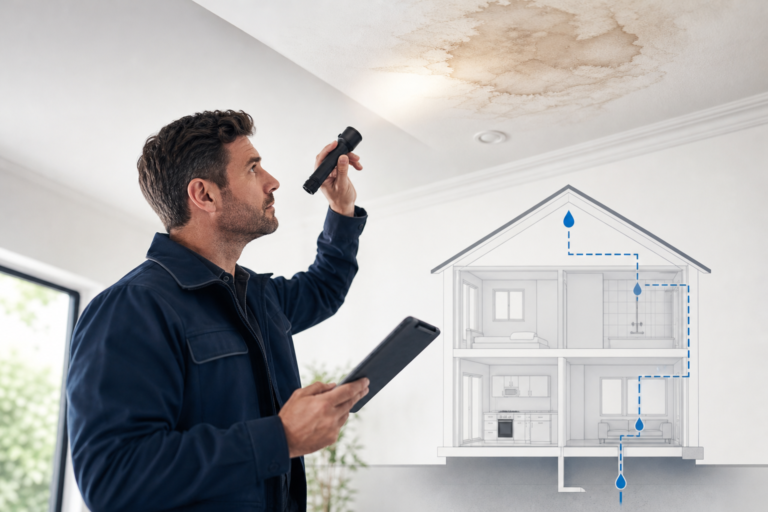
Water Damage in Homes: How to Track Down the Source
Water damage in a home rarely announces itself at the source. A stain on the ceiling, a musty smell in
Read More »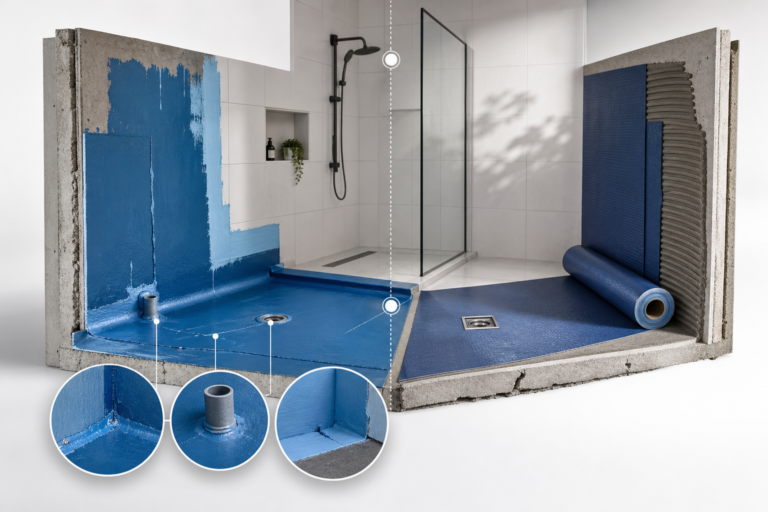
Waterproofing Membrane Types: Which Fails Most in NSW Bathrooms
Waterproofing failure is the single most common serious defect found in NSW apartments, and the type of membrane used, along
Read More »
Building Certifier NSW: Role, Limits, and When You Need More
A building certifier in NSW is a registered professional who issues construction certificates, conducts critical stage inspections, and grants occupation
Read More »