
Building Contract Review: Protecting Yourself Before You Build
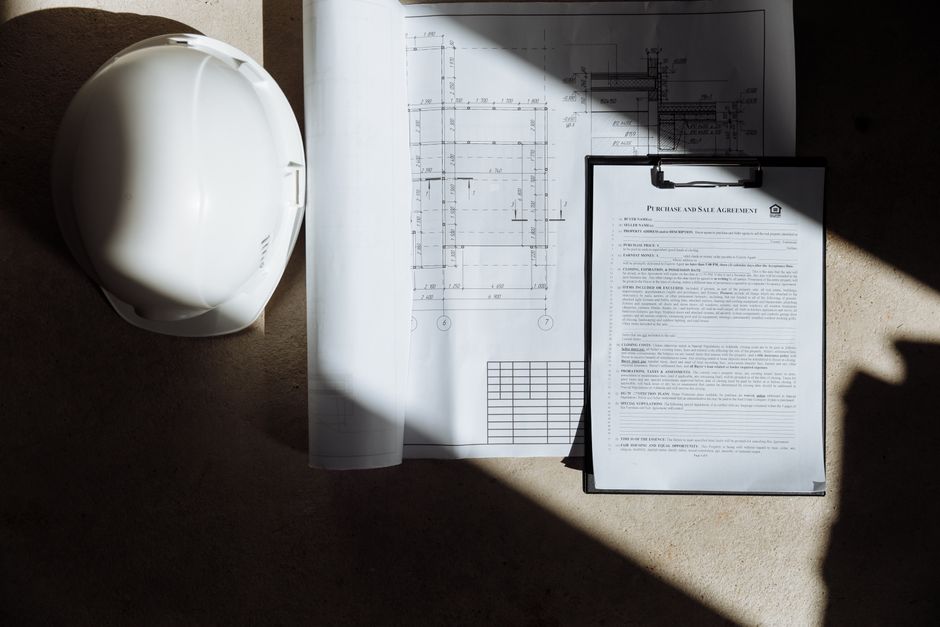
Before you sign a building contract, do you truly understand all the clauses and terms? A building contract can run dozens of pages and contain language that is difficult to interpret without specialist knowledge. Taking the time to have the contract reviewed by someone with the right experience can save you from costly disputes, delays, and defects later.
Why a Building Contract Review Matters
Building contracts are legally binding agreements that set out the rights and obligations of both you and your builder. A review by a qualified professional helps you spot unclear terms, unbalanced risk allocation, and missing protections. Whether you are a homeowner engaging a builder or a builder entering a subcontract agreement, a proper review gives you a clearer picture of what you are agreeing to and helps you negotiate better terms before work begins.
In New South Wales, a home building contract is required for any work over $20,000. That contract must include prescribed warranties, a progress payment schedule, a termination clause, a checklist of 14 items, a statement about the five-business-day cooling-off period, and a clause about the Home Building Compensation Scheme insurance certificate. Missing any of these elements can leave you exposed. A contract review verifies that these legal requirements have been met.
What a Building Contract Review Covers
A thorough review typically examines several key areas. According to Master Builders Queensland, their members’ legal review covers:
- Scope of works
- Payment terms
- Changes and variations
- Risk allocation
- Compliance with relevant legislation
- Dispute resolution procedures
- Termination clauses
- Security and retention
- Force majeure
- Subcontract agreements
Similarly, Burgess Thomson, a law firm providing contract review services, looks at scope of work, cost and payment terms, timeframes and delays, dispute resolution, and liability and warranties. These areas cover the most common sources of disagreement between homeowners and builders.
Major domestic building contracts consist of three main parts: the Conditions of Contract (often based on HIA or Master Builders conditions), the Specification, and the Plans. The order of precedence is typically contract conditions first, then specifications, then plans. A reviewer will check that this order is correctly stated and that there are no contradictions between the documents.
Common Pitfalls in Building Contracts
Experienced reviewers see the same problems again and again. Common pitfalls include:
- Unclear or incomplete specifications that leave room for disputes about materials and finishes
- Ambiguous payment terms that do not tie progress payments to actual milestones achieved
- Lack of clear delay provisions that leave you without recourse if the builder runs late
- Unbalanced risk allocation that places too much responsibility on one party
Identifying these issues before you sign gives you the opportunity to ask for changes. Even small adjustments to the wording can prevent significant disagreements during construction.
Who Can Review Your Building Contract: Lawyer vs Building Expert
Many people assume a solicitor is the only person to review a building contract. However, the choice is not that simple. A lawyer or solicitor can provide valuable legal perspective, but they may have limited construction knowledge, such as reviewing drawings and surveys. A building expert, a registered building practitioner, can review the contract from a practical building standpoint, checking that the scope of works matches the plans and that the specifications are complete and achievable.
There is also a practical difference regarding cooling-off periods. In Victoria, most domestic building contracts include a cooling-off period of five business days. That cooling-off period is void if you obtain legal advice before executing the contract. However, a review by a building expert (rather than a lawyer) preserves the cooling-off period in Victoria. This means you can have the contract checked by a building consultant and still change your mind within five days without penalty. For the best protection, some homeowners and builders choose to have both a legal review and a building expert review.
Key Requirements for a NSW Home Building Contract
In New South Wales, the Home Building Act sets out specific requirements for contracts over $20,000. Your contract must include:
- Prescribed statutory warranties
- A progress payment schedule
- A termination clause
- A checklist of 14 required items
- A statement about the five-business-day cooling-off period
- A clause regarding the Home Building Compensation Scheme insurance certificate where the contract value exceeds $20,000
A building contract review can confirm that all these elements are present and correctly worded. If any are missing, the contract may not be enforceable, and you could face difficulties if a dispute arises. It is wise to have your contract checked before work starts, rather than discovering problems later.

Cooling-Off Periods in Victoria and NSW
Cooling-off periods give you a short window to change your mind after signing. In Victoria, most domestic building contracts include a cooling-off period of five business days. However, as noted, this right is void if legal advice has been obtained prior to executing the contract. In NSW, the cooling-off period is also five business days and must be stated in the contract. A contract review will alert you to these timeframes and help you understand your rights.
If you are a homeowner who wants to preserve the cooling-off period, having a building expert review the contract instead of a lawyer can be the better option. Always check the specific laws in your state or territory, as regulations vary.
Building Contract Legislation Updates in Western Australia
Western Australia is currently reviewing its home building contract legislation. The review covers the Home Building Contracts Act 1991 (except Part 3A) and parts of the Building Services Act 2011. The review is being led by Parliamentary Secretary Hon Dan Caddy MLC. The stages are:
- Release of terms of reference, July 2025
- Inquiry consultation, August to September 2025
- Discussion paper release, May to June 2026
- Analysis of feedback, June to August 2026
- Final recommendations report, due September 2026
This review may lead to changes in contract requirements in WA. Homeowners and builders in Western Australia should stay informed about any updates and continue to have their contracts reviewed under the current laws until new regulations take effect.

How to Get a Building Contract Review
Several types of professionals offer building contract reviews. Master Builders Queensland provides a review service to its members at a pre-agreed capped price. Burgess Thomson, a law firm, provides legal reviews by solicitors. Building consultancies like those offering expert witness and dispute resolution services also often review contracts from a practical building perspective.
When choosing a reviewer, consider what you need most. If you are concerned about legal compliance and fine print, a solicitor with construction law experience may be best. If you need to confirm that the scope of works matches the plans and that the specifications are workable, a building expert or a registered building practitioner is the better choice. Some people engage both to get complete coverage.
Before engaging a reviewer, ask what areas they will cover, whether they will provide a written report, and how long the review will take. Most reviews can be completed within a few business days, allowing you to proceed with confidence.
Frequently Asked Questions
Can ChatGPT review a building contract?
We do not have evidence that ChatGPT or any AI tool is suitable for reviewing a building contract. Building contracts involve complex legal and technical terms, and any errors in interpretation could have serious consequences. It is safest to rely on a qualified building expert or a solicitor with construction law experience.
How long does a building contract review take?
The time required depends on the complexity of the contract and the reviewer’s workload. Many reviews are completed within a few business days. Ask the reviewer for an estimated turnaround time before you engage their services. For urgent projects, some providers can expedite the review.
How much does a building contract review cost?
Costs vary depending on the provider and the scope of the review. Master Builders Queensland offers a pre-agreed capped price for its members, but no specific dollar amount is publicly available. Other providers may charge a flat fee or an hourly rate. Contact several reviewers to obtain a quote before committing.
Do I need a contract review if I am using an HIA or Master Builders standard contract?
Even standard contracts can contain project-specific additions or deletions that shift risk. A review checks that the customisations are fair and that the contract as a whole complies with current legislation in your state. It is still worthwhile to have the document reviewed by a professional.
Having your building contract reviewed before you sign is one of the most effective steps you can take to protect yourself from disputes, delays, and unexpected costs. Whether you choose a lawyer, a building expert, or both, the investment in a review can save you significant time and money in the long run. If you are planning a building project in Australia, make contract review a priority in your preparation.

Related Posts
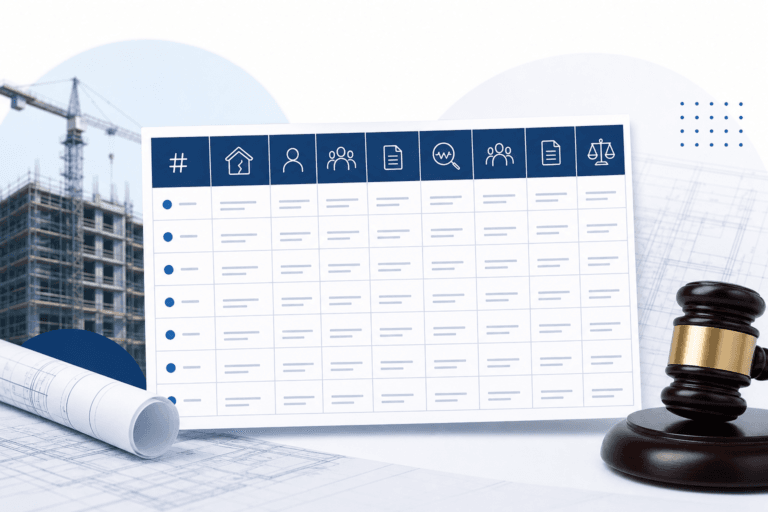
Scott Schedule Template: What Columns a NSW Claim Needs
What Is a Scott Schedule? Why the Column Structure Matters The Core Columns in a NSW Scott Schedule Template Column
Read More »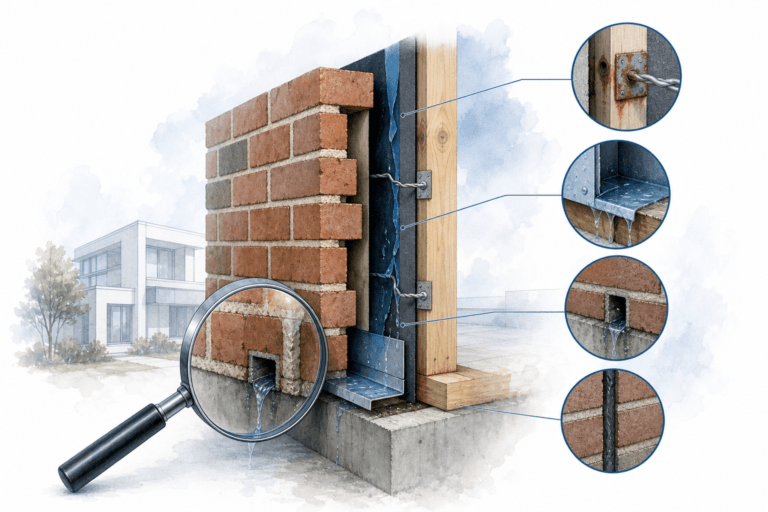
Brick Veneer Construction Defects: A Site Inspector’s View
What Brick Veneer Construction Actually Is The Most Common Brick Veneer Construction Defects Cracking in the Brickwork Missing or Blocked
Read More »
Liquidated Damages in Construction: How NSW Contracts Work
What Are Liquidated Damages in Construction? Why Contracts Use Them How Liquidated Damages Work in NSW Building Contracts Standard Contracts
Read More »