
NCAT Expert Witness Code of Conduct: A Practical Guide
If you’re already in an NCAT building dispute, you’re probably dealing with two pressures at once. You need a report that explains the defects properly, and you need that report to survive scrutiny once the other side and the Tribunal start pulling it apart.
That’s where the ncat expert witness code of conduct matters. It isn’t a formality added at the end of the job. It shapes who should inspect the property, how the evidence should be gathered, how opinions should be expressed, and how a Scott Schedule should be prepared if the matter moves in that direction.
In practice, most report failures don’t come from spelling mistakes or layout issues. They come from deeper problems. The expert takes sides. The report skips the reasoning. Photographs are included without tying them to a finding. Assumptions are buried instead of stated. A schedule lists rectification items but doesn’t show the basis for them. Once that happens, the report becomes vulnerable.
The Code exists to stop that. It requires an expert to assist NCAT, not to advocate for the party who engaged them. It also gives lawyers, owners and builders a practical standard to test whether an expert report is worth filing at all.
Navigating Your Building Dispute An Introduction to the Code
A common situation looks like this. A homeowner has water ingress, cracking, movement, poor finishes, incomplete work, or a dispute over scope and rectification. A builder says the work is compliant, or says the alleged defects are maintenance issues, wear and tear, or caused by others. The solicitor then asks for an expert report suitable for NCAT.
At that point, many parties focus only on the technical issue. Is the waterproofing compliant? Is the slab movement significant? Are the windows installed properly? Those questions matter, but the Tribunal also looks closely at how the opinion was formed.
The NCAT Expert Witness Code of Conduct sits under Procedural Direction 3. It was significantly revised on 23 February 2018, and a further update on 11 September 2024 refined requirements for reports and joint conclaves, which directly affects how expert evidence is prepared and presented in NSW building disputes, as outlined in this discussion of NCAT’s revised expert evidence rules.
Why the Code matters in a real dispute
The practical point is simple. NCAT needs help from someone with specialised knowledge, but it only wants that help if the opinion is independent and useful. If the report reads like a party submission dressed up as expert evidence, its value drops quickly.
That’s why the Code matters to all sides:
- Homeowners need a report that doesn’t overstate the case and then collapse under challenge.
- Builders need an expert who can separate genuine defects from exaggerated claims.
- Lawyers need evidence that can be relied on in directions, negotiations, joint conferences, and hearing.
- Strata managers and insurers need a report trail that is organised, clear and defensible.
Practical rule: A technically correct opinion can still fail if the report doesn’t show independence, methodology and reasoning.
What usually works and what doesn’t
Reports usually work when the expert starts with observed facts, identifies the relevant standards or workmanship issues, explains the investigation method, and then draws a measured conclusion.
Reports usually fail when they jump straight to blame.
That distinction sounds obvious, but it changes everything on the ground. It affects what gets photographed, what gets measured, how site notes are kept, whether destructive inspection is needed, and how each defect item is described in a schedule. After many years assisting with litigation support, that’s the gap that causes most trouble. Not the existence of defects, but the quality of the path taken to prove them.
The Expert’s Overriding Duty to the Tribunal
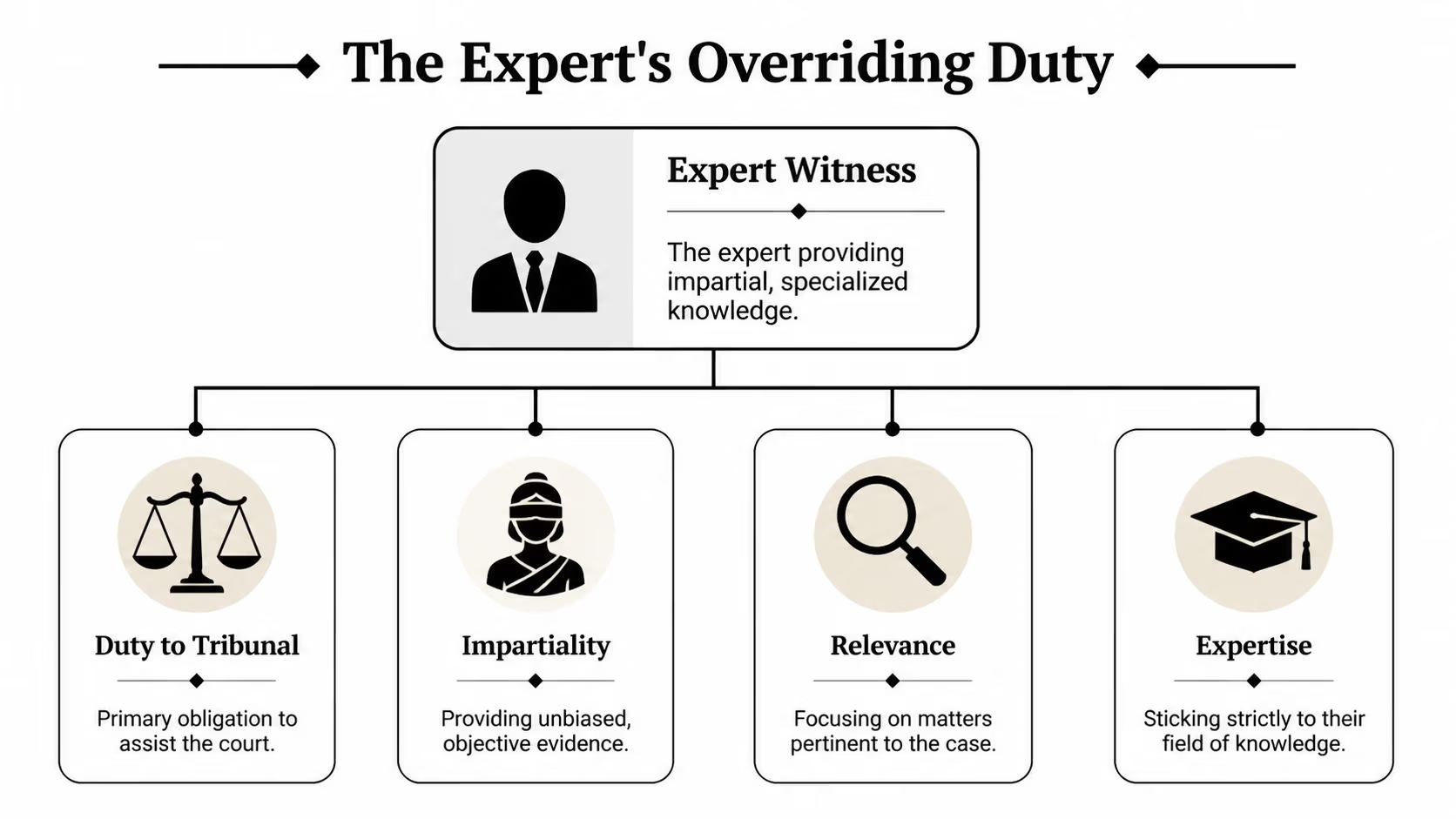
The central rule is that the expert’s duty is to NCAT, not to the person paying the invoice. If that sounds uncomfortable, it should. Many parties engage an expert expecting support. What NCAT requires is assistance.
Independence is not a slogan
An independent expert doesn’t start with the answer and then look for material to support it. They inspect, review, test where needed, and form an opinion from the evidence available. If the evidence is mixed, the report needs to say so. If there are limitations, they need to be stated plainly.
That approach can frustrate clients who want certainty early. But in an NCAT matter, a measured report usually carries more weight than an aggressive one. A report that admits uncertainty in one area often becomes more persuasive in the areas where the evidence is strong.
Impartiality changes the tone of the report
The Code requires the expert to avoid advocacy. In practical terms, that means the report should not read like submissions from a barrister or a letter of complaint from an owner.
Signs that an expert has drifted into advocacy include:
- Loaded language such as alleging dishonesty or bad faith without a proper factual basis.
- Selective evidence use where inconvenient site conditions, maintenance issues, or third-party work are ignored.
- One-sided framing where every defect is described in the strongest possible terms regardless of severity.
- Legal conclusions that go beyond technical expertise.
An expert can say workmanship is non-compliant, incomplete, defective, or inconsistent with the observed condition and applicable benchmark. What they shouldn’t do is become the party’s mouthpiece.
The Tribunal is usually more interested in the path to the opinion than the confidence with which it is delivered.
Relevance and expertise are narrower than most people think
A good expert stays inside their lane. A building consultant may comment on workmanship, scope, visible conditions, sequencing, and common building practice within their expertise. A structural engineer may deal with structural mechanism and performance. A quantity surveyor may deal with costing. Problems start when one discipline tries to decide everything.
This is also why a report should separate:
- Observed facts from inspection
- Assumptions made because some areas weren’t accessible
- Expert opinion based on those facts and assumptions
- Limits of expertise where another specialist may be needed
For lawyers and parties, this gives a useful filter when choosing an expert. Don’t ask whether the person agrees with your case. Ask whether they can help NCAT understand the technical issue without stepping outside their expertise or acting as an advocate.
Structuring a Compliant NCAT Expert Report
A compliant report isn’t just well written. It is properly built. Under clause 19 of Procedural Direction 3, expert reports must contain 7 mandatory elements, including acknowledgement of the Code, qualifications, the factual basis for opinions, and reasons for conclusions. The 2024 update also reinforced joint reporting, which can reduce hearing times by up to 50% by narrowing cross-examination to the key points of disagreement, as set out in the NCAT expert witness code requirements under Procedural Direction 3.
The parts that must be there
At a practical level, a compliant NCAT report should allow the Tribunal to answer four questions quickly. Who is this expert? What did they rely on? How did they reason to the conclusion? What are the limits of the opinion?
That usually means the report needs to include these core components:
Acknowledgement of the Code
This is the anchor point. The expert confirms they have read the Code and agree to be bound by it. If that statement is weak, missing, or inconsistent with the tone of the report, the problem starts immediately.Qualifications and relevant experience
This shouldn’t be padded biography. It should identify the training and experience that relate to the dispute. A long résumé doesn’t help if it doesn’t connect to the defects in issue.Facts and assumptions
Site observations, documents reviewed, measurements taken, photographs relied on, and any assumptions caused by restricted access or unavailable destructive testing should be clearly identified.Reasons for each opinion
Many reports falter at this stage. The report needs to show the reasoning chain. Not just “the bathroom failed”, but what was observed, what standard or expectation applied, and why those observations support the opinion reached.Limits and qualifications on the opinion
If a ceiling cavity wasn’t accessible, or finishes concealed the substrate, that must be said. Strong reports don’t hide constraints.Supporting material
Attachments, inspection notes, marked-up photographs, document lists, and any literature or standards relied upon should be organised so someone else can follow the logic.Investigation details
The report should explain what inspection or testing occurred and when.
What the reasoning should look like
Good reasoning has a visible chain. Observation. Analysis. Conclusion.
For example, if there is water damage, the report shouldn’t stop at “staining observed to plasterboard ceiling”. It should identify where the staining is, its pattern, whether moisture was detected at inspection, whether external or wet area conditions support a likely source, what alternative causes were considered, and why one explanation is preferred.
That discipline is also why experts need to ensure content integrity with reliable information when assembling documentary material. In a dispute, unsupported images, copied specifications, or unverified records create avoidable weaknesses.
On-site habit: Every photo, measurement and note should answer a later question. If it won’t help explain a conclusion, it probably won’t help in the report.
How Scott Schedules fit into report structure
A Scott Schedule is not a shortcut around the Code. It’s another way of organising disputed items. Each row still needs a defensible basis. If an item says “replace non-compliant tiling”, the underlying report material should identify the defect, location, extent, basis for non-compliance, and reasoning for the proposed rectification position.
For parties preparing evidence, a detailed building expert witness report for NCAT is often the foundation document from which a useful schedule can later be prepared. The schedule should summarise issues, not invent them.
What usually makes a report easier to defend
A report becomes easier to defend when it is restrained. Clear headings help. Separate sections for documents reviewed, inspection methodology, observed defects, causation issues, rectification scope, and limitations help. Numbered defect items help even more.
What doesn’t help is mixing opinion with argument, or burying assumptions inside long narrative passages. If the other side can’t identify the basis of the opinion, they’ll attack the report on process before they ever deal with the technical issue.
Your Practical Checklist for Code of Conduct Compliance
Before a report is filed, it’s worth checking it like a hostile reader would. Don’t ask whether it sounds persuasive. Ask whether it is compliant, transparent, and capable of surviving challenge.
One safeguard matters more than most. The declaration of impartiality under PD3 clause 19(a) is a critical requirement. NSW Fair Trading data from 2024-2025 found that 22% of audited NCAT reports failed declaration standards, leading to 80% adverse credibility findings, according to this overview of declaration failures under the expert witness code.
NCAT Expert Report Compliance Checklist
| Compliance Item | Requirement Check | Why It’s Critical |
|---|---|---|
| Declaration of impartiality | Confirm the report expressly states the expert has read the Code and agrees to be bound by it | Without this, the report can be attacked at the threshold as non-compliant or partisan |
| Qualifications | Check that qualifications and experience relate to the actual disputed issues | NCAT wants relevant expertise, not generic experience |
| Scope of instructions | Make sure the report identifies what the expert was asked to investigate | This helps distinguish technical opinion from advocacy |
| Facts relied on | Verify the report lists documents, site observations, photographs, and inspection material relied upon | The Tribunal needs to see the factual platform for the opinion |
| Assumptions stated separately | Look for clear disclosure of assumptions caused by limited access, incomplete records, or concealed work | Hidden assumptions weaken confidence in the conclusion |
| Reasons for opinions | Check whether each major conclusion is explained, not merely asserted | A conclusion without reasoning is easy to challenge |
| Methodology | Confirm the report explains what inspection, testing, or assessment was actually carried out | Process matters. NCAT needs to know how the expert got there |
| Limits of opinion | Ensure the expert identifies issues outside their expertise or areas requiring further specialist review | Overreach is a common way reports lose weight |
| Conflict disclosure | Check whether any relationship, financial interest, or prior involvement has been disclosed | Undeclared conflicts can damage credibility fast |
| Attachments and annexures | Review whether photos, plans, notes, and supporting material are organised and referenced | Supporting material should strengthen the report, not create confusion |
A quick way to use the checklist
If you’re a solicitor, this checklist works well before service. If you’re a homeowner or builder, use it before paying the final invoice. If you’re reviewing the other side’s material, use it to identify the points that need to be tested in correspondence, directions, or cross-examination.
Three failures deserve immediate attention:
- Missing declaration because it raises independence concerns straight away
- No clear reasoning because the report becomes little more than assertion
- Unstated assumptions because they usually emerge under challenge at the worst possible time
A compliant report doesn’t guarantee success. But a non-compliant one can undermine a case before the technical dispute is even properly heard.
Common Breaches of the Code and Their Consequences
Most breaches of the ncat expert witness code of conduct are easy to describe after the fact. The report advocates. The expert cherry-picks. The expert refuses to engage properly with the opposing expert. The report gives conclusions without showing the basis. By the time those problems are obvious, the damage is usually already done.
According to 2024 NCAT Consumer and Commercial Division data, 15% of expert reports in building defect matters were struck out for non-compliance, including omission of independence acknowledgements. In those matters, claimants lost 68% of unremedied defect claims over $30,000 due to the evidentiary gaps, as noted in this summary of NCAT report strike-outs and claim outcomes.
Breach one: acting like an advocate
This happens when the expert uses partisan language, ignores contrary material, or frames every issue to maximise the engaging party’s position.
A simple example is a report that attributes all cracking to defective construction without engaging with site conditions, historical movement, prior repairs, or maintenance history. Another is a report that turns every minor finish issue into a major compliance breach without proportion.
The consequence isn’t just criticism. Once NCAT decides the expert is advocating, trust in the rest of the report falls with it.
Breach two: opinion without reasoning
This is one of the most common practical failures. The report lists defects and then gives conclusions in a compressed form that sounds authoritative but doesn’t explain the chain of thought.
Typical signs include:
- Assertion-heavy defect lists with no explanation of why the item is defective
- Rectification recommendations with no basis for scope
- Causation opinions that don’t deal with alternatives
- References to standards without linking them to observed facts
A report doesn’t become stronger because it sounds firmer. It becomes stronger when another expert can see how the opinion was reached, even if they disagree with it.
Breach three: poor cooperation in joint expert work
Joint conferences and joint reports are often where weak experts unravel. An expert who refuses to concede obvious points, avoids direct answers, or treats the conclave as a contest rather than a technical exercise usually harms the party who engaged them.
Good experts narrow issues. Poor experts expand them.
The real-world consequences
Non-compliance shows up in several ways, and none of them help:
- Evidence is excluded or given little weight
- Hearings become longer and more expensive
- A party loses advantage in settlement discussions
- The Tribunal may prefer the opposing expert even if both reports identify similar defects
- Costs consequences can follow where conduct has wasted time or directions
For clients, the hardest lesson is that these consequences often have little to do with whether defects existed. A party can have a real building problem and still struggle if the expert evidence is not properly prepared.
How Awesim Ensures Compliant Reports and Scott Schedules
Compliance starts before the report is written. It starts at briefing, document review, site inspection, evidence capture, and the discipline of separating observation from opinion. That’s the only reliable way to prepare material that can later stand up in a conclave, in cross-examination, or in a Scott Schedule.
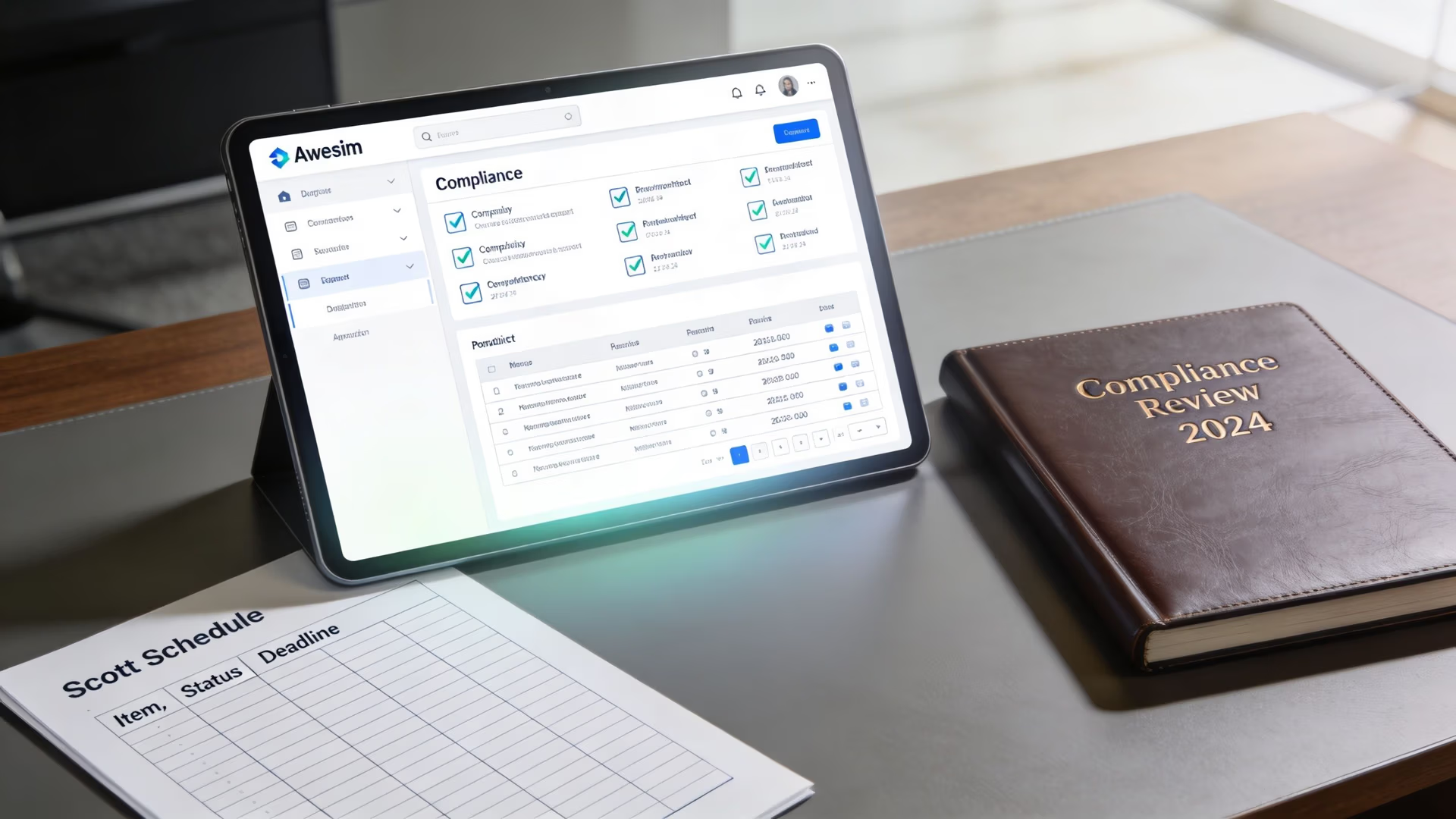
Awesim Building Consultants draws on 35+ years in building and construction and 15+ years providing litigation support to homeowners, builders and lawyers. In practical terms, that means site investigations, expert witness reports, and schedules are prepared with the Code in mind from the outset, not patched up at the end.
What that looks like in practice
In a building dispute, a useful process usually includes careful intake of the issues in dispute, review of relevant documents, a structured site inspection, organised photographic records, and a defect-by-defect analysis that links observed condition to opinion.
For Scott Schedules, the discipline is even more important. A schedule can look neat while still being weak. Rows and columns don’t create reliability. The basis for each item does.
NCAT statistics for 2025 indicated that 25% of Consumer Division disputes involved defective Scott Schedules, often due to undeclared expert conflicts, leading to approximately 10% of those claims being dismissed entirely, according to this discussion of Code compliance and Scott Schedule defects.
The practical method that holds up better
When preparing a schedule or report, these habits usually make the difference:
- Define each defect precisely by location, element, and observed condition
- Keep photographs tied to findings so annexures support the text instead of floating beside it
- State assumptions openly where access, finishes, or missing documents limit the opinion
- Separate scope from causation because a repair recommendation isn’t the same thing as proving why failure occurred
- Disclose conflicts early rather than letting the issue surface later and taint the whole document
A properly prepared expert witness code of conduct and a Scott Schedule should make it easier for NCAT to identify the item in dispute, understand the expert position, and compare it against the opposing view.
Client-side advice: If you need an expert for NCAT, engage them early enough that the inspection, evidence handling and reporting can be done properly. Late reports often become rushed reports, and rushed reports invite avoidable weaknesses.
Where parties often go wrong before the report even starts
The first mistake is briefing an expert to “support the claim” or “knock down the other side”. That instruction pushes the process in the wrong direction from day one.
The second mistake is treating a Scott Schedule like an administrative summary. In reality, it is only as strong as the inspection and reasoning beneath it.
The third mistake is waiting too long. Once areas are repaired, altered, painted over, or further damaged, the evidentiary picture gets harder to reconstruct. Early, organised inspection usually gives a cleaner foundation for a compliant opinion.
If you need an NCAT-compliant expert report or Scott Schedule, Awesim Building Consultants can assist with site investigations, expert witness reporting, and litigation support grounded in practical building experience. To discuss your matter, email admin@awesim.com.au or call 1800 293 746.
Related Posts

Water Damage in Homes: How to Track Down the Source
Water damage in a home rarely announces itself at the source. A stain on the ceiling, a musty smell in
Read More »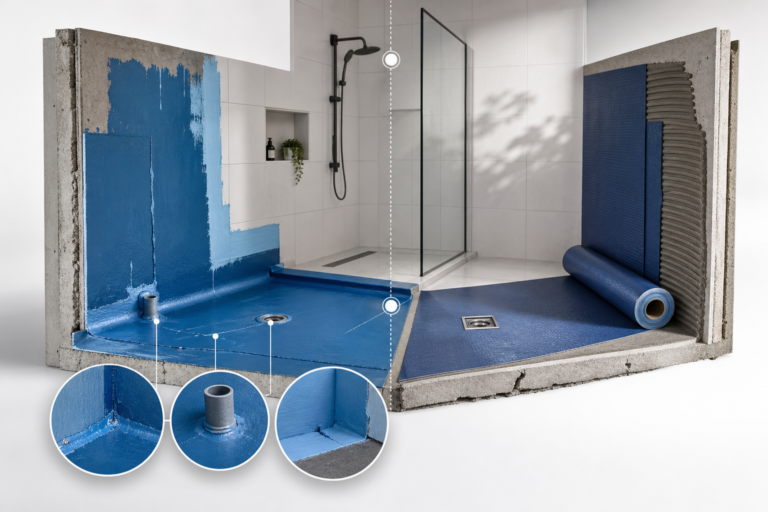
Waterproofing Membrane Types: Which Fails Most in NSW Bathrooms
Waterproofing failure is the single most common serious defect found in NSW apartments, and the type of membrane used, along
Read More »
Building Certifier NSW: Role, Limits, and When You Need More
A building certifier in NSW is a registered professional who issues construction certificates, conducts critical stage inspections, and grants occupation
Read More »