
NCAT Building Dispute Case Study: Expert Witness Report
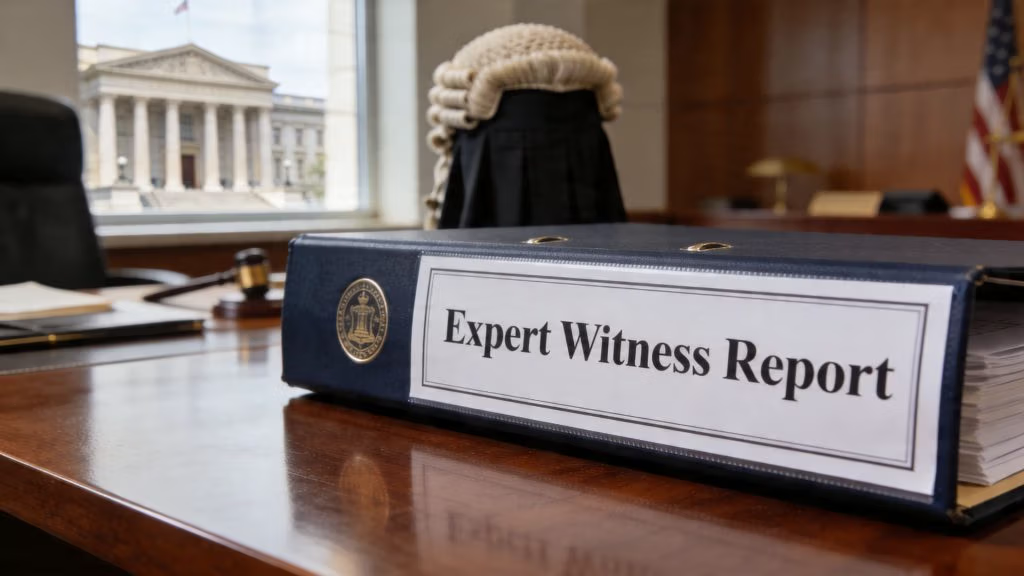
Successful NCAT Building Dispute Outcome – Expert Witness Report Secures $70,000+ Award
Overview of the Dispute
A residential building dispute in New South Wales involved a bathroom and laundry renovation that deteriorated into a formal claim before the NSW Civil and Administrative Tribunal (NCAT).
The homeowner engaged a contractor under a quotation valued at approximately $45,000, with payments totalling around $36,000 made during the course of the works. However, the project was left incomplete and affected by multiple defects, ultimately leading to termination of the working relationship and escalation to NCAT.
This case demonstrates how properly prepared expert evidence can significantly influence the outcome of a building dispute.
Key Issues in the Case
The Tribunal was required to determine:
- Whether the works were incomplete
- Whether the works were defective
- The cost to rectify and complete the works
- The appropriate legal remedy
Incomplete Works Identified
Both the bathroom and laundry were found to be unfinished, including:
- Installation of fixtures (vanity, toilet, shower screen)
- Painting and finishing works
- Plumbing connections
- Joinery and fittings in the laundry
Defective Works Identified
Critical defects were identified in both wet areas, including:
- Water ponding due to insufficient floor falls
- Non-compliant waterproofing installation
- Incorrect tile selection and installation
- Poorly installed cavity sliding door
- Wall alignment issues
These defects were significant, particularly given the strict performance requirements for wet areas under the National Construction Code.
Contractual and Regulatory Breaches
The case also revealed multiple breaches of statutory requirements under NSW building legislation:
- Deposit exceeded the legal limit of 10%
- No Home Building Compensation Fund (HBCF) insurance was obtained
- Absence of a compliant written contract including plans and specifications
- Builder licensing limitations exceeded for the value of the works
These issues played a critical role in the Tribunal’s final decision.
Role of the Expert Witness
An independent building expert was engaged to assess the works and prepare a formal report.
Scope of the Expert Assessment
The expert:
- Conducted a site inspection
- Identified:
- 9 incomplete items in the bathroom
- 6 defective issues in the bathroom
- Multiple incomplete and defective items in the laundry
- Performed digital level testing to assess floor falls
- Undertook visual water testing, confirming ponding issues
- Compiled photographic evidence
- Prepared a detailed cost estimate and Scott Schedule
Costing Methodology
The expert relied on:
- Rawlinsons Construction Cost Guide
- Industry pricing data
- Professional experience in building defect analysis
The report concluded that the only compliant rectification method was a full demolition and reconstruction of the affected wet areas.
Tribunal Findings
A key turning point in the case was the Tribunal’s clear preference for the expert evidence.
The Tribunal found:
- The expert’s use of digital measurement tools was more reliable than the builder’s manual methods
- Evidence of water ponding was credible and repeatable
- The defects were systemic and non-compliant, not minor issues
As a result, the Tribunal accepted that:
The works did not meet the required standard of “due care and skill” and breached statutory warranties.
Costing and Damages Awarded
The Tribunal accepted the expert’s costings with adjustments and allowances.
Base Rectification Costs
- Bathroom defects: $18,410.80
- Laundry defects: $6,334.10
- Bathroom incomplete works: $7,460.66
- Laundry incomplete works: $5,457.34
Subtotal: $37,662.90
Additional Allowances Applied
- Regional cost loading (15%)
- Builder’s preliminaries (15%)
- Builder’s overheads and profit (20%)
- GST (10%)
- HBCF insurance
Other Adjustments
- Credit for supplied but unused items: $2,078
- Expert witness costs: $4,950
Final Tribunal Award
The Tribunal ordered the Respondent to pay:
$73,663.30
This amount reflects the true cost of rectifying defective and incomplete work to a compliant standard.
Why a Money Order Was Issued Instead of Rectification
Under NSW law, rectification by the original builder is typically preferred.
However, in this case:
- The builder was not appropriately licensed for works exceeding $20,000
- HBCF insurance was not in place
- Legal constraints prevented the builder from carrying out rectification works
Accordingly, the Tribunal determined that a monetary award was the only viable remedy.
Key Lessons from This Case
1. Compliance Is Critical
Failure to meet basic legal requirements (contracts, insurance, licensing) can significantly impact outcomes.
2. Wet Area Defects Are High Risk
Issues such as:
- Waterproofing failures
- Incorrect falls
can require complete reconstruction, not minor repairs.
3. Documentation Matters
Clear scope, signed plans, and proper contracts are essential to avoid disputes.
Importance of Expert Witness Reports in NCAT
This case highlights the decisive role of expert evidence.
An effective expert report must:
- Be independent and unbiased
- Use verifiable testing methods
- Provide clear reasoning and structured conclusions
- Include accurate, industry-based costing
The Tribunal relied heavily on the expert’s methodology and findings in reaching its decision.
Authority Insights
What does an expert witness do in an NCAT building dispute?
An expert witness provides independent assessment of defects, compliance, and costs, assisting the Tribunal in making informed decisions.
How much compensation can NCAT award for defective building work?
NCAT can award the full cost of rectification, including associated costs such as expert reports and project overheads.
Why is a Scott Schedule important in building disputes?
A Scott Schedule provides a structured breakdown of defects, responsibilities, and costs, making it easier for the Tribunal to assess claims.
Conclusion
This case is a clear example of how well-prepared expert evidence can directly influence the outcome of a building dispute.
The Tribunal’s reliance on detailed inspection, accurate testing, and structured costing demonstrates that:
Strong expert reports are often the difference between success and failure in NCAT proceedings.
For parties involved in building disputes, early engagement of a qualified expert witness can be critical to achieving a successful outcome.
Related Posts
Strata Report: What Buyers Need to Read Before Signing
A strata report is the document that surfaces hidden obligations before you are legally committed to a purchase. A strata
Read More »
Inspection of Structures: What to Check Before You Buy
An inspection of structures examines a property's load-bearing elements, including foundations, walls, beams, roof framing, and floor systems, to identify
Read More »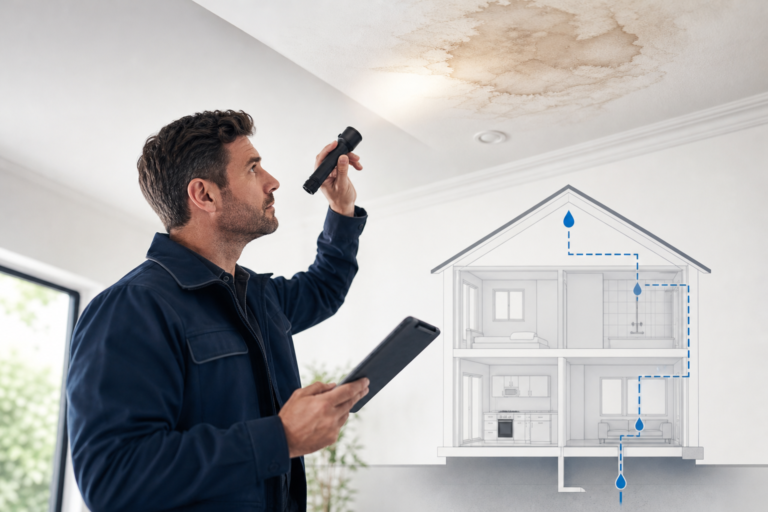
Water Damage in Homes: How to Track Down the Source
Water damage in a home rarely announces itself at the source. A stain on the ceiling, a musty smell in
Read More »