
Building Expert Witness Guide: NCAT Disputes & Fees
Reviewed 8 November 2026. A building expert witness can help explain technical issues in a NSW building dispute. This guide covers the role, how to prepare a useful brief, report requirements and Awesim’s indicative fees. The scope should reflect the issues and directions in your matter.
When a Building Dispute Needs Technical Evidence
A dispute may involve several different questions: what work was agreed, what was built, whether there is a defect, and what would reasonably be required to rectify it. An expert brief should identify the technical questions that remain unresolved.
Start with the contract, photographs, correspondence, inspection records and any case directions. A report may help explain disputed construction issues, but the evidence required depends on the particular matter. NCAT’s evidence and witnesses guidance explains the different forms of evidence parties may provide.
What a Building Expert Witness Does
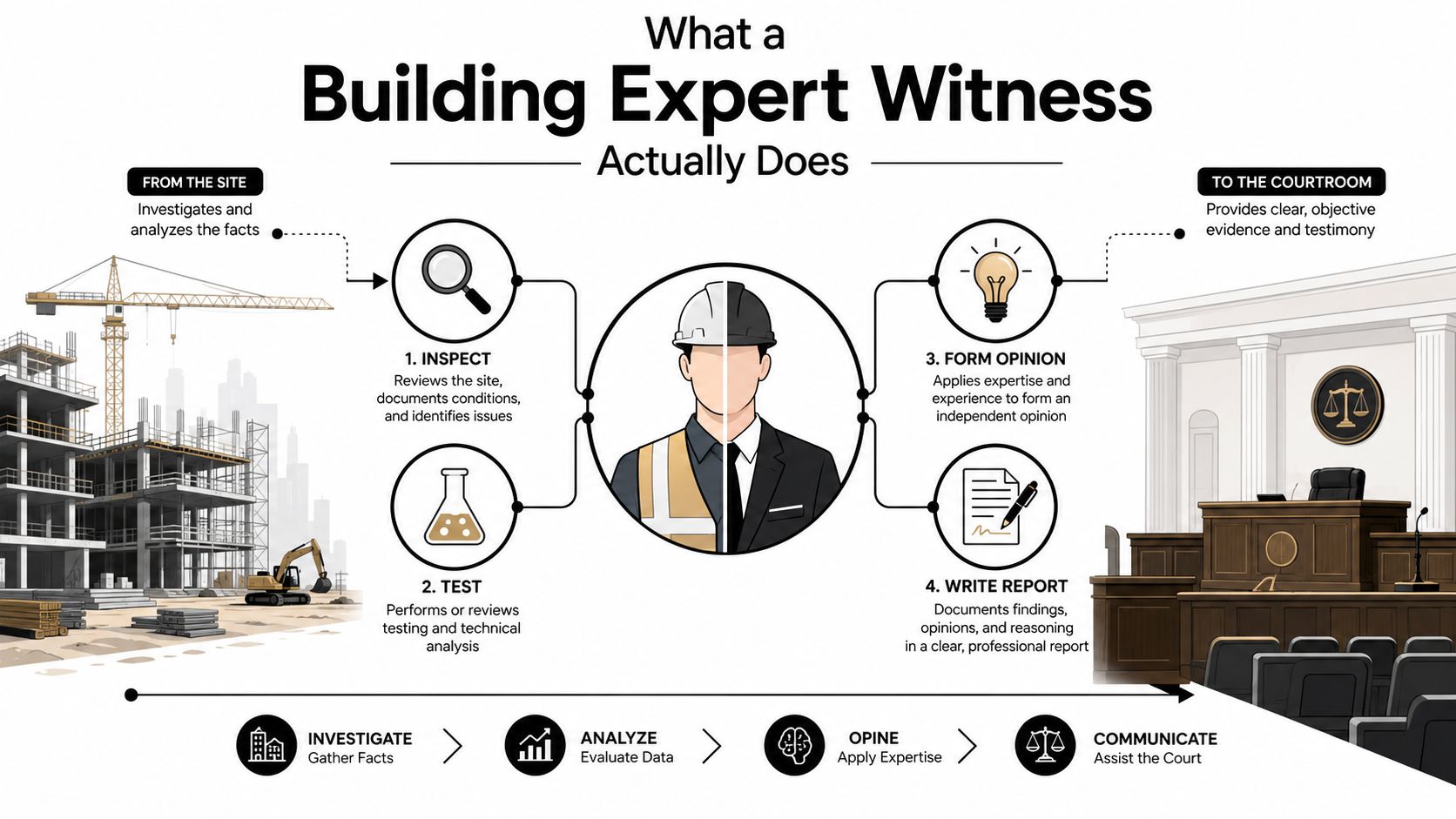
A building expert witness investigates construction questions within their expertise and explains the findings and reasoning in a report. The agreed work may include:
- Reviewing the relevant plans, specifications, records and previous reports.
- Inspecting, measuring and photographing the disputed work, with suitable testing where needed.
- Assessing cause, compliance, rectification scope or cost where those questions are included in the brief.
- Preparing a Scott Schedule, responding to another expert or attending a conference or hearing if separately required.
The expert should identify which building requirements apply to the work, including the relevant editions and construction context. A reference to an Australian Standard or the National Construction Code needs an explanation of how it supports the particular opinion.
An expert’s role is independent. The report may contain findings that do not support the party who commissioned it. Legal advice about liability or the conduct of a claim should be obtained from a solicitor.
What an Expert Witness Report Should Explain
Read the directions for the actual proceeding. NCAT Procedural Direction 3 applies to specified proceedings, including Home Building Act claims above $30,000, and other cases where NCAT directs. NSW court proceedings have their own applicable rules, including the UCPR Schedule 7 expert code; the two should not be treated as interchangeable.
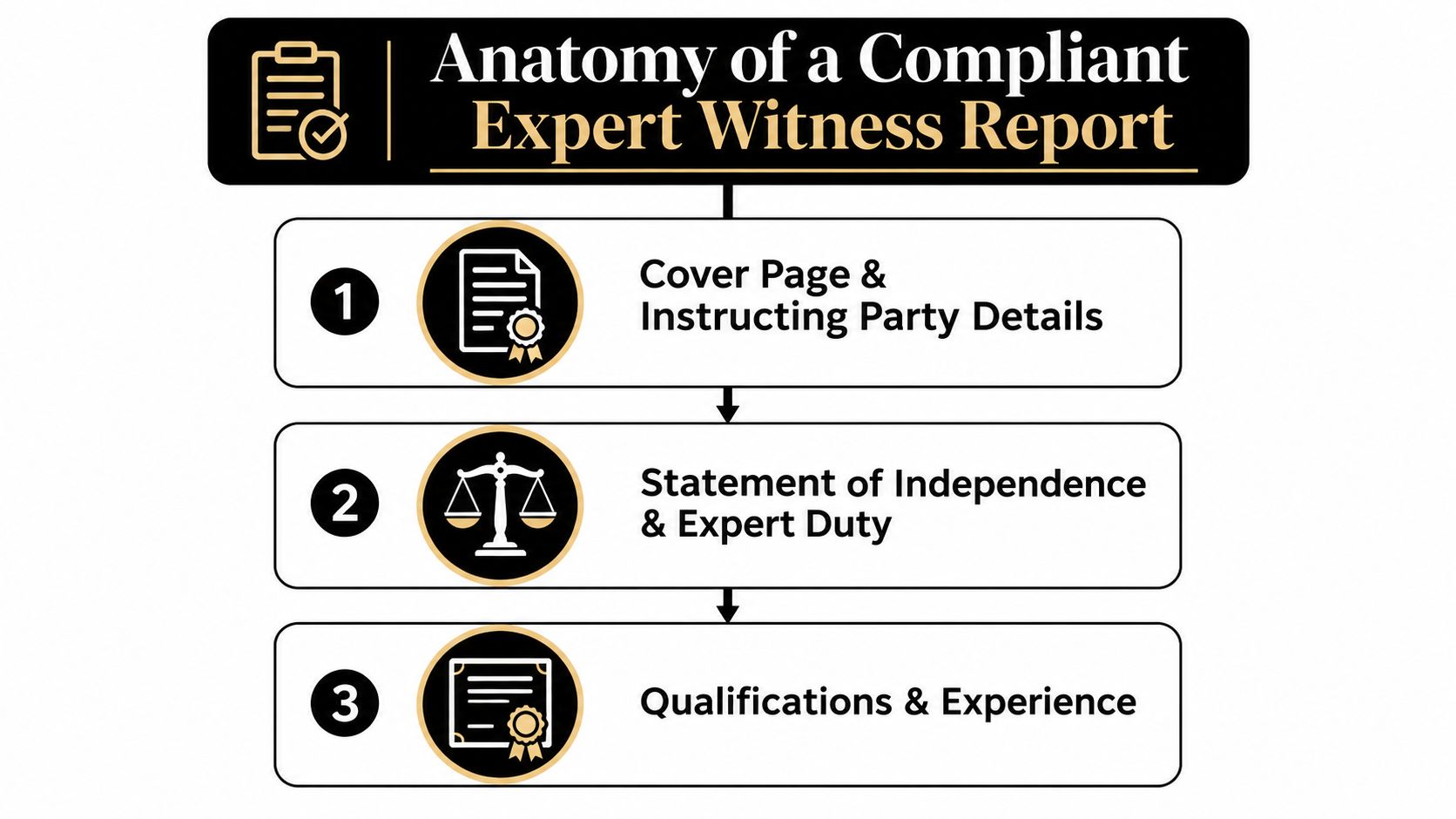
A report should explain the expert’s relevant qualifications, instructions, factual assumptions, investigation and reasons for each opinion. It should identify supporting material, limitations and issues outside the expert’s field. Include the acknowledgements, relationship or conflict disclosures, and other declarations required by the applicable rules and directions.
For example, a water-ingress report should distinguish what was observed from an inferred cause, explain the basis for the opinion and identify any investigation still needed. A visible stain alone does not establish every element of a defect claim.
When to Discuss an Expert Report
Consider an initial consultation where the cause of damage is disputed, a rectification proposal needs technical review, the claimed costs need assessment, or another party has supplied an expert report requiring a response. Provide any tribunal or court orders before agreeing the scope.
Do not assume that every disagreement requires the same report, tests or expenditure. Existing documents may answer some questions; others may need a site visit or a specialist in another discipline. Ask what further evidence would address the specific gap.
Awesim’s Expert Witness Report service explains the engagement process. Confirm the purpose of the report and the available time before commissioning it.
Choosing an Expert for the Issues in Dispute
Ask who will inspect the property and write the report. Relevant training and practical experience should match the questions being asked, whether they concern waterproofing, structural engineering, building work or valuation.
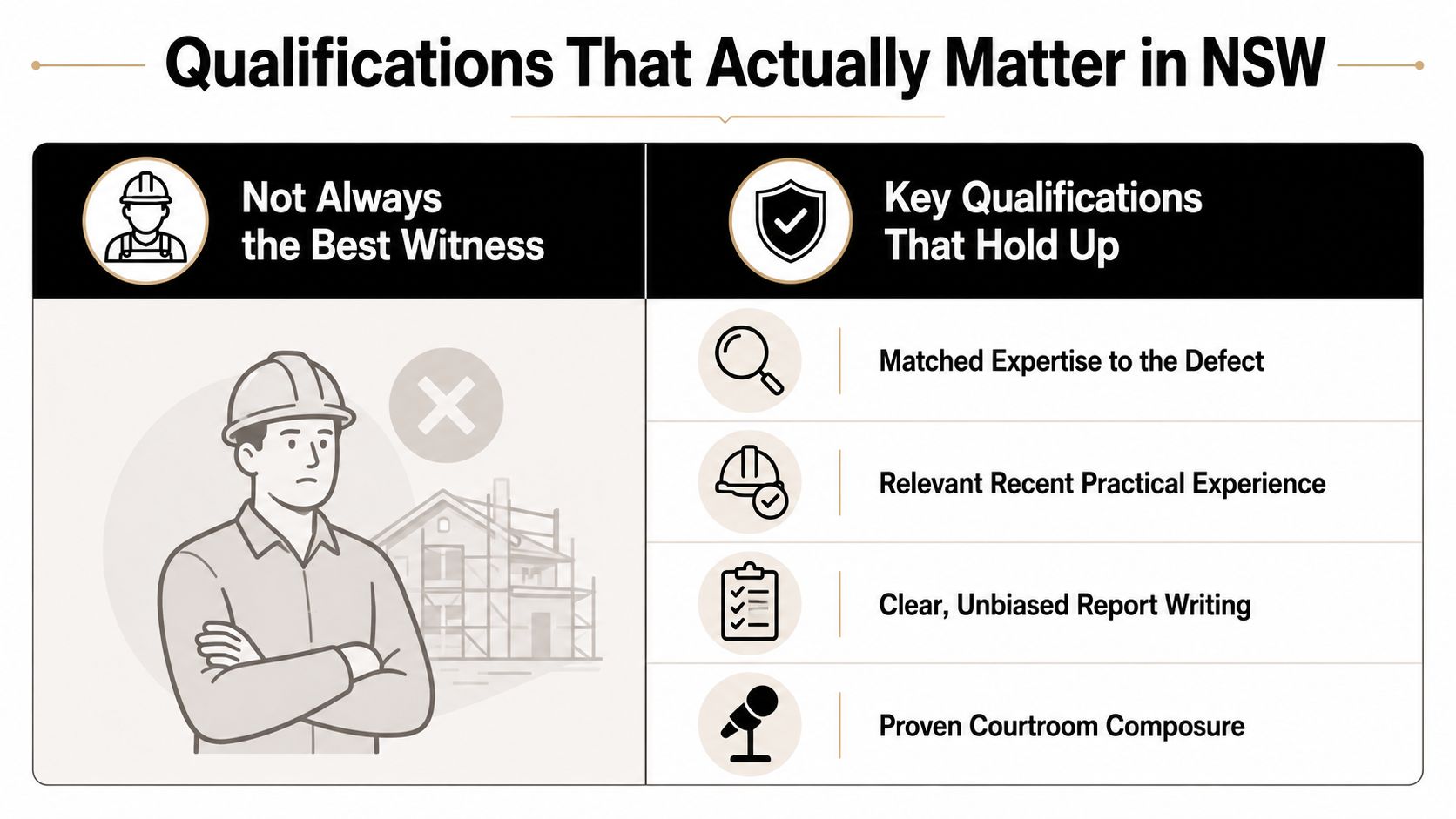
Discuss comparable work, any relevant licence or registration, professional indemnity insurance, and experience explaining opinions in proceedings. A broad job title alone does not establish expertise in every disputed item.
Provide the names of the parties so possible conflicts can be considered. Ask how the consultant will deal with missing information, access restrictions and matters requiring another specialist. Awesim’s principal consultant is Glen Sim.
Briefing an Expert and Using a Scott Schedule
A useful brief identifies the property, the parties, each disputed item, the questions to be answered and the deadline. Include the contract, variations, plans, specifications, relevant correspondence, photographs, certificates, prior reports and case orders. Explain any access or testing restrictions.
A Scott Schedule arranges disputed items and the parties’ or experts’ positions in a table. Use the format directed for the proceeding; columns and responsibilities can vary. Link opinions and costs back to the supporting report and evidence.
The following is an illustrative planning entry, not an actual finding or a prescribed tribunal form:
| Item | Issue raised | Investigation question | Scope and cost position |
|---|---|---|---|
| 1 — Shower water ingress | Water damage reported to adjacent finishes | What is the source and pathway, and what evidence supports that conclusion? | Record the proposed work and costing basis after assessment; identify any disagreement and reason. |
The schedule organises the issues. The supporting report explains the investigation and reasoning in greater detail.
Fees and Timelines for Your Brief
Awesim’s published indicative rates include GST: site investigation is $1,100 for the first hour and $550 per hour thereafter; Expert Witness reporting is $1,100 per issue; and Scott Schedule reporting is $550 per issue. Conclave or court/NCAT attendance is $3,850 per day or part of a day.
Document and report review, travel, testing and additional work can add to the total. These are Awesim’s indicative line items, not a NSW market average. See the expert report cost guide and request a written proposal covering your actual scope.
Confirm inspection availability and the report delivery date before booking. The number of issues, access, document review, testing and any specialist input affect the timetable. Supply the actual filing and hearing dates; availability for later conferences or attendance should also be agreed.
Preparing Your Evidence and Next Steps
Before requesting a quote, prepare:
- The property address and a short list of the disputed items.
- The signed contract, variations, plans and specifications.
- Dated photographs, inspection records and correspondence relevant to those items.
- Previous reports, rectification proposals, quotes and invoices.
- Any NCAT or court orders, with the relevant deadlines clearly identified.
Keep original records and use consistent item numbers so the consultant can connect each question to the relevant documents. Explain where information is missing instead of filling gaps with assumptions.
For a free initial consultation, email admin@awesim.com.au or call 1800 293 746. Awesim brings more than 35 years of building and construction experience and over 15 years of litigation support to work for homeowners, builders and lawyers across NSW.
Related Posts
![Businessman in a suit analyzes a 3D building model on blueprints with a hard hat nearby and a crane in the background, conveying construction planning and law.]](https://awesim.com.au/wp-content/uploads/2026/10/2ba440c4-9d47-4802-adf1-8b6f241eb8ff-768x512.png "2ba440c4-9d47-4802-adf1-8b6f241eb8ff - Awesim Building Consultants")
Construction Claims Experts and Witness Reports
Last updated: 8 November 2026 A construction expert witness provides an independent opinion on technical questions in a building dispute.
Read More »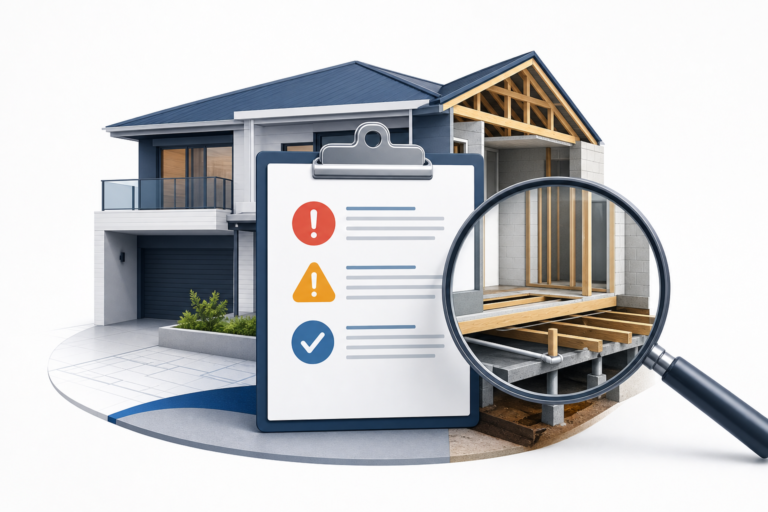
Building Inspection Reports and Expert Evidence
Updated October 29, 2026 You've received a building and inspection report and you're not sure what to do with it.
Read More »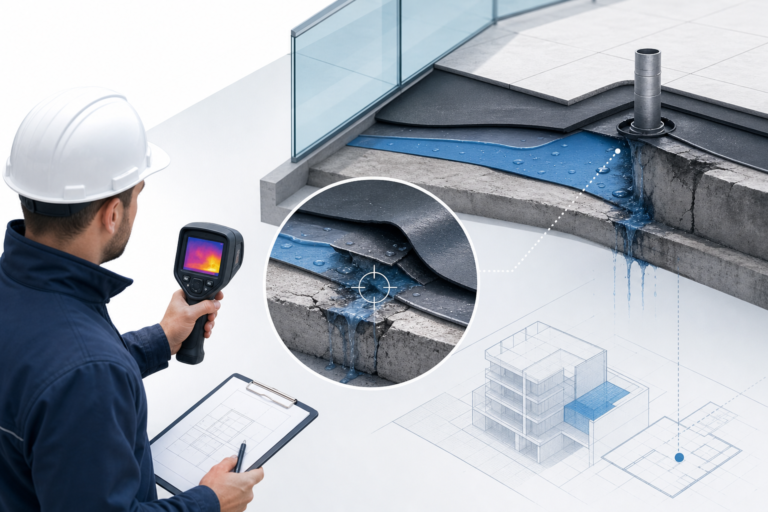
Waterproof Membrane Failure: How Inspectors Find the Cause
Waterproof membrane failure is diagnosed by tracing the water entry point, reviewing design documents, exposing the membrane for visual inspection,
Read More »