
Construction Claims Experts and Witness Reports
![Businessman in a suit analyzes a 3D building model on blueprints with a hard hat nearby and a crane in the background, conveying construction planning and law.]](https://awesim.com.au/wp-content/uploads/2026/10/2ba440c4-9d47-4802-adf1-8b6f241eb8ff-1024x683.png "2ba440c4-9d47-4802-adf1-8b6f241eb8ff - Awesim Building Consultants")
Last updated: 8 November 2026
A construction expert witness provides an independent opinion on technical questions in a building dispute. Depending on the issues, the work may involve a building consultant, engineer, programme analyst or cost specialist. Define the questions before selecting an expert, and check that their qualifications and experience fit the proposed scope.
What Is a Construction Expert Witness and What Do They Do?
A construction expert witness provides independent technical evidence within their expertise. Their role is to assist the court or tribunal impartially. Before preparing the evidence, identify the code of conduct, procedural rules and orders that apply to the particular proceeding.
The expert reviews relevant records and site evidence against the requirements applicable to the work. Identify the building classification, relevant NCC edition, approval documents, contractual requirements and applicable standards. Standards Australia explains how standards can become mandatory through legislation; a standard should not be treated as automatically applicable to every project.
The Issues a Construction Expert Investigates
The scope of issues a construction expert can address is broad, but most engagements fall into a few well-defined categories.
Defective workmanship. An investigation may compare measured conditions with the relevant contract documents, requirements and tolerances, explaining why an item is considered deficient.
Waterproofing failures. The investigation should distinguish internal wet areas from external waterproofing. AS 3740 concerns domestic wet areas; AS 4654.2 concerns the design and installation of external above-ground waterproofing membranes. Confirm the applicable edition, scope and compliance pathway before relying on either standard.
Structural issues. Cracking, movement or concerns about load-bearing elements may require engineering assessment. Confirm who will assess causes, design implications and any proposed structural repairs.
Delay and programme disputes. Programme analysis may compare planned and actual progress with project records to explain delay events and their effects.
Cost and quantum disputes. Valuation work may assess completed work, variations or proposed repairs. Agree the valuation questions and assumptions with the instructing party; the assessment should not be presented as deciding legal entitlement to payment.
What the Report Must Achieve
Whatever the issue, the expert's written report serves one purpose: to give the tribunal the technical foundation it needs to make an informed decision. That means the report must be clear enough for a non-specialist to follow, precise enough to withstand cross-examination, and structured to comply with the procedural requirements of the relevant jurisdiction.
For a retaining-wall dispute, identify the questions about condition, cause and repair. Confirm which can be answered by the appointed expert and whether separate engineering, geotechnical or costing input is needed. Explain any unresolved questions and limits of the investigation.
Which Type of Construction Claims Expert Do You Need?
The table gives examples of disciplines and their potential contributions. It is a starting point for selecting an expert, not an exclusive allocation of work by job title.
| Expert Type | Primary Dispute Type | Key Evidence Produced |
|---|---|---|
| Structural Engineer | Foundation failures, frame defects, retaining wall collapse, cracking from movement or overloading | Structural assessment report, load calculations, cause-and-origin analysis, rectification specification |
| Building Consultant | Defective workmanship, waterproofing failures, NCC non-compliance, general building defects | Expert witness report, Scott Schedule, forensic inspection findings, rectification scope and costings |
| Delay Scheduler | Extension of time claims, liquidated damages disputes, programme disruption | Delay analysis (as-planned vs as-built), critical path reconstruction, causation opinion |
| Cost Estimator / Quantum Expert | Disputed contract values, rectification cost disagreements, quantum meruit claims | Quantity survey, market rate analysis, quantum meruit report, variation valuation |
Matching the Expert to the Claim
Structural engineers. For concerns about structural integrity, ask about relevant experience with the building type, materials and suspected mechanism of failure, and whether geotechnical input is needed.
Building consultants. For workmanship, waterproofing and general defect issues, confirm experience with the particular construction and the reports required. Agree whether the scope includes investigation, rectification recommendations, costing or a Scott Schedule.
Delay schedulers. For programme disputes, ask for relevant delay-analysis experience and an explanation of the records and method proposed. Assess each practitioner's demonstrated capability rather than assuming a job title proves or excludes competence.
Cost estimators and quantum experts. For valuation questions, check experience with comparable work and the proposed pricing basis. Distinguish estimating a value from determining the amount legally recoverable.
When You Need More Than One Expert
Some disputes require more than one discipline. A dispute involving both structural cracking and a delay claim, for example, may need a structural engineer to address the defect and a scheduler to address the programme. Engaging them early, before positions harden, allows each expert to work from the same document set and avoids contradictory assumptions in separate reports.
Construction Disputes Where Expert Evidence May Help
Start with the disputed questions and the evidence already available. The need for expert input depends on the technical issues and the requirements of the proceeding.
Defective workmanship. Issues may include tiling, render, framing or joinery. Record the alleged defect, its location and the requirement relied on, then identify the measurements or other evidence needed to assess it.
Waterproofing failures. Water entry can require investigation of the membrane, drainage, flashings and adjoining construction. Avoid assuming the visible damage identifies the original entry point. See Waterproof Membrane Failure: How Inspectors Find the Cause.
Structural defects. For cracking, movement or stability concerns, identify the design, ground-condition and construction records available. Ask the relevant specialist what further investigation is required before reaching conclusions about cause or repair.
Delay claims. Compare the programme, progress records, variations and correspondence. Identify which events affected completion and what assumptions the analysis uses. The evidence needed and any entitlement to time or money depend on the particular claim and contract.
Cost disputes and quantum meruit claims. Ask your legal adviser to identify the basis of the claim and the valuation questions requiring expert input. Record completed work, relevant documents, rates and assumptions. A valuation alone does not establish an entitlement to payment.
NCC compliance. Check the requirements applicable to the project and any documented Performance Solution. The NCC compliance framework provides for Deemed-to-Satisfy Solutions, Performance Solutions or a combination. A departure from a Deemed-to-Satisfy detail alone does not establish failure to meet the Performance Requirements. Explain the particular requirement and evidence supporting any non-compliance finding.
How Does the Expert Witness Process Work? A Step-by-Step Guide
Plan the expert witness process around the issues and the proceeding's timetable. Confirm independence, the investigation scope and the available documents before work begins.
Perform a conflict and availability review. Identify previous involvement, relevant relationships and any financial interests before accepting instructions. For NCAT proceedings to which Procedural Direction 3 applies, paragraph 19(d) requires disclosure of relevant relationships and actual or perceived conflicts. Previous advice should prompt a careful independence assessment; it should not be described as automatic disqualification in every case. Confirm capacity to meet the timetable.
Conduct an initial case assessment. The expert reviews the key pleadings and available project records to identify what they need to form an opinion, what is missing, and whether the engagement falls within their area of competence. A structural cracking dispute that turns out to involve a complex geotechnical question, for example, may require a referral to a geotechnical engineer at this stage.
Define the investigation scope and establish the document plan. Once the case assessment is complete, the expert and the instructing party agree on the precise questions the report must answer. This scope is usually set out in the letter of instruction. The expert also identifies every document they will need: the original contract, approved plans, specifications, variations, site diaries, inspection records, photographs, and any prior reports. Gaps in the document set are identified early so they can be addressed before the site inspection.
Carry out the forensic investigation. Undertake the agreed inspection, measurements and testing, with any opening-up work and access arrangements authorised beforehand. Record observations and distinguish them from assumptions and opinions. Identify the relevant project documents and requirements, together with any further investigation needed.
Develop findings and deliver the report or testimony. The expert analyses the evidence and explains their opinions, assumptions and limitations. Prepare the report to meet the applicable code, procedural requirements and orders. Confirm whether oral evidence is required and the arrangements for attendance and questioning. See NCAT's evidence and witnesses guidance.
Why Forensic Investigation Quality Matters
The value of an expert investigation lies in how clearly the evidence supports the opinion. A report should document relevant observations and measurements, identify the records and standards relied on, explain the reasoning, and state any assumptions or limitations.
For NCAT matters, consult NCAT Procedural Direction 3 – Expert Evidence for its application and requirements. Expert evidence assists the Tribunal with technical questions; the outcome depends on the evidence and issues in the particular proceeding.
What Should an Expert Witness Construction Report Contain?
Prepare the report for the particular proceeding and instructions. The following is an overview, not a complete compliance checklist for every court or tribunal.
For NCAT, check paragraph 11 of Procedural Direction 3 – Expert Evidence for its application, including Consumer and Commercial Division Home Building Act matters where the amount claimed or in dispute exceeds $30,000, and other matters where directed. Paragraphs 19–24 address report requirements.
- Expert and instructions. Identify the expert, qualifications, questions and materials considered.
- Evidence and reasoning. Explain facts, assumptions, investigations, references and reasons for opinions, including reliance on others.
- Disclosures and declarations. Address relationships, conflicts, the code acknowledgement and the required declaration about inquiries and significant relevant matters.
- Limitations. Explain qualifications or provisional opinions; summarise lengthy or complex reports.
- Rectification, where applicable. Explain recommended works, reasons, likely costs and calculation basis, and reasonable alternatives.
At NCAT, consequences of non-compliance depend on the proceeding and circumstances. Paragraphs 5–7 distinguish admissibility from evidentiary weight and allow the Tribunal to excuse compliance.
Generative AI. NCAT Procedural Direction 7, paragraphs 19–23, addresses permission, disclosure and records for expert reports. Unless otherwise directed, Tribunal permission is required to use generative AI to draft or prepare content of reports covered by Direction 3. Paragraph 6 excludes specified functions, such as spelling correction and formatting, that do not generate substantive content.
NSW court proceedings. The Council of Chief Justices explains the NSW framework under UCPR rule 31.23 and Schedule 7. Unless otherwise ordered, the court cannot receive expert evidence without acknowledgement that the expert has read the code and agrees to be bound. Check the current rules, relevant practice notes and case orders.
The Scott Schedule
NCAT frequently directs parties to prepare a Scott Schedule alongside the expert reports. Think of it as a structured spreadsheet: each alleged defect occupies its own row, with columns for the claimant's description, the respondent's position, and the expert's independent findings on that item. The format forces a direct, item-by-item response to every allegation and allows the tribunal member to compare competing positions against the expert's objective assessment in a single document. For a detailed guide to preparing this document, see Mastering Scott Schedule Construction in Australia.
Disputes involving cracking, whether in plasterwork, cornices, or structural elements, often require the expert to distinguish cosmetic movement from defects that indicate a deeper problem. The report must explain the difference clearly. For practical guidance on recording symptoms and deciding when to seek assessment, see cornice cracking and warning signs.
How Much Does a Construction Expert Witness Cost in 2026?
Construction expert witness fees depend on the issues to be investigated, the specialist discipline, the volume of documents and the services required. Request a written proposal tailored to your matter so you can compare the scope, inclusions and total likely cost.
What Drives the Fee
When requesting a proposal, identify the work you need and ask how each component will be charged:
- Site inspection and investigation. Confirm the areas to be inspected, access requirements and whether any testing or opening-up work is included.
- Document review. Identify the available contracts, plans, correspondence, photographs and previous reports, including the approximate volume of material.
- Report preparation. Specify whether the engagement includes an expert witness report, a Scott Schedule or other agreed documents.
- Travel and expenses. Confirm the basis for travel time, accommodation and other expenses where attendance away from the consultant's office is required.
- Further expert work. Ask about fees for supplementary reports, expert conferences, joint reports and hearing preparation or attendance if these become necessary.
Agreeing the Scope and Fee
Before engaging an expert, confirm whether the fee is fixed or hourly, whether GST is included, and what work is excluded. Ask how additional work will be authorised and charged, and confirm the expected delivery timetable against any court or tribunal deadlines.
Contact Awesim Building Consultants to discuss your matter and request a tailored fee proposal.
How to Choose the Right Expert Witness for Your Construction Claim
Match the expert's relevant qualifications and experience to the questions in dispute. Ask how they will investigate, explain their reasoning and meet the proceeding's requirements and timetable.
The checklist below covers the criteria that matter most.
Relevant discipline and hands-on experience. The expert's qualifications should match the type of defect or dispute at issue. Beyond formal credentials, look for someone who has worked directly in the relevant construction sector. An expert who has spent years on building sites, not just in an office, brings a practical understanding of how defects occur and how they are correctly remedied. That grounding shows in the quality of their findings and the confidence they project at a hearing.
Demonstrated NCAT and court familiarity. NSW proceedings have specific procedural requirements. An expert who understands how NCAT operates, what the tribunal expects from a report, and how cross-examination works in that setting is better placed to produce evidence that holds up. Ask directly how many reports they have prepared for formal proceedings and whether they have given evidence in person.
Clear written communication. Read a sample report before you engage anyone. The best experts write in plain, precise language that a non-specialist can follow. A report full of unexplained jargon, or one that buries its conclusions in dense technical narrative, is harder for a tribunal member to use and easier for the opposing side to attack.
Independent reasoning. Ask how the expert handles information that challenges their initial view. Look for balanced reasoning, stated limitations and willingness to revise an opinion when the evidence warrants it.
Report structure and compliance. Ask the expert to explain how the proposed report will address the requirements of your particular proceeding. Confirm the applicable code, rules, practice notes and orders, together with any required acknowledgements or declarations. Use the official requirements as the final check; this article is only an overview.
Availability and capacity. An expert who cannot meet the proceeding's timetable creates delays that affect the whole matter. Confirm their availability at the outset, including whether they can attend a hearing if the matter does not resolve.
Questions to Ask Before You Engage
Before committing, put these questions to any candidate:
- What is your specific experience with this type of defect or dispute?
- How many expert witness reports have you prepared for NCAT or court proceedings?
- Have you given evidence under cross-examination on comparable technical issues?
- Can you provide a sanitised example of a report you have prepared for a similar matter?
- What is your process for conducting the site inspection and gathering the evidence you need?
- Are you available to meet the timetable this proceeding requires?
Established in 1996, Awesim Building Consultants provides independent building consultancy services Australia-wide. Glen Sim brings more than 35 years of building and construction experience and over 15 years providing litigation support through expert witness reports and Scott Schedules. Read about Glen Sim.
Party-Appointed Expert vs Single Joint Expert: Which Applies to Your Case?
The available expert arrangements depend on the forum, the issues and any orders made in the proceeding. Confirm those requirements before instructing an expert.
A party-appointed expert is engaged by one party to address specified technical questions. The engagement must allow the expert to form and explain independent opinions.
A jointly engaged expert receives a shared brief for the relevant issues. The appointment arrangements should address instructions, communications, access to documents, distribution of the report and fees. NSW courts also have procedures for court-appointed experts.
A joint report prepared by separate experts is a different process. NCAT may direct experts to confer and record agreements, disagreements and reasons. See paragraphs 18 and 25–26 of NCAT Procedural Direction 3.
Which Model Suits Your Matter?
Discuss the necessary disciplines, investigation scope, timetable and costs with your legal adviser. An appointment model does not guarantee a particular result or make an opinion conclusive.
Before obtaining further expert work, check any restrictions on relying on additional evidence and whether permission is needed. Seeking advice and presenting another report as evidence are different steps; avoid assuming either an automatic ban or an unrestricted right.
For NSW court proceedings, consult the current Uniform Civil Procedure Rules 2005 and the court's orders. For NCAT, follow its applicable procedural directions and the orders in your matter.
For a detailed guide to what NCAT requires from expert evidence in building disputes, see NCAT Expert Witness Reports: Requirements for Building Disputes.
FAQs
How do expert witnesses impact the final award in arbitration?
Expert evidence can assist an arbitral tribunal to assess technical questions and the basis of a claim. The tribunal decides what weight to give that evidence alongside the other material. Appointing an expert does not guarantee success or a particular award; the expert's task is to provide independent, reasoned opinions within their expertise.
Can a builder use an expert witness report to defend a claim?
Yes. A builder may use an independent expert report to address disputed technical allegations. The report should explain which allegations are supported, disputed or unresolved and why. Discuss the evidence needed with your legal adviser and follow any directions about expert reports. The result depends on the whole case; an expert report does not guarantee a successful defence.
Will the expert witness need to attend the NCAT hearing in person?
Not necessarily. Check whether the expert is required to give oral evidence and what attendance arrangements NCAT has made. Confirm availability early and follow the hearing notice and any directions or summons. See NCAT's evidence and witnesses guidance.
What is the difference between a building inspection report and an expert witness report?
A general building inspection describes the property's condition within an agreed inspection scope. An expert witness report addresses defined technical questions for proceedings and explains the evidence and reasoning behind the opinions. The scope may include causes, rectification and costs where relevant. Preparation should follow the applicable code, procedural requirements and orders; the report's title alone does not establish compliance.
How long does it take to prepare a construction expert witness report?
Timeframes depend on the complexity of the dispute, the size of the property, and the volume of documents to be reviewed. A straightforward residential defect matter with clear allegations and a well-organised document set might be completed within two to three weeks of the site inspection. A complex matter involving multiple defect categories, extensive project records, or a large building can take considerably longer. Confirm the expected timeframe at the outset and factor in any deadlines set by the tribunal or court.
Conclusion
A construction expert witness can help clarify technical issues by connecting observations, records and relevant requirements to reasoned opinions. The value of the report depends on the quality of that work and how well it addresses the questions in the proceeding.
Start by defining the issues, selecting the appropriate expertise and agreeing the investigation scope, fee and timetable. Contact Awesim Building Consultants to discuss your matter and request a tailored proposal.

Related Posts
![Businessman in a suit analyzes a 3D building model on blueprints with a hard hat nearby and a crane in the background, conveying construction planning and law.]](https://awesim.com.au/wp-content/uploads/2026/10/2ba440c4-9d47-4802-adf1-8b6f241eb8ff-768x512.png "2ba440c4-9d47-4802-adf1-8b6f241eb8ff - Awesim Building Consultants")
Construction Claims Experts and Witness Reports
Last updated: 8 November 2026 A construction expert witness provides an independent opinion on technical questions in a building dispute.
Read More »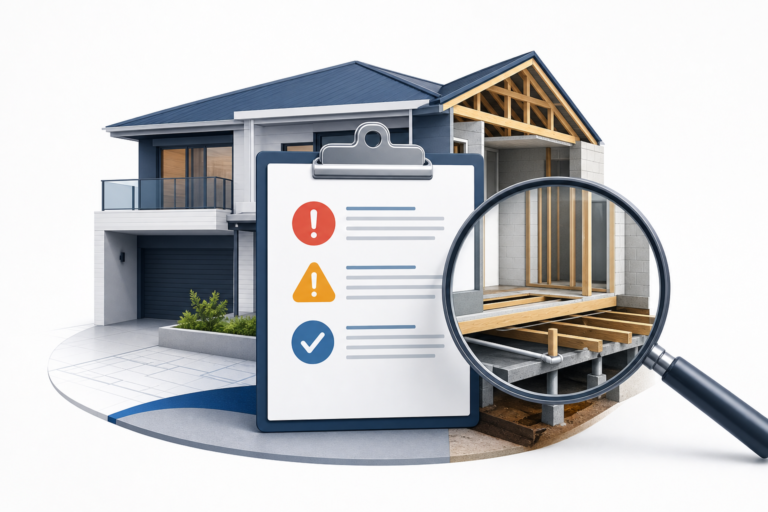
Building Inspection Reports and Expert Evidence
Updated October 29, 2026 You've received a building and inspection report and you're not sure what to do with it.
Read More »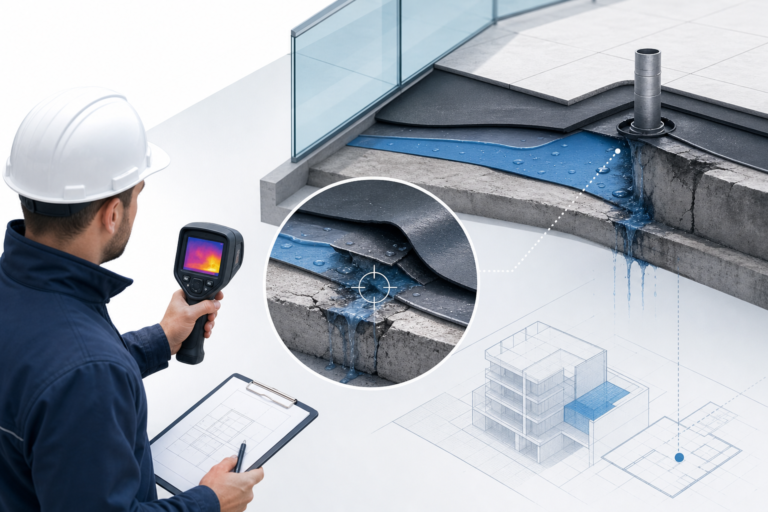
Waterproof Membrane Failure: How Inspectors Find the Cause
Waterproof membrane failure is diagnosed by tracing the water entry point, reviewing design documents, exposing the membrane for visual inspection,
Read More »