
Building Defect Inspections: What Homeowners Should Know in 2026
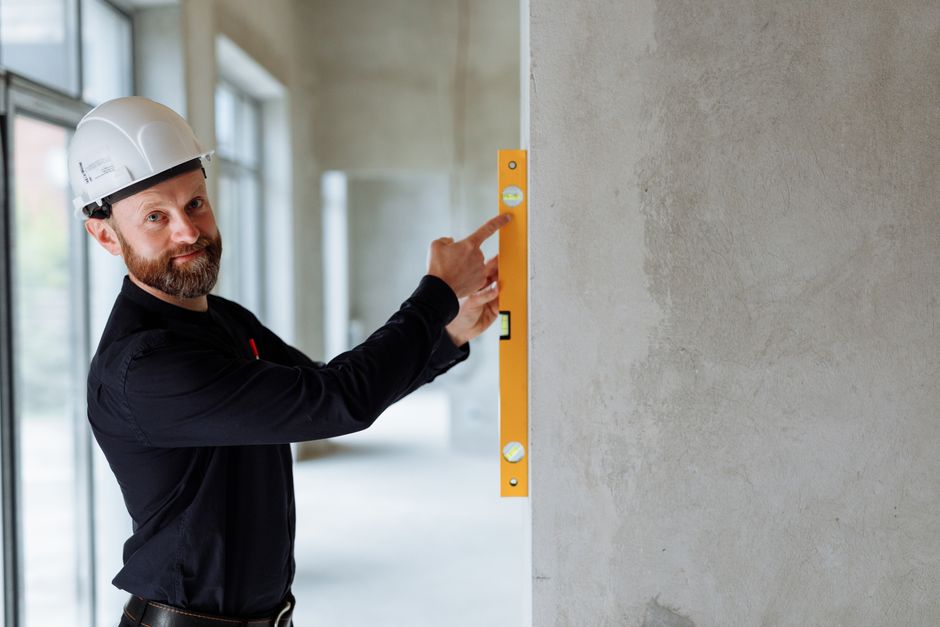
If you are a homeowner in New South Wales, you have likely heard about building defect inspections but may not be sure what they involve or when you need one. A building defect inspection is a professional assessment carried out by a qualified building inspector to identify faults, defects, or incomplete work in a property. These inspections are essential for protecting your investment, especially when buying a new home, taking possession of a newly built property, or preparing for a dispute. In 2026, the process remains a critical step for homeowners, builders, and legal professionals alike.
What Is a Building Defect Inspection?
A building defect inspection involves a thorough assessment of a property by a building inspector to determine any faults or defects. The inspector systematically evaluates the structure, materials, and workmanship to identify issues that may affect safety, habitability, or value. This type of inspection goes beyond a standard pre-purchase building report; it focuses specifically on defective work, poor workmanship, or non-compliance with approved plans or Australian Standards. The goal is to document all visible defects so that homeowners can take appropriate action, whether that means requesting rectification from a builder or using the report as evidence in a dispute.
Types of Building Defect Inspections
Not all defect inspections are the same. Different situations call for different inspection scopes. Based on the services offered by providers across Australia, here are the most common types you may encounter.
Warranty Defect Inspections
These inspections are specifically designed for builders and homeowners who need to identify defects covered under statutory warranties. For example, iSPECT in Brisbane offers warranty defect inspections starting from $425 plus GST, with a report provided within 24 hours. Such inspections focus on work that does not meet the required standard and may be claimed under the builder’s warranty period.
Practical Completion and Handover Inspections
For investors and new home buyers, practical completion and handover inspections are carried out just before or after the builder hands over the property. IBIV, a provider that caters to investors, offers practical completion, handover, pre-lease, and post-lease inspections. These checklists ensure that the property is finished to the agreed standard and that any defects are identified before you move in or lease the property out.
Construction Defect Inspections
These inspections provide a systematic evaluation of the structure, materials, and workmanship to identify faults. Owner Inspections, for example, offers construction defect evaluations that cover everything from foundations to roofing. This type of inspection is useful during the building process as well as after completion, especially if you suspect poor workmanship or material failures.
Pre-Lease and Post-Lease Inspections
Landlords and property managers can benefit from pre-lease and post-lease defect inspections. These assessments document the condition of the property before a tenant moves in and again after they leave, helping to identify any new defects caused by tenant use. IBIV is one provider that specialises in these inspection types, making it easier for investors to keep their properties in good order.
What to Expect from a Professional Inspection Report
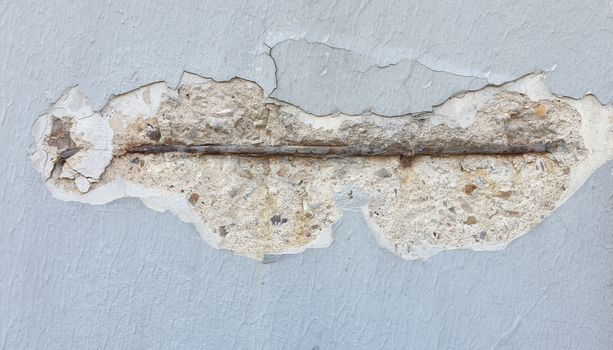
A quality building defect inspection report should be clear, detailed, and easy to read. The DHBA (Defect Home Building Advice) style report, for instance, is known for presenting information with photographs and descriptions of both major and minor defects. Major defects are those that affect the structural integrity or safety of the building, while minor defects may be cosmetic issues that still need rectification. Most professional reports will include a summary of findings, photographs of each defect, and recommendations for next steps. Providers like iSPECT offer their warranty reports within 24 hours, so you can act quickly if needed. Houspect, another established provider, ensures that all reports are prepared independently and in accordance with relevant Australian Standards, giving you confidence that the assessment is objective and thorough.
Choosing a Building Defect Inspection Service
When selecting a building defect inspection service, it pays to consider a few key factors. Look for a company with a strong reputation in your area. For example, Building Inspections Sydney describes itself as a premier inspection firm specialising in advanced diagnostics, and Building Defects Australia is a leading specialist in Sydney. However, you should also consider the scope of the inspection and whether it matches your needs. Some providers focus on warranty work for builders, while others cater to investors or homeowners. Request a sample report if possible, and check that the inspector holds relevant qualifications and insurance. Keep in mind that pricing varies: the only specific price mentioned in our research is $425 plus GST for a warranty defect inspection in Brisbane (iSPECT), but rates in other regions may differ. Always ask for a quote before booking.
It is also wise to check whether the inspector is independent of the builder or developer. An impartial assessment is the best foundation for any future negotiations or legal proceedings. If you are already involved in a building dispute, you may need an expert witness report rather than a standard defect inspection. A qualified building consultant can provide both services, linking the identified defects to your claim in the New South Wales Civil and Administrative Tribunal (NCAT) or court.
Why a Building Defect Inspection Matters in 2026
The building industry in NSW continues to see a high volume of new homes and renovations. With increased activity comes a greater potential for defects. Whether you are a homeowner receiving a new home, an investor buying off the plan, or a landlord preparing a property for tenants, a building defect inspection gives you a clear record of the property’s condition at a specific point in time. This record is invaluable if you later need to pursue rectification or compensation. In a dispute situation, an independent inspection report can serve as key evidence, saving you time and stress. As we move through 2026, the demand for thorough, reliable defect inspections remains strong, and understanding what they involve helps you make informed decisions about your property.
Frequently Asked Questions
What is included in a building defect inspection report?
A professional building defect inspection report typically includes a written summary of all defects found, colour photographs of each issue, and a classification of defects as major or minor. The report may also reference relevant Australian Standards and provide recommendations for rectification. Many providers aim to deliver the complete report within 24 to 48 hours of the inspection.
How much does a building defect inspection cost?
Costs vary depending on the size of the property, the type of inspection, and your location. One provider in Brisbane charges from $425 plus GST for a warranty defect inspection. For other inspection types or larger homes, expect quotes in a similar range. Always obtain a written quote before booking and confirm whether GST is included.
Who needs a building defect inspection?
Homeowners who are purchasing a new home, taking possession of a recently completed build, or suspect defects in their current property should consider an inspection. Investors and landlords benefit from practical completion, pre-lease, and post-lease inspections to protect their investment. Builders may also order warranty inspections to document defects during the defects liability period.
Building defect inspections are a practical and necessary step for anyone involved in residential property in NSW. By understanding the types of inspections available and what a professional report should contain, you can choose the right service for your situation and safeguard your home for years to come.

Related Posts
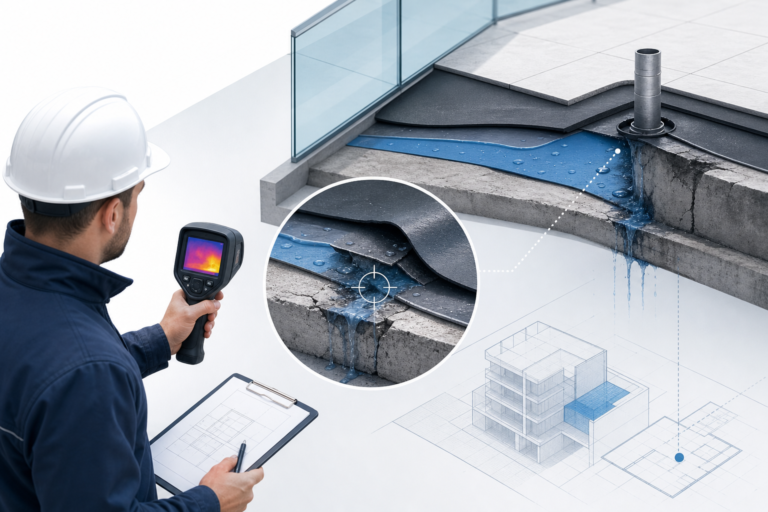
Waterproof Membrane Failure: How Inspectors Find the Cause
Waterproof membrane failure is diagnosed by tracing the water entry point, reviewing design documents, exposing the membrane for visual inspection,
Read More »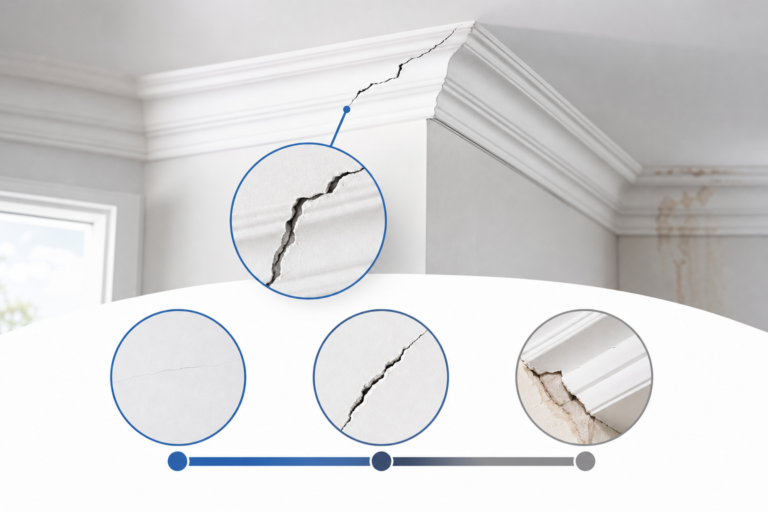
Cornice Cracking: How to Tell If the Damage Is Serious
Cornice cracking is one of the most common concerns Australian homeowners raise, and the hard part is not spotting the
Read More »
Digital Construction Consultant Australia: What They Do
A digital construction consultant in Australia manages the technology-driven side of building projects: BIM coordination, clash detection, asset data handover,
Read More »