
What Construction Project Consultants Actually Do
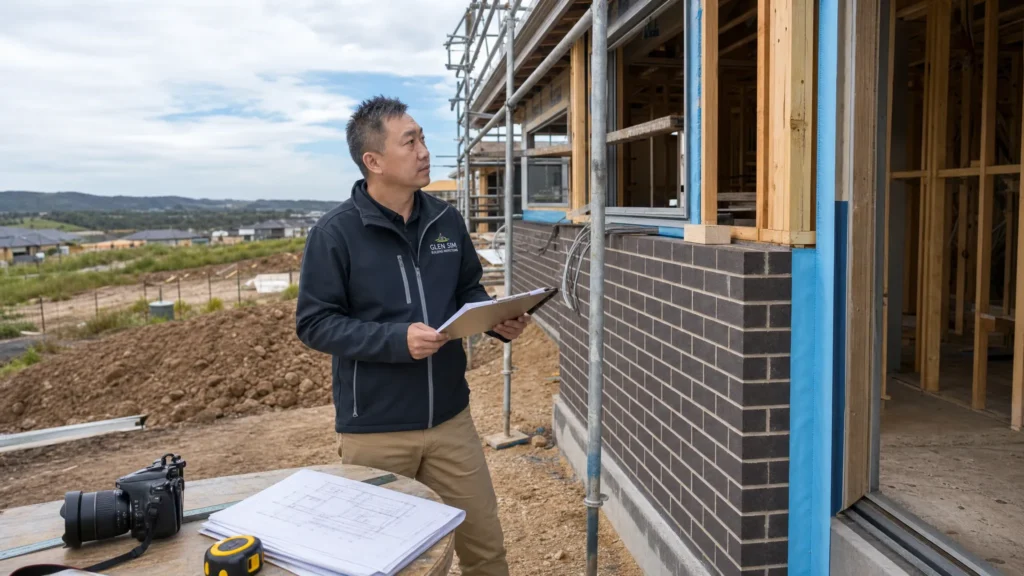
What Construction Project Consultants Actually Do
The phrase construction project consultant can sound vague, which is why many owners, builders and solicitors only look for one after a project has already become stressful. In practice, the role is very concrete: a consultant helps interpret the work, documents, risks and evidence so decisions can be made with less guesswork.
On a residential or commercial building project, that may mean reviewing scope, checking workmanship, assessing progress, advising on defects, helping quantify disputed work or preparing reports for a formal dispute. In NSW, the role becomes especially important when a matter may end up with NSW Fair Trading, NCAT, adjudication, expert determination or court proceedings.
Glen Sim, owner and director of Awesim Building Consultants, often sees the same problem from different sides. A homeowner may feel the work is defective or incomplete. A builder may say the claim misunderstands the contract or the actual site conditions. A solicitor may need a technical opinion that can be relied upon, not just another argument. A good consultant brings structure to that uncertainty.
The short answer: they turn building complexity into practical decisions
Construction project consultants help people understand what is happening on a project, what the documents require, what the work appears to show, and what options are available next.
They do not simply walk around a site and give broad opinions. The useful work is in connecting several things together: contract documents, drawings, specifications, photographs, site conditions, standards, codes, progress claims, variation claims, correspondence and the physical work itself.
A consultant may be involved before construction starts, during the build, near completion or after a dispute arises. The emphasis changes depending on the stage.
| Project stage | What a consultant may do | Why it matters |
|---|---|---|
| Before work starts | Review scope, drawings, specifications, risk areas and documentation gaps | Helps reduce ambiguity before it becomes a cost or quality issue |
| During construction | Assess progress, workmanship, variations, defects and communication records | Helps parties make timely, evidence-based decisions |
| Near completion | Identify incomplete or defective work, review handover issues and assist with rectification planning | Helps clarify what still needs to be done and why |
| In a dispute | Prepare independent assessments, expert reports, Scott Schedules or quantum-related opinions | Helps lawyers, owners, builders and decision-makers understand the technical issues |
If you are looking specifically at the project delivery side, Awesim has also covered what construction project management covers in NSW in more detail. The consultant role can overlap with project management, but it is not always the same thing.
They clarify scope before work starts
Many construction problems begin before anyone arrives on site. The contract may not clearly describe the work. The drawings may conflict with the specification. A quotation may leave out assumptions that later become expensive. A homeowner may think something is included, while the builder has priced the job differently.
A construction project consultant can review the available documents and identify areas that need clarification. This may include checking whether the scope describes the intended outcome, whether key inclusions and exclusions are obvious, and whether provisional sums, prime cost items or allowances are likely to cause disagreement later.
This does not replace legal review of a building contract. A solicitor should advise on legal rights, obligations and contract terms. The consultant’s value is different. They look at the building work and the practical construction risk behind the words.
For example, a bathroom renovation scope that says install new waterproofing may sound simple. A consultant may ask more practical questions. What substrate is being waterproofed? Is there evidence of existing water damage? Are falls to wastes adequate? Are junctions, penetrations and wet area detailing properly specified? Those questions can make a significant difference if a defect or variation dispute later arises.
They help control cost, time and risk
Construction projects are full of decisions that affect cost and delay. Some are obvious, such as owner-requested changes. Others are harder to see, such as latent conditions, design omissions, sequencing issues or remedial work needed because of earlier defective work.
A consultant may assist by reviewing progress claims, variation claims, extension-related issues or incomplete work. The goal is not to take sides by default. The goal is to understand whether the claim is supported by the documents and the physical work.
For owners, this can prevent paying for work that has not been properly completed or substantiated. For builders, it can help explain why additional work or cost is genuinely outside the original scope. For solicitors, it can turn a messy disagreement into specific items that can be analysed.
Time risk is similar. A consultant can help identify whether delays appear to be caused by documentation problems, access issues, late selections, defective work, weather, procurement delays or poor sequencing. The legal consequences of delay are for a lawyer to assess, but the technical and factual causes often need construction expertise.
They assess quality, defects and incomplete work
One of the most important things construction project consultants do is assess whether building work appears to comply with the contract, drawings, applicable standards, manufacturer requirements and acceptable construction practice.
In Australia, relevant benchmarks can include the National Construction Code, Australian Standards, project specifications, engineering details, product installation manuals and the contract itself. The right benchmark depends on the work being assessed.
A proper defect assessment should usually consider:
- What the alleged defect is, described clearly and specifically.
- Where it is located and how it was observed.
- Which document, standard, code requirement or accepted practice is relevant.
- Whether the issue is defective work, incomplete work, maintenance, wear, design-related or caused by another factor.
- What further investigation may be required if the cause is not visible.
This is where independent analysis matters. Saying the work looks poor is not the same as explaining why it is defective. Saying the work is acceptable is also not enough if there is no reasoning. A useful consultant report should help someone else understand the basis for the opinion.
If your main issue is defective work, Awesim’s guide on how a building construction consultant assesses defects explains the process in more depth.
They support communication and contract administration
A consultant can also help bring order to project communication. Construction disputes often become harder because the paper trail is unclear. Instructions may have been verbal. Photos may be undated. Variation discussions may be spread across emails, text messages and site meetings. Progress claims may not line up neatly with completed work.
Consultants can assist by identifying the key documents, matching issues to evidence, and helping parties understand what information is missing. This can be valuable before a dispute escalates because it gives both sides a clearer view of the facts.
However, it is important to understand role boundaries.
| Role | Main function | What they generally should not be expected to do |
|---|---|---|
| Builder | Carry out and manage construction work | Provide independent assessment of their own disputed work |
| Construction project consultant | Provide technical construction advice, assessments and reporting | Give legal advice or act as a substitute for a solicitor |
| Solicitor | Advise on legal rights, strategy, evidence and procedure | Personally determine technical building defects without expert input |
| Certifier or principal certifier | Perform statutory certification functions within their authority | Act as a general defects consultant for private contractual disputes |
| Expert witness | Provide independent opinion evidence for a tribunal or court | Advocate for the party who engaged them |
This distinction is particularly important in legal matters. A consultant engaged as an expert witness must understand that their duty is to assist the tribunal or court, not to argue a client’s case at all costs.
When a project consultant becomes dispute support
The role changes once a disagreement becomes a formal building dispute. At that point, the question is not just what went wrong. The question becomes what can be proven, how it should be presented, and whether the opinion is independent enough to be useful.
This is where Glen Sim and Awesim Building Consultants are often engaged for NSW matters involving expert witness reports, Scott Schedules, quantum meruit reports, NCAT dispute reports and building defect assessments.
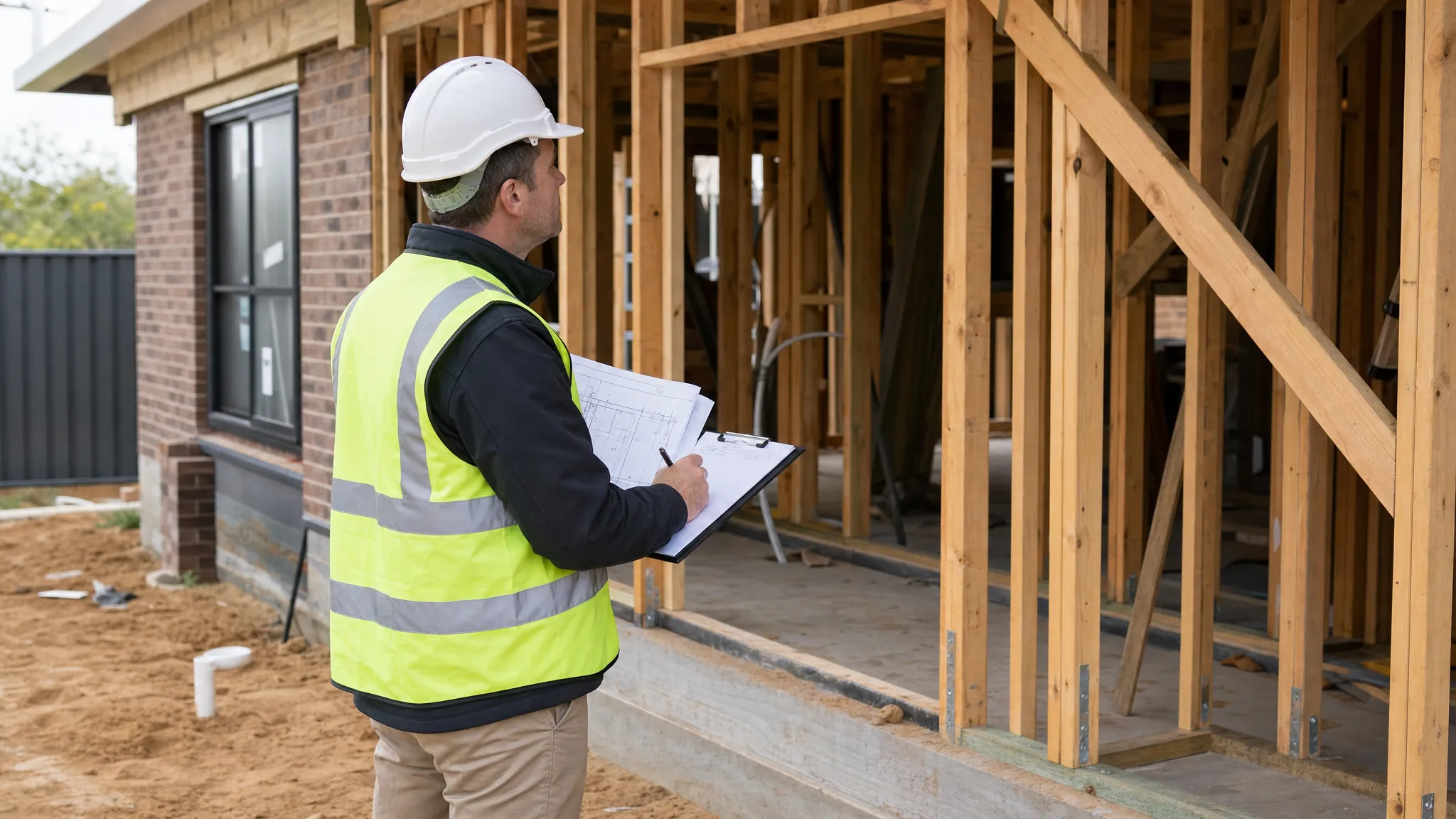
Expert witness reports
An expert witness report is not a general complaint letter. It should identify the issues, explain the observations, refer to relevant documents or standards, and set out the expert’s opinion in a structured way. In NSW building disputes, this can be critical for NCAT or court proceedings because decision-makers need technical matters explained clearly.
For a homeowner, an expert report can help show whether alleged defects are real and what rectification may involve. For a builder, it can help respond to allegations that are overstated, unsupported or caused by something outside the builder’s work. For a solicitor, it can help shape pleadings, settlement discussions, evidence and hearing preparation.
Scott Schedules
A Scott Schedule is commonly used in building disputes to organise alleged defects, incomplete work, claimed costs and responses. It is usually presented in a table format so each item can be considered separately.
This matters because construction disputes can become overwhelming. Instead of arguing about the project as one large problem, a Scott Schedule breaks the dispute into manageable items. Item 1 may be waterproofing. Item 2 may be tiling. Item 3 may be door hardware. Item 4 may be an alleged variation. Each item can then be linked to evidence, comments and claimed amounts.
Quantum meruit reports
Quantum meruit issues often arise where work has been performed but there is disagreement about payment, scope or contractual entitlement. A consultant may be asked to assess the reasonable value of work carried out, based on available evidence.
This type of report needs careful analysis. It may involve reviewing invoices, quotations, site records, photographs, drawings, rates, completed work and the circumstances in which the work was performed. The legal framework is for lawyers to address, but the construction assessment can be central to the outcome.
For a broader view of how technical advice fits into a legal matter, see Awesim’s article on what a building consultant can do for your case.
What construction project consultants do for homeowners
Homeowners usually engage a consultant because they feel exposed. They may not know whether the builder is correct, whether the work is acceptable, or whether a payment should be made. They may also worry that raising concerns will make the project worse.
A consultant can provide an independent technical view. That may include identifying defects, explaining whether an issue is serious, distinguishing cosmetic concerns from compliance issues, and helping the owner understand what evidence should be kept.
This can be especially useful before making a formal complaint. A well-prepared owner is usually in a stronger position than an owner relying only on frustration, photos and general statements.
What they do for builders
Builders also benefit from independent consulting, particularly when a claim is unclear, exaggerated or technically complex. Not every complaint is valid. Some issues are design-related, maintenance-related, caused by owner instructions or outside the builder’s contracted scope.
A consultant can help a builder respond with evidence rather than emotion. This may include reviewing the alleged defects, identifying missing context, assessing completed work, commenting on variations, or helping separate genuine rectification items from disputed or unsupported claims.
For builders, the value is not in having someone simply agree with them. The value is in receiving an opinion that is reasoned, independent and capable of standing up to scrutiny.
What they do for lawyers and solicitors
For solicitors, a construction project consultant can be the bridge between legal argument and building reality. A file may contain hundreds of pages of emails, photographs, invoices, plans and allegations. The solicitor needs to know which technical issues matter, which evidence is weak, and which points require expert opinion.
An experienced consultant can help define the technical issues early. This may support advice on prospects, settlement strategy, pleadings, mediation, directions, expert conclaves or hearing preparation.
The best results usually come when the consultant is briefed early enough to influence evidence preparation, not only after positions have hardened.
What they do not do
A construction project consultant is useful, but the role has limits. Clear limits protect the client and improve the quality of the advice.
A consultant generally should not:
- Provide legal advice about rights, remedies or litigation strategy.
- Replace the builder’s responsibility to manage and complete the work.
- Replace a certifier, engineer, architect or specialist where that specific expertise is required.
- Promise a particular NCAT or court outcome.
- Act as an advocate when engaged to provide independent expert evidence.
This is one reason independence matters. A consultant who only says what a client wants to hear may feel helpful in the short term, but their opinion may be less useful when tested in negotiation, mediation or a hearing.
When should you engage a construction project consultant?
The best time is often earlier than people think. Waiting until the relationship has completely broken down can make the assessment harder because work may be covered up, records may be missing and both sides may already be entrenched.
Consider engaging a consultant if you see signs such as repeated disagreement about defects, unexplained cost increases, disputed variations, slow or incomplete rectification, conflicting interpretations of the scope, large payment claims, water ingress, structural concerns, or a solicitor requesting technical evidence.
Early advice does not always mean starting a dispute. Sometimes it helps resolve one. A clear report or independent site assessment can narrow the issues and give both parties a more realistic basis for negotiation.
How to choose the right consultant in NSW
The right consultant depends on the problem. A live project needing coordination may require different support from a formal NCAT dispute needing independent expert evidence.
For building disputes, look for someone who can explain their process, identify the documents they need, assess physical work against relevant benchmarks, and prepare a report that is clear enough for non-builders to understand. Experience with NSW dispute pathways is also important because a report written for a casual site discussion is different from a report prepared for a legal matter.
You should also pay attention to communication style. The consultant should be able to speak plainly without oversimplifying. They should be willing to identify weaknesses as well as strengths. Glen Sim’s role at Awesim is built around that kind of independent, practical construction analysis for owners, builders and solicitors across NSW.
Frequently Asked Questions
Are construction project consultants the same as project managers? Not always. A project manager usually helps coordinate delivery, timing, trades, procurement and administration. A construction project consultant may advise on those issues, but may also focus on independent assessment, defects, claims, reports and dispute support.
Can a consultant help before a dispute reaches NCAT? Yes. Early advice can clarify the technical issues, identify evidence gaps and sometimes help resolve the matter before formal proceedings. If the dispute does proceed, early documentation can also be valuable.
Do homeowners and builders both use construction consultants? Yes. Homeowners may need help understanding defects, incomplete work or payment concerns. Builders may need independent assessment of allegations, variations, progress claims or scope disputes.
Does a construction consultant provide legal advice? No. Legal advice should come from a qualified solicitor. A consultant provides technical building advice and evidence that may assist the solicitor, client, tribunal or court.
What documents should I prepare before speaking to a consultant? Useful documents may include the contract, quotation, drawings, specifications, variations, progress claims, invoices, photos, videos, emails, text messages, site meeting notes and any notices or reports already received.
Need independent support for a NSW building matter?
If you are dealing with defective work, incomplete work, disputed variations, payment issues or a matter heading toward NCAT or court, independent technical advice can make the next step clearer.
Awesim Building Consultants provides NSW-wide building dispute support, including expert witness reports, Scott Schedules, quantum meruit reports, defect assessments and litigation support. To discuss your matter with Glen Sim and the Awesim team, contact Awesim Building Consultants.

Related Posts

Schedule of Rates in Construction: How Disputes Arise in NSW
A Schedule of Rates contract prices construction work by unit rates applied to measured quantities, so the final cost varies
Read More »
NCAT Consumer Division: Steps From Lodgement to Hearing
Most people who end up at the NCAT Consumer and Commercial Division do not arrive there by choice. They arrive
Read More »
Statutory Warranty NSW: What Builders Must Fix and for How Long
Statutory warranty NSW obligations exist precisely for the moment a builder stops returning calls. A crack appears in the render.
Read More »