
Expert Witness Reports for Building Disputes in NSW: What You Need to Know

Building disputes in New South Wales often involve complex technical issues such as defective work, incomplete construction, or payment claims. When these matters reach the NSW Civil and Administrative Tribunal (NCAT) or a court, the decision-maker relies on independent, specialised evidence. Expert witness reports are one of the most important pieces of evidence in these proceedings. Prepared by qualified building consultants, these reports provide impartial opinions that help resolve disputes fairly and efficiently. This article explains what an expert witness report is, the legal framework governing them in NSW, and what you need to know if you are involved in a building dispute.
What Is an Expert Witness Report?
An Expert Witness Report is a formal written statement prepared by a qualified expert who has specialised knowledge in a particular field relevant to a legal matter. In the context of building disputes, the expert may be a building consultant, engineer, architect, or another professional with expertise in construction, building defects, or asbestos management. The report presents the expert’s opinion on specific issues, based on the facts of the case and the expert’s own investigations. The key feature of an expert witness report is that it must be independent and impartial. The expert’s overriding duty is to assist the court or tribunal, not the party that engaged them.
The Legal Framework for Expert Witness Reports in NSW
In New South Wales, the use of expert evidence is governed by the Uniform Civil Procedure Rules 2005 (UCPR) and the Expert Witness Code of Conduct set out in Schedule 7 to the UCPR. The Land and Environment Court of NSW (LEC) also has its own Joint Expert Reports Policy, which provides that an expert report should generally engage with the matters the experts are required to address and any other relevant matters. Whether your dispute is in NCAT, the LEC, or another court, the same core principles apply: the expert must comply with the code of conduct, and the report must meet certain content requirements.
Compliance with the Expert Witness Code of Conduct
An expert witness must comply with the code of conduct in Schedule 7 of the UCPR (rule 31.23(1)). The code sets out the expert’s duty to the court and the requirements for the report. An expert’s report and oral evidence may not be received in evidence unless the expert acknowledges that they have read the code of conduct and agree to be bound by it. This acknowledgment is typically included in the report itself. The code emphasises that the expert’s primary duty is to the court, overriding any obligation to the person who engages or pays the expert.
What a Valid Expert Witness Report Must Include
According to the guidelines for experts in NSW, a valid expert witness report should contain the following elements:
- the expert’s qualifications and experience
- a clear explanation of the expert’s opinion on the issues in dispute
- the facts, matters, and assumptions on which the opinion is based
- reasons for the opinion
- any literature or other material used to support the opinion
- a statement that the expert has read and complied with the Expert Witness Code of Conduct
- the expert’s acknowledgment that the report is prepared for the purpose of the proceedings
In building disputes, the report will often include details of inspections, photographs, test results, and references to relevant building standards and codes. The report must be thorough and logically structured so that the tribunal or court can follow the expert’s reasoning.

How Expert Witness Reports Are Used in Building Disputes
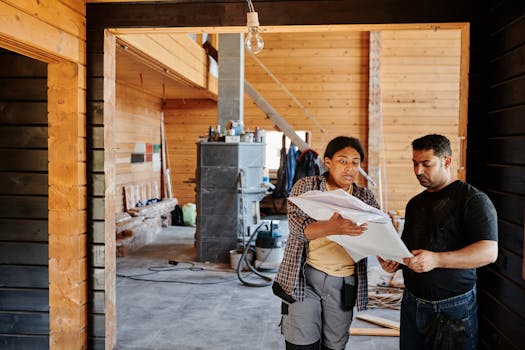
Building disputes in NSW can arise in many contexts: homeowners suing builders for defective work, builders claiming unpaid amounts, or disputes between owners corporations and contractors. At NCAT, which hears most residential building disputes, expert witness reports are common. They help the tribunal understand technical issues that are outside the ordinary knowledge of the tribunal members. The report may be submitted as evidence in chief, and the expert may be required to appear for cross-examination.
In some cases, the tribunal or court may order a conclave of experts or “hot tubbing”, where experts from both sides discuss the issues in the presence of the decision-maker. This process can narrow the areas of disagreement and help the court reach a conclusion. The Land and Environment Court’s Joint Expert Reports Policy encourages experts to engage with the matters they are required to address and to produce a joint report identifying areas of agreement and disagreement.
Single Experts and Multiple Experts
In some proceedings, a single expert may be appointed by the court or agreed upon by the parties. This is particularly common when the issues are narrow or the cost of multiple experts is disproportionate. The research pack notes that single experts may be ordered when appropriate. In other cases, each party may retain their own expert. Regardless of the arrangement, each expert must comply with the code of conduct and provide an independent opinion.

The Expert Witness Code of Conduct in Detail
The Expert Witness Code of Conduct for NSW proceedings was revised and came into effect in 2017. Expert witnesses engaged for NSW proceedings should ensure they receive a copy of the revised code and comply with its requirements. The code is a court document that guides experts on their role in giving an expert opinion. An expert should obtain a copy of the code and read it carefully before preparing any report.
Key duties under the code include:
- an overriding duty to assist the court impartially on matters relevant to the expert’s area of expertise
- a duty to provide an opinion that is independent and not influenced by the party that engaged the expert
- a duty to inform the court of any change of opinion
- a duty to state the facts and assumptions on which the opinion is based
The code also requires that an expert report contain a statement that the expert has read the code and agrees to be bound by it. Failure to comply can result in the report being excluded from evidence.
Preparing an Expert Witness Report for a Building Dispute
If you are a building professional asked to prepare an expert witness report, or a party needing to engage an expert, here are practical points to consider:
- Choose the right expert. The expert must have qualifications and experience in the relevant area, such as building defects, structural engineering, or construction management.
- Define the issues. The expert should be given clear instructions on the specific questions they need to address. Vague instructions lead to vague reports.
- Provide all relevant information. The expert needs access to the contract, plans, correspondence, site records, and any previous reports.
- Allow time for inspections. Many building disputes require a site inspection. The expert must be able to access the property safely and thoroughly.
- Review the report for compliance. Ensure the report includes all required elements, especially the code of conduct acknowledgment.
The Land and Environment Court’s expert evidence pages note that evidence may be given by witnesses in writing, such as in an affidavit, witness statement, or expert report. The evidence may be of facts or opinions by experts. Expert opinions are admissible only if the expert has specialised knowledge based on training, study, or experience.
Frequently Asked Questions
Do I need an expert witness report for a building dispute in NCAT?
NCAT often requires expert evidence in building disputes, especially when the issues involve technical matters like structural defects or compliance with the Building Code of Australia. While not mandatory in every case, an expert witness report strengthens your position and helps the tribunal understand the technical aspects. It is common for both parties to submit reports.
What happens if an expert witness fails to comply with the Code of Conduct?
If an expert does not comply with the Expert Witness Code of Conduct, their report may not be admitted into evidence. The court or tribunal may also reject oral evidence from that expert. In serious cases, the expert may be ordered to pay costs or face sanctions. It is essential that any expert engaged for NSW proceedings obtains and follows the code carefully.
Can a single expert report be used for both parties?
Yes. In some cases, the court or tribunal may order a single expert to prepare a report that both parties can rely on. This is often more cost-effective and can reduce delays. The single expert must remain impartial and comply with the same code of conduct as any other expert. The parties may still have the right to ask questions or adduce further evidence on the issues.
How long does it take to prepare an expert witness report for a building dispute?
The time required depends on the complexity of the dispute, the availability of the expert, and the need for site inspections. A straightforward report on a single defect may take a few days, while a complex multi-issue dispute can take several weeks. It is best to engage an expert early in the process to allow sufficient time for a thorough report that meets all legal requirements.
What is the cost of an expert witness report in NSW?
The research pack does not specify standard costs for expert witness reports in NSW. Fees vary significantly depending on the expert’s qualifications, the scope of work, and the urgency. You should request a quote from the building consultant before engaging them. Factors include inspection time, report writing, and attendance at hearings if required.
Related Posts

NCAT Consumer Division: Steps From Lodgement to Hearing
Most people who end up at the NCAT Consumer and Commercial Division do not arrive there by choice. They arrive
Read More »
Statutory Warranty NSW: What Builders Must Fix and for How Long
Statutory warranty NSW obligations exist precisely for the moment a builder stops returning calls. A crack appears in the render.
Read More »
Home Building Act NSW: Key Clauses Every Owner Should Know
The Home Building Act 1989 (NSW) sets the rules for residential building work in New South Wales. It requires licensed
Read More »