
Documenting Defects: A Homeowner’s Checklist for NSW

If you own a home or an investment property in New South Wales, discovering a building defect can be stressful and costly. Common factors that can cause building defects include time and cost pressure during construction, as well as unreasonable client demands and expectations. The key to protecting your rights and resolving the issue is prompt and thorough documentation. This article provides a practical checklist to help you document building defects in NSW, so you have the evidence needed whether you approach your builder, lodge a complaint, or pursue a dispute at the NSW Civil and Administrative Tribunal (NCAT).
What Is a Building Defect?
A building defect is a fault or failure in the design, construction, or performance of a building that does not meet the relevant standards. In NSW, the Building Defects Library, maintained by the state government, lists the most common building defects for certifiers, councils and other relevant industry members. The library references the National Construction Code (NCC) and Australian Standards. It is split into five building elements as defined in the Design and Building Practitioner (DBP) Act: Waterproofing, Fire Safety, Structure, Building Enclosure, and Services. Notably, a small selection of defect types was responsible for a large proportion of the defects found in building site audits.
Why Documentation Matters
Without clear evidence, proving that a defect exists and when it first appeared becomes difficult. An expert witness building report can help clarify building defects and construction issues through independent assessment. Engineers Australia provides high-level guidance on the obligations, responsibilities, and areas of expertise of owners, strata managers and engineers regarding building defects. By documenting defects properly, you create a reliable timeline and description that supports any claim or negotiation. Whether you are dealing with a developer, builder, or insurer, good records give you a stronger position.

Your Step-by-Step Checklist
Start documenting as soon as you suspect a problem. Promptly document and report any defects you find, and obtain development drawings and approval documents. The following steps cover the essentials of documenting building defects for legal claims in Australia.
1. Gather Your Documents
Collect all relevant paperwork before you take a single photograph. This includes the original building contract, development approvals, council consent documents, building plans, specifications, and any certificates of occupancy or compliance. If you have correspondence with the builder or developer about the issue, include that as well. Having these documents on hand helps a building consultant or expert witness understand what was originally approved and what was supposed to be built.
2. Take Comprehensive Photographs
Photography is one of the most effective ways to capture a defect. Use a camera or smartphone with a date-stamp function enabled. Take wide-angle shots that show the defect in context, then close-up images that capture the detail. For example, if you have a crack in a wall, take a photo showing the entire wall, then a close-up of the crack, and if possible, include a ruler or coin to show scale. Photograph each defect from multiple angles and record the date and time. Keep your images organised in folders labelled by location and date.
3. Keep Written Records
Written records add context and clarity to your photographic evidence. Note the date you first noticed the defect, any changes over time, and any relevant details such as weather conditions, recent work done, or conversations with the builder. A simple log in a notebook or a digital document is sufficient. Include any emails, text messages, or letters you exchange with the builder about the defect. If the problem worsens, record that too. Consistent written records demonstrate that you are monitoring the issue carefully.
4. Arrange a Formal Inspection
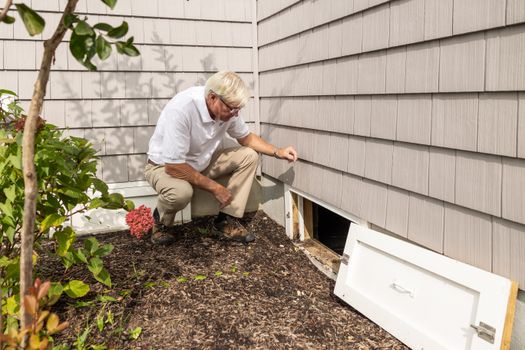
A formal inspection by a qualified building consultant or engineer provides an independent assessment. A building defects report contains details of the analysis of the property’s condition, descriptions and assessment of all faults and damages. The consultant will compare what they observe against the NCC, Australian Standards, and the approved plans. They may use tools such as moisture meters, levels, and thermal cameras. Once the inspection is complete, you receive a written report that you can use in negotiations or as evidence in a building dispute at NCAT or in court.
What to Include in a Building Defect Report
A building defect report typically covers a thorough property condition analysis. It includes descriptions and assessments of all faults and damages, often with photographs and annotated drawings. The report will reference the relevant sections of the NCC and Australian Standards that have not been met. It may also include a repair methodology or cost estimate, though this depends on the scope you agree with the consultant. If you plan to use the report in legal proceedings, an expert witness building report prepared by a registered professional is essential because it provides an independent, impartial opinion.
When you commission a building defect report, ensure the consultant has experience with the type of building you own and with disputes in NSW. The report should clearly state the consultant’s qualifications, the inspection methodology, and the findings. It should also note any limitations, such as areas that could not be accessed. Keep a copy of the report for your records and share it with your legal representative if you are pursuing a claim.
Building Defect Report vs Dilapidation Report
Homeowners sometimes confuse a building defects report with a dilapidation report. Both involve detailed inspections of a property and the identification of structural issues, cracks, damage. However, a dilapidation report is typically prepared before or after construction work near an existing property to document its condition at that point in time. It is often used to protect against claims of damage caused by nearby works. A building defects report, on the other hand, focuses on faults in a recently completed building or an existing structure that do not meet the required standards. If you are dealing with a defect in a new home or a renovation, you need a building defects report, not a dilapidation report.

Frequently Asked Questions
How long do I have to notify the builder about a defect in NSW?
In NSW, the statutory warranty period for most building work is six years for major defects and two years for other defects, starting from the date the work was completed. You should notify the builder in writing as soon as you discover a defect, ideally within the relevant timeframe. Delaying notification can complicate your claim. Check the Home Building Act 1989 for exact timeframes, or speak to a building lawyer.
Can I take photos of a defect without the builder’s permission?
Yes, you are entitled to take photographs of your own property without seeking permission from the builder. If the defect is in a common area of a strata scheme, check your by-laws or speak to the strata manager before photographing. For interior areas that you occupy, there is generally no issue. Always date your photos and store them securely.
What should I do if the builder refuses to acknowledge the defect?
First, send a formal written notice detailing the defect and include your supporting documents and photographs. Keep copies of all correspondence. If the builder still refuses, you may need to commission an expert witness building report and consider lodging a claim at NCAT. Engaging a building consultant early in the process can help you understand the strength of your case and the next steps.
Is an expert witness report the same as a building defect report?
Not exactly. A building defect report describes the condition of a property and identifies faults. An expert witness report is a specific type of building defect report prepared for use in legal proceedings. It includes an independent assessment, references to standards, and an opinion on liability or repair methods. If you intend to take your dispute to NCAT or court, you will need an expert witness report prepared by a qualified professional who can give evidence if required.
Proper documentation is the foundation of any successful building dispute. By following this checklist, you can capture the evidence needed to support your claim, whether you are dealing with a small crack or a major structural issue. If you need expert assistance, consider engaging a building consultant who can provide an independent assessment and prepare a report tailored to the requirements of NSW tribunals and courts. Acting early and methodically gives you the best chance of a fair resolution.

Related Posts

Strata Report: What Buyers Need to Read Before Signing
A strata report is the document that surfaces hidden obligations before you are legally committed to a purchase. A strata
Read More »
Inspection of Structures: What to Check Before You Buy
An inspection of structures examines a property's load-bearing elements, including foundations, walls, beams, roof framing, and floor systems, to identify
Read More »
Water Damage in Homes: How to Track Down the Source
Water damage in a home rarely announces itself at the source. A stain on the ceiling, a musty smell in
Read More »