
What Does a Strata Property Inspection Cover in NSW?

Buying a strata-titled property in New South Wales can be an exciting step, but it also comes with shared responsibilities and ongoing financial commitments. A strata property inspection, also known as a strata search or pre-purchase strata report, is one of the most important due diligence steps you can take. Unlike a standard building inspection, this review focuses entirely on the records of the Owners Corporation, the body that manages the common property and financial affairs of the building. Understanding what a strata inspection covers will help you avoid unexpected costs and make a confident purchase decision.
What Is a Strata Property Inspection?
A strata property inspection is a review of the Owners Corporation records for a strata-titled property. It is not a physical building inspection. The report is also referred to as a strata search, an Owners Corporation Records Inspection, a Section 108 report, or a pre-purchase strata report. It is recommended for all purchasers of strata-titled, community-titled, or company-titled properties, whether residential or commercial. In New South Wales, the records must comply with the requirements of the Strata Schemes Management Act 2015.
Because a strata inspection examines the administrative and financial history of the scheme, it gives you a window into how the building has been managed and what future costs you might face. The report is conducted by specialised strata inspectors or solicitors and can take a few days to complete. The cost is typically a few hundred dollars, which is a small price to pay for the level of risk protection it offers.
What a Strata Inspection Report Covers
A comprehensive strata inspection report covers several key areas of the Owners Corporation’s records. Here is what you can expect to find in a standard report:
- Financial status, This includes the current level of levies, the state of the sinking fund (used for major capital works) and the administrative fund (used for day-to-day running costs). It helps you see whether the scheme has enough money for planned maintenance or whether a special levy may be needed soon.
- Legal matters, Any disputes, litigation, or tribunal proceedings involving the Owners Corporation are listed. This could include neighbour conflicts, builder disputes, or action against a lot owner.
- Maintenance history, The report shows what repairs and upgrades have been carried out in recent years and what is planned for the future.
- Insurance details, You can see whether the building has adequate insurance cover and whether any claims have been made.
- Meeting minutes, Minutes from annual general meetings and executive committee meetings reveal ongoing issues, owner concerns, and decisions about spending and by-laws.
- By-law breaches, Any breaches of the scheme’s by-laws, such as unauthorised renovations or noise complaints, are recorded.
- Compliance issues, The report checks for compliance with fire safety regulations, asbestos management, and workplace health and safety requirements.
By reviewing these records, you can identify potential special levies, financial risks, and hidden costs before you commit to the purchase. A well-prepared strata report can prevent you from inheriting a poorly managed scheme with mounting expenses.

How Strata Inspection Differs From a Building Inspection
One of the most common misunderstandings is that a strata inspection is the same as a building inspection. They are very different. A building inspection involves a physical examination of the property for defects such as water damage, structural cracks, termite infestation, or faulty electrical work. A strata inspection, on the other hand, reviews only the administrative and financial records of the Owners Corporation. It will not identify issues like water damage or structural defects in your individual apartment or the common property.
Both reports serve a distinct purpose. If you are buying a strata property, you should arrange for both a building inspection and a strata inspection to get a complete picture. Some inspection companies in NSW offer a service that combines a physical assessment of common property, using tools such as thermal imaging, with a records review. However, this is provider-specific and does not represent the standard definition of a strata inspection. Always confirm with the inspector exactly what is included in their service.

Who Conducts Strata Inspections and How Long Does It Take?
Strata inspections are carried out by specialised strata inspectors, many of whom have backgrounds in property management, law, or building consultancy. Solicitors can also arrange these reports on behalf of clients. The process typically takes a few days because the inspector must request and review all relevant documents from the strata manager.
As a buyer, you also have the option to inspect the strata records yourself. The NSW Government website advises that you can contact the strata manager through the real estate agent and arrange to view the records in person. This may be a cost-saving option, but it requires time and a good understanding of what to look for. Most buyers prefer to rely on a professional strata inspector who knows exactly what to check and can flag red flags quickly.
Why Buyers in NSW Should Order a Strata Inspection
Buying into a strata scheme means sharing responsibility for common property and financial decisions with other lot owners. Without a strata inspection, you could be unaware of major repairs looming on the horizon, underfunded sinking funds, or ongoing legal disputes that could affect your enjoyment and financial exposure. Special levies can be substantial, and a poorly managed scheme can lead to ongoing stress and unexpected bills.
A strata inspection gives you the information you need to negotiate on the purchase price, request that certain issues be rectified before settlement, or even walk away from a problematic property. It is a relatively small investment, typically a few hundred dollars, that can save you thousands in the long run. For any buyer considering a strata-titled property in NSW, a pre-purchase strata report is a responsible and practical step.

Frequently Asked Questions
Is a strata inspection the same as a building inspection?
No, a strata inspection reviews the Owners Corporation records only, it does not include a physical examination of the property. A building inspection physically checks for defects like water damage or structural issues. You need both types of inspection to fully assess a strata-titled property before purchase.
Can I inspect strata records myself instead of paying for a report?
Yes. The NSW Government advises that you can contact the strata manager through the real estate agent to arrange access to the records yourself. However, reading meeting minutes and financial statements requires some knowledge. Many buyers prefer a professional strata inspection to ensure nothing is missed.
How much does a strata inspection cost in NSW?
A strata inspection typically costs a few hundred dollars. The exact price varies between providers depending on the level of detail and the turnaround time. Considering the potential financial risks involved, this cost is considered a worthwhile investment for due diligence.
What happens if the strata inspection finds problems?
If the report reveals financial shortfalls, legal disputes, or major maintenance issues, you can use that information to negotiate a lower purchase price, request that the vendor address specific problems before settlement, or decide to withdraw from the purchase altogether. Professional advice from a solicitor or building consultant is recommended in these situations.
How long does a strata inspection take?
The process usually takes a few days from the time the inspector requests the records to when you receive the final report. The strata manager must provide the documents, and the inspector then reviews and summarises them. If you are on a tight settlement timeline, ask the inspection provider about their turnaround time upfront.

Related Posts
Dilapidation Report Template: What Must Be in the Document
What a Dilapidation Report Actually Is The Core Sections Every Dilapidation Report Template Must Include 1. Cover Page and Report
Read More »
Scott Schedule Template: What Columns a NSW Claim Needs
What Is a Scott Schedule? Why the Column Structure Matters The Core Columns in a NSW Scott Schedule Template Column
Read More »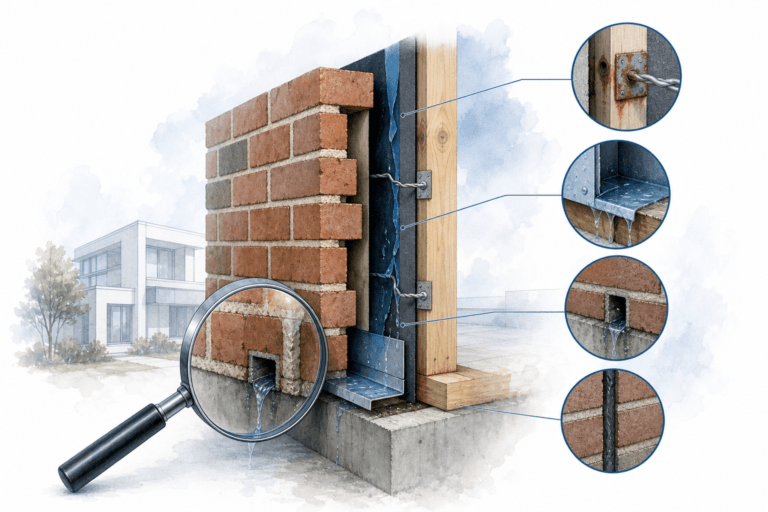
Brick Veneer Construction Defects: A Site Inspector’s View
What Brick Veneer Construction Actually Is The Most Common Brick Veneer Construction Defects Cracking in the Brickwork Missing or Blocked
Read More »