
Building Dispute About Cladding Your Ultimate NSW Guide

You open the strata email and your stomach drops. The committee says the façade may contain combustible cladding. The insurer is asking questions. A unit owner wants to sell and can’t get clean answers. The builder says the product was common at the time. Nobody seems willing to say, in plain English, what happens next.
That’s how a building dispute about cladding usually starts in NSW. Not with a courtroom. With uncertainty, incomplete records, and a growing sense that the problem is bigger than one crack, one panel, or one awkward email from strata.
After more than three decades in building and construction, and many years dealing with disputes, one point keeps coming up. Cladding matters are rarely solved by argument alone. They’re solved by evidence, method, and a clean path through the NSW process.
The Unfolding Crisis of Combustible Cladding in NSW
For many owners, the first clue isn’t visible fire risk. It’s an audit notice, an insurance renewal shock, or a consultant’s recommendation buried in AGM papers. A lot of people still assume cladding only becomes a problem if panels are falling off or obvious flames are involved. That’s not how these disputes work.
The issue in NSW sits in the long shadow of the Grenfell Tower fire on 14 June 2017. That event triggered a national response in Australia, and many buildings were identified as needing urgent remediation. In NSW, the pressure then flowed into the dispute system, with a 40% surge in NCAT disputes from 2019 to 2023, and cladding cases making up 25% of all building defect claims according to the cited data in the dangerous cladding remediation portfolio reference.
Why owners feel cornered
A façade problem quickly stops being just a building issue. It turns into a liability issue, a resale issue, and a governance issue for the owners corporation.
One side says the material complied when installed. Another says the installation was defective. A third points to certification, detailing, cavity barriers, or product substitution. At that point, the question isn’t “who’s right?” It’s “what you can prove?”
Practical rule: Cladding disputes get harder the longer a building relies on assumptions instead of records.
For owners trying to make sense of materials and risk categories, it also helps to understand the broader family of exterior hazards and legacy products. This plain-language resource on understanding hazardous cladding materials is useful background if you’re trying to separate product type, age, and risk before you speak to a consultant.
This is widespread, not isolated
If your building is affected, that doesn’t mean your committee failed or your manager missed something obvious. The NSW cladding problem became systemic because product selection, approvals, substitutions, certification pathways, and installation quality often didn’t align cleanly.
That’s why a casual discussion with the builder rarely fixes a serious building dispute about cladding. The cases that move forward well usually start with disciplined evidence and a realistic view of what NCAT will need.
Your First Steps Spotting and Documenting Cladding Defects
The first job isn’t to prove the whole case yourself. It’s to preserve facts before they’re lost, changed, or disputed.
By 2024, 496 high-rise buildings in NSW still carried significant cladding risks, and insurance premiums for affected buildings had risen by as much as 500% according to the cited report at the FPA cladding data article. That means poor early documentation can become expensive quickly.
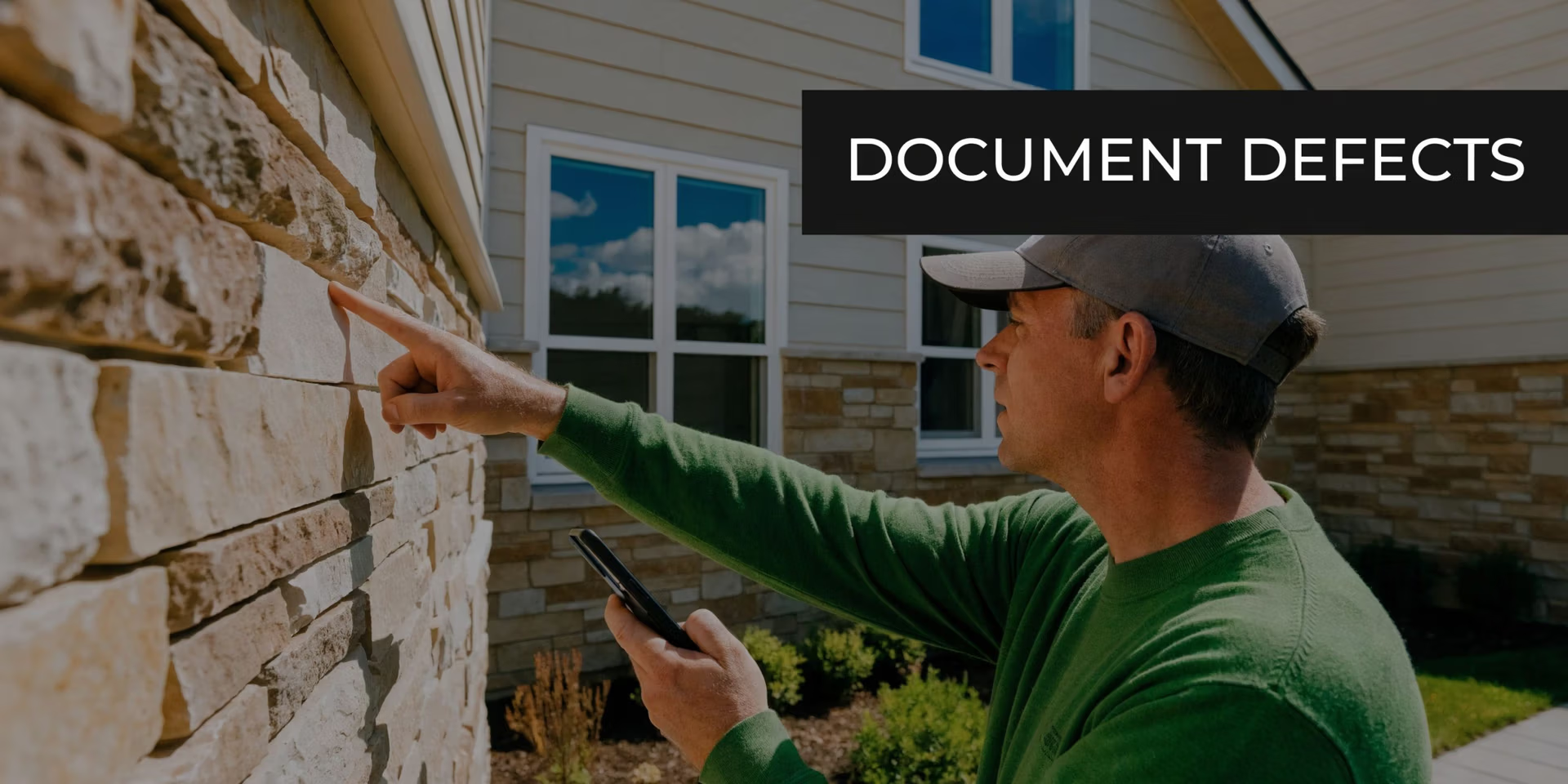
What to look for on the façade
Some signs point to product risk. Others point to installation failure. Both matter.
Walk the site carefully and record what you can see from common property and safe vantage points:
- Panel distortion: oil canning, bowing, rippling, or movement around fixings.
- Open joints: gaps at panel edges, failed sealant, missing backing, or poor alignment.
- Water indicators: staining, swelling of adjacent finishes, rust marks, dampness at internal walls near the façade line.
- Fire stopping concerns: visible cavities, penetrations, or inconsistent barrier details where services pass through.
- Edge and corner damage: chipped corners, exposed core material, delamination, or impact damage.
- Inconsistent replacements: panels that don’t match in thickness, finish, colour, or fixing pattern. These can suggest undocumented substitutions or patch repairs.
If you’re in a strata scheme, don’t let ten owners each create their own version of events. Nominate one person to maintain a central defect register.
How to create a usable defect register
A usable register is simple. It doesn’t need legal language. It needs order.
Include:
- Date observed
- Exact location
- Photo reference
- Short description
- Who observed it
- Any related weather event, maintenance issue, or prior repair
- Whether the builder, strata manager, or insurer was notified
A lot of owners take plenty of photos but make them almost useless later because they don’t mark location. “Level 8 east elevation near Unit 32 balcony door” is useful. “Crack in cladding” isn’t.
Photograph like you may need the image in NCAT
Take each issue in three ways:
- Context shot: shows where on the building it sits
- Mid-range shot: shows the surrounding assembly
- Close shot: shows the defect itself
Keep the original file dates. Don’t crop aggressively. Don’t add arrows over the only saved version. Save a clean original and a marked-up copy.
If a defect changes over time, the timeline matters almost as much as the defect itself.
Gather the paperwork before it disappears
In cladding matters, records often sit in different places. Some are with strata, some with the original superintendent, some with council records, and some with the builder if they’re still cooperating.
Start assembling:
- Approved plans and elevations
- Specifications and product schedules
- Occupation certificate and fire safety records
- Tender documents if available
- Variation records
- Emails about façade repairs or leaks
- Meeting minutes discussing cladding, insurance, or fire advice
- Previous consultant reports
If you need a broader template for documenting defects and site observations, this house inspection checklist gives a practical starting point for organising notes and photos.
What not to do
Owners often weaken their position by moving too fast in the wrong direction.
Avoid these mistakes:
- Don’t remove panels yourself: that can destroy evidence.
- Don’t rely on verbal summaries: ask for written responses.
- Don’t mix maintenance issues with defect claims without separating them: the distinction matters later.
- Don’t accept “it’s compliant” without the underlying basis: product name alone isn’t enough.
Good cladding disputes are built from facts gathered early, while the trail is still visible.
Building Your Case With Expert Reports and Scott Schedules
Initial photos and committee notes are useful. They won’t carry a contested cladding matter on their own.
Once the dispute becomes real, the case needs to shift from concern to proof. That means an independent technical assessment, a report that ties findings to the applicable standards and documents, and a Scott Schedule that lets NCAT compare competing positions defect by defect.

The procedural side matters more than many owners realise. In NSW cladding disputes, 25% of cladding cases are dismissed for evidentiary gaps, and expert-prepared Scott Schedules that properly cross-reference defects and responses can resolve 60% of disputes pre-hearing, based on the cited material at this discussion of Scott Schedule requirements.
What an expert report does
An Expert Witness Report isn’t there to sound impressive. It has a practical job. It identifies the observed defect, explains why it is a defect, links that finding to the relevant standards or contract documents, and sets out what rectification should involve.
In a cladding case, that often means the report addresses points such as:
- product identification
- installation method
- façade detailing
- evidence of non-compliance
- relationship between product and fire risk
- water ingress implications
- required rectification scope
A proper report also separates proven facts from assumptions. That distinction matters in conference, mediation, and hearing.
Why independent evidence beats advocacy
NCAT doesn’t need a cheer squad. It needs usable evidence.
A weak report usually has one or more of these problems:
- It argues instead of analysing
- It skips the governing document trail
- It gives rectification opinions without properly describing the assembly
- It uses broad language such as “unsafe” or “non-compliant” without showing why
A strong report is different. It is precise, site-based, and anchored to what was observed and tested.
The best expert evidence usually reads plainly. It doesn’t hide the technical point. It makes it understandable.
The Scott Schedule is where the case gets organised
If the expert report is the technical backbone, the Scott Schedule is the working map of the dispute.
It usually lists each defect in a table and then records the positions side by side. That forces clarity. One row, one issue, one location, one allegation, one response, one proposed rectification path.
In cladding matters, a good Scott Schedule should usually include:
| Item | What should appear |
|---|---|
| Defect reference | Clear item number tied to location |
| Building area | Elevation, level, gridline, unit or common property reference |
| Description | Short factual statement of the defect |
| Basis of claim | Relevant drawing, specification, code or standard reference |
| Claimant position | Why the work is defective and what rectification is sought |
| Respondent position | Builder or developer response |
| Expert comment | Technical assessment where directed |
| Rectification scope | Specific work required, not vague “make good” language |
That structure sounds simple, but this stage is often where many matters break down. Owners often file broad defect lists. Builders respond broadly. The issues blur together. NCAT then has to untangle a case that should already have been organised.
What works in practice
Over years of dispute work, the patterns are consistent. These steps usually help:
Start with the façade zones
Break the building into logical areas. Don’t treat the whole exterior as one defect.
Tie every item to evidence
Each schedule item should point back to photographs, plans, marked elevations, test results, or report sections.
Separate defect from consequence
“Combustible panel installed at southern elevation” is not the same thing as “resulting insurance and market impacts”. Keep those issues distinct.
Specify rectification properly
“Replace cladding” is too loose. The tribunal needs enough detail to understand the proposed scope.
Keep language disciplined
If something is suspected but not yet confirmed, say that. Overstatement damages credibility.
For owners, lawyers, and strata managers wanting a closer look at this format, this guide to a Scott Schedule report for NCAT sets out how the document is typically structured in building disputes.
When professional help becomes essential
Some disputes can limp along with basic correspondence for a while. Cladding disputes usually can’t.
The moment the other side contests the product, the compliance pathway, the installation method, or the scope of replacement, you need a consultant who can inspect, document, and write for the forum you’re heading into. Services like those provided by Awesim Building Consultants typically involve independent inspections, expert reports, and NCAT-compliant Scott Schedules for exactly that reason.
That isn’t about adding paper. It’s about reducing ambiguity before ambiguity becomes cost.
The NSW Resolution Pathway From Fair Trading to NCAT
People facing a building dispute about cladding often want one straight answer. “Who do I call first?”
In NSW, the process usually starts outside the tribunal. Even when the matter is heading toward formal proceedings, owners often begin by putting the issue through the preliminary complaint pathway and then moving into NCAT with better-organised material.
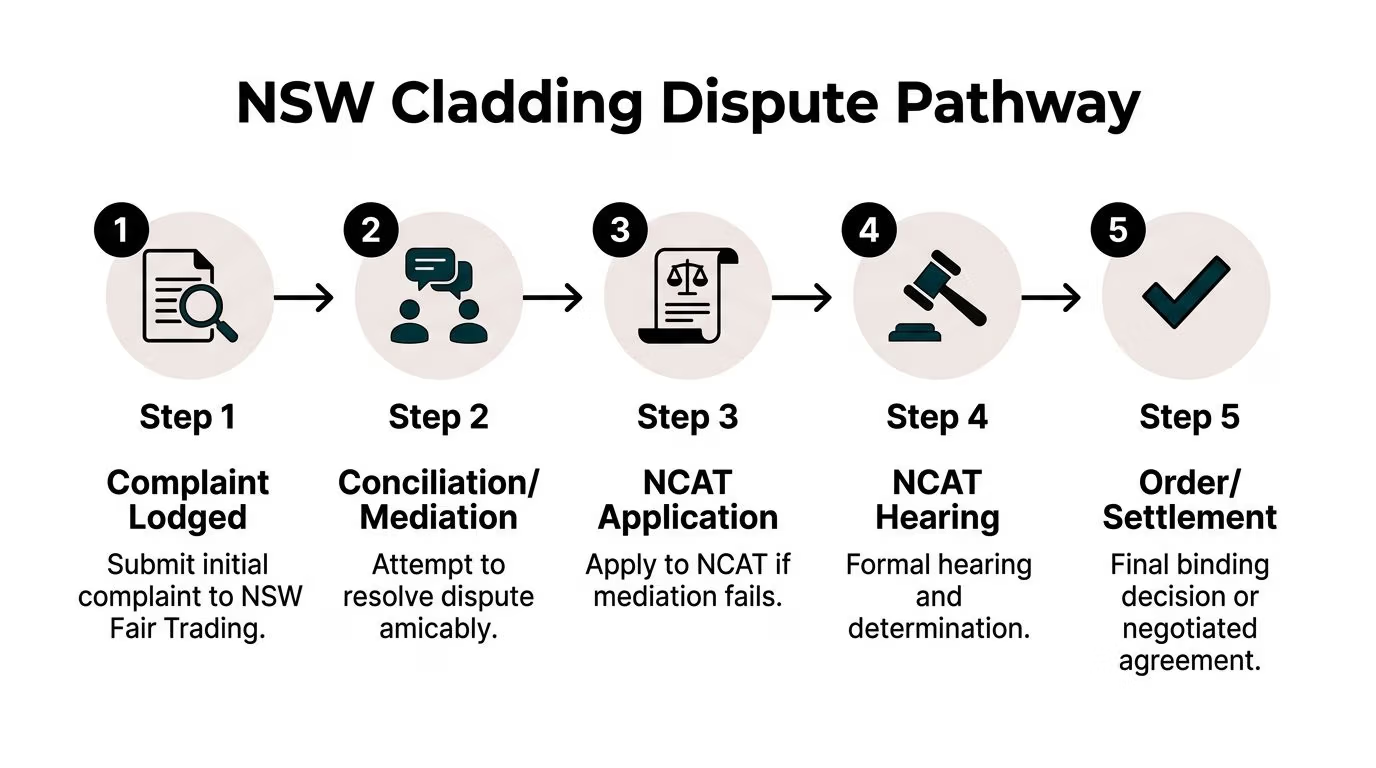
The cladding dispute process under NCAT follows a structured path under Procedural Direction 3. Key steps include expert inspection against standards such as AS 1530.3, preparation of a detailed Scott Schedule, and a conciliation conference. The cited source notes that conciliation has an 80% success rate in achieving early resolution in these matters, as described in this outline of the cladding dispute process.
Step one with Fair Trading
Fair Trading can be a useful first gate, but owners should be realistic about what it can and can’t do.
It can help frame the complaint, encourage early engagement, and create a record that the issue was raised. That matters. What it usually won’t do is determine a complex cladding liability dispute in the way a contested tribunal matter requires.
If you lodge with Fair Trading, make sure the complaint package is organised:
- Summary of the issue
- Building details
- Timeline of notification
- Photos and plans
- Any existing expert advice
- Clear list of what outcome is sought
A scattered complaint often leads to a scattered response.
Step two with a proper technical brief
Before filing in NCAT, pause and ask one practical question. If the builder denies liability tomorrow, can you prove the defect in a way the tribunal can use?
For cladding matters, the answer usually depends on whether the file contains:
- a coherent expert report
- marked-up photographs
- product identification material
- plan references
- a draft or completed Scott Schedule
- a rectification scope with enough detail to test
Owners also benefit from understanding the larger compliance environment. A plain-language homeowner’s guide to building regulations is UK-based, but it’s still helpful for grasping why approvals, variations, and inspection records matter so much once a defect dispute starts.
Step three with the NCAT application
The application is not just an admin form. It sets the frame of the dispute.
Poorly framed applications often create trouble later because they:
- mix cladding defects with unrelated maintenance complaints
- fail to identify the right parties
- describe outcomes too vaguely
- omit key supporting material
Good applications are narrower and more disciplined. They identify the parties, define the defect categories, and connect the claim to evidence already assembled.
If you’re trying to understand the broader tribunal pathway for residential and strata matters, this page on building disputes gives a practical overview of the process in NSW.
Step four with directions and conciliation
The first directions stage matters more than many owners expect. It shapes the documents, timetable, expert evidence, and sometimes the scope of the hearing itself.
Then comes conciliation. During this, many matters can move. Not because everyone suddenly agrees, but because a properly documented case narrows the live issues.
A useful approach for conciliation is:
| Preparation point | Why it matters |
|---|---|
| Bring the latest Scott Schedule | It keeps the discussion issue-based |
| Use marked plans and elevations | It stops people arguing in abstractions |
| Separate urgent safety work from final liability | It allows practical interim movement |
| Know your settlement range | You need decision-makers ready |
| Test the other side’s evidence gaps | Conciliation often turns on what they can’t support |
Field note: Conciliation works best when the parties arrive with organised documents and authority to make decisions. It works poorly when everyone is still arguing about what the façade contains.
Step five with hearing preparation
If the matter doesn’t settle, hearing preparation becomes less about volume and more about discipline.
Cross-examination in cladding matters often exposes the same weaknesses:
- assumptions presented as fact
- unclear location references
- no clear chain from defect to standard
- broad rectification claims without a practical scope
- confusion between code compliance and poor maintenance
Owners and strata committees should also expect the hearing process to feel slower and more procedural than a normal site meeting. That’s normal. The tribunal has to test evidence, not just hear concerns.
Typical timelines and costs
The brief below uses qualitative estimates because exact figures vary sharply by building size, party numbers, expert scope, and whether the case settles early or runs to hearing.
| Phase | Typical Timeline | Estimated Cost per Lot Owner |
|---|---|---|
| Fair Trading complaint and initial response | Short to moderate | Usually lower than later phases, but depends on whether expert inspection is commissioned |
| Expert inspection and report preparation | Moderate | Varies with façade access, testing needs, and document review scope |
| NCAT filing and directions period | Moderate | Filing, legal, and expert coordination costs start to build |
| Conciliation stage | Moderate | Often more cost-effective than full hearing if the documents are ready |
| Full hearing and post-orders implementation | Longer | Usually the most expensive phase, especially in multi-party disputes |
The practical point is simple. Costs rise when the case is vague, duplicated, or reactive. They tend to stay more controlled when the technical evidence is assembled early and the dispute is narrowed before the hearing room.
Life After the Dispute Remediation and Future-Proofing
An order or settlement doesn’t finish the job. It starts the rectification phase, and that phase can create a second wave of problems if it’s rushed.
Successful remediation depends on proper technical selection and proper site control. The standards side matters. The installation side matters just as much.
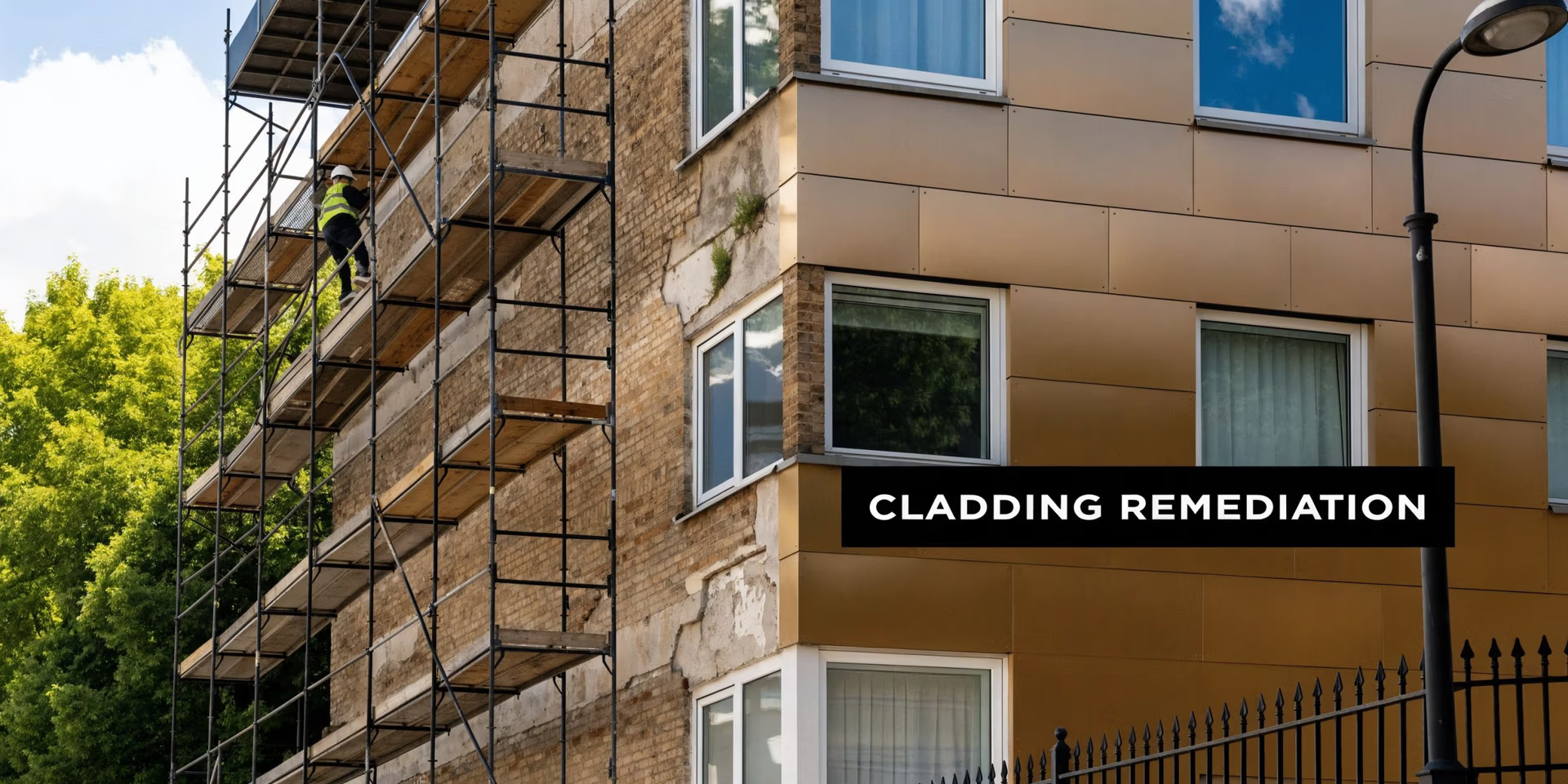
What compliant replacement usually involves
The cited guidance for remediation points to strict technical requirements, including use of cladding with an A1/A2-s rating per EN 13501-1 and installation of cavity barriers. A major pitfall is unapproved variation. In NSW, a significant façade change often requires a new Development Application.
That means remediation isn’t just “swap the panels and move on”. The replacement system has to be assessed as a system, not only as a surface finish.
Typical project questions include:
- what product is replacing the existing assembly
- whether subframe details also need alteration
- where cavity barriers are required
- whether openings, flashings, and penetrations need redesign
- whether approvals are needed before physical work starts
What owners should check in remediation quotes
The cheapest quote can become the most expensive if it leaves out the hidden parts.
Look for clear treatment of:
- Access: scaffolding, mast climbers, swing stages, or rope access
- Removal method: staged removal, waste handling, and protection of occupants
- Hidden conditions: allowance process if substrate defects appear
- Fire stopping: not just replacement panels
- Waterproofing interfaces: windows, slab edges, parapets, balconies
- Certification and close-out: what documents are provided at completion
A quote that says “remove and replace cladding” is not enough for a serious building dispute about cladding that has already consumed time and money.
How to avoid a second dispute during remediation
The practical risk after settlement is that everyone focuses on the legal outcome and nobody manages the build well.
These controls help:
Use one document set
Contractors, consultants, and strata should all work from the same current drawings and specification.
Record every variation
If the scope changes on site, document it immediately. Unclear variation history is a common source of later argument.
Inspect hold points
Don’t wait until final completion to discover cavity barriers or interface details weren’t installed as intended.
Keep the sign-off trail
Store certificates, updated plans, product data, photos, and approval records in one place for future sale, insurance, and maintenance purposes.
Good remediation isn’t only about replacing risky material. It’s about leaving behind a building with a clean evidence trail.
Future-proofing for buyers and committees
If you’re buying into strata, or serving on a committee, ask direct questions early.
Review the building file for prior façade reports, fire advice, defect claims, rectification records, and approval documents. If records look thin, treat that as a warning sign. Lack of paperwork doesn’t prove a defect, but it often makes a future dispute harder and more expensive.
Your Path Forward in a Cladding Dispute
Most cladding disputes feel overwhelming at the start because owners are trying to solve three problems at once. They’re trying to identify the defect, protect the building, and work out who pays.
The path becomes clearer when you break it down. First, document what’s visible and gather the records. Next, get the defect properly assessed. Then organise the claim in a way NCAT can use, especially through a disciplined Scott Schedule and a report tied to the right standards and documents.
That’s the difference between a complaint and a case.
A building dispute about cladding is rarely resolved by strong opinions. It’s resolved by accurate location references, reliable inspection evidence, careful rectification scope, and a process that stays organised from first notice through to final works.
If you’re a homeowner, strata manager, or solicitor dealing with one of these matters, the most useful next step is usually the same. Stop guessing. Get the building facts in order, get the technical issues separated properly, and move forward on evidence.
Frequently Asked Questions About Cladding Disputes
Do I need an expert before I contact the builder
Not always, but in a cladding matter it usually helps to get technical advice early. A simple complaint can be sent first, but if the issue involves product type, fire risk, façade detailing, or replacement scope, a technical report prevents the discussion from drifting into unsupported opinions.
Can strata start the process if owners disagree
Yes. In many cases, the owners corporation is the party dealing with common property defects and external façade issues. Internal disagreement is common, especially where cost, insurance, and saleability are already affecting owners. What matters is that the committee records decisions properly and keeps one central evidence file.
What if the builder says the cladding was approved at the time
That response comes up often. It doesn’t end the matter.
The dispute may still involve installation defects, substitutions, detailing failures, missing barriers, water ingress, or broader compliance issues. Approval history is relevant, but it isn’t the only question.
Is every cladding issue a fire issue
No. Some matters are primarily about combustibility and fire spread. Others also involve moisture ingress, corrosion, movement, poor fixing, or incomplete interface detailing.
Those issues should be separated carefully. A mixed claim that bundles everything together without structure is harder to prove.
What is a Scott Schedule in plain English
It’s a working defect table used in building disputes. It lists the issues one by one so each party can state its position clearly.
For cladding matters, that usually means the schedule identifies the location, defect description, technical basis, proposed rectification, and the builder’s or developer’s response. It helps NCAT compare like with like instead of sorting through pages of competing letters.
Can a matter settle before a final hearing
Yes. Many do.
Settlement becomes much more realistic when the evidence is organised, the schedule is clear, and the parties can see exactly which items are disputed and which aren’t. Poorly documented matters tend to drag on because nobody is arguing from the same factual base.
Should owners commission destructive testing straight away
Not automatically. It depends on what’s already known from documents, visible inspection, product records, and earlier consultant advice.
Destructive testing can be important, but it should be planned carefully so it answers a defined question and doesn’t just create cost. The scope should match the issue being investigated.
What should we keep after the dispute ends
Keep everything that explains what was found, what was agreed, and what was built.
That usually includes reports, Scott Schedules, hearing orders or settlement terms, updated drawings, product data, approvals, inspection records, photos during works, and final certification. Those records matter later for insurance, resale, maintenance, and any future claim about related defects.
If you’re dealing with a cladding issue and need clear, independent building evidence for NSW disputes, Awesim Building Consultants can assist with inspections, expert reports, and NCAT-compliant documentation so the matter is framed properly from the outset.
Related Posts
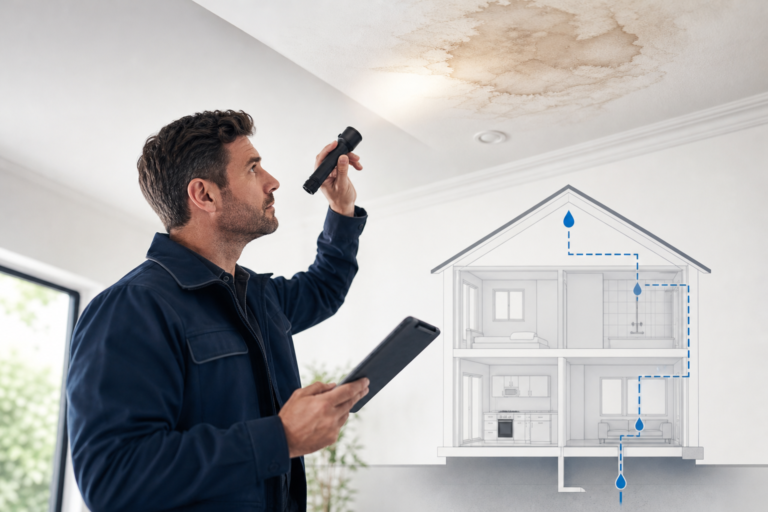
Water Damage in Homes: How to Track Down the Source
Water damage in a home rarely announces itself at the source. A stain on the ceiling, a musty smell in
Read More »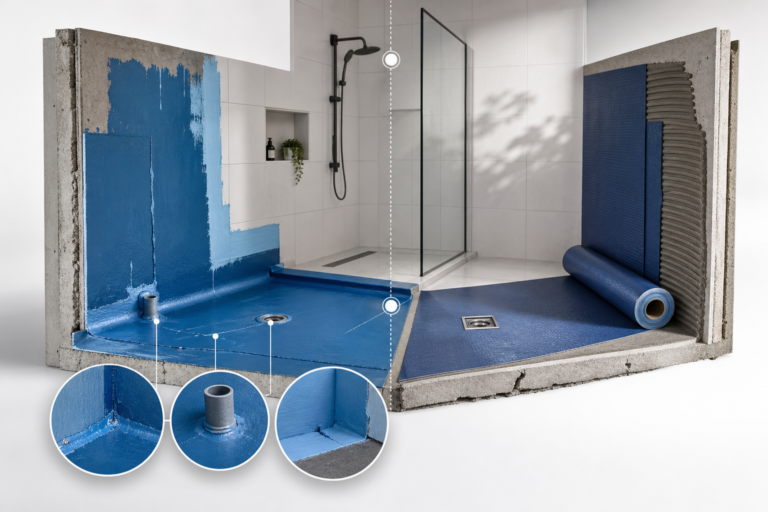
Waterproofing Membrane Types: Which Fails Most in NSW Bathrooms
Waterproofing failure is the single most common serious defect found in NSW apartments, and the type of membrane used, along
Read More »
Building Certifier NSW: Role, Limits, and When You Need More
A building certifier in NSW is a registered professional who issues construction certificates, conducts critical stage inspections, and grants occupation
Read More »