
Resolve Your Building Dispute about Roofing Defects NSW
A roof leak rarely starts as a legal problem. It starts as a stain on the ceiling, a drip in the hallway, a musty smell in the manhole, or water tracking down a wall after heavy rain. Then the questions arrive fast. Is it a one-off weather event, poor workmanship, a product failure, or something the builder should fix under warranty?
That uncertainty is what makes a building dispute about roofing defects so difficult for homeowners and builders alike. Most people don’t deal with this system often. They’re trying to work out what failed, who’s responsible, what to document, and how to get a result without making the problem worse.
In New South Wales, this isn’t a rare issue. Approximately 28% of the more than 15,000 building defect claims lodged between 2018 and 2023 involved waterproofing and roofing failures, and average residential remediation costs often exceed $45,000, according to the NSW Fair Trading complaints register information. Those figures line up with what turns up on site. Roof defects can look minor at first, then open up into internal water damage, mould, damaged insulation, stained plasterboard, and arguments about whether the defect sits with the roof covering, flashing, drainage, framing interface, or installation method.
After more than 35 years in building and construction, and more than 15 years preparing litigation support material, one point stands out. The jobs that resolve cleanly are usually the ones where the facts are documented early, the scope of defect is properly identified, and the evidence is organised in a form NCAT can use.
That First Drip a Homeowner’s Guide to Roofing Disputes
The first sign is often small. A damp cornice after rain. A bubble in the paint near a skylight. Water showing up around a chimney breast, a valley, or a wall junction. Many owners hope it’s condensation or a blocked gutter. Sometimes it is. Often it isn’t.
What catches people out is that the visible damage inside the home is usually only the end point. The actual defect may be higher up and harder to see. It might be poorly installed flashing, a failed penetration detail, a tile lap issue, torn sarking, sheet lapping that wasn’t done properly, or water backing up where the roof and wall meet.
Why people get into trouble early
The common first reaction is understandable but risky. Someone climbs up, shifts a few tiles, applies sealant, or calls a handyman to patch the obvious spot. That can stop water for the weekend, but it can also blur the evidence. Once the roof has been disturbed, the original condition becomes harder to prove.
Another problem is the builder-owner conversation. It often starts informally. A phone call is made, a promise is given, a visit happens, and nothing is confirmed in writing. Weeks pass. Then the weather changes again and the leak returns.
Practical rule: If you suspect defective roofing work, treat the first leak as both a building problem and an evidence problem.
What usually matters most
In a dispute, the central questions are straightforward:
- What is the defect
- What caused it
- Does it breach the contract, the plans, the code, or the relevant standard
- What work is required to rectify it properly
- What damage flowed from that defect
Those questions sound simple. They rarely stay simple once each side starts blaming weather, maintenance, later trades, or material supply.
From a consultant’s point of view, roofing disputes are won or lost on method. Good photos, dates, contracts, site records, and an objective inspection matter more than emotion. NCAT deals with evidence. It doesn’t reward the loudest version of events.
Your First Steps Identifying and Documenting Defects
When water gets in, move quickly, but don’t start tearing the roof apart. Your first job is to preserve safety, limit further damage, and build a reliable record.

Start with a clean evidence trail
Create one folder for everything. Keep your photos, videos, emails, invoices, screenshots, plans, contract, variations, and notes together. Don’t spread them across phones and message threads.
Record each event by date. If the leak only appears during certain wind or rain conditions, note that too. A roof defect at a valley or parapet junction can behave very differently from a simple overflow problem.
What to photograph and record
Use your phone, but do it properly. Wide shots show location. Close shots show detail. If possible, include something for scale.
- Internal damage: Photograph stains, bubbling paint, mould growth, swollen skirtings, warped flooring, and any active drips.
- External roof areas: If it’s safe and legal to do so, record the area around valleys, ridges, penetrations, skylights, box gutters, flashings, cappings, and downpipe connections.
- During rain: Short video clips showing active water ingress are useful.
- Ceiling space: If accessible and safe, record wet battens, stained sarking, water tracks, soaked insulation, and daylight visible where it shouldn’t be.
- Dates and weather: Note when it rained and when the leak appeared.
- Conversations: Follow verbal discussions with an email summary the same day.
If water is coming through electrical fittings, stop and treat it as a safety issue first. A practical general guide on what to do immediately if you discover a water leak from a ceiling light is worth reading before you start investigating further.
Common roof defects worth noting
You don’t need to diagnose the whole roof on day one, but you should record what you can see.
Defects that often trigger disputes
- Flashing issues: Gaps, poor terminations, loose counter flashings, or sealant-only fixes where a proper flashing detail should exist.
- Tile or sheet installation faults: Cracked or displaced tiles, poor laps, loose ridge components, missing fasteners, or poorly seated sheets.
- Drainage problems: Ponding, blocked box gutters, back-fall, overflow marks, or outlets that appear undersized for the setup.
- Sarking and underlay issues: Tears, poor overlaps, missing sections, or poor detailing around penetrations.
- Interface failures: Defects where roofing meets cladding, masonry, skylights, vents, chimneys, or parapets.
Don’t confuse a symptom with a cause. The stain on the ceiling isn’t the defect. It’s the result.
What not to do
At this stage, many cases weaken before they start.
| Avoid this | Why it causes trouble |
|---|---|
| Permanent patch repairs straight away | They can destroy evidence of original workmanship |
| Throwing out damaged materials | Those materials may later help prove causation |
| Verbal-only complaints | They’re hard to prove later |
| Paying the final claim too quickly | It can weaken your practical leverage |
| Letting an unqualified person “have a go” | It can introduce a second cause and confuse liability |
Temporary protection is different. Buckets, tarps, moving furniture, isolating affected electrics through a licensed electrician if required, and making the area safe are sensible steps.
When to bring in an independent inspection
If the builder disputes the cause, delays, or offers a patch that doesn’t address the underlying issue, get an independent inspection before substantial rectification starts. For NSW disputes, a structured independent building dispute inspection for NCAT matters can help separate symptom from defect and keep the matter evidence-based.
Understanding Your Rights Under NSW Statutory Warranties
Most owners know they have “a warranty,” but not what that means in practice. That gap creates bad decisions. Some owners wait too long. Others push a weak claim as though every leak is automatically a major defect. Builders can make the same mistake from the other side by assuming a complaint is just maintenance or weather exposure.
Why statutory warranties matter in roofing disputes
A roofing claim doesn’t depend only on whether water got in. The legal question is whether the work breached the statutory warranties under the Home Building Act and whether the defect falls within the relevant time period.
The practical distinction is between major defects and other defects. Roofing can sit in either category depending on severity, extent, and consequence.
A useful way to think about it
| Roof issue | Likely practical character |
|---|---|
| Widespread systemic water entry affecting habitability or causing serious consequential damage | More likely to be argued as major |
| Localised isolated cracked tiles with limited impact | More likely to be treated as a lesser defect |
| Defective flashing across multiple critical junctions | Depends on extent and resulting damage |
| Cosmetic roof presentation issue with no water ingress | Usually weaker as a serious defect claim |
That doesn’t replace legal advice. It does reflect how these matters are commonly approached on the ground.
The 2015 shift changed the landscape
Roofing disputes became more structured after the regulatory changes in NSW. The 2015 NSW Home Building Regulation amendments led to a 35% rise in successful homeowner claims at NCAT for roof defects, and as of 2024 the NSW Building Commissioner reported 4,200 active cases where roofing non-conformance made up 42% of total defects, according to the NSW Building Commissioner resources and publications page.
The practical takeaway is simple. Roofing non-compliance isn’t treated as a fringe issue. It sits in the mainstream of residential defect disputes.
Timing still catches people out
Owners often discover a leak well after practical completion. Sometimes the roof only fails under a particular storm pattern. Sometimes earlier cosmetic signs were ignored because the ceiling looked dry for months. That’s where understanding limitation periods matters.
The broad practical framework in NSW is that major defects have a longer warranty period than other defects, and latent defects may raise separate timing issues. What matters in real cases is the completion date, the nature of the defect, when it became apparent, and whether your evidence can show it stems from the original building work.
A roofing case often turns on classification. The same leak can be described as isolated maintenance, poor workmanship, or a major defect depending on the evidence behind it.
What owners and builders should check early
- Completion records: Occupation certificate dates, handover documents, and invoices.
- Scope documents: Plans, specifications, engineering, and product details.
- Variation history: Later changes sometimes shift responsibility.
- Maintenance records: Lack of maintenance can become part of the defence.
- Previous repair attempts: These can help or hurt depending on who did them and how they were documented.
For homeowners, statutory warranties create a pathway. They don’t remove the need to prove the defect. For builders, they create exposure, but they also create a framework for resolving the issue properly if the problem is identified early and dealt with on evidence rather than argument.
The NSW Dispute Resolution Pathway Explained
Most roofing disputes in NSW don’t start at a hearing. They move through a sequence. When people understand that sequence, they make better decisions and waste less time.
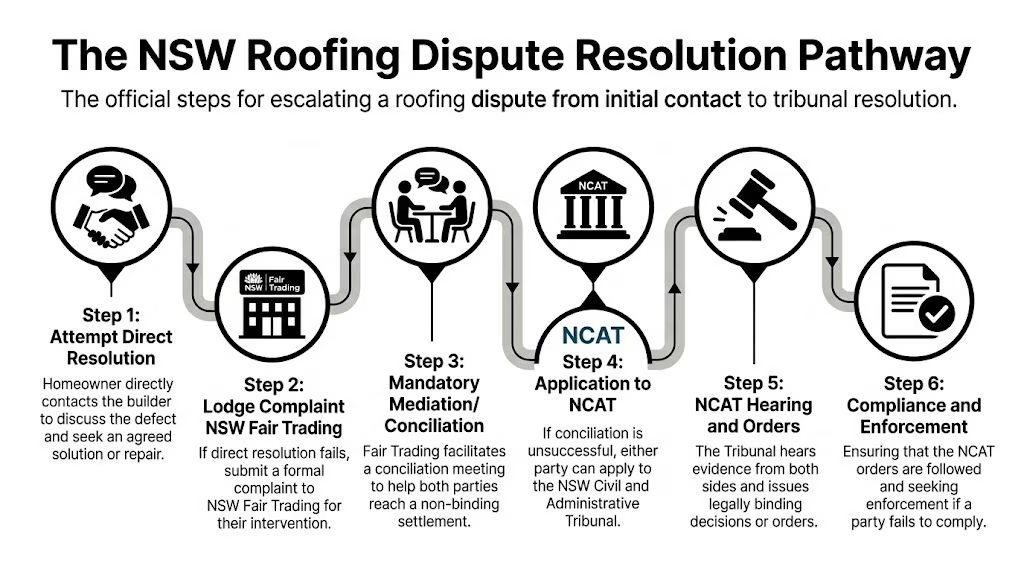
Step one is direct notice to the builder
Put the complaint in writing. Keep it factual.
Identify the property, the defective areas, the dates the issue appeared, and what outcome you’re seeking. If you have photos, attach them. Ask for inspection and proposed rectification within a stated timeframe.
A short, organised notice usually works better than an angry one. Builders are more likely to engage with a clear defect list than a long accusation.
If that fails, the next stop is Fair Trading
NSW Fair Trading sits in the practical middle ground between private argument and tribunal orders. It is at this stage that many owners first get a sense of whether their complaint is being taken seriously.
You should expect to provide documents, explain the defect history, and identify what attempts have already been made to resolve the matter.
Fair Trading works best when the file is organised
Bring or prepare:
- Your contract and plans
- Progress payment records
- Photos in date order
- Emails and text messages
- Any prior inspection reports
- A short defect summary
Conciliation resolves a lot of matters
Not every case needs a full hearing. NSW Fair Trading data from 2024 shows approximately 80% of disputes are resolved without proceeding to a full hearing in the NCAT process that emphasises Scott Schedules under Procedural Direction 3 (2025), as reflected in the NCAT Procedural Direction 3 document.
That figure tells you something important. A well-prepared case can shift settlement discussions before the tribunal has to decide everything.
When the matter moves to NCAT
If direct contact fails and Fair Trading conciliation doesn’t produce a workable result, NCAT becomes the forum where the dispute is formally tested.
The usual path includes application, directions, evidence exchange, and hearing if no agreement is reached. In roofing matters, the tribunal often wants defect issues narrowed and organised. That’s where people who arrive with a loose bundle of photos usually struggle.
What NCAT wants to see
| NCAT issue | What helps |
|---|---|
| Clear identification of each defect | Numbered defect list |
| Competing positions by each party | Organised written response |
| Evidence of cause | Expert analysis linked to observed conditions |
| Evidence of cost | Properly itemised rectification scope |
| Compliance questions | Reference to plans, code, and standards |
The process is formal enough to matter
Owners sometimes underestimate NCAT because it’s not a court in the traditional sense. That’s a mistake. The evidence still needs discipline. Builders make a similar mistake when they think a quick verbal explanation will carry the day.
The parties who do best are usually the ones who turn a messy roof problem into a structured defect case.
Keep your objective in view
Not every dispute needs punishment. Most need resolution. That may be an agreed rectification scope, a money order, or defined responsibility for part of the works and not the whole roof.
The process works better when the claim is framed around defect, causation, scope, and remedy. Once the matter slides into personality, it becomes harder and more expensive for everyone.
Building Your Case With Expert Evidence and Scott Schedules
A homeowner’s photos matter. A builder’s site notes matter. But once there’s a real dispute about what failed and why, those materials usually aren’t enough on their own.

Why independent evidence changes the quality of the dispute
Roofing failures can be deceptive. Water can enter at one point and show up metres away. A poor box gutter setup can be mistaken for a tile issue. A wall junction problem can be blamed on the roof covering. Without proper inspection, the parties often argue past each other.
An expert report forces the problem into technical language. It identifies the roof element, records the observed condition, considers likely causation, and states whether the work appears compliant or non-compliant.
For rural NSW matters, that inspection can go beyond visual review. NCAT-compliant Expert Witness Reports may require thermography to detect delamination in metal roofs, which is common in 40% of disputes, and adjudication using such reports resolves 75% of cases within 90 days compared with an 18-month litigation average, according to the Expert Code of Conduct annexure material under the Uniform Civil Procedure Rules.
That doesn’t mean every matter needs advanced testing. It means the method should fit the problem.
What a proper expert report should do
A useful report does more than say “the roof leaks”.
It should cover these points clearly
- Observed defects: What was seen on site, where it was located, and how it was recorded.
- Likely cause: Workmanship, detailing, integration failure, maintenance issue, or another source.
- Compliance position: Whether the work appears inconsistent with plans, the NCC, manufacturer instructions, or relevant standards such as AS 2050 where applicable.
- Consequential damage: Internal impacts and whether they are consistent with the identified defect path.
- Rectification approach: What work is required to fix the problem properly, not cosmetically.
Objectivity matters. An expert witness isn’t there to act as an advocate dressed up as a tradesman. NCAT is far more interested in independent reasoning than in outrage.
The Scott Schedule is where many cases become manageable
If the expert report explains the roof, the Scott Schedule organises the fight.
In practical terms, a Scott Schedule is a table that lists each alleged defect separately. It sets out the claimant’s position, the respondent’s reply, and the expert opinion on each item. This prevents the dispute from drifting into general statements like “the whole roof is defective” or “there’s nothing wrong with the roof”.
For parties and solicitors who haven’t worked with one before, a detailed guide to what a Scott Schedule is in a NSW building dispute is worth reading before evidence is filed.
A simple example of how an entry works
| Item | Claimant allegation | Respondent position | Expert opinion |
|---|---|---|---|
| 1 | Water ingress at valley during rain event | Builder says leaves caused overflow | Valley flashing termination and adjacent detailing require further rectification. Observed condition is consistent with installation defect rather than routine maintenance alone |
| 2 | Leaks around skylight | Builder says owner applied aftermarket film | Flashing detail and sealing arrangement are non-compliant in current form. Aftermarket film does not explain water path observed in roof void |
That format does two things. It isolates issues, and it forces each side to answer the same item.
What weak evidence looks like
Bad roofing cases often share the same flaws.
- General complaints with no defect numbering
- Photos with no dates or locations
- Quotes for repair that don’t explain causation
- Reports that read like advocacy, not analysis
- No distinction between urgent make-safe work and full rectification
- No explanation of whether the issue is isolated or systemic
Here’s a practical explainer that shows how roof defects are typically assessed and discussed before a matter gets to a hearing.
What works better in contested matters
A strong evidence package usually includes a chronology, site photos, contract documents, a properly prepared expert report, and a Scott Schedule that isolates each issue.
One practical option in NSW is Awesim Building Consultants, which provides site investigations, Expert Witness Reports, and Scott Schedules for building disputes. That type of service is useful when the matter needs to be converted from a loose complaint into evidence that can be used by owners, builders, or solicitors in NCAT.
Good evidence doesn’t guarantee you’ll win. It does stop the case from collapsing into guesswork.
Likely Outcomes Costs and Insurance Nuances
A common question once the dispute is underway is blunt. What am I likely to get out of this?
The answer depends on the defect, the evidence, and whether the builder is still available and capable of carrying out rectification. In practical terms, the usual outcomes are either an order to rectify, an order to pay money, or a negotiated settlement that sits somewhere in between.
Rectification versus money
A builder may be ordered to return and fix defective roofing work. That can be sensible where the scope is clear, trust hasn’t completely broken down, and the builder has the capacity to do the work properly.
A money order may make more sense where the relationship is finished, the original workmanship is seriously in dispute, or a different contractor should complete the repairs. In roofing matters, the right answer often comes down to confidence in future performance. If the original builder has already had multiple attempts and the same leak returns, many owners won’t want another patch.
The cost side needs a clear head
Disputes cost money even before the roof is fixed. Owners may face expert report costs, temporary make-safe work, application costs, and the expense of gathering proper evidence. Builders may carry their own report costs, time away from work, and exposure to rectification or damages.
That doesn’t mean every matter should be fought to the end. It means the remedy sought should be proportionate to the actual defect and supported by a realistic scope of works.
Insurance is often misunderstood
A lot of owners assume insurance either covers everything or nothing. Neither view is accurate.
icare NSW data from 2025 shows that 65% of claims deny roof replacement, while 78% approve claims for consequential damage such as mould caused by sealant failures, according to the icare NSW home building compensation claims information. The practical lesson is that the way the claim is framed matters. There’s a real difference between claiming for the defective roof itself and claiming for the damage that defect caused elsewhere in the home.
How claim framing affects outcome
| Claim component | Practical insurance issue |
|---|---|
| Full replacement of defective roof work | Often contested |
| Internal water damage | May be treated differently from the roof defect |
| Mould remediation | Often depends on proving the link to the roof defect |
| Temporary protection or emergency response | Usually assessed on necessity and documentation |
This is also where denials happen for avoidable reasons. If you want a general overview of how insurers commonly push back, this guide on common insurance claim denial reasons for your roof is a useful checklist for spotting weak points in your paperwork and presentation.
What tends to help
- Clear distinction between defect and consequential loss
- Prompt notice to insurer where relevant
- Photos before any major alteration
- Evidence tying internal damage back to a roof failure path
- A measured claim instead of an exaggerated one
The strongest claims are usually the most disciplined. They ask for what can be proved, not everything that can be imagined.
Your Final Checklist and Getting Expert Help
Roofing disputes become manageable when the facts are controlled early. That means documenting the first signs, notifying the builder properly, keeping repairs from destroying evidence, and getting the technical issues reviewed before positions harden.
Many owners lose momentum because the roof defect feels obvious to them, but they haven’t turned that obvious problem into usable proof. Many builders make the opposite mistake. They know roofs are complex, so they answer generally instead of dealing with each alleged defect in a disciplined way.
Dispute Preparation Checklist
| Action Item | Status |
|---|---|
| Locate signed contract, plans, specifications, and variations | ☐ |
| Create a dated photo and video record of all visible damage | ☐ |
| Prepare a chronology of leak events and communications | ☐ |
| Notify the builder in writing and keep a copy | ☐ |
| Keep invoices for emergency make-safe work | ☐ |
| Preserve damaged materials where practical | ☐ |
| Gather any prior reports, certificates, or approvals | ☐ |
| Identify whether the issue appears isolated or systemic | ☐ |
| Obtain independent expert input before major rectification | ☐ |
| Organise issues into a defect list suitable for a Scott Schedule | ☐ |
Two common questions
What if the builder has disappeared or gone into liquidation
That changes the practical pathway, but it doesn’t automatically end it. The available options may include insurance avenues, claims based on existing evidence, and recovery focused on consequential damage or other available respondents depending on the project setup. The key point is to preserve the defect evidence before anyone else changes the roof.
Can you claim for stress and inconvenience
People often ask this because roofing disputes drag on and affect daily life. In practice, the stronger part of most cases is still the building evidence, the defect scope, the rectification cost, and the proof of consequential damage. If you lead with emotion and undercook the technical evidence, the case usually weakens.
The roof has to be explained item by item. Once that’s done properly, the dispute usually becomes smaller, clearer, and easier to resolve.
If you’re dealing with a building dispute about roofing defects in NSW, don’t wait until the evidence has been patched over, forgotten, or buried in email threads. The earlier the defect is inspected and documented properly, the more options you usually keep.
If you need practical help with a roofing defect dispute, Awesim Building Consultants can assist with site investigations, Expert Witness Reports, and Scott Schedules for NSW matters. With 35+ years in building and construction and 15+ years providing litigation support, the focus is on clear defect identification, organised evidence, and NCAT-ready documentation. For a no-obligation discussion, email admin@awesim.com.au or call 1800 293 746.

Related Posts
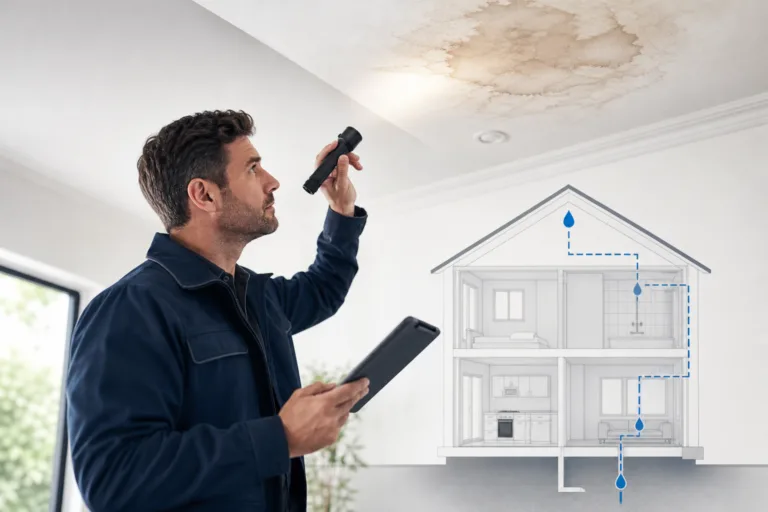
Water Damage in Homes: How to Track Down the Source
Water damage in a home rarely announces itself at the source. A stain on the ceiling, a musty smell in
Read More »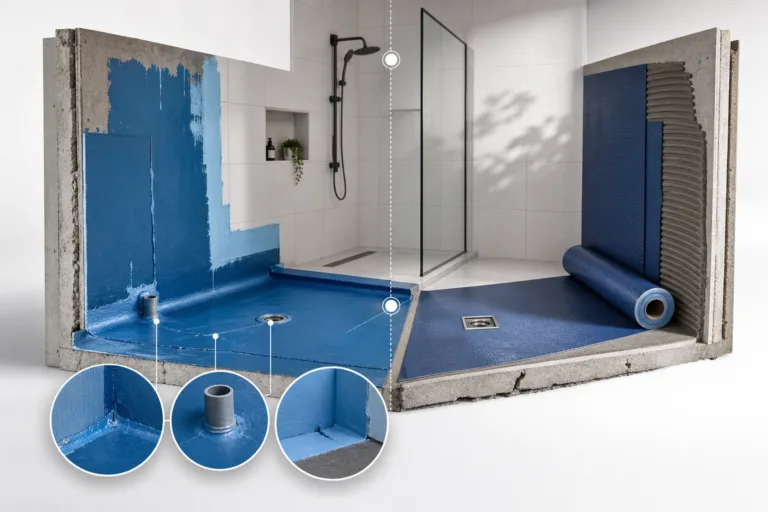
Waterproofing Membrane Types: Which Fails Most in NSW Bathrooms
Waterproofing failure is the single most common serious defect found in NSW apartments, and the type of membrane used, along
Read More »
Building Certifier NSW: Role, Limits, and When You Need More
A building certifier in NSW is a registered professional who issues construction certificates, conducts critical stage inspections, and grants occupation
Read More »