
Building Dispute About Windows: A NSW Homeowner’s Guide

You notice it after rain. A stain under the sill. Paint starting to bubble. Maybe a draft you can feel with your hand, even though the windows are supposed to be new. The builder says it’s normal settlement, condensation, or “just one of those things”. It usually isn’t.
A building dispute about windows rarely starts with a tribunal form. It starts with a defect that keeps coming back, a few text messages, a builder who says they’ll attend next week, and a homeowner who realises too late that nothing has been documented properly.
After decades on site and in disputes, one point keeps proving itself, Window matters are won or lost early. If you document the defect properly, communicate in writing, and get the right technical evidence before positions harden, you give yourself a real chance of resolution. If you rely on phone calls, patch jobs, and vague promises, the dispute gets harder, slower, and more expensive.
Why Window Disputes Are So Common in NSW
A window is one of the busiest junctions in a house. It has to connect frame, cladding or brickwork, flashing, sealant, waterproofing, internal linings, drainage paths and often a sill detail that nobody sees once the job is finished. When one part is wrong, the symptoms often show up somewhere else.

The common pattern is familiar. Water appears inside, but the source isn’t obvious. The owner blames the window supplier. The supplier blames the installer. The installer blames the bricklayer, renderer, waterproofer, or carpenter. By the time anyone starts looking properly, the argument is no longer about repair. It’s about responsibility.
Why these defects keep recurring
Windows fail for practical reasons, not mysterious ones. In most disputes I’ve seen, one or more of these issues sits in the background:
- Missing or defective flashing that allows water to track behind the frame
- Poor sealing at the perimeter, often used as a substitute for proper waterproof detailing
- Frame installation out of tolerance, which affects operation, drainage, and long-term sealing
- Incorrect interface with surrounding work, especially where render, cladding, masonry, or balcony thresholds meet the opening
- Products installed contrary to specification or standard, even when the unit itself is not defective
The scale of the problem in NSW is not small. Between 2018 and 2023, approximately 25% of all building defect disputes registered at NCAT related to waterproofing and window installation failures, according to NSW Fair Trading data and publications.
That figure matches what experienced consultants see in practice. Windows are rarely isolated defects. They tend to overlap with waterproofing, workmanship, sequencing, and supervision failures.
Why homeowners get stuck
Homeowners usually assume a leak will be easy to prove. It often isn’t. The visible damage is only the symptom. The underlying issue is whether you can show, in a clear and organised way, what the defect is, where it is, what standard or contract requirement it breaches, and what rectification is required.
Practical rule: A stain under a window is not your case. The documented cause of that stain is your case.
That’s why a building dispute about windows needs a technical approach from day one. You don’t need to become a lawyer or builder overnight. You do need to start acting like the matter may end up before Fair Trading or NCAT, even if you hope it won’t.
First Steps Diagnosing and Documenting the Defect
Start with evidence before anyone starts pulling trims off, resealing frames, or telling you the problem has “already been fixed”. The first records are often the cleanest records.
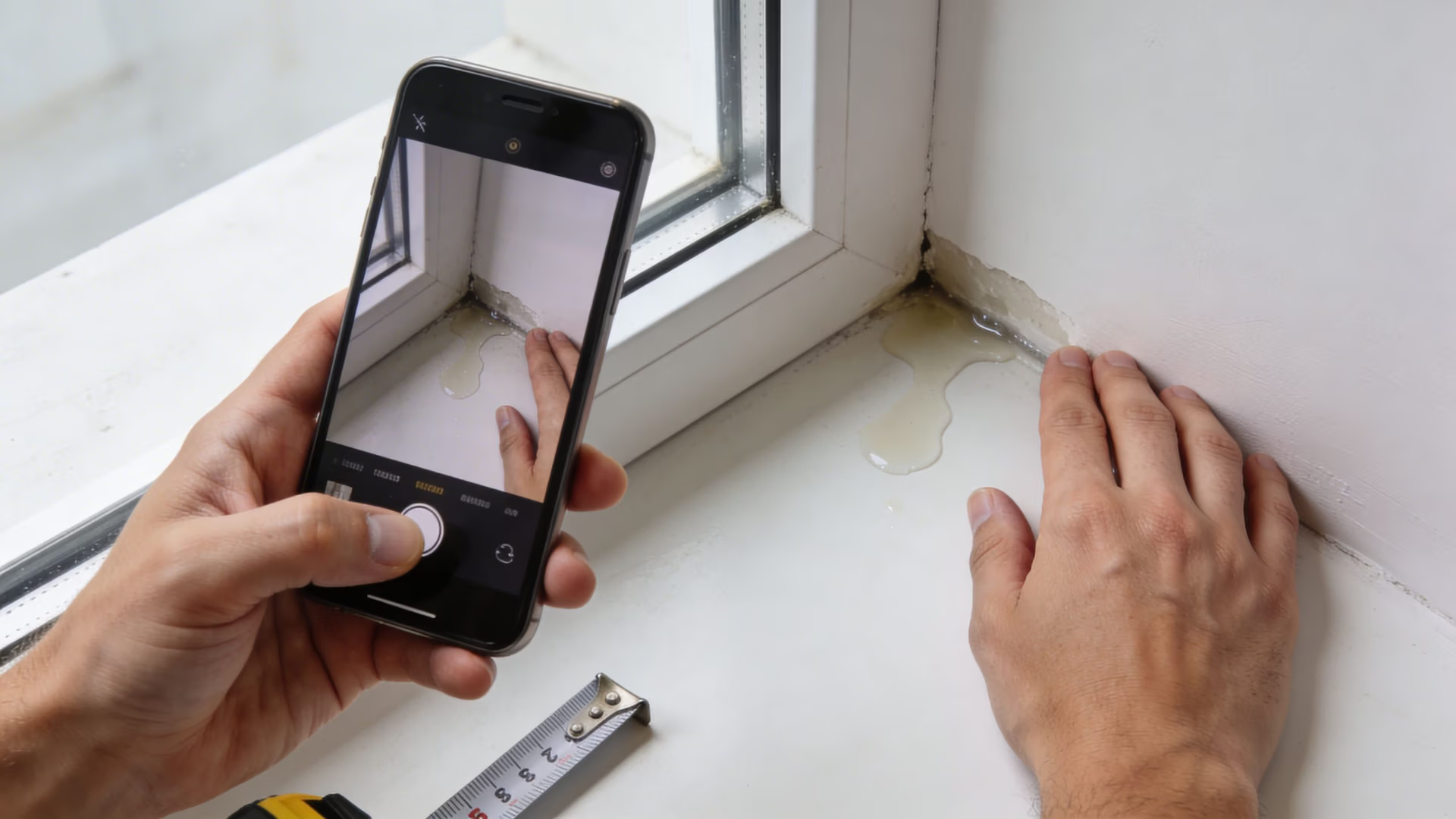
What to record immediately
Take photos the way a consultant would want to receive them. That means context first, detail second.
- Wide shots of the room so the defect location is obvious
- Mid-range shots of the wall and window showing the relationship between the damage and the opening
- Close-ups of staining, swelling, mould, gaps, failed sealant, cracked reveals, or corrosion
- External photos of the same window, including sill, head, jambs, cladding, brickwork, weep holes, and any balcony or roof connection nearby
- Video during active rain or hose testing, if water ingress is visible
- Photos that include a ruler, tape, or reference point where size or gap matters
Don’t rely on memory. Make a simple defect log. Note the date, weather conditions, room, window location, what you observed, and whether the defect changes after rain, wind, or temperature swings.
Build a timeline before the facts get muddy
Most weak cases have one thing in common. The chronology is messy.
Write down:
- The contract date
- Installation or practical completion date, if known
- The first time you noticed the issue
- Every time the defect appeared again
- Every contact with the builder, supplier, strata manager, or trades
- Any inspection, patch repair, resealing, or attempted rectification
- Whether the defect worsened after each intervention
A short, clean timeline often carries more weight than pages of angry emails. It shows pattern, notice, and recurrence.
If you need a structured starting point, a practical house inspection checklist can help you capture the obvious items that owners often miss when they’re frustrated or under pressure.
Know the difference between symptom and cause
Not every wet patch means the glass unit is defective. Not every draft means the frame product is faulty. Sometimes the window is fine and the installation is poor. Sometimes the wall interface is the primary problem. Sometimes a balcony threshold or parapet sends water to the opening and everyone argues about the wrong trade.
That’s why your notes should separate what you can see, from what you suspect.
A useful way to write it is:
- Observed defect: water staining to plasterboard below bedroom window after rain
- Suspected cause: possible failure of sill flashing or perimeter sealing
- Not yet confirmed: source path behind frame or adjacent wall detail
That style keeps your records factual and credible.
What professionals look for
Professional defect diagnosis goes beyond phone photos. It often involves thermographic imaging to detect air leakage exceeding 5m³/h.m² and laser levelling for frame alignment, which should not deviate by more than ±2mm, with further detail noted in this technical reference on defect investigation and evidence preparation. The same source notes that claimant cases with evidence of moisture readings exceeding 20% RH have a significantly higher success rate.
That matters because vague complaints don’t carry the same weight as measured findings.
A proper inspection may involve:
- Moisture meter readings to compare affected and unaffected areas
- Thermal imaging to identify cold bridges, leakage paths, and moisture patterns
- Laser checks on plumb, level, and frame distortion
- Operational testing of sashes, locks, drainage paths, and clearances
- Review of plans and specifications against the installed work
- Assessment of compliance with the relevant Australian Standards and the contract documents
Here’s a useful explainer if you’re still trying to work out whether you’re dealing with minor maintenance or a more serious defect, signs you need to replace home windows. It won’t replace a dispute inspection, but it can help you separate age-related performance issues from workmanship failures.
Before moving further, it also helps to see how defects manifest in practice:
What not to do
Owners often damage their own case without meaning to.
Don’t let anyone carry out exploratory demolition or a “quick reseal” before the condition has been properly recorded.
Avoid these mistakes:
- Relying on calls only because there’s no paper trail later
- Cleaning up every sign of the leak before photographing it
- Accepting verbal explanations as diagnosis
- Using broad accusations instead of recording facts
- Throwing away product labels, invoices, and manuals that may identify the system used
Good evidence is boring, organised, and specific. That’s exactly why it works.
Engaging Your Builder and Issuing Formal Notices
Most window disputes should start with a reasonable request to inspect and rectify. Not because the builder always responds well, but because you need to show you acted properly.
Start with a calm written request
Email is often the best first move. It creates a timestamp, keeps the wording clear, and avoids the “that’s not what was said” argument later.
Keep the first email short. State the defect, attach a few key photos, identify the location, and ask for a site inspection by a specific date. Don’t write a six-page rant. It weakens the point.
A practical opening looks like this:
I’m writing to notify you of water ingress and associated damage at the western bedroom window. The issue has appeared on multiple occasions after rain. Please find attached photographs dated [insert date]. I request that you inspect the defect and provide your proposed rectification in writing.
That wording does three things. It identifies the issue. It proves notice. It invites a response without escalating too early.
What to include in every communication
A builder should never be left guessing what you mean. Each message should include:
- The exact location of the affected window or windows
- The observable problem, such as leaks, drafts, staining, failed operation, or frame movement
- The dates noticed and whether the issue is recurring
- Attachments including photographs, videos, and any prior correspondence
- A clear request for inspection, scope of rectification, and timing
If the builder attends site, follow up with an email the same day summarising what was said. That summary can become important later.
When informal contact stops working
Some matters go nowhere because the builder keeps promising to come back, or sends someone to apply more sealant without addressing the underlying defect. That’s when you move from a request to a formal notice.
The formal notice should be measured, not theatrical. It should identify:
- the defect complained of
- the previous notice already given
- the request for rectification within a reasonable period
- the fact that you reserve your rights if the work is not properly addressed
You don’t need legal jargon for this to be effective. Clear facts do more work than aggressive wording.
A good formal notice reads like a record for someone else to understand later. Because that’s exactly what it may become.
What usually works and what usually fails
In practice, these approaches tend to help:
| Approach | What happens in practice |
|---|---|
| Clear email with photos and dates | Gives the builder a proper opportunity to respond |
| Specific rectification request | Narrows the argument |
| Reasonable deadline | Shows you acted fairly |
| Follow-up after inspections | Preserves the paper trail |
These approaches backfire:
| Approach | Why it causes trouble |
|---|---|
| Phone calls only | No reliable record |
| Angry allegations without evidence | Encourages a defensive response |
| Letting repeated patch repairs continue indefinitely | Blurs the defect history |
| Waiting too long to formalise the issue | Makes proof harder |
If the matter concerns possible statutory warranty rights, timing matters. Delay can create avoidable arguments about notice, scope, and whether the defect is major or minor. Even before lawyers become involved, disciplined written communication puts you in a stronger position.
When to Engage an Expert for Independent Reports
There’s a point in a window dispute where “we’ll see how it goes” stops being a strategy, That point often arrives when the builder denies responsibility, the defect returns after attempted repairs, or the facts become technically disputed.
At that stage, an independent report is no longer just helpful. It’s often the document that turns a complaint into a case.
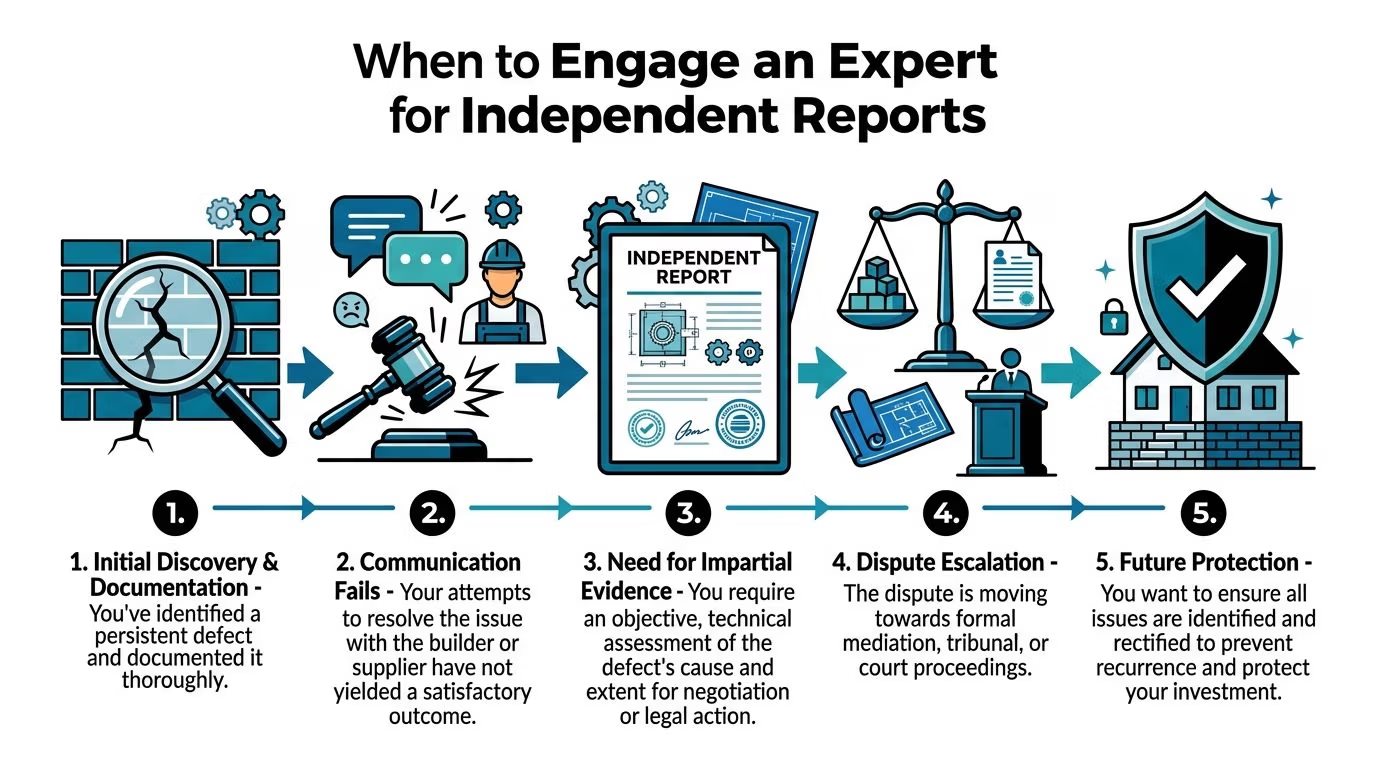
The right time is earlier than most owners think
Owners often wait too long. They hope another inspection, another reseal, or another promise will fix the issue. Meanwhile, evidence gets disturbed, memories fade, and the dispute becomes more positional.
Bring in an expert when one or more of these conditions exist:
- The defect is recurring
- The builder disputes cause or responsibility
- The proposed repair sounds cosmetic rather than corrective
- Multiple trades are blaming each other
- You may need Fair Trading, NCAT, or solicitor involvement
An expert report is different from a standard building inspection. A general inspection might tell you there’s a problem. A dispute report should identify the defect, describe the likely cause, assess compliance, set out required rectification, and present the evidence in a form that can stand up in a formal process.
What a proper independent report should do
A useful dispute report doesn’t waffle. It should tie observations to technical findings and then to conclusions.
That usually means the report should cover:
- What was inspected
- What defects were observed
- What testing or measurement was used
- What contract documents, plans, or standards were reviewed
- What the likely cause is
- What work is required to rectify
- What issues remain uncertain without opening-up or further investigation
If the report only says the work is “poor” or “substandard” without explaining why, it won’t carry enough force.
Why Scott Schedules matter
In NSW building disputes, especially where there are multiple defects or multiple contested items, a Scott Schedule can be one of the most useful working documents in the matter.
It breaks the dispute into individual items. One row per issue. The defect is identified, the allegation is stated, the response is recorded, and the rectification position can be compared item by item. That structure forces clarity.
NCAT’s 2022 Procedural Direction 3 update formalised the use of Scott Schedules for window disputes, enabling structured evidence comparison. According to NCAT procedural directions, this approach has reduced hearing times by an average of 30% and led to settlement rates as high as 85% in documented pre-hearing cases.
That tells you something important. Good expert evidence doesn’t only help at hearing. It often helps parties settle before the hearing becomes necessary.
On site reality: Many window disputes look complicated until someone itemises them properly. Then the weak points on both sides become obvious.
What owners and solicitors should ask for
If you’re instructing an expert, ask direct questions.
- Will the report be suitable for NCAT use if the matter escalates?
- Will the findings identify relevant standards, drawings, and specifications?
- Will the defects be itemised clearly enough for a Scott Schedule?
- Will the report distinguish observed facts from assumptions?
- Will rectification be described in practical building terms?
Those questions save trouble later. A report written only for negotiation may need major reworking if proceedings begin.
For readers looking specifically at formal tribunal-ready reporting, this page on NCAT building expert witness report services gives a good overview of what that level of reporting involves.
What doesn’t help
Some documents look official but do very little in an actual dispute.
These are common examples:
| Document type | Why it often falls short |
|---|---|
| Short quote from a repair contractor | Focuses on price, not cause or responsibility |
| Email opinion from a supplier | May be self-protective and incomplete |
| General building inspection report | Often not drafted for litigation use |
| Owner-prepared defect list without evidence | Useful as a note, not as expert proof |
A good independent report narrows the technical argument. A poor one just adds paperwork.
Navigating NSW Fair Trading and the NCAT Pathway
Once direct communication stalls, most owners need to move into the formal NSW dispute pathway, That usually means Fair Trading first, then NCAT if the matter isn’t resolved.
What Fair Trading can and cannot do
Fair Trading can be a useful pressure point. It gives the parties a structured chance to resolve the matter without immediately stepping into tribunal proceedings.
What it does well is bring the dispute into a defined process. It can prompt responses that owners have struggled to get privately. It can also expose whether the builder is willing to inspect, scope, and rectify.
What it doesn’t do is magically cure a badly prepared claim. If your evidence is disorganised, if your communications are inconsistent, or if the defect description is vague, the matter can drift.
NCAT is more procedural than many owners expect
A lot of homeowners think NCAT is informal enough that they can “tell their story”. That’s not how building matters play out, especially where windows, waterproofing, and compliance are disputed.
NCAT reported a 28% increase in building defect disputes between 2023 and 2025, and many matters involving window compliance are delayed because parties fail to comply with Procedural Direction 3 governing Scott Schedules, according to NCAT publications and statistics.
That point matters. Even where the defect is real, poor preparation can slow the matter down.
The practical sequence
The pathway looks like this:
- Raise the defect in writing with the builder
- Give a reasonable opportunity to inspect and rectify
- Lodge the matter with Fair Trading if direct resolution fails
- Prepare organised evidence if the dispute remains unresolved
- Commence NCAT proceedings if necessary
- Comply with directions, including any Scott Schedule or expert evidence requirements
Owners often focus on the application itself. In practice, the outcome is heavily shaped by what happened before the application was filed.
The tribunal process rewards the party who can present the cleanest sequence of facts, documents, and technical reasoning.
Window Dispute Resolution Pathways in NSW
| Stage | Typical Timeline | Estimated Cost | Key Objective |
|---|---|---|---|
| Informal negotiation | Shorter if both parties engage promptly | Usually limited to your own time and any early inspection cost | Notify the defect, seek inspection, and give the builder a fair chance to rectify |
| Fair Trading mediation | Varies depending on response and complexity | Usually lower than tribunal preparation, but may include inspection or report costs | Narrow issues and test whether practical resolution is still possible |
| NCAT hearing | Longer, especially where directions, expert evidence, or Scott Schedules are involved | Filing, expert, preparation, and representation costs may all arise | Obtain enforceable orders about rectification, payment, or responsibility |
I’ve kept the table qualitative for a reason. The timeline and spend vary sharply depending on whether the builder engages, whether expert evidence is needed, and whether the issues are narrow or spread across multiple windows and related defects.
For a broader overview of these matters, this page on building disputes in NSW is a useful reference point.
What usually helps in NCAT
The strongest parties tend to have a few things in common:
- A disciplined chronology
- Consistent written notice
- Clear photographs and defect records
- A technically grounded expert report where needed
- A Scott Schedule that isolates each issue
The weakest parties arrive with mixed allegations, incomplete records, and a strong belief that the tribunal will sort out the details for them. It won’t. NCAT can determine disputes, but it still depends on the parties to present the material properly.
Prevention Tips for Homeowners and Property Buyers
The cheapest window dispute is the one you prevent before handover or before purchase. That doesn’t mean every defect can be avoided. It means you reduce the chance of being surprised by a problem that should have been picked up earlier.
During a build or renovation
If windows are being supplied and installed as part of new work, don’t leave the specification vague.
Insist on clear documentation of:
- The product being supplied
- Who is responsible for installation
- The relevant standards and performance requirements
- The interface details with cladding, masonry, sill support, and waterproofing
- Any testing, certification, or manufacturer installation requirements
Owners often focus on frame colour, glazing tint, and hardware. Those matter less in a dispute than the installation detail and surrounding construction.
Before buying an existing property
Leaks around windows can be intermittent. You may not see active water on inspection day. What you can often see are clues.
Look for:
- Fresh paint or patching below windows
- Swollen skirtings or architraves
- Cracked internal corners near reveals
- Musty smell in enclosed rooms
- Uneven operation of sashes or doors
- Sealant smeared over joints as a visible patch job
If the home has newer glazing or recent renovations, ask for invoices, warranties, and scope of works. Those documents can become important later.
Understand the warranty issue early
Under the NSW Home Building Act 1989, statutory warranties for window defects last 6 years for major defects such as those causing water ingress, and 2 years for other defects, as set out in the current NSW legislation. Subsequent owners can run into problems if they can’t prove the defect is major.
That’s one reason expert evidence matters even outside a live tribunal dispute. Classification can shape whether a claim survives at all.
Look beyond leaks only
Some owners only think of windows in terms of rain getting in. Performance issues can also involve comfort, condensation, and energy efficiency. If you’re trying to understand thermal performance terminology before signing off on a product or assessing an upgrade, this explainer on U factor in windows is a useful primer.
Buying a house or signing off on a build without looking closely at the window interfaces is a gamble. The defect may stay hidden until the first hard weather event.
Prevention is mostly about timing. Inspect before handover. Inspect before the purchase becomes unconditional. And if something feels wrong, get it checked while the evidence is still clean.
Your Path to Resolution with Expert Guidance
A building dispute about windows feels personal because it affects the part of the home you live with every day. You see the stain. You feel the draft. You keep hearing explanations that don’t match what’s happening in the room.
The practical path is straightforward, even if the matter itself is messy. Document the defect carefully. Put your concerns in writing. Give the builder a proper chance to respond. If the issue is denied, repeated, or technically disputed, move quickly to independent evidence that can stand up to scrutiny.
That approach does two things. It improves your chance of settlement, and it protects you if the matter ends up in Fair Trading or NCAT.
Owners get into trouble when they treat the early phase casually. Builders get into trouble when they assume a cosmetic patch will end a technical defect. Lawyers get better outcomes when the evidence is site-based, itemised, and prepared with procedure in mind.
If you’re already in the middle of it, don’t guess your way through the next step. Window disputes rarely improve through delay. They improve through evidence, structure, and a report that identifies the underlying problem instead of dancing around it.
If you need clear, independent advice on a window defect, an Expert Witness Report, or a Scott Schedule for a NSW dispute, contact Awesim Building Consultants. With 35+ years in building and construction and more than 15 years providing litigation support to homeowners, builders, and lawyers, they can help you assess the defect properly and prepare material that’s ready for negotiation, Fair Trading, or NCAT. Email admin@awesim.com.au or call 1800 293 746.

Related Posts

Water Damage in Homes: How to Track Down the Source
Water damage in a home rarely announces itself at the source. A stain on the ceiling, a musty smell in
Read More »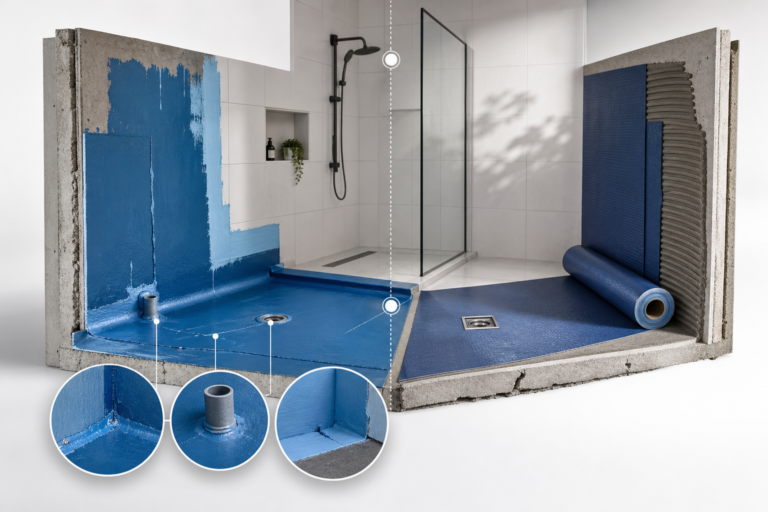
Waterproofing Membrane Types: Which Fails Most in NSW Bathrooms
Waterproofing failure is the single most common serious defect found in NSW apartments, and the type of membrane used, along
Read More »
Building Certifier NSW: Role, Limits, and When You Need More
A building certifier in NSW is a registered professional who issues construction certificates, conducts critical stage inspections, and grants occupation
Read More »