
Comprehensive Building Defect Inspections: What NSW Homeowners Need to Know
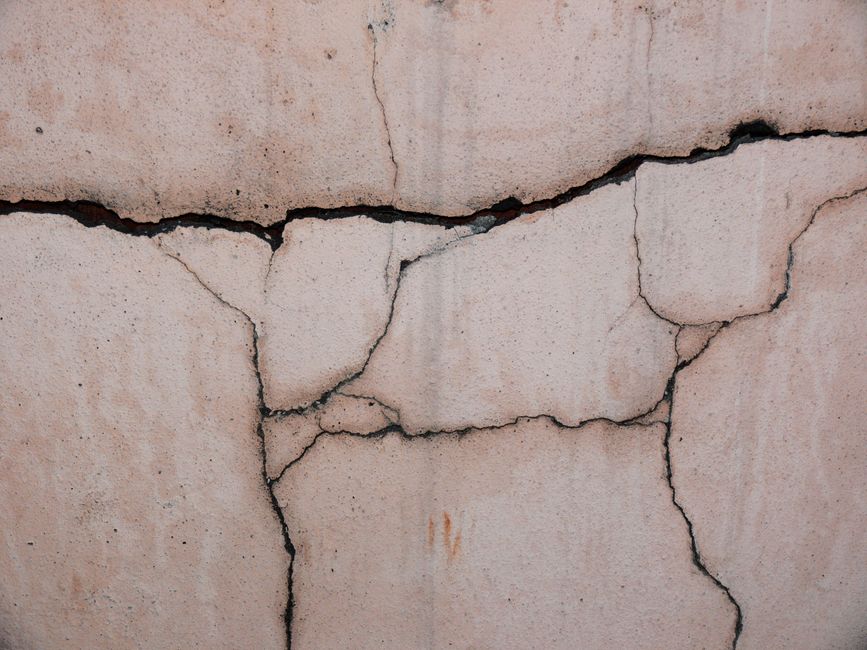
Building defects can turn the dream of a new home or renovation into a stressful experience. For NSW homeowners, understanding the inspection process, time limits, and legal protections is essential to protecting your investment. Whether you are dealing with a newly built home, a recent renovation, or a strata apartment, a professional building defect inspection provides the evidence needed to resolve disputes effectively. This article covers the key facts every NSW homeowner should know about building defect inspections.
Understanding Building Defects in NSW
Building defects fall into two main categories under NSW law: major defects and minor defects. Knowing the difference matters because the time limits for making a claim differ for each. The Home Building Act 1989 provides statutory warranties that apply to residential building work, giving homeowners important rights.
What is a Major Defect?
Under NSW legislation, a major defect is defined as a defect in a major element of the building that results from defective design, defective workmanship, or defective materials. It also includes a failure to comply with the structural performance requirements of the National Construction Code. Major elements include load-bearing components, fire safety systems, and waterproofing. These defects typically affect the building’s structural integrity or pose a safety risk.
Statutory Warranties and Time Limits
Statutory warranties under the Home Building Act 1989 protect homeowners for a set period. For major defects, the warranty period is six years from the date of completion of the work. For minor defects, the warranty period is two years. It is important to note that these time limits apply from when the work is completed, not from when you move in. Building Commission NSW offers a free complaint handling service to help resolve disputes about home building work, but it is wise to act within the warranty periods.
Key Legislation and Protections for NSW Homeowners
NSW has introduced specific legislation aimed at improving building quality and giving regulators more power to address defects, particularly in apartment buildings. Homeowners should be aware of these protections when planning a building defect inspection.
The Residential Apartment Buildings (Compliance and Enforcement Powers) Act 2020
The RAB Act commenced on 1 September 2020. It allows Building Commission NSW to enter construction sites to investigate serious defects before an occupation certificate is issued. This means problems can be identified and addressed earlier in the construction process, reducing the likelihood of defects being concealed. For apartment owners, this provides an additional layer of oversight.
Building Defects Bond for Apartments
For residential apartment buildings that are four storeys or higher, where the building contract was made on or after 1 January 2018, the developer must lodge a building defects bond of two per cent of the building contract price before applying for an occupation certificate. This bond is held to cover the cost of rectifying any defects that emerge. It gives owners and owners corporations a financial resource to address defects without relying solely on the developer.
Common Types of Building Defects
The Building Defects Library published by the NSW Building Commission provides technical reference standards for the most common defect categories found in class 2, 3 and 9c buildings. These categories include waterproofing, fire safety, structure, building enclosure, and services. The library references the relevant National Construction Code and Australian Standards. While this library is aimed at building professionals such as certifiers and council staff, homeowners can benefit from knowing that these are the typical defect areas inspectors examine during a building defect inspection.
What to Expect from a Professional Building Defect Inspection
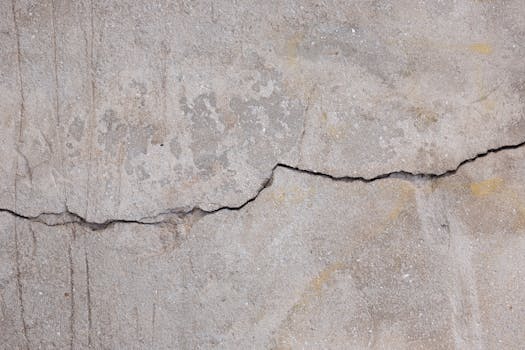
A professional building defect inspection involves a thorough examination of the property by an experienced inspector. The inspector assesses visible and accessible areas for non-compliant work, poor workmanship, or material failures. The resulting report is a critical document for dispute resolution, whether through direct negotiation with the builder or through formal proceedings such as NCAT.
Inspection Process and Timing
For warranty defect inspections, timing is critical. Structural defective work must be identified within six years and three months of completion. Non-structural defective work must be identified within twelve months. Inspectors typically conduct a visual inspection, looking for signs of cracking, water ingress, faulty finishes, and other issues. The report should be completed promptly to allow time to lodge a claim within the statutory limits.
What the Report Covers
Independent expert reports completed in accordance with Australian Standards are essential for dispute resolution and NCAT proceedings. Companies such as Houspect provide independent reports suitable for this purpose. iSPECT Building Inspections offers warranty defect inspections from $395 plus GST for apartments and from $425 plus GST for houses, townhouses, and units, with reports provided in 24 hours. Pricing varies by provider and property type, so it pays to compare options. NSW Building Inspection Services employs inspectors with over twenty years of hands-on experience in the building industry and offers services including new home inspections, pre-purchase inspections, dilapidation reports, and defect reports.
Choosing a Building Defect Inspection Service
When selecting an inspection service, look for inspectors with substantial industry experience and familiarity with the relevant Australian Standards. Independent expertise is especially important if the inspection report may be used as evidence in a building dispute. NSW Building Inspection Services, for example, highlights that its inspectors have over twenty years of practical experience. Houspect states that its reports are completed in accordance with Australian Standards. While these are examples of services available in the market, homeowners should research providers thoroughly and ask about qualifications, insurance, and report format.
What About the Building Defects Library?
The Building Defects Library is a professional resource developed for certifiers and council staff to help them identify and classify common defects. It is not designed for direct use by homeowners, but you may find it useful to understand what inspectors look for. Your chosen inspector should be familiar with the library and the standards it references, as it represents the current technical guidance used by regulatory bodies.
Frequently Asked Questions
What is the time limit to claim for building defects in NSW?
For major defects, you have six years from completion of the building work to make a claim under statutory warranties. For minor defects, the time limit is two years. It is important to have a building defect inspection carried out well within these periods to allow time for the claim process.
How much does a building defect inspection cost?
Costs vary by provider and property type. For example, some companies advertise warranty defect inspections from $395 plus GST for apartments and from $425 plus GST for houses. Prices may differ depending on the size and complexity of the property, so request quotes from several providers before booking.
Can I complain to the Building Commission about a defect?
Yes, Building Commission NSW offers a free complaint handling service to help resolve disputes about home building work. The service covers issues related to the Home Building Act 1989. However, time limits still apply, so you should act promptly if you discover a defect.
What is a major defect under NSW law?
A major defect is a defect in a major element of a building caused by defective design, defective workmanship, or defective materials. It also includes failure to comply with the National Construction Code structural performance requirements. Load-bearing components, fire safety systems, and waterproofing are examples of major elements.
Building defect inspections in NSW are a vital step for protecting your property rights. Understanding the time limits, legislation, and the inspection process gives you confidence to take action. If you suspect defects in your home or apartment, arrange a professional inspection as soon as possible to avoid missing the warranty periods. A thorough, independent report can be the foundation of a successful resolution.

Related Posts

Strata Report: What Buyers Need to Read Before Signing
A strata report is the document that surfaces hidden obligations before you are legally committed to a purchase. A strata
Read More »
Inspection of Structures: What to Check Before You Buy
An inspection of structures examines a property's load-bearing elements, including foundations, walls, beams, roof framing, and floor systems, to identify
Read More »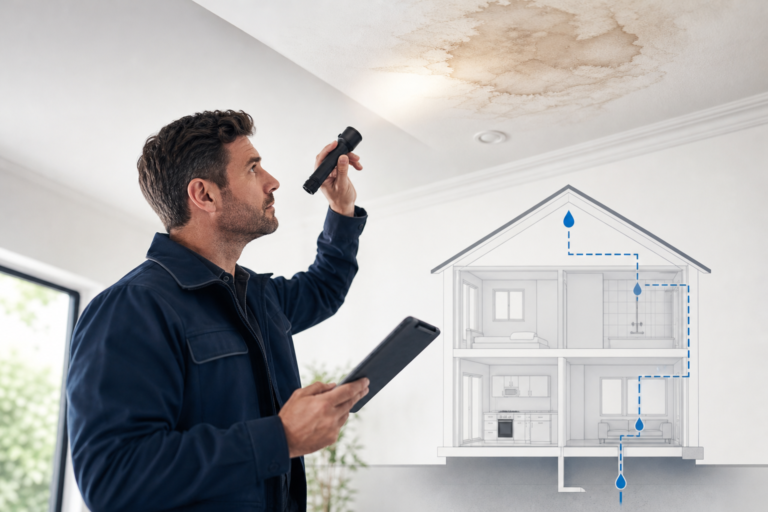
Water Damage in Homes: How to Track Down the Source
Water damage in a home rarely announces itself at the source. A stain on the ceiling, a musty smell in
Read More »