
Expert Witness Cross Examination in NSW Building Disputes
You're at the NCAT Home Building List with a waterproofing dispute that has narrowed to two competing reports. The homeowner relies on a structural engineer's findings. The builder relies on a building consultant's opinion. Both reports look persuasive on paper, but the test begins when the Member asks each expert to explain the inspection method, assumptions, evidence reviewed and path to the conclusion.
That is where expert witness cross-examination earns its importance. In NSW building disputes, it isn't courtroom theatre or a contest of confidence. It's a controlled process for testing whether an opinion is reliable, properly reasoned and supported by the evidence. Awesim Building Consultants has 35+ years in Building & Construction, with over 15+ years providing litigation support to homeowners, builders and lawyers. The practical lessons below come from preparing site investigations, Building & Construction Expert Witness Reports and Scott Schedules for contested matters.
Why Expert Witness Cross Examination Decides NSW Building Disputes
A Member doesn't decide a waterproofing dispute because one party speaks more forcefully. The decision usually turns on which expert has explained the technical problem more clearly, used a defensible method, and remained consistent when the evidence was tested.
A homeowner may say water entered the bathroom after construction. A builder may say the issue resulted from maintenance, movement or later alterations. Those accounts matter, but they rarely resolve the technical question by themselves. The expert must connect the observed condition to a probable cause, identify the relevant standard or contractual obligation, explain the rectification method and separate verified facts from assumptions.
The report is only the beginning
Expert reports are often prepared well before the hearing. By the time the expert enters the witness box, photographs may be familiar, repairs may have changed the site and the opposing report may challenge the inspection method or proposed rectification. Cross-examination brings those weaknesses into the open.
The Federal Court describes cross-examination as a process used to test a witness's evidence and obtain evidence the witness didn't give. That purpose is particularly important with technical evidence, because a report may state a conclusion without making every link in the reasoning obvious. Questions can expose an unverified assumption, an omitted document or a methodology that doesn't support the certainty expressed.
Practical rule: The strongest challenge usually attacks the path to the opinion, not the expert personally.
The NSW framework treats expert evidence as a regulated mechanism for testing reliability, methodology and competing opinions. Current Judicial Commission guidance explains that Uniform Civil Procedure Rules 2005 r 31.35 allows the court to direct how multiple experts are examined, including concurrent evidence and issue-by-issue questioning. That gives the court active control over how technical disputes are tested. NSW Judicial Commission guidance on concurrent evidence
Why credibility is technical
Credibility isn't limited to whether an expert appears sincere. It includes whether the expert has the necessary qualifications and experience, stayed within the specialised field, considered alternative causes, acknowledged limitations and applied the same reasoning to inconvenient facts.
An expert who concedes a minor limitation can strengthen the reliability of the central opinion. An expert who refuses an obvious concession risks losing the Member's confidence in the entire report. Cross-examination therefore decides more than isolated answers. It helps the tribunal determine which technical opinion deserves weight.
Preparing Before the Hearing Day
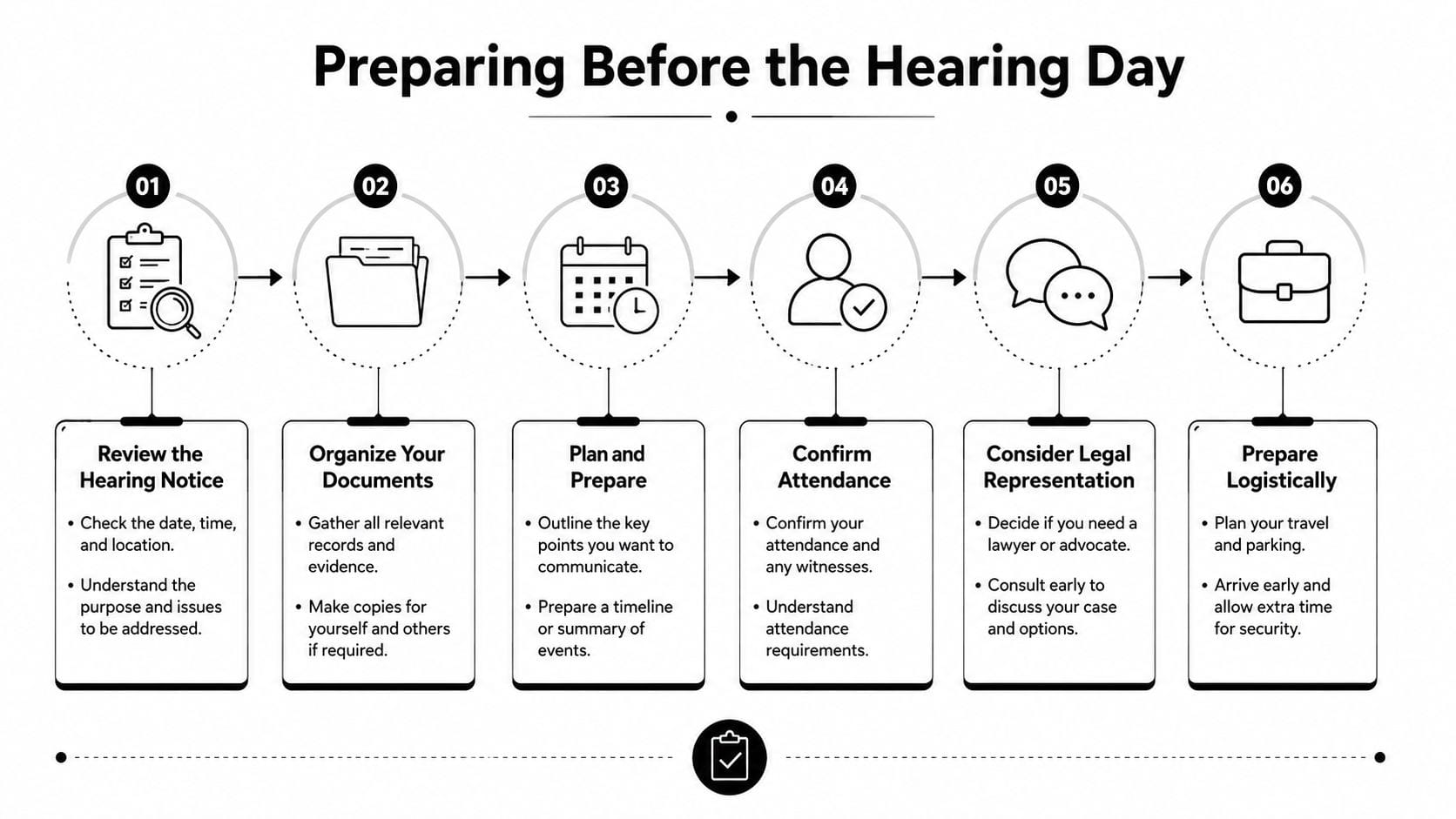
Preparation starts with one organised working file, not a last-minute review of the report. Collate the expert's report, the current Scott Schedule, the opposing expert's report, the building contract, relevant variations, photographs, notices, correspondence, conclave directions and any supplementary material. The purpose is to make every opinion traceable to the document or observation supporting it.
Read the reports together. Mark each point where the experts agree, qualify or disagree. Then check whether the Scott Schedule reflects the actual technical dispute. A schedule should identify the item, the alleged defect, each party's position, the expert opinion, the proposed rectification and the cost evidence. It's a decision tool, not a second report.
Photographs need more than descriptive file names. Label them by location and disputed item, then cross-reference them to the report and schedule. If a photograph shows a failed shower junction, the reader should be able to locate the same condition in the inspection notes and understand why it matters to the proposed rectification.
Aligning the witness with the evidence
The witness conference should test the report before the Member does. Ask the expert to explain the inspection method in plain language, identify the assumptions behind each disputed opinion and distinguish what was personally observed from what was reported by another person. If an opinion depends on a missing document, deal with that weakness openly.
A useful conference follows the Scott Schedule item by item. For each defect, confirm the supporting fact, applicable standard, defect consequence, rectification method and opinion. That sequence exposes gaps early and prevents the expert from drifting into a general narrative when asked a precise question.
A carefully arranged bundle also matters. Good court-ready brief formatting tips can help keep reports, schedules and exhibits easy to understand under questioning. In NCAT, clear pagination and consistent document names reduce wasted time when the Member asks an expert to turn to a particular page.
The NSW expert witness inspection preparation guide is useful when the inspection record still needs to be strengthened before the hearing.
Final logistics
Confirm whether the expert must attend in person or remotely, whether joint reporting or a conclave is required, and whether the expert may need to remain outside the hearing room before giving evidence. Check the technology, bundle access and contact details. The final briefing should happen the evening before, with attention on disputed issues rather than an attempt to memorise the report.
NCAT may limit the time available for expert evidence and cross-examination. Preparation works when it gives the expert a concise, defensible answer to every significant schedule item.
Legal Rules That Govern Expert Cross Examination in NSW
The rules shape the hearing before the first question is asked. In NSW civil proceedings, expert opinion evidence must generally fall within the specialised-knowledge exception in Evidence Act 1995 s 79(1). The expert must bring specialised knowledge derived from training, study or experience, and the opinion must be connected to that knowledge.
The usual rule is that the party calling a witness doesn't cross-examine that witness without leave under s 38. The opposing party ordinarily has the right to test the evidence. The NSW Law Reform Commission has also recorded the principle that a party affected by expert evidence may cross-examine the expert, and that an expert must attend for examination or cross-examination when properly requested on reasonable notice. NSW Judicial Commission material on expert evidence
The UCPR adds professional and procedural controls. UCPR r 31.23 and the expert code require the expert's overriding duty to the court or tribunal, rather than to the party paying the fee. Schedule 7 addresses matters such as qualifications, field of expertise, independence, methodology and relationships that may be material to impartiality. The expert's report must be usable as evidence, not merely persuasive correspondence.
The rules in practical terms
| Source | Key Provision | Practical Effect |
|---|---|---|
| Evidence Act 1995 | s 79(1) specialised knowledge exception | The expert must connect the opinion to genuine specialised knowledge |
| Evidence Act 1995 | s 38 | A calling party generally needs leave to cross-examine its own witness |
| Uniform Civil Procedure Rules 2005 | r 31.23 and Schedule 7 | The expert must comply with the overriding duty and code of conduct |
| Uniform Civil Procedure Rules 2005 | r 31.35 | The court can control the manner and sequence of multiple-expert questioning |
| NCAT expert evidence directions | Concurrent evidence and expert management | Experts may be required to confer or give evidence together |
| NCAT hearing powers | Control of form and duration | The Member may limit cross-examination time and direct its structure |
NCAT has its own evidence-management framework. Its procedural materials contemplate concurrent evidence, joint expert reporting, verbal evidence in addition to written reports and active control over the form and duration of cross-examination. The Evidence Act's operation at NCAT is also subject to the Tribunal's statutory framework, including the limited operation described in s 9A, so lawyers must apply the correct tribunal directions rather than assume a court trial format.
Questions can be leading, but they still need to be fair and relevant. An expert may be pressed with a hypothetical, but the hypothetical must identify the assumed facts. An expert shouldn't be pushed into giving an opinion outside the field stated in the report.
For broader comparative context, this Daubert and Rule 702 guide explains a US approach to expert reliability. NSW practitioners shouldn't transplant that framework into NCAT, but the focus on facts, method and application is a useful analytical comparison. The NSW expert witness code of conduct resource provides a building-dispute-focused reference for the obligations that apply to reports and testimony.
Building an Issue-Led Question Plan
A report-led cross-examination follows the expert's chronology. That usually suits the witness, not the case. A stronger plan follows the disputed items in the Scott Schedule, because that is where the Member must ultimately decide what defect exists, what caused it and what remedy is justified.
Start with the technical proposition you need to test. For a waterproofing item, the sequence may be the relevant standard, the inspection method, the condition observed, the alternative explanation and the proposed rectification. For concrete spalling, the questions may focus on exposure, reinforcement condition, testing undertaken and whether the proposed repair exceeds the evidence.
Keep each question to one variable. Ask whether the expert cited the standard. Then ask which clause or requirement was relied upon. Then identify whether the inspection established the factual condition needed to apply it. Don't combine the standard, inspection, causation and cost into one long question.
A worked waterproofing example
Assume an expert concludes that a shower leak requires complete bathroom demolition and reconstruction. The report records staining near the adjoining wall, but it doesn't identify destructive testing, moisture mapping or an inspection of the plumbing connection.
The question plan should isolate the opinion chain:
- Observed condition: The expert confirms the staining location and date of inspection.
- Inspection method: The expert identifies whether moisture testing or opening-up occurred.
- Assumption: The expert confirms whether the leak source was assumed to be the membrane.
- Alternative cause: The expert explains whether plumbing, sealant failure or movement was investigated.
- Rectification: The expert links the proposed demolition to the verified source, rather than to the existence of staining alone.
If the expert accepts that the membrane source wasn't verified, the proposed scope may need qualification. The point isn't to force a different conclusion. It's to show the Member precisely which part of the opinion is established and which part depends on an assumption.
Build the contradiction into the plan
Have the relevant Australian Standard, manufacturer specification, contract clause, inspection photograph and contemporaneous correspondence ready. The document should answer the question you're asking. If a photograph doesn't establish what you need, don't pretend it does.
Bias questions also work best when tied to the report. Explore the fee arrangement, prior commercial relationship, instructions received and whether the expert considered evidence inconsistent with the party's position. A vague attack on independence is less persuasive than a documented omission.
The useful concession is usually narrow. It might concern an unverified cause, an incomplete inspection or a rectification scope that depends on further investigation.
Concurrent Evidence and Conclave Tactics
NCAT can change the shape of expert cross-examination before the hearing begins. Rather than having one expert answer while the other waits, the Member may direct experts to give evidence together. The Member usually asks questions first, then allows shorter examination by the parties.
That structure rewards preparation and penalises performance. A long hostile cross-examination loses force when the Member controls the order, combines related issues, or asks both experts to address the same photograph. Prepare short questions tied to individual Scott Schedule items and technical propositions. The plan should identify the document, the disputed fact and the answer required.
Traditional and concurrent formats
| Traditional approach | Concurrent approach |
|---|---|
| One expert answers while the other waits | Experts address the same issue together |
| Counsel controls most of the sequence | The Member may set the sequence |
| Extended credibility questioning may be possible | Time and scope are actively managed |
| The report often anchors the examination | The disputed issue and comparative reasoning anchor it |
| Counsel may develop a long narrative | Counsel must identify concise technical propositions |
A conclave operates differently again. Experts may be directed to confer on defined questions and return with agreed and disputed positions. The conference narrows the technical field. It isn't a venue for negotiation.
Use the Scott Schedule as the working backbone. For each item, record the competing opinion, the evidence relied on, the point of agreement and the precise reason for any disagreement. This keeps the discussion issue-led and reduces the risk that broad wording in a joint document conceals separate conclusions.
The expert should concede matters that are objectively clear and identify the exact point that remains contested. During the conclave, record the wording of agreed matters and the reasons given for divergent views. The final joint report or panel document should separate agreement, qualification and disagreement, rather than compressing them into general language.
Review the NCAT procedural directions on expert evidence before the conference and hearing. Confirm what the Member has directed, which questions must be answered, whether experts must remain available for cross-examination, and how joint material will be provided or tendered.
Time limits make sequencing important. Deal first with the Scott Schedule items that affect liability or the proposed scope of work. Leave peripheral matters until the Member has the technical foundation needed to assess them. An expert who gives clear, item-specific answers under simultaneous scrutiny provides more assistance than one who treats every difference as a dispute to be won.
Defending Your Own Expert Under Cross Examination
At the expert's chair, a detailed report can be reduced to short questions about a fee, a prior engagement, or a sentence that appears to overstate the evidence. NCAT Members usually need a clear technical answer within the time allowed, not a performance under pressure.
The expert's overriding duty is to assist the tribunal impartially. That may require correcting the report, narrowing an opinion, or accepting that a conclusion needs qualification. The duty sits within the NSW expert evidence framework and shapes how NCAT manages evidence.
What measured answers look like
Listen to the whole question and answer only what was asked. If it contains an incorrect premise, identify the problem briefly, then answer the technical point. If a document appears unexpectedly, ask to see the complete page. Request a short adjournment where proper consideration is needed.
A prepared expert can say:
- “That part of my report needs qualification.” This avoids defending an absolute statement the evidence cannot support.
- “I didn't inspect that concealed area.” It defines the limit of personal knowledge.
- “My opinion depends on that assumption being correct.” It shows the Member how the conclusion is structured.
- “I can't give an opinion on that issue because it falls outside my field.” It preserves the boundary of expertise.
Fee and prior-relationship questions require direct answers. Explain the hourly arrangement or commercial history accurately, then distinguish those matters from the independence of the technical opinion. A calm explanation helps the Member separate ordinary professional work from actual bias.
Correcting the record without losing the issue
Suppose the expert cited an outdated product instruction, or a photograph does not establish the source of a leak. Correct the point immediately. Then state whether the correction changes the conclusion, reduces the level of certainty, or requires further inspection.
The Scott Schedule can keep this response tied to the disputed item. Identify the relevant defect, cause, scope or cost issue, record the correction, and state whether the opinion changes. That gives counsel and the Member a usable answer rather than a general defence of the report.
Re-examination may be appropriate where cross-examination creates a misleading impression, introduces a new document, or leaves an important qualification unexplained. It is not an opportunity to repeat the entire report. Counsel should identify the precise issue requiring clarification and avoid rescuing a weak answer through argument.
Defending every word rarely helps. An expert who corrects a limited error can still explain why the remaining opinion stands, provided the reasoning and evidence are stated clearly. The focus should return to the issue-led sequence set by the Member and the Scott Schedule, particularly where time limits leave little room for repetition.
After the Hearing and When to Bring in Awesim
The week after the hearing should produce a controlled technical record, not a rush to rewrite the case. If a transcript is needed, arrange it through the NSW Civil and Administrative Tribunal process and compare it with the expert's notes. Check what was said, especially concessions about causation, scope, assumptions and cost.
Carry material concessions into the next working version of the Scott Schedule. A schedule that ignores an answer given under cross-examination can undermine the credibility of the party relying on it. The same applies to agreed matters emerging from a conclave. Record them accurately and preserve the disputed issues that remain.
Decide whether further expert work is justified
A supplementary report may be appropriate where the opposing expert introduced a new technical matter, relied on a document that wasn't previously available or raised a rectification method that requires a response. It shouldn't be commissioned to repeat an opinion that was already tested.
A further report can address:
- New observations: A newly raised defect theory or alternative cause.
- Methodological gaps: A specific criticism that can be answered from the inspection record.
- Rectification scope: Whether the proposed work follows from the established defect.
- Quantum: Whether the cost allowance matches the defined scope and available evidence.
- Appeal preparation: A second opinion where the Appeal Panel requires a clear technical basis for challenging the decision.
Cost orders in NCAT's Building List can be affected by how the evidence is received and whether the parties acted reasonably in narrowing issues. Technical work should therefore be proportionate. A second report that adds no analysis may create cost without improving the case.
Awesim Building Consultants provides site investigations, Building & Construction Expert Witness Reports and Scott Schedules for homeowners, builders and lawyers. A building consultant may be needed after a defective finding to define rectification, re-cost a Scott Schedule or prepare an independent response for an Appeal Panel matter. The work should start with the record, the directions and the precise technical question still requiring an answer.
Awesim Building Consultants can prepare site investigations, expert witness reports and Scott Schedules that align technical findings with NSW tribunal requirements, including preparation for expert witness cross-examination. Email admin@awesim.com.au or call 1800 293 746, and visit Awesim Building Consultants to discuss the building dispute and the evidence required.

Related Posts

Waterproof Membrane Failure: How Inspectors Find the Cause
Waterproof membrane failure is diagnosed by tracing the water entry point, reviewing design documents, exposing the membrane for visual inspection,
Read More »
Cornice Cracking: How to Tell If the Damage Is Serious
Cornice cracking is one of the most common concerns Australian homeowners raise, and the hard part is not spotting the
Read More »
Digital Construction Consultant Australia: What They Do
A digital construction consultant in Australia manages the technology-driven side of building projects: BIM coordination, clash detection, asset data handover,
Read More »