
Homeowner Rights in Building Disputes: NSW Laws and Protections

Building a new home or renovating an existing property is a significant investment. When things go wrong – whether through defective work, incomplete construction, or payment disagreements – understanding your homeowner rights in building disputes can make the difference between a quick resolution and a prolonged legal battle. In New South Wales, specific laws and procedures exist to protect you. This article explains your key rights, the steps you should take, and where to find help if a dispute arises.
Understanding Your Legal Protections as a Homeowner in NSW
New South Wales law sets out clear obligations for builders and tradespeople. One of the most fundamental protections is the requirement for a written contract. For any residential building work costing more than $5,000 (including GST), you must have a signed, dated contract. This contract should detail the scope of work, the materials to be used, the price, and the expected completion date. Without this written agreement, your rights may be harder to enforce.
In addition to the contract requirement, the Home Building Act provides statutory warranties that apply automatically to all residential building work over $5,000. These warranties include that the work will be done with due care and skill, that materials will be good and suitable, and that the work will be fit for its purpose. These protections last for a period after the work is completed – although the exact time limits are not spelled out in the official guidance, it is wise to be aware that statutory warranty periods exist and to take action promptly if you suspect defects.
The First Steps When a Dispute Arises
If a problem emerges with your building project, the first recommended step is always to review your contract and communicate directly with your builder or tradesperson. Many issues can be resolved through a calm, clear conversation. Put your concerns in writing – an email or a letter – and outline exactly what you believe is wrong and what you expect to be done about it. This creates a record of your complaint and shows you have made a genuine effort to resolve the matter informally.
If direct communication does not lead to a satisfactory outcome, your next step is to escalate the matter. In New South Wales, Building Commission NSW can assist with dispute resolution if negotiation fails. You can contact them for guidance on your options and to request their mediation services. This is often a quicker and cheaper alternative to going straight to court or tribunal.

Using the NSW Guide to Standards and Tolerances
One of the most useful tools for NSW homeowners is the Guide to Standards and Tolerances. This official document helps you understand what level of work quality is considered acceptable. For example, it sets out acceptable shrinkage gaps around windows or minor cracking in plaster. Knowing these standards gives you a benchmark when discussing defects with your builder. If the work falls outside these tolerances, you have stronger grounds to demand a remedy. Keep in mind that the guide is not a legally binding code, but it is widely used by tribunals and courts as a reference point.
Time Limits and Statutory Warranties in NSW
The law imposes strict time limits for bringing certain types of building claims. While the extracted guidance does not specify exact periods for NSW, it is clear that time limits and statutory warranties apply. In practice, this means you should not delay if you believe you have a claim. Waiting too long could forfeit your right to take action. For specific timeframes relevant to your situation, consult the official NSW government website or seek legal advice. Other states have clearly defined limits – for example, in Western Australia, general building service complaints must be lodged within six years of completion, and contract matters within three years. In NSW, similar but different periods may apply, so it is crucial to check.

What About Other States? A Quick Comparison
Although this article focuses on NSW, it is helpful to know how other Australian jurisdictions handle building disputes. In Victoria, homeowners can approach the Building and Plumbing Commission (BPC) and may access free legal advice through the Domestic Building Legal Service. Victorian contracts over $10,000 must state a start date. In Western Australia, disputes are handled by Building and Energy, and a Notice of Proposed Complaint must be given at least 14 days before lodging a formal complaint. There, the contract value must be between $7,500 and $500,000 for home building work complaints. Each state has its own agency – NSW uses Building Commission NSW, Victoria uses the BPC, and WA uses Building and Energy. Always use the correct body for your location.
When to Seek Expert Help for Building Disputes
Some disputes are too complex to resolve through informal negotiation or mediation. If you are faced with significant defects, a builder who refuses to cooperate, or a claim that seems destined for the NSW Civil and Administrative Tribunal (NCAT) or a court, professional support becomes invaluable. A building consultant can provide expert witness reports, prepare a Scott Schedule – which lists alleged defects and the required rectification – and offer litigation support. These services are especially useful when you need to prove the extent of the problem and the cost of fixing it.
Even if you are confident in your position, having an independent expert on your side strengthens your case. They can inspect the property, identify issues against the Guide to Standards and Tolerances, and prepare a clear, objective report. This often encourages the other party to negotiate a settlement before the matter goes to a hearing.
Frequently Asked Questions
What is the first step I should take in a building dispute in NSW?
Review your written contract and then speak directly with your builder or tradesperson. Put your concerns in writing and keep copies of all correspondence. Many issues are resolved at this stage without needing to involve third parties.
How long do I have to lodge a building dispute in NSW?
The official guidance mentions that time limits and statutory warranties apply, but does not state exact periods. You should check the current NSW government website or consult a building lawyer or consultant to confirm the applicable deadlines for your situation.
What is the NSW Guide to Standards and Tolerances?
It is a document that outlines acceptable levels of workmanship for common building elements, such as gaps around windows or minor cracking. It helps homeowners understand whether a defect is within normal limits or requires rectification.
Can Building Commission NSW force my builder to fix defects?
Building Commission NSW can provide dispute resolution services, including mediation. If a resolution is not reached, they may issue orders in some cases. However, for serious or unresolved disputes, you may need to apply to NCAT or a court.
Do I need a lawyer or a building consultant for an NCAT claim?
While you can represent yourself, having an expert building consultant who can provide a Scott Schedule and expert witness report is highly recommended. It helps present your case clearly and can improve your chances of a favourable outcome.
Understanding your homeowner rights in building disputes is the first step towards protecting your investment. By knowing the legal requirements, following the correct procedures, and seeking professional help when needed, you can resolve problems more effectively. If you are facing a building dispute in NSW, consider engaging a building consultant to guide you through the process and strengthen your case.

Related Posts
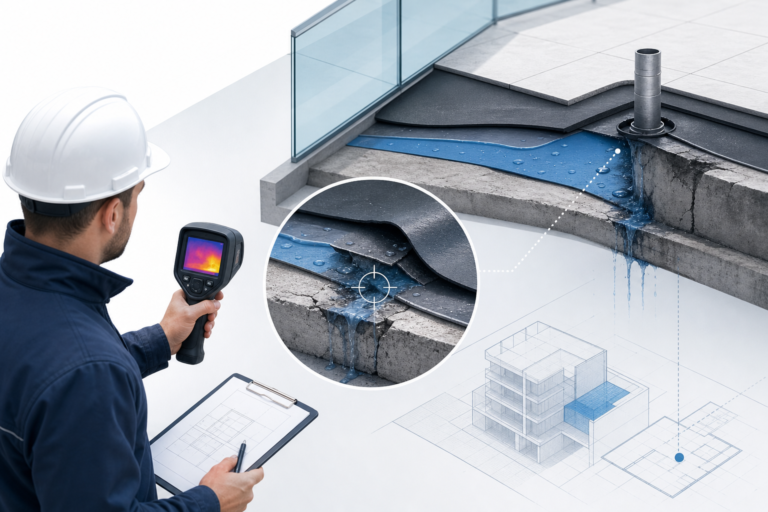
Waterproof Membrane Failure: How Inspectors Find the Cause
Waterproof membrane failure is diagnosed by tracing the water entry point, reviewing design documents, exposing the membrane for visual inspection,
Read More »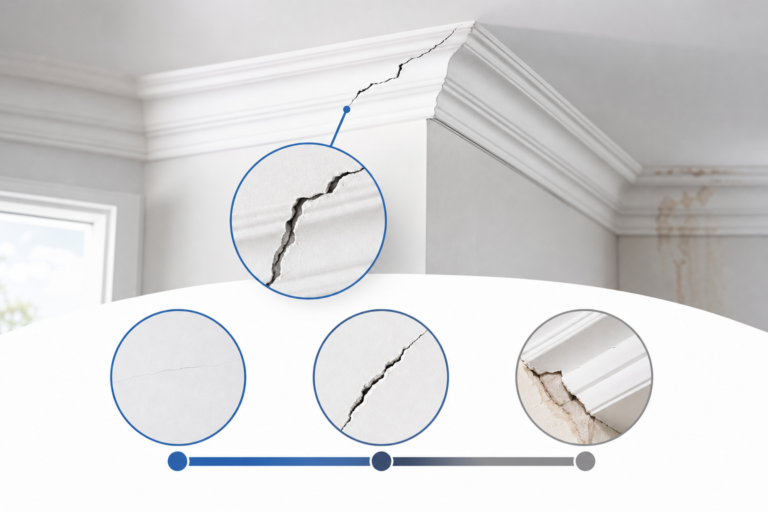
Cornice Cracking: How to Tell If the Damage Is Serious
Cornice cracking is one of the most common concerns Australian homeowners raise, and the hard part is not spotting the
Read More »
Digital Construction Consultant Australia: What They Do
A digital construction consultant in Australia manages the technology-driven side of building projects: BIM coordination, clash detection, asset data handover,
Read More »