
How to Avoid Building Disputes in NSW: Preventative Tips for Homeowners
Building or renovating your home should be an exciting process, but disagreements between homeowners and builders are more common than many people realise. The good news is that most building disputes can be prevented with careful planning and clear communication from the start. This guide outlines practical steps you can take in New South Wales to reduce the risk of a dispute arising, and what to do if problems do appear.
Start with a Detailed Written Contract
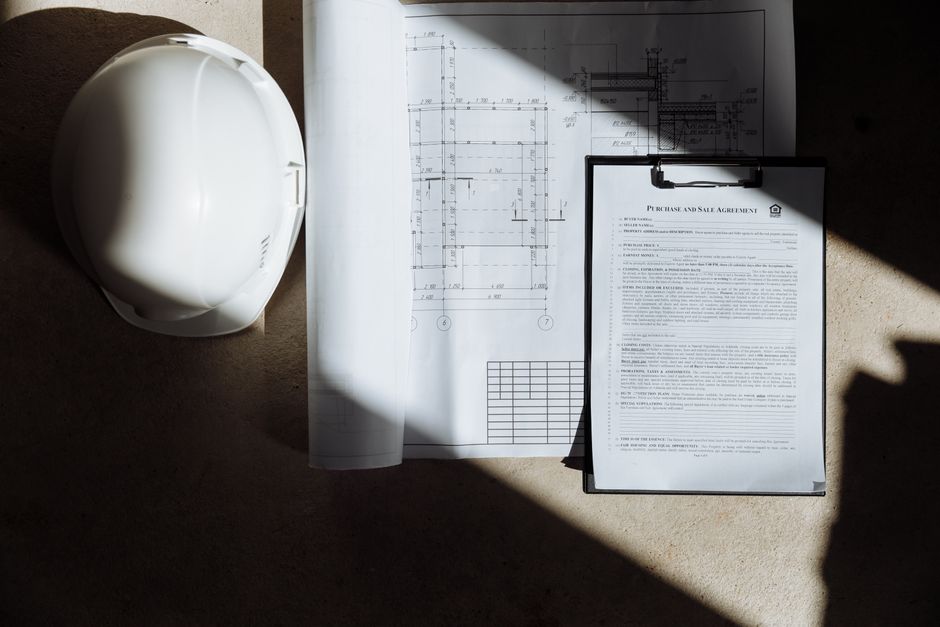
Getting your contract in writing is the golden rule for avoiding or minimising disputes. Never begin work on the basis of a handshake or a vague one-page quote. A comprehensive contract should include the full scope of work, a clear payment schedule, timelines for each stage, and provisions for handling variations. For residential projects in NSW, once a contract is in place you have a document to refer back to whenever questions arise. Insisting on a detailed contract protects both you and your builder and helps prevent misunderstandings before they start.
Do Your Homework on Your Builder
Properly vetting your builder before you sign anything is essential. Check that they hold the appropriate licences for the work you need. Ask for references from recent clients and, if possible, visit completed projects. Look into whether they are members of a recognised industry body, and search for any past complaints or disciplinary action. Taking these steps early means you are far less likely to end up dealing with substandard work or unresolved problems later.
Communicate Clearly and Professionally
Many disputes start with simple miscommunication. Keep every conversation professional, whether it happens in person, over the phone, or by email. Avoid sending angry or nasty emails and do not be aggressive in person or on the telephone. Instead, remain calm and specific about your concerns. Document every important conversation by following up with a brief email or note summarising what was agreed. This creates a written record that can settle arguments about what was said.
Keep Meticulous Records Throughout the Project
From the very first meeting, keep a file of all documents related to your build. This includes the signed contract, plans and specifications, all emails and text messages, photographs of progress, receipts for payments, and any variation requests. If the scope of work changes even slightly, ask for the change to be documented in writing. Having a clear paper trail means you and your builder can quickly resolve questions about timelines, costs, and scope without needing to rely on memory.
Address Issues the Moment They Appear
Small problems can become large and expensive disputes if they are ignored. If you notice a potential defect, a delay that concerns you, or an unexpected cost, raise it with your builder immediately. Review your contract first, then talk to your builder or tradesperson directly. A calm, early conversation often resolves the issue on the spot. If that does not work, write a letter or email outlining your concern and what you believe should happen. Sending a formal letter of demand can also be a useful step when a builder has not responded to earlier attempts to resolve the matter.
Make Genuine Attempts to Resolve Directly Before Escalating
In NSW, you must make genuine attempts to resolve issues directly with your builder before you can take the next steps to making a formal complaint. This means trying every reasonable avenue of communication first. The goal is to keep the project on track and avoid the stress and cost of formal proceedings. If you cannot reach an agreement, contact Building Commission NSW for guidance. They provide information on how to proceed with a complaint and can help you understand the options available at that stage.
Know the Key Causes of Disputes and Watch for Them
Understanding what typically leads to building disputes helps you avoid them. The most common triggers include debt recovery and payment claims, defective or delayed building work, price increases on fixed fee contracts, and unsigned or unagreed variations. By staying alert to these risk areas and keeping open lines of communication with your builder, you can often resolve a potential dispute before it escalates. Remember that prevention is always less costly than fixing a problem after the fact.

Seek Expert Help Early If Problems Worsen
If you have tried speaking with your builder and writing to them but the issue remains unresolved, it is wise to get help from a legal expert or building consultant sooner rather than later. An expert can review your contract, inspect the work, and advise you on the strength of your case. They may also help you prepare a letter of demand or negotiate a settlement. Engaging a professional early can save you time, money, and stress, and it gives you a clearer picture of your rights and options under NSW law.
Frequently Asked Questions
What is a building dispute?
A building dispute is a disagreement between a homeowner and a builder or tradesperson over issues such as defective work, delays, incomplete work, payment disputes, or changes in contract price. Disputes can also involve subcontractors or suppliers. In NSW, you are encouraged to first try to resolve the issue directly before involving a formal authority.
What should I do if my builder stops responding to me?
If your builder stops communicating, first send a written letter or email detailing your concern and asking for a response. Keep a copy of everything you send. If there is still no reply, you can contact Building Commission NSW, which provides information on next steps. You might also consider seeking legal advice to understand your rights under your contract.
Can I take my builder to NCAT without a lawyer?
Yes, homeowners in NSW can lodge an application with the NSW Civil and Administrative Tribunal (NCAT) without a lawyer. However, NCAT proceedings can be complex, and building disputes often require technical evidence. Many homeowners find it helpful to engage a building consultant or legal expert to prepare an expert witness report or a Scott Schedule to present their case clearly.
Preventing a building dispute is almost always easier than resolving one that has already escalated. By taking the time to choose your builder carefully, put everything in writing, and communicate openly from the start, you set your project up for success. If problems do arise, address them early and seek expert guidance before the situation becomes unmanageable. These simple habits will help you protect your investment and keep your building journey on track.

Related Posts
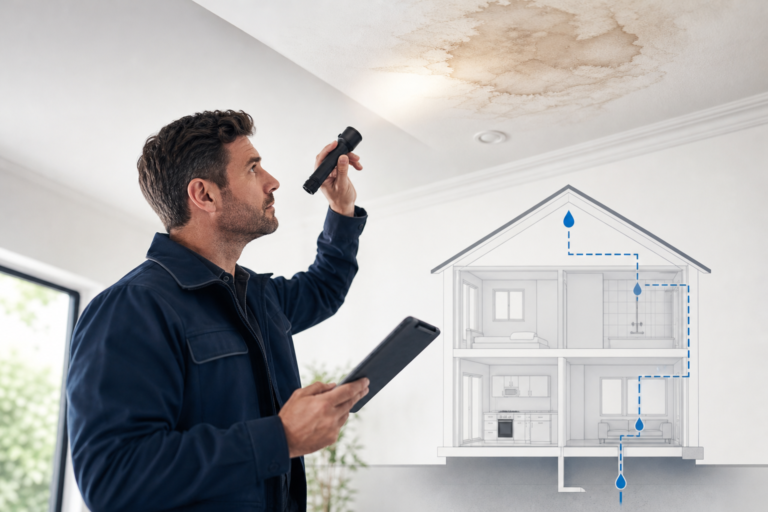
Water Damage in Homes: How to Track Down the Source
Water damage in a home rarely announces itself at the source. A stain on the ceiling, a musty smell in
Read More »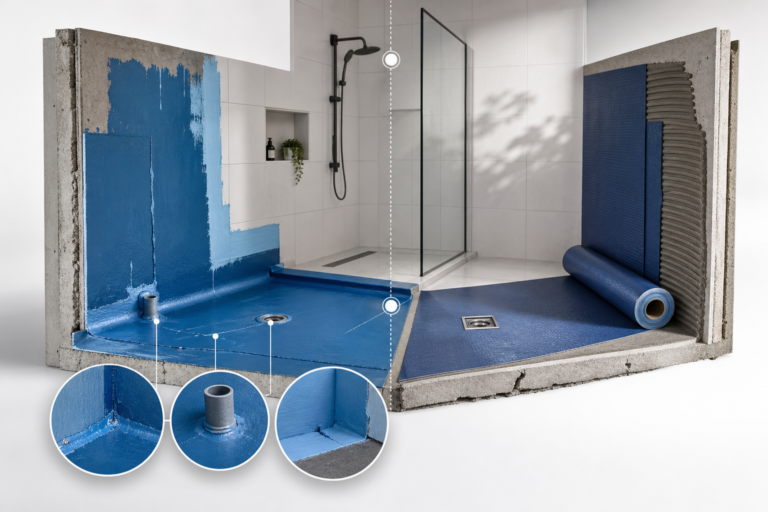
Waterproofing Membrane Types: Which Fails Most in NSW Bathrooms
Waterproofing failure is the single most common serious defect found in NSW apartments, and the type of membrane used, along
Read More »
Building Certifier NSW: Role, Limits, and When You Need More
A building certifier in NSW is a registered professional who issues construction certificates, conducts critical stage inspections, and grants occupation
Read More »