
NCAT Document Requirements for Building Disputes in NSW

Building disputes in NSW frequently end up at NCAT, the NSW Civil and Administrative Tribunal. Homeowners chasing a builder for defective work and builders responding to payment claims both need to put the right documents before the Tribunal. Understanding the NCAT document requirements helps you prepare without last-minute stress. This article explains what the Tribunal generally accepts, how to prepare written evidence, and how to file and serve your documents.
What Documents Does NCAT Accept in a Building Dispute?
NCAT does not enforce a single universal document checklist for every case. The specific documents you need depend on your case type and are set out on your case type page or application form. That said, the Tribunal’s official guidance identifies the kinds of documents commonly used as evidence. These include contracts, letters, emails, invoices, phone records, minutes of meetings, plans and drawings, and photographs or film, including CCTV footage. Depending on your circumstances, character references and medical reports may also be relevant.
For building disputes, the practical list often includes the building contract and any variations, payment records and invoices, correspondence between the parties, plans and specifications, and photographs of the work. Always check the case type page or application form for your particular application to confirm what NCAT expects from you.
Statements and Affidavits: Key Differences
When you give written evidence at NCAT, you will typically use either a statement or an affidavit. The two are not the same, and the distinction matters for how you prepare them.
| Feature | Statement | Affidavit |
| Signature | Signed by the person giving it | Sworn or affirmed in front of a Justice of the Peace (JP) or a solicitor |
| Swearing requirement | Not required | Required before a JP or solicitor |
| Purpose | General written evidence | Formal written record of the facts of the case |
A written statement only needs to be signed by the person making it. It does not have to be sworn or affirmed. An affidavit, on the other hand, must be sworn or affirmed in front of a Justice of the Peace or a solicitor. If you refer to other documents in either a statement or an affidavit, you should attach them and number them in order. Numbering makes it easy for the Tribunal Member and the other party to follow your evidence.
How to Organise Your Documents for the Hearing
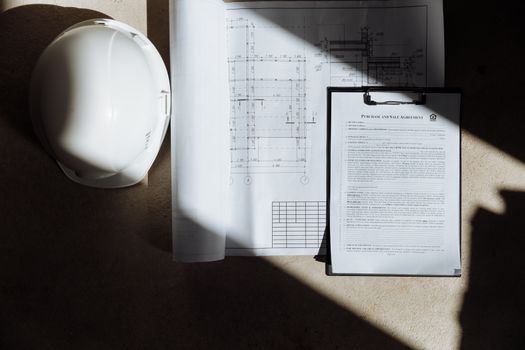
Organisation matters. NCAT advises that documents should be placed in a folder and labelled for easy access during the hearing. You should also bring copies for the other parties and the Tribunal Member. A labelled folder with clearly separated sections will make it simpler to refer to specific documents when you are giving evidence or answering questions. If your case involves a lot of material, grouping documents in a logical order, such as the order they are referred to in your statement or affidavit, can save time on the day. Make sure you bring enough copies for everyone in the room.
How to File Submissions with NCAT
Filing your written submissions and evidence with NCAT follows specific rules. Submissions must be provided in printed copies either by post or in person at an NCAT Registry. NCAT generally does not accept filing of submissions or evidence by email. There are limited exceptions: the Tribunal may direct you to file by email in a particular case, and the Guardianship Division accepts documents sent by email. For standard building dispute matters, plan to lodge printed copies by post or in person.
You may also need to file multiple copies of your submissions depending on how many Members will hear your case. NCAT will advise you if multiple copies are required, so check any correspondence from the Tribunal and follow the instructions you receive.
Serving Your Documents on the Other Party
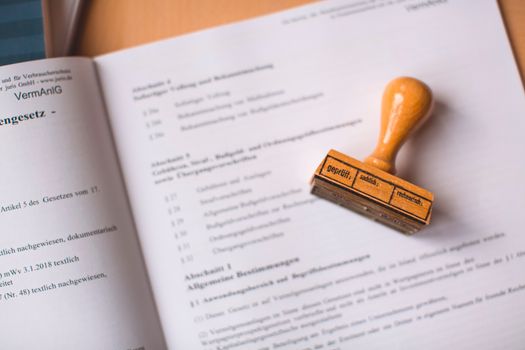
Filing documents with NCAT is only part of the job. The Tribunal will not send copies of submissions received from you to the other party or parties in your case. It is up to you to send your own submissions to the other party or parties. This means you need to allow enough time to serve your documents before the hearing. Keep a record of how and when you served the documents, because you may need to show the Tribunal that the other side has received them.
Where to Check Your Specific Requirements
Because NCAT document requirements vary by case type, the safest approach is to check the official sources. Your case type page or application form will tell you what documents are needed when applying to NCAT. The hearing preparation checklist also suggests you check your notice of listing from NCAT for the type of hearing you will be attending. Different hearings may require different evidence and preparation. NCAT also provides forms to start or manage a case, including forms for support services, summonses, records, complaints and other requests. If you are unsure what applies to your building dispute, refer to those official pages rather than relying on general advice.

Preparing Evidence for a Building Dispute
Building disputes often come down to the quality of the evidence. In addition to contracts and correspondence, the Tribunal may consider plans, photographs and other records that show the condition of the work. Expert evidence, such as a Scott Schedule or an expert witness report, can help the Tribunal understand complex defects and quantum issues. The same NCAT document requirements apply: attach any documents you refer to, number them in order, bring printed copies for the parties and the Tribunal Member, and file your submissions by post or in person. If you engage a building consultant to prepare expert evidence, make sure the material is ready in time and complies with the Tribunal’s directions.
Frequently Asked Questions
Here are answers to common questions about NCAT document requirements for building disputes.
Does a written statement need to be sworn or affirmed?
No. A written statement only needs to be signed by the person making it. It does not have to be sworn or affirmed in front of anyone. An affidavit, however, must be sworn or affirmed in front of a Justice of the Peace or a solicitor. If you are unsure which one your case requires, check your case type page or application form, or the directions made by the Tribunal.
Can I email my documents to NCAT?
Generally, no. NCAT does not accept filing of submissions or evidence by email unless it directs you to do so in your case. The Guardianship Division is an exception and accepts documents by email. For building disputes, you should provide printed copies of your submissions either by post or in person at an NCAT Registry.
Will NCAT send my submissions to the other party?
No. NCAT will not send copies of submissions received from you to the other party or parties. You are responsible for sending your own submissions to the other party or parties. Keep proof of service in case you need to show the Tribunal that the other side received the documents.
How many copies of my documents should I bring?
The number of copies can vary depending on how many Members will hear your case. NCAT will advise if multiple copies are required. As a general rule, bring a copy for the other party or parties and a copy for the Tribunal Member, and keep a copy for yourself.
Related Posts
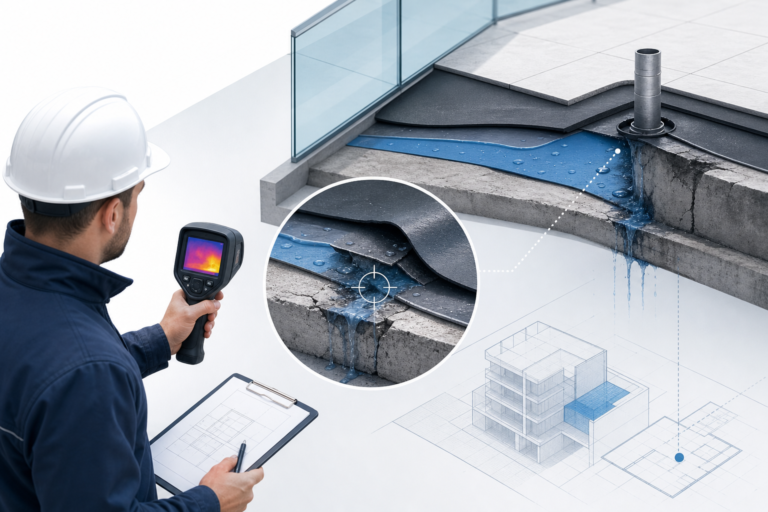
Waterproof Membrane Failure: How Inspectors Find the Cause
Waterproof membrane failure is diagnosed by tracing the water entry point, reviewing design documents, exposing the membrane for visual inspection,
Read More »
Cornice Cracking: How to Tell If the Damage Is Serious
Cornice cracking is one of the most common concerns Australian homeowners raise, and the hard part is not spotting the
Read More »
Digital Construction Consultant Australia: What They Do
A digital construction consultant in Australia manages the technology-driven side of building projects: BIM coordination, clash detection, asset data handover,
Read More »