
Pre-Purchase Building Inspection NSW: What It Does and Does Not Cover for Defect Claims
- What a Pre-Purchase Building Inspection Actually Is
- What a Pre-Purchase Inspection Covers
- What a Pre-Purchase Inspection Does Not Cover
- Why This Gap Causes Problems in NSW Defect Claims
- When You Need More Than a Pre-Purchase Inspection
- The Practical Takeaway for NSW Homeowners
- FAQs
- What to Do Next
You’ve found a property you want to buy. You book a pre-purchase building inspection, the inspector hands you a report, and you feel reassured. Then, six months after settlement, you discover serious waterproofing failures, structural cracking, or defective brickwork. You go back to the report. Buried in the fine print: “this inspection is visual only and does not constitute a defect liability assessment.”
That’s a gap most NSW buyers only discover after the fact.
This article explains what a pre-purchase building inspection actually covers, what it deliberately excludes, and why it’s rarely sufficient on its own when you’re facing a defect claim or construction dispute.
What a Pre-Purchase Building Inspection Actually Is
A pre-purchase building inspection is a visual assessment of a property’s condition at a point in time. In NSW, these inspections are typically carried out under Australian Standard AS 4349.1, which sets out the scope, methodology, and limitations inspectors must follow.
The inspector walks through the property, identifies visible defects, and documents their observations. The report is designed to help a buyer make an informed purchase decision. It is not designed to support legal proceedings.
That distinction matters more than most buyers realise.
What a Pre-Purchase Inspection Covers
A standard pre-purchase inspection in NSW will generally assess:
- Structural elements — foundations, floors, walls, roofs, and framing, where accessible and visible
- Interior condition — ceilings, walls, windows, doors, and staircases
- Exterior condition — cladding, eaves, gutters, fascias, and visible drainage
- Roof space — insulation, framing, and visible signs of water ingress, where safe to access
- Subfloor space — timber condition, moisture, and ventilation, where accessible
- Site drainage — visible surface drainage issues around the property
The report will categorise findings — typically as major defects, minor defects, or safety hazards — and gives you a snapshot of what the inspector could see on the day.
What a Pre-Purchase Inspection Does Not Cover
This is the section most buyers skip, and the one that matters most when a dispute arises.
AS 4349.1 explicitly limits the scope of a pre-purchase inspection in several important ways.
It is visual only. The inspector cannot open walls, lift tiles, or remove fixtures to see what’s behind or beneath them. Concealed defects — waterproofing membranes, structural connections inside wall cavities, subfloor framing under a tiled finish — are outside scope.
It does not assess compliance with the Building Code of Australia. The inspector isn’t required to identify whether work meets the BCA or relevant Australian Standards. A roof that looks intact may still have been installed in breach of the standard.
It does not quantify rectification costs. A pre-purchase report will tell you a defect exists. It won’t tell you what it costs to fix, who is responsible, or whether the work was carried out defectively by a licensed builder.
It is not prepared for legal proceedings. A pre-purchase report does not comply with the UCPR Schedule 7 Expert Witness Code of Conduct. It cannot be tendered as expert evidence at NCAT, the Local Court, the District Court, or the Supreme Court. If you try to rely on one in a defect claim, the Tribunal or court will not accept it as independent expert evidence.
It does not assess latent defects. Latent defects are defects that aren’t visible at the time of inspection but become apparent later. Waterproofing failures are a common example. A shower may look perfectly fine during an inspection and fail within 12 months because the membrane was installed incorrectly. A pre-purchase inspection provides no protection against that outcome.
Why This Gap Causes Problems in NSW Defect Claims
NSW homeowners pursuing defect claims at NCAT or in court are regularly surprised to find their pre-purchase report carries little weight in proceedings.
The reasons are procedural. NCAT and NSW courts require expert evidence to meet specific standards. Under the Uniform Civil Procedure Rules, an expert witness report must comply with Schedule 7 of the Expert Witness Code of Conduct. That code requires the expert to declare their duty to the court, confirm their independence, set out the basis for their opinion, and acknowledge the limits of their expertise. A standard pre-purchase report contains none of these elements.
There’s also a practical problem beyond the procedural requirements. A pre-purchase report is a point-in-time observation. A defect claim requires a forensic assessment: what was done, how it was done, whether it complied with the relevant standard, what it would cost to rectify, and who bears responsibility. Those are different questions that require a fundamentally different type of report.
When You Need More Than a Pre-Purchase Inspection
If you’ve identified defects after purchase, or you’re already in a dispute with a builder, a pre-purchase inspection report is not the document you need. Depending on your situation, you’ll likely need one or more of the following.
Expert Witness Report
An Expert Witness Report is prepared by a qualified building consultant acting as an independent expert. It’s structured to comply with UCPR Schedule 7 and is suitable for use in NCAT, Local Court, District Court, and Supreme Court proceedings. It documents defects, identifies the applicable standard, assesses compliance, and provides an independent opinion on causation and rectification.
Scott Schedule
A Scott Schedule is a structured document used in NCAT and court proceedings to itemise individual defects, the claimant’s position on each defect, the respondent’s position, and the cost of rectification. It’s the standard format for defect disputes in NSW. If your matter is heading to NCAT, you will almost certainly need one.
Forensic Waterproofing Inspection
Where defects involve water ingress — wet areas, balconies, roofs, or below-ground structures — a Forensic Waterproofing Inspection goes well beyond what any visual pre-purchase inspection can identify. It investigates the cause of the failure, documents the extent of damage, and produces findings suitable for legal proceedings.
The Practical Takeaway for NSW Homeowners
A pre-purchase building inspection is a useful tool for assessing a property before you buy. Once a defect dispute is underway, it’s not a substitute for legal-grade expert evidence.
If you’re past the purchase stage and dealing with defects, the report you need is one prepared by an independent building consultant who understands the procedural requirements of NSW courts and tribunals. The scope, methodology, and format are fundamentally different from anything a pre-purchase inspection produces.
Awesim Building Consultants has been preparing court-ready Expert Witness Reports and Scott Schedules for NSW proceedings since 1996. Reports are prepared to UCPR Schedule 7 standards, with no affiliation to any builder, insurer, or developer. The firm operates from three offices — Sydney, Tamworth, and Tweed Heads — and conducts on-site inspections across NSW. The full range of services is available at awesim.com.au.
If you’re unsure whether your pre-purchase report is sufficient for a claim you’re considering, call 1800 293 746 for a free initial consultation.
FAQs
Can I use a pre-purchase building inspection report as evidence in an NCAT defect claim?
Generally, no. A pre-purchase inspection report is not prepared to the UCPR Schedule 7 Expert Witness Code of Conduct standard that NCAT and NSW courts require. It doesn’t include an expert witness declaration, an independence statement, or a forensic assessment of causation and rectification costs. You’ll typically need a separate Expert Witness Report prepared specifically for the proceedings.
What is the difference between a pre-purchase inspection and an Expert Witness Report?
A pre-purchase inspection is a visual assessment of a property’s condition at a point in time, prepared to help a buyer make a purchase decision. An Expert Witness Report is a forensic document prepared to a legal standard — assessing defects against the Building Code of Australia and relevant Australian Standards, identifying causation, and quantifying rectification costs. Only the latter is suitable for use in NCAT or court proceedings.
My pre-purchase report didn’t mention the defects I have now. Does that mean the inspector missed them?
Not necessarily. Many defects are concealed within wall cavities, under tiles, or behind finishes that a visual inspection simply cannot access. Waterproofing failures in particular are often invisible until the membrane fails. A pre-purchase inspector is not required to identify latent defects, and AS 4349.1 explicitly limits the scope of the inspection to what is visible and accessible on the day.
What is a Scott Schedule and do I need one for my NCAT claim?
A Scott Schedule is a structured document that itemises each defect in a dispute, the claimant’s position, the respondent’s position, and the cost of rectification. NCAT commonly requires Scott Schedules in building defect matters. If your case involves multiple defects, a properly prepared Scott Schedule is essential for organising the evidence and presenting your claim clearly.
How long after purchase can I bring a defect claim in NSW?
The time limits depend on the type of defect and the legal basis for your claim. Under the Home Building Act 1989, statutory warranties for major defects run for six years from the date of completion, and two years for other defects. You should obtain legal advice specific to your situation. An independent building consultant can help document the defects and their severity to support your solicitor’s assessment of the claim.
What does a Forensic Waterproofing Inspection cover that a pre-purchase inspection does not?
A Forensic Waterproofing Inspection investigates the cause of a waterproofing failure, not just its visible symptoms. It assesses whether the membrane was installed in accordance with the relevant Australian Standard, documents the extent of damage, and produces findings suitable for legal proceedings. A pre-purchase inspection will note visible water staining or dampness but cannot assess the underlying cause or the compliance of the waterproofing system.
Do I need a building consultant or a solicitor first?
Both play different roles. A solicitor advises you on your legal rights and the strategy for your claim. A building consultant provides the technical evidence that supports it. In practice, many homeowners contact a building consultant first to understand whether they have a documentable defect case, then engage a solicitor once the scope of the defects is clear. Awesim offers a free initial consultation at 1800 293 746 to help you work out which type of report your situation requires.
What to Do Next
If you have defects and a pre-purchase report that doesn’t go far enough, the next step is straightforward. Get an independent assessment from a building consultant who prepares court-ready reports.
Awesim Building Consultants offers a free initial consultation. Call 1800 293 746 or visit awesim.com.au to discuss your situation and find out which report your matter requires.

Related Posts
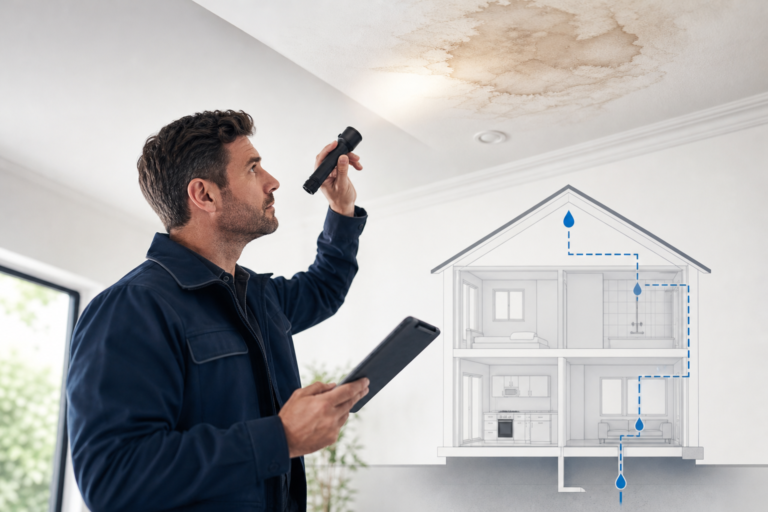
Water Damage in Homes: How to Track Down the Source
Water damage in a home rarely announces itself at the source. A stain on the ceiling, a musty smell in
Read More »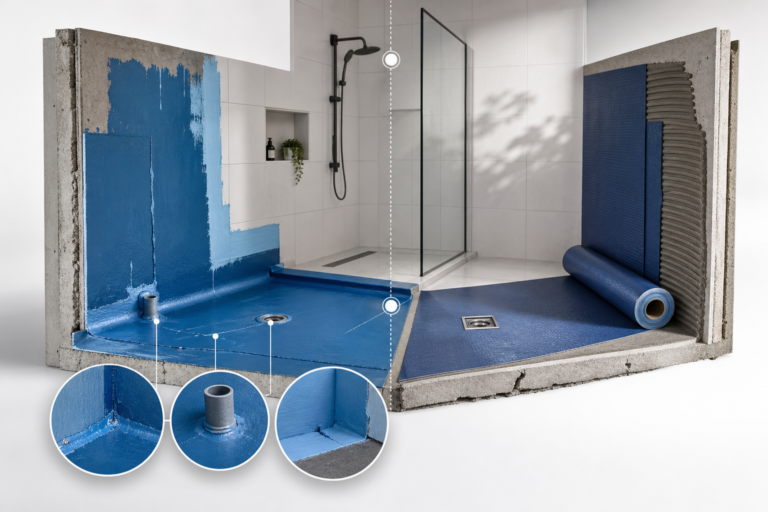
Waterproofing Membrane Types: Which Fails Most in NSW Bathrooms
Waterproofing failure is the single most common serious defect found in NSW apartments, and the type of membrane used, along
Read More »
Building Certifier NSW: Role, Limits, and When You Need More
A building certifier in NSW is a registered professional who issues construction certificates, conducts critical stage inspections, and grants occupation
Read More »