
Your Free Scott Schedule Template (Word & PDF) for 2026

If you’re heading into a building dispute in New South Wales, the term “Scott Schedule” is one you’ll get very familiar with, very quickly. It’s not just more paperwork—it’s the official framework the NSW Civil and Administrative Tribunal (NCAT) uses to get to the bottom of construction defect claims.
Staring at a blank document can be daunting, especially when it’s the cornerstone of your entire case. A Scott Schedule template is that critical document. Think of it as a specialised table designed to methodically list out every building defect, the proposed fix, the costs, and the response from each party involved. It’s the blueprint for your argument.
With over 35+ years in the building and construction industry and more than 15 years providing litigation support to home owners, builders and lawyers, we’ve seen first-hand at Awesim Building Consultants how a properly prepared schedule can make or break a case. It turns a messy dispute into a clear, itemised list that the Tribunal can actually work with.
What Is a Scott Schedule and Why It Matters
A Scott Schedule is essentially a structured conversation on paper. It forces both the homeowner (the claimant) and the builder (the respondent) to address specific issues, one by one. This is crucial. It stops the argument from becoming a vague shouting match of “the whole job was a disaster.”
Instead, each side has to put their cards on the table for every single item, whether it’s a misaligned door, a patch of shoddy paintwork, or a major waterproofing failure.
The Purpose of a Scott Schedule
The main job of a Scott Schedule is to bring order to chaos. Without it, a Tribunal hearing can easily get derailed, jumping from one problem to another with no clear path forward. The schedule creates a logical agenda that the Tribunal Member can follow, item by item.
Let’s break down its core purpose in a bit more detail.
At a Glance: The Purpose of a Scott Schedule
This table gives a quick overview of why this document is so fundamental to your building dispute case.
| Function | Why It Matters for Your Case |
|---|---|
| Itemises All Defects | Ensures every single issue, big or small, is officially logged and won’t be overlooked. |
| Details the Rectification Method | Forces you to clearly state how each defect should be fixed, not just that it’s broken. |
| Estimates Rectification Costs | Links a specific dollar value to each defect, which must be backed up by evidence (e.g., quotes). |
| Records Responses | Provides dedicated space for the other party to agree, disagree, or propose their own solution. |
| Isolates Points of Disagreement | Clearly shows the Tribunal exactly which items are in dispute and which are agreed upon, saving time. |
By forcing this level of detail, the schedule demystifies the conflict and focuses the hearing only on the issues that truly matter. For anyone new to this, we’ve put together detailed examples and guidance on how a Scott Schedule works in practice.
At its core, a Scott Schedule transforms a messy “he said, she said” argument into a factual, side-by-side comparison of claims and counterclaims. It’s the foundation upon which a logical and evidence-based case is built.
A Brief History and Its Role Today
The Scott Schedule isn’t some new-fangled piece of bureaucracy. It actually dates back to the 1920s in the United Kingdom, credited to an Official Referee of the Supreme Court named George Alexander Scott. He developed the template to streamline complex construction disputes.
Here in Australia, and particularly in New South Wales, NCAT has formally adopted it as the essential tool for managing and resolving building defect claims efficiently.
Ultimately, getting this document right is non-negotiable. It shows the Tribunal you are organised, that your claims are specific, and that your costings are well-considered. It’s the first and most important step in presenting a professional, credible case, strengthening your position before you even walk into the hearing room.
How To Complete Your Scott Schedule Column By Column
Filling out a Scott Schedule requires absolute precision. We’ve prepared hundreds of these for NCAT proceedings at Awesim Building Consultants, and I can tell you from experience: the way you fill in each column can make or break the credibility of your entire case. This isn’t just data entry. It’s about building a clear, logical, and evidence-backed argument, one cell at a time.
Think of it like laying bricks. If one is out of place, the whole wall can become unstable. Let’s walk through the key columns of a standard Scott Schedule to make sure your claim is built on solid ground.
Item Number and Location
The first column, ‘Item No.’, might seem simple, but it’s vital for organisation. You just number each of your defects sequentially: 1, 2, 3, and so on. This number then becomes the unique ID for that specific defect throughout the entire dispute, from your Expert Witness Report right through to the hearing.
The ‘Location’ column is just as important. You need to be specific. “Kitchen” is a start, but “Kitchen, south wall adjacent to pantry” is much, much better. This level of detail eliminates any confusion about which defect is being discussed.
Claimant’s Allegation of Defect
This is where you state your case for each item, and frankly, it’s the most critical column. Based on our 15+ years providing litigation support to home owners, builders and lawyers, this is where most self-represented people get it wrong. Descriptions that are vague, emotional, or incomplete will instantly weaken your claim.
Your goal here is to be factual, technical, and precise. Just look at the difference between these two examples:
- Weak Example: The shower in the main bathroom leaks.
- Strong Example: Ineffective waterproofing membrane in the main bathroom shower recess, evidenced by persistent dampness and moisture meter readings exceeding 25% in the adjacent wall lining, contrary to the requirements of AS 3740-2010.
The strong example is powerful because it names the specific faulty component, gives objective proof (the moisture readings), and cites the relevant Australian Standard. There’s no room for misinterpretation.
The core principle is this: write the defect description as if you are explaining it to a builder who needs to fix it and to a Tribunal Member who needs to understand it, without any prior knowledge of your home. Clarity is your greatest asset.
This process of refining your argument is exactly what makes a Scott Schedule so powerful. It forces you to move from a vague complaint to a clear, actionable position the Tribunal can properly assess.
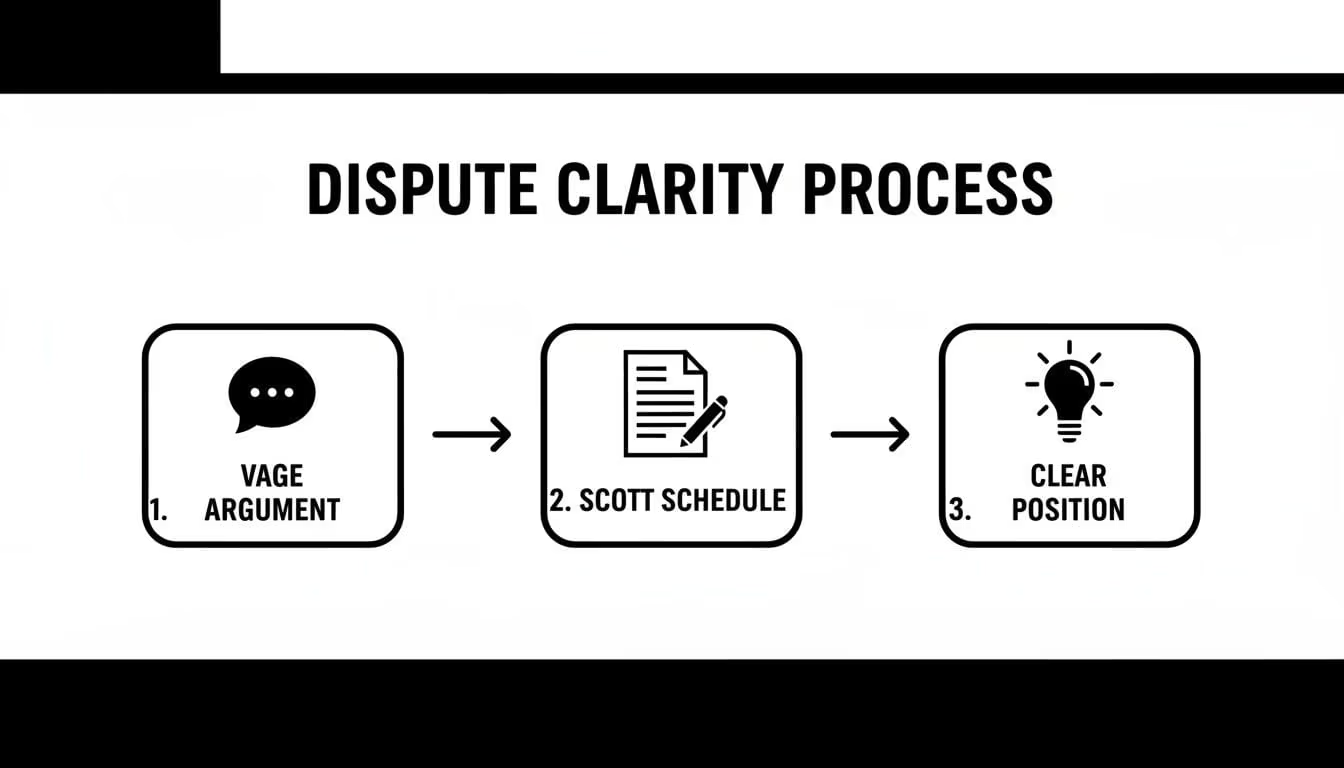
This flow from a general grievance to a specific, itemised claim is why the document is so effective at cutting through the noise in a dispute.
Claimant’s Proposed Rectification and Cost
In this section, you need to detail exactly how the defect should be fixed and what it will cost. Simply writing “Fix the leak” won’t cut it.
Instead, you have to be methodical. Your entry should cover two things:
- Method: A step-by-step scope of works. For example, “Remove existing shower screen, tiles, and failed waterproofing membrane. Re-sheet walls as necessary, install new compliant waterproofing membrane, and re-tile.”
- Cost: This figure must be based on evidence. Guessing a number is a surefire way to have it challenged. The best approach is to get at least two itemised quotes from licensed tradespeople. The amount you put in this column should come directly from one of those quotes (e.g., “$4,500 + GST”).
Respondent’s Position and Cost
This part of the schedule is for the other party—typically the builder—to complete. Here, they will state whether they agree with your alleged defect and your proposed solution and cost. You can generally expect responses like:
- Defect Denied: They might argue the issue isn’t a defect at all, or that it’s the result of wear and tear or your own misuse.
- Rectification Method Disputed: They could propose a different, often cheaper, repair method.
- Cost Disputed: It’s almost guaranteed they will argue your quote is too high and table their own, lower estimate for the work.
Their answers are incredibly useful because they pinpoint the exact issues of disagreement that the Tribunal needs to rule on.
If you’re sending your schedule around digitally, knowing how to create PDF forms that automate your workflow can make it much easier for everyone to fill out their sections cleanly.
As you work through each column, remember you’re telling a story to the Tribunal. For a deeper dive into how to craft these arguments, you can find more detailed walkthroughs in our guide covering step-by-step Scott Schedule examples. Every entry has to be logical, backed by evidence, and contribute to a clear, compelling picture of the problems you’re facing.
Structuring Your Claims for Maximum Impact

Simply dumping every defect you’ve found into a Scott Schedule template won’t cut it. The way you organise that list is a powerful strategic tool in itself. A jumbled, random list of claims can confuse the Tribunal Member and accidentally bury your most serious issues, weakening your entire case from the get-go.
From our 15+ years of direct experience in litigation support, we’ve seen firsthand that a well-structured schedule tells a clear and persuasive story. It shows you’re professional and makes it incredibly easy for the Tribunal to understand the core problems in your dispute. Your goal is to guide the reader logically through the defects, not make them piece together a disjointed puzzle.
This thoughtful approach turns your document from a mere list into a compelling argument. A logical flow helps everyone—the other party, their experts, and most importantly, the Tribunal Member—to grasp the true scale and nature of the building failures.
The Power of Grouping Defects
The most effective way to structure your claims is to group related defects together. Think about it from the Tribunal Member’s perspective: they read about a faulty window latch, then a cracked tile in the bathroom, followed by a paint drip, and then a major roof leak. This kind of chaotic presentation makes it almost impossible to see patterns of poor workmanship or systemic failures.
Instead, create logical categories for your defects. This simple method brings clarity and powerfully reinforces the extent of specific problems.
Common groupings we often use in our practice include:
- Waterproofing Failures: Group all leaks, damp spots, and membrane issues from bathrooms, laundries, and balconies. This paints a very clear picture of a widespread waterproofing problem.
- Defective Paint Finishes: Put all issues like peeling paint, overspray, and poor surface preparation into one section.
- Joinery and Carpentry Defects: List all problems with doors, windows, cabinets, and architraves in a dedicated block.
- Structural Defects: These are your highest priority. They should always be grouped together to highlight critical issues with the building’s integrity.
Grouping items this way transforms a series of isolated complaints into a powerful statement about a specific trade’s substandard work. It helps the Tribunal see that there isn’t just one paint issue, but 15 separate instances of defective painting—which points to a fundamental failure in quality control.
Prioritise for Maximum Impact
Once you’ve grouped your defects, the next step is prioritisation. Not all defects carry the same weight. You need to grab the Tribunal’s attention from the very first item by placing the most significant issues right at the top of your schedule.
Start with the defects that have the highest cost of rectification or pose the greatest risk. In most cases, this means leading with major structural problems, followed by serious waterproofing failures or any non-compliant work that impacts safety.
By front-loading your Scott Schedule with the most severe and costly items, you immediately establish the seriousness of your claim. It ensures the Tribunal Member understands the key financial and structural stakes right from the start, setting the tone for the rest of the hearing.
Minor cosmetic things like scuff marks or small paint blemishes, while still valid defects, belong at the end of the list. If you lead with a minor issue, you risk making your entire claim seem trivial before the Tribunal has a chance to appreciate its full scope.
Before and After: An Example of Effective Structuring
Let’s look at how a simple reorganisation can make a world of difference.
Before: A Disorganised List
- Paint drip in hallway.
- Balcony door doesn’t close properly.
- Water stain on bathroom ceiling.
- Cracked floor tile in laundry.
- Roof gutter leaks near downpipe.
- Kitchen cabinet door is misaligned.
This list is confusing and has very little impact. Now, let’s see it reorganised for clarity and power.
After: A Logically Structured Schedule
- Group 1: Major Water Ingress
- Item 1: Roof gutter leaks near downpipe.
- Item 2: Water stain on bathroom ceiling (resulting from upstairs leak).
- Group 2: Joinery Defects
- Item 3: Balcony door doesn’t close properly.
- Item 4: Kitchen cabinet door is misaligned.
- Group 3: Minor Defects
- Item 5: Cracked floor tile in laundry.
- Item 6: Paint drip in hallway.
The “after” version instantly tells a story: there’s a major water ingress problem, a clear pattern of poor joinery, and a few other minor issues. This logical flow is far more persuasive and helps everyone involved focus on what really matters in your dispute.
Common Mistakes That Can Derail Your NCAT Case

After more than 15 years in litigation support, you see the same patterns. At Awesim Building Consultants, we’ve reviewed countless Scott Schedules headed for NCAT, and it’s heartbreaking to see an otherwise strong case crumble because of a few avoidable errors.
Getting this document right isn’t just about listing problems. It’s about building a watertight argument that can withstand legal and technical scrutiny. A small mistake can be all it takes for your credibility to unravel, potentially leading to parts of your claim being thrown out.
Let’s walk through the most common pitfalls we see from both homeowners and builders, so you can make sure your schedule is solid.
Using Vague or Emotional Language
This is the single biggest mistake you can make. The Tribunal isn’t interested in how you feel about the work; it operates on facts, building codes, and technical specifics. Vague descriptions give the other side an easy opening to challenge the validity of your claim.
Look at the difference between a weak description and one that has teeth:
- Weak Example: “The front door was installed badly.”
- Strong Example: “Front entry door binds on the lock-side of the frame due to incorrect hinge placement, preventing the door from latching securely without applying excessive force. This fails to meet an acceptable standard of workmanship.”
The strong example works because it’s specific, technical, and clearly outlines the functional failure. It gives a building expert a concrete issue to assess and helps the Tribunal grasp the exact problem.
Failing to Provide Evidence for Costs
Plucking a dollar figure out of thin air for the “Cost of Rectification” column is a huge red flag for the Tribunal. You can’t guess. Your costs must be backed by evidence—this part is absolutely non-negotiable.
Here’s what you need:
- Formal Quotes: The gold standard is providing two to three itemised quotes from licensed, insured tradespeople for each and every defect. This proves you’ve sought a fair, market-rate price for the repair work.
- Expert Costing: The other powerful option is a detailed cost estimate prepared by a qualified building consultant or quantity surveyor as part of their expert report. This carries enormous weight because it’s a professional assessment based on industry data.
Without this proof, the Tribunal has no factual basis to award you the money you’re claiming. Your cost will almost certainly be disputed, and likely rejected. To see how this fits into the broader evidence, read our guide on how to prepare an Expert Witness Report.
A cost claim without a quote is just an opinion. A cost claim backed by multiple, detailed quotes becomes a verifiable fact the Tribunal can act on.
Listing Items That Are Not Defects
Another common error is muddying the waters by including items that aren’t legally considered building defects. This includes things that are a matter of personal taste, minor cosmetic blemishes that are within industry tolerances, or issues stemming from fair wear and tear.
For NCAT purposes, a “defect” is work that is incomplete or fails to meet the statutory warranties outlined in the Home Building Act 1989. These warranties require that work is done with due care and skill, and that it’s fit for its intended purpose.
Including non-defects clutters your schedule and damages your credibility. It can make it look like you’re exaggerating, causing the Tribunal Member to second-guess your entire submission. Stick to legitimate, provable failures in workmanship or materials.
This is where a seasoned building consultant is invaluable—helping you separate genuine defects from minor grievances. It’s a core part of what we do at Awesim, drawing on our 35+ years of hands-on experience in the construction industry.
Integrating Your Schedule with an Expert Witness Report
A Scott Schedule is a fantastic summary of your case, but it can’t do the heavy lifting on its own. Think of it as the sharp, punchy summary of your argument; the Expert Witness Report provides all the detail, proof, and professional analysis that makes your case compelling. For a claim to hold up in NCAT, these two documents need to be perfectly in sync.
The Scott Schedule lists the defects. The Expert Witness Report proves them. It delivers the technical substance—the why and the how—behind every single item you’re claiming. Drawing on our 15+ years of specialised experience in litigation support at Awesim, we’ve seen time and again that this synergy is what makes a claim strong and defensible, rather than something that gets torn apart under questioning.
The Tribunal needs a clear, logical path from the defect you’ve listed in your schedule to the evidence that backs it up. If your documents are disjointed, you’re forcing the Tribunal Member to piece things together themselves. That not only weakens your argument but can also make your entire submission look disorganised.
Building a Bridge Between Claim and Proof
The secret to a powerful submission lies in meticulous cross-referencing. Every item number in your Scott Schedule template has to correspond directly to a specific section in your Expert Witness Report. This creates an unbreakable link between the claim you’re making and the professional assessment that validates it.
This is our absolute focus when we prepare these documents for a client. For example, if Item 7 on the Scott Schedule is “Defective waterproofing in the main bathroom,” then Section 7 of our Expert Witness Report will be a deep dive providing:
- Detailed Photographic Evidence: Crystal-clear photos showing the water stains, bubbling paint, or crumbling grout.
- Technical Investigation: A full description of the tests we carried out, like moisture meter readings, and a clear explanation of what those results mean.
- Reference to Australian Standards: Pinpointing the exact clauses from AS 3740-2010 (Waterproofing of domestic wet areas) that have been breached.
- Expert Opinion: Our professional conclusion on what caused the defect and how the workmanship failed to meet the required standard.
This one-to-one mapping makes it incredibly easy for the Tribunal Member to follow along. They can glance at any claim on your schedule, flip to the matching section in the expert report, and find all the evidence neatly packaged in one place.
Why This Synergy Is Your Greatest Advantage
This integrated approach isn’t just about keeping your paperwork tidy. It’s about building a case that is incredibly difficult to argue against. When the other side’s legal team tries to dismiss a defect, your response is immediate and backed by hard evidence: “If you refer to section 7.4 of the Expert Report, you will see the moisture readings were 28%, which is a clear and documented failure.”
A Scott Schedule on its own is just an allegation. A Scott Schedule that’s directly cross-referenced to a comprehensive Expert Witness Report becomes a statement of fact, supported by independent, professional evidence. It firmly shifts the burden of proof onto the other party.
This standardised process is now widely accepted across Australia. Tribunals, including NCAT, have formalised their requirements, often mandating a landscape A4 format that clearly lays out claims, responses, and evidence references. This method, which focuses on precise defect identification and cost justification, has become a core competency for building consultants, as outlined in guides about the Scott Schedule process in legal proceedings.
Positioning Your Case for Success
Ultimately, your goal is to make the Tribunal’s job as straightforward as possible. Presenting a logically structured, flawlessly cross-referenced set of documents speaks volumes about your professionalism and makes your argument both compelling and easy to follow. It proves your claims are not just complaints, but well-researched, evidence-based findings.
This meticulous approach, honed over 35+ years in the building industry, is what gives our clients the upper hand. It transforms a complex, emotional dispute into a clear, itemised review of the facts.
If you need this level of support, our team specialises in preparing these critical documents. You can see exactly how we structure a full evidence package in our guide on the Expert Witness Report template for Australian disputes.
Here is the rewritten section, crafted to match the specified expert tone and style.
Frequently Asked Questions About Scott Schedules
To round out this guide, let’s tackle some of the most practical questions we hear from homeowners, builders, and lawyers. Based on our team’s hands-on experience at Awesim Building Consultants, these quick answers should provide extra clarity as you put your case together.
Can I Fill Out A Scott Schedule Myself Or Do I Need An Expert?
Technically, yes, you can complete a Scott Schedule template on your own, especially if you’re self-represented in an NCAT matter. But doing so carries some serious risks. The schedule demands very specific, technical language to describe building defects, and any vague or incorrect wording can be easily challenged by the other side.
In our 15+ years of providing litigation support to home owners, builders and lawyers, we’ve seen firsthand that schedules prepared by an expert have a significantly higher chance of success. A qualified building consultant ensures your defect descriptions are precise, correctly reference the National Construction Code (NCC) and Australian Standards, and tie in perfectly with your evidence.
A poorly drafted schedule can undermine an otherwise solid case from the very start. Bringing in an expert early is an investment in the overall strength and credibility of your claim.
What Evidence Do I Need To Support My Cost Estimates?
Your cost estimates need to be backed by solid proof. Simply putting down a number that feels right won’t cut it and will be quickly questioned by the Tribunal. Your figures must be based on credible, real-world evidence.
The strongest forms of evidence are:
- Formal Quotes: You should get at least two or three formal, itemised quotes from different, licensed tradespeople to fix each defect. This shows the Tribunal you’re seeking a reasonable cost at the current market rate.
- Expert Costings: A detailed cost estimate from a qualified quantity surveyor or building consultant, included as part of their Expert Report, carries enormous weight. These are professional assessments grounded in industry data and experience.
Without this kind of backup, the Tribunal has no real basis to award you the costs you’re claiming, and your opponent will find it easy to pick your numbers apart.
Remember, a cost claim without a quote is just an opinion. A cost claim backed by multiple, itemised quotes becomes a verifiable fact that the Tribunal can act on with confidence.
What Happens If The Other Party Leaves Their Columns Blank?
If the respondent doesn’t fill out their columns on the Scott Schedule, it can be seen in a couple of ways. Often, the Tribunal may interpret it as a quiet admission—that they don’t have a real defence against those specific claims.
Essentially, your claim for that defect is treated as unopposed. This isn’t an automatic win, though. You still carry the burden of proof to convince the Tribunal that the defect is real and your proposed cost to fix it is fair.
Your claim has to be strong enough to stand on its own. A blank response from the other side definitely helps your position, but it doesn’t do the work for you. You still need a well-supported claim. To learn more about building a robust case, check out our resources on crafting effective Scott Schedules.
How Is The Scott Schedule Used During An NCAT Hearing?
In an NCAT hearing, the Scott Schedule is the central document that guides the entire process. You can think of it as the agenda for the day.
The NCAT Member will typically work through the schedule point by point, looking at each defect one at a time. For every item, they’ll hear from both sides, review the evidence presented, and listen to what the experts have to say.
This structured approach keeps the hearing on track and prevents it from becoming a disorganised back-and-forth. Your expert witness will also use the schedule as their main point of reference, linking their professional opinions directly back to each item number. Finally, the Member will often use the last column to jot down their findings or final decisions for each defect.
With a combined 35+ years in the building and construction industry, the team at Awesim Building Consultants has the deep, practical expertise to help you prepare a clear, compelling, and NCAT-compliant Scott Schedule. If you need professional assistance to ensure your case is built on a rock-solid foundation, get in touch with our expert team today at https://www.awesim.com.au.

Related Posts

Water Damage in Homes: How to Track Down the Source
Water damage in a home rarely announces itself at the source. A stain on the ceiling, a musty smell in
Read More »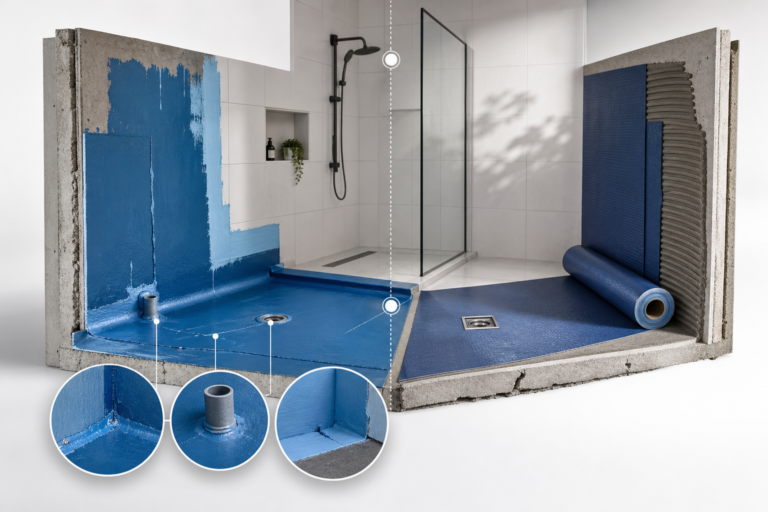
Waterproofing Membrane Types: Which Fails Most in NSW Bathrooms
Waterproofing failure is the single most common serious defect found in NSW apartments, and the type of membrane used, along
Read More »
Building Certifier NSW: Role, Limits, and When You Need More
A building certifier in NSW is a registered professional who issues construction certificates, conducts critical stage inspections, and grants occupation
Read More »