
Complete Guide To Hiring A Waterproofing Expert
A waterproofing expert is the specialist you call when leaks won’t quit, walls show damp patches or you need a watertight solution that holds up in court or with insurers. Bringing them in early can spare you thousands in patch-ups and sleepless nights worrying about hidden damage.
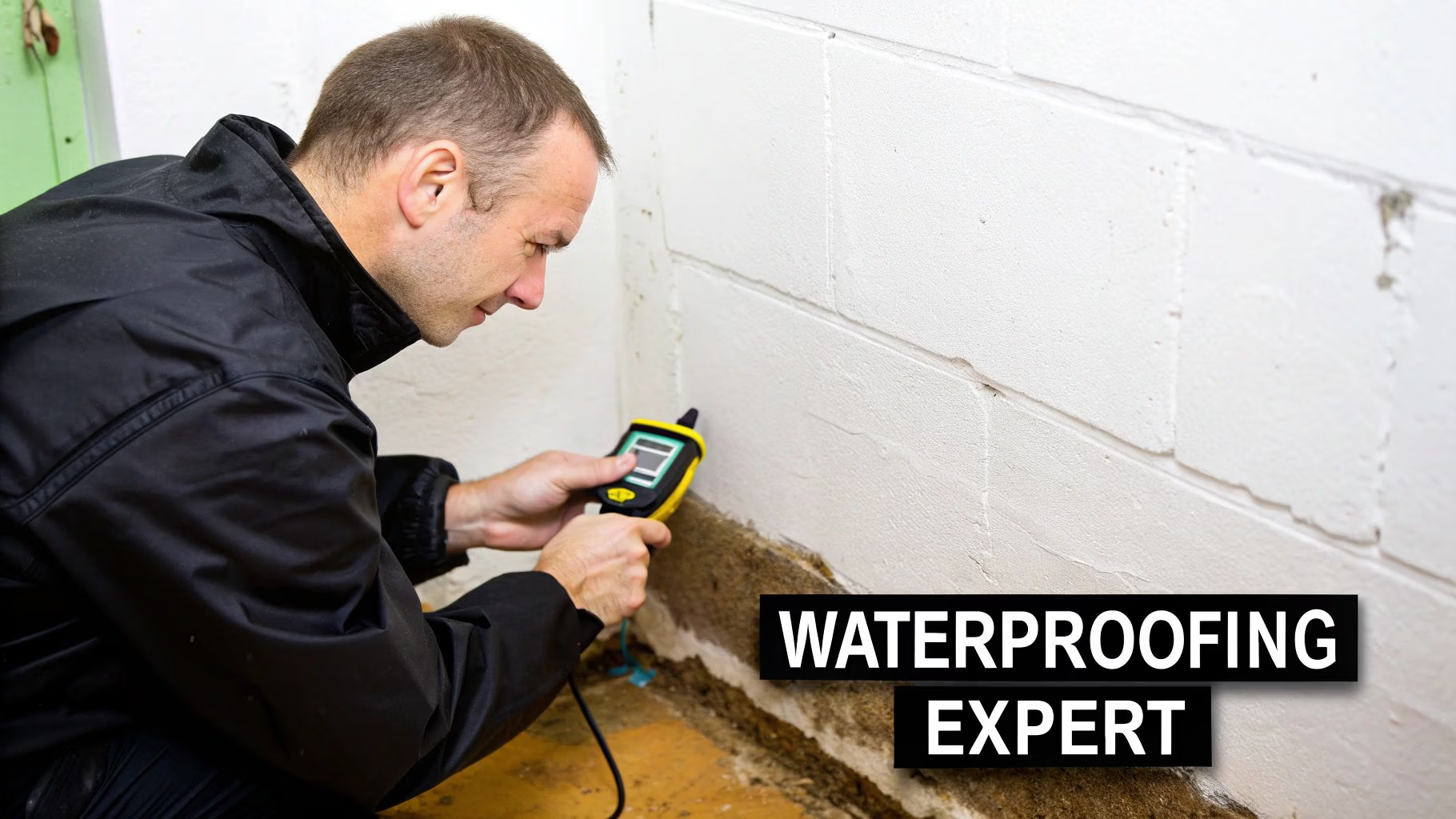
What A Waterproofing Expert Does
Waterproofing professionals blend hands-on experience with technical know-how to stop moisture in its tracks and preserve your building’s integrity.
They’ll pinpoint sneaky leaks, specify the right membranes and appliances, then document every step—ready for project handover or a legal claim.
- Detailed site assessments to trace leaks and moisture paths
- Membrane selection and rigorous testing for a reliable barrier
- Moisture meter readings and infrared scans for spot-on diagnostics
- Expert Witness Reports and Scott Schedules for insurance or NCAT cases
- Remediation plans compliant with Australian Standards
Involving an expert early minimises hidden damage and cuts long-term repair costs.
Why Early Assessment Matters
It’s like fixing a tiny crack in your basement floor before rot or mould takes over. Catching issues early saves you from turning a small repair into a major renovation.
Learn more about how building specialists support complex projects in our guide on building consultants.
Beyond General Contractors
General contractors handle broad renovation work but often lack the deep dive needed for moisture control. A waterproofing expert, on the other hand:
- Has years of training with chemical membranes and sealants
- Masters diagnostic tools such as thermographic imaging
- Understands every twist of Australian Standards and NCAT requirements
- Can present testimony that holds weight in tribunals and insurance hearings
Typical Services And Benefits
Experts guide you through every phase, from first inspection to final sign-off, delivering clarity and peace of mind:
- Site Surveys With Moisture Mapping
- Material Compatibility Assessments
- Controlled Adhesion And Ponding Tests
- Certified Expert Witness Reports Tailored For NCAT
- Scott Schedules Aligning Defects With Resolutions
To see at a glance how these tasks work together, here’s a quick rundown:
Key Responsibilities Of Waterproofing Experts
| Responsibility | Description |
|---|---|
| Site Assessment | Identifies leak sources and moisture pathways. |
| Membrane Selection | Chooses and tests barriers suited to each environment. |
| Diagnostic Testing | Uses meters and scans to map moisture levels. |
| Expert Reporting | Prepares evidence-grade reports for legal and insurance use. |
| Remediation Advice | Recommends fix methods that prevent recurrence. |
This snapshot highlights the core duties that keep water out and protect your property against long-term damage.
Australian Waterproofing Market Overview
As Australia’s skyline pushes ever higher, moisture remains a constant threat. Every new build needs a reliable barrier against leaks and damp—no exceptions.
Government funding for water infrastructure and tougher building codes are turning waterproofing from a nice-to-have into a must-have. Unpredictable rainfall only adds urgency to the mix.
According to the latest figures, the waterproofing membrane market hit AUD 1,144.79 million in 2025. With a projected 4.5% CAGR through 2026–2035, it’s on track to reach AUD 1,777.82 million by 2035. You can explore the full report from Expert Market Research.
Key regional shares in 2025 include:
- Queensland with a 20.7% slice of the market
- ACT leading growth at a 6.1% CAGR
- New South Wales and Victoria together accounting for roughly two-thirds of demand
Regional Leadership
New South Wales claims the lion’s share, thanks to major projects across Sydney. In Victoria, Melbourne’s expansion keeps demand steady. Meanwhile, coastal developments in Queensland drive a need for membranes that can handle salt air and cyclonic conditions.
Tighter codes in flood-prone areas mean builders are specifying higher-grade systems right from the design phase.
“Specialists anticipate code shifts and mitigate moisture risks before construction proceeds,” says an industry analyst.
Product Innovation
Waterproofing has come a long way from loose-laid sheets and messy sealants. Today’s membranes blend performance with environmental responsibility.
- Liquid-applied coatings speed up installation and eliminate seams
- Bio-based polymers reduce VOCs and environmental impact
- UV-resistant formulations extend service life under harsh sun
Staying on top of these new products means experts can tailor solutions for each site’s soil type, exposure and long-term durability needs.
Forecast And Drivers
Spending on water assets and stricter building codes are the twin engines behind market growth. Property owners and builders increasingly turn to experts to navigate compliance and avoid costly rework.
Here’s how the numbers stack up over the next decade:
Australian Waterproofing Market Forecast
| Year | Market Value (AUD million) | CAGR (%) |
|---|---|---|
| 2025 | 1,144.79 | 4.5 |
| 2030 | 1,455.00 | 4.5 |
| 2035 | 1,777.82 | 4.5 |
That consistent 4.5% growth underscores the sector’s resilience, even as materials costs and compliance demands rise. Early expert involvement can smooth approvals and keep insurance premiums in check.
From basement walls in new homes to expansive commercial rooftops, robust membranes protect assets—and peace of mind—across every sector.
Why Expertise Matters
Choosing the right waterproofing system isn’t just picking a brand off the shelf. A seasoned expert understands how membrane chemistry, site conditions and installation techniques all tie together.
As options multiply, a trusted advisor cuts through the noise, guiding you to the solution that fits your project’s soil, climate and budget. With regulations tightening, their early input reduces surprises, timelines and hidden costs—ensuring your structure stays dry for decades.
Signs And Timing For Expert Engagement
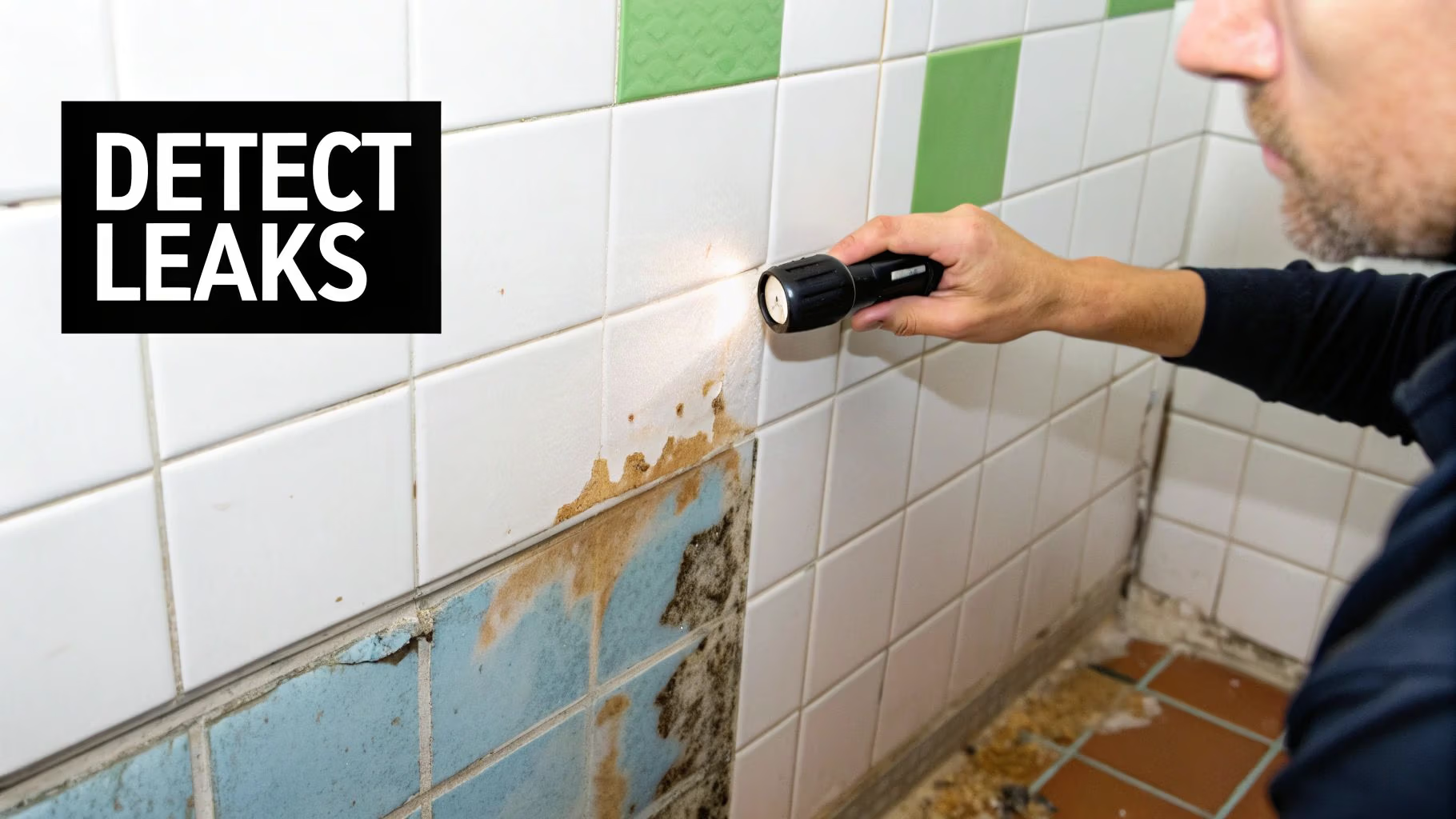
Rain dripping through tiled walls or damp ceiling beams are urgent red flags. When you see efflorescence—the chalky white salt deposits—you know moisture is sneaking in through unseen cracks. What starts as a simple drip can quickly become a costly headache.
Early Warning Indicators
Spotting these clues early can save you thousands.
- Walls that feel cold or persistently damp without an obvious leak
- Blistering or peeling paint on interior or exterior surfaces
- Musty odours hinting at trapped humidity and potential mould growth
- White, powdery stains around grout lines signalling mineral carry-through
Each of these signs is nature’s way of alerting you that water is on the move. Yet, slapping on a quick patch won’t solve the underlying issue. Take the homeowner who ignored a small damp patch—by the time timber rot set in, a full ceiling replacement was inevitable.
Critical Moments To Call In An Expert
Timing really is everything. You’ll want specialist support at these key junctures:
- Post-construction defects—while warranties still cover you
- Insurance claims—where documented evidence is essential
- Disputes under NCAT or similar tribunals—when professional testimony matters
“Bringing in a specialist at the first sign of damp can prevent mould taking hold and avoid costly disputes,” says Glen Sim of Awesim.
Real-world examples prove the point. In a Sydney townhouse, a minor leak ballooned into a $15,000 insurance claim after an expert report uncovered installation faults. That same report halved the NCAT hearing time and settled the matter swiftly.
Early engagement brings clear advantages:
- Documented moisture mapping to trace hidden leaks
- Infrared scans and moisture metres for pinpoint accuracy
- Expert Witness Reports and Scott Schedules ready for tribunal or court
By acting fast, you cut repair costs and protect your building’s integrity. No more chasing recurring leaks—just confidence that the issue is truly resolved.
Awesim’s experience across NSW shows early intervention can slash claims by 50% and minimise project delays. Recognising the warning signs and knowing when to call in an expert ensures hidden dangers are uncovered and managed promptly.
Never assume a dripping tap is trivial. Left unchecked, small leaks can widen cracks and even undermine foundations. When you notice blistering paint or strange odours, book a full assessment within days—not months.
Verifying Qualifications And Credentials
Finding a trustworthy waterproofing expert takes more than a quick Google search. You need to dig a little deeper to separate the genuine professionals from the rest.
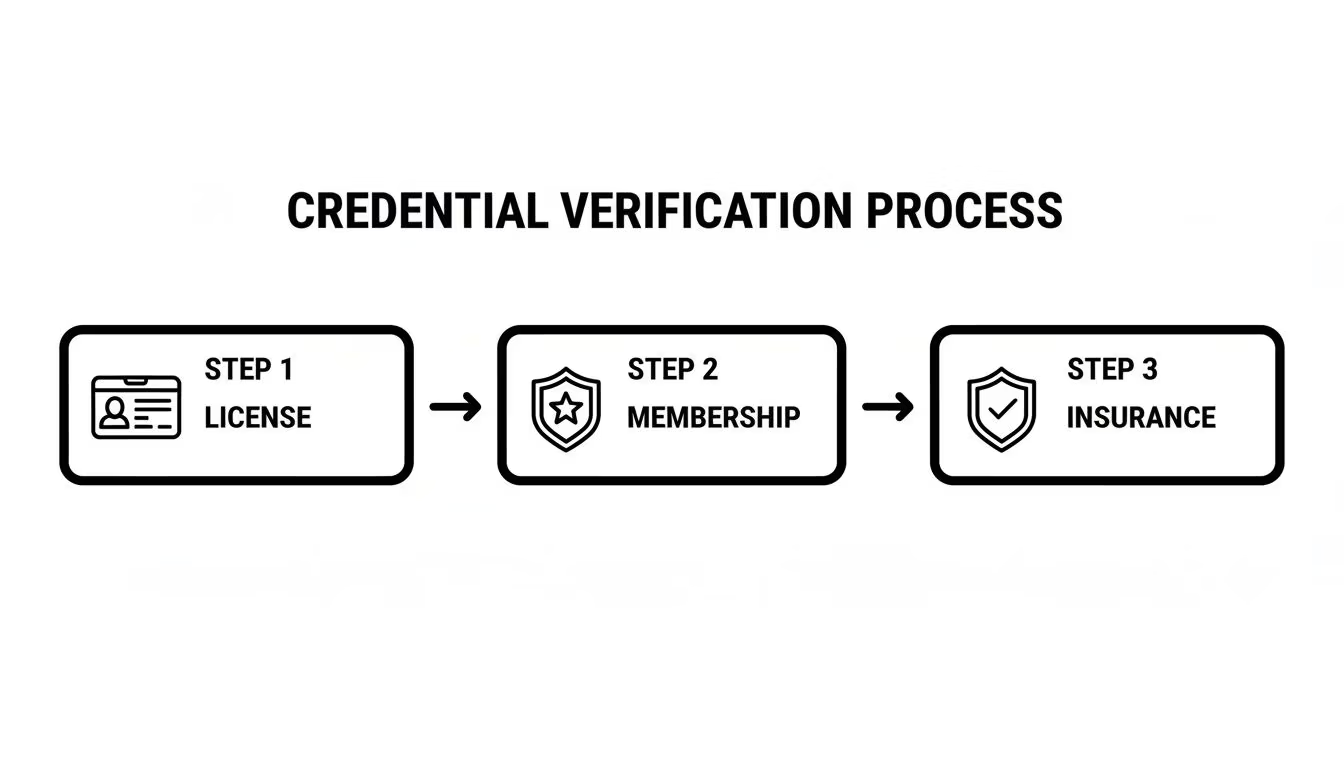
Start by demanding these non-negotiable credentials:
- Master Builders Association membership for peer recognition and ongoing education
- Chemical manufacturer endorsements to back up technical know-how
- A current contractor licence—no licence, no work
- Up-to-date professional indemnity and public liability insurance to protect your interests
On top of that, make sure your candidate knows how to produce NCAT-compliant reports and has real-world experience serving as an Expert Witness.
Evaluate Past Project Portfolios
A robust portfolio is your window into an expert’s real capabilities. When reviewing:
- Look for clear project scopes and timelines
- Compare before and after photos of membranes, sealants and flashing
- Read the technical notes on materials and application methods
These details reveal not only skill but a commitment to precision and deadlines.
Confirm Client Testimonials And Online Reviews
Genuine feedback is worth its weight in gold. Try this:
- Speak directly with previous clients about outcomes, budgets and timelines
- Scour third-party review sites for detailed, consistent comments
- Be cautious of vague praise or copy-and-paste testimonials
By cross-checking multiple sources, you’ll spot reliable patterns—and weed out the generic fluff.
For broader industry insights, see this IBISWorld analysis of Australian waterproofing contractors.
Spot Red Flags
Your alarm bells should ring if you encounter:
- Expired licences or missing certificate numbers
- Photocopies of credentials without official stamps
- Warranty terms that suddenly change when you ask questions
If something feels off, don’t hand over any deposit until it’s resolved.
Leverage Third Party Checks
Use official registers and free online tools to verify licence status and insurance expiry dates. A few minutes of fact-checking now can save you weeks of headaches later.
Create Your Verification Checklist
Keep this list handy at every consultation to stay focused and make side-by-side comparisons effortless:
- Confirm Master Builders and manufacturer memberships
- Review portfolios complete with photos and technical notes
- Verify licences and registrations with local authorities
- Ensure professional insurance is current
- Compare genuine testimonials and flag any generic reviews
“Engaging a certified waterproofing expert with verified credentials can prevent costly rework and safeguard your property’s integrity.”
| Credential | Why It Matters |
|---|---|
| Association Membership | Peer recognition and ongoing education |
| Manufacturer Endorsement | Technical support and product reliability |
| Licensure | Legal compliance and industry authority |
| Insurance | Protection against liability and project hiccups |
Following these steps gives you confidence that your expert meets Australian Standards—and delivers a watertight solution you can trust.
Explaining Inspection And Reporting Procedures
Every thorough waterproofing inspection is rooted in careful preparation. Before any instruments leave the vehicle, an expert reviews blueprints, past maintenance logs and membrane specifications. That groundwork transforms raw data into a clear diagnosis.
Preparing For The Site Visit
It all starts well before we arrive on-site. Our waterproofing specialists dive into the property’s history, looking for clues in construction documents and previous issue reports.
- Review architectural drawings and waterproofing specifications in advance.
- Confirm safe access to basements, roofs and wall cavities.
- Schedule meetings with on-site personnel to discuss known moisture concerns.
Safety is non-negotiable. We verify PPE, fall-protection systems and emergency procedures before setting foot on the site.
Digging through maintenance logs often uncovers recurring leaks or membrane breakdowns. Spotting those patterns early keeps our inspection focused on the right areas.
Advanced Diagnostic Techniques
Once on-site, we use both classic tools and modern imaging to map moisture with precision.
- Moisture metres scan walls and slabs, pinpointing elevated dampness.
- Infrared cameras reveal hidden temperature differentials behind surfaces.
- Environmental data loggers record humidity and temperature trends over days.
We also inspect drainage channels and plumbing lines to rule out external leaks. If chemical damage is suspected, water sampling can identify corrosive contaminants that undermine membranes.
“Accurate diagnostics using moisture metres and thermal cameras achieve over 85% detection rates,” says Glen Sim.
This combination of methods not only locates the worst spots but also directs targeted membrane testing.
Membrane Adhesion Trials And Photo Documentation
Proving a membrane’s bond strength is crucial—especially when reports might end up in legal or insurance settings.
- Perform adhesion peel tests on representative membrane sections.
- Capture high-resolution photographs before and after making trial cuts.
- Label each image with date, location and membrane type.
In many inspections, we compare multiple brands side by side. This head-to-head testing yields hard data on which system stands up best to local conditions.
High-definition images expose defects such as blistering, delamination or incomplete coverage in fine detail. These photos become the backbone of any remediation plan.
Structuring Expert Witness Reports And Scott Schedules
After completing field tests, we compile every finding into documents designed to withstand scrutiny.
- Expert Witness Reports summarise observations, test results and expert opinions.
- Scott Schedules align each identified defect with a remedial action and cost estimate.
- Chronological logs record every site visit, test method and milestone.
- Data tables compare expected membrane performance against actual results.
“A clear Expert Witness Report can reduce hearing times by up to 50%, thanks to organised evidence,” notes Glen Sim.
For a deeper dive into our methodology, check out our guide on independent building inspection.
Sample Report Excerpt
Membrane adhesion trial 1: bond strength measured at 1.2 MPa, exceeding the 0.8 MPa threshold. Moisture reading at reference point A registered 6.2% MC, within acceptable limits.
Including concrete excerpts like this boosts transparency and strengthens legal credibility.
Visual Data Interpretation
Raw numbers can overwhelm. We turn logs into visual stories so stakeholders grasp the situation at a glance.
- Colour-coded humidity maps show hotspots immediately.
- Annotated charts link test conditions to observed results.
When the data is clear, planning remediation becomes straightforward.
Effective inspection and transparent reporting form the bedrock of any successful waterproofing project. With accurate field data and meticulously structured documents, you’re ready to move forward with confidence.
Next, we’ll unpack cost estimates and project timelines so you can budget and schedule with certainty.
Estimating Costs, Timelines And Selecting Experts
When you bring a waterproofing specialist on board, clear budgets and realistic timelines are your best friends. You’ll know what to expect—and when to expect it.
- Basic site inspection with moisture mapping $800–$1,500; 1–2 days
- Expert Witness Report with Scott Schedule $2,500–$5,000; 1–2 weeks
- Remediation design and costing blueprint $5,000–$15,000; 2–4 weeks
- Post-remediation verification testing $1,000–$2,000; 1 week
These ranges shift with project complexity, weather delays and site access. For instance, a sprawling commercial basement might need extra drying cycles, stretching lead times.
“Transparent cost structures prevent surprises and build trust,” says Glen Sim.
Cost Ranges For Common Services
Market forecasts for waterproofing membranes vary dramatically. One study predicts the sector will hit US$2,294.9 million by 2031 (11.9% CAGR), while another more conservative analysis pegs it at USD 1,016.13 million by 2030 (5.97% CAGR). Dive deeper into those figures in the Australia Waterproofing Membranes Market Forecast from Precision Business Insights.
Here’s a side-by-side look at what you’re likely to invest and how long each service usually takes:
Comparison Of Engagement Options
| Option | Average Cost | Typical Timeline |
|---|---|---|
| Basic Site Inspection | $800–$1,500 | 1–2 days |
| Expert Witness Report | $2,500–$5,000 | 1–2 weeks |
| Remediation Blueprint | $5,000–$15,000 | 2–4 weeks |
| Post-Remediation Testing | $1,000–$2,000 | 1 week |
These ballpark figures help you decide if a lean, rapid review suits your risk appetite—or whether a full-scope engagement justifies the extra time and budget.
Questions To Vet Proposals
Before you sign on the dotted line, arm yourself with questions that cut through the fluff:
- What guarantees and warranties back your workmanship and materials?
- Which membranes and sealants will you use—and why those specifically?
- Can you break down costs by hourly rates, materials and disbursements?
- How will you handle unexpected scope changes or site delays?
- Does your fee cover report revisions, site visits and tribunal appearances?
It’s more than a bottom-line comparison. Look for hidden travel charges, testing surcharges or contingency fees buried in the fine print.
How To Choose A Trusted Expert
Match your choice to both risk tolerance and budget:
- Review qualifications—licence, insurance and manufacturer endorsements.
- Compare project portfolios and case studies on similar jobs.
- Scan client testimonials and independent reviews.
- Confirm reporting standards meet NCAT and insurer requirements.
- Clarify payment schedules and cancellation terms up front.
For local support in New South Wales you might be interested in our guide on local building consultants, which helps you find vetted professionals.
Align Scope With Risk Appetite
A narrow engagement can shave days off delivery and cut upfront costs—but leaves more room for undiscovered defects. Broader scopes take longer and cost more, yet they catch issues before they escalate.
Use those divergent market forecasts to decide how much of a buffer you need in your budget.
Estimating Final Budgets And Milestones
Lock in your figures by tacking on a 10–15% contingency to handle surprises:
- 30% deposit when you accept the report
- Progress payment after site testing milestones
- Final instalment once verification tests and deliverables are signed off
Discuss milestones early to avoid last-minute rush fees. Regular check-ins keep cash flow smooth and expectations aligned.
With transparent cost ranges, targeted vetting questions and a clear checklist, you’ll engage a waterproofing expert confidently—ready to bring your project in on time and on budget.
Frequently Asked Questions
Hidden moisture can wreak havoc if left unchecked. That’s why bringing in a waterproofing expert early makes all the difference.
These specialists carry out meticulous inspections, deliver clear, court-ready reports and can even serve as expert witnesses when legal proof is required.
What Affects Inspection Costs And Duration
Several factors shape both the price tag and how long an assessment takes:
- Site Accessibility: Tight crawl spaces or high balconies add extra hours.
- Inspection Complexity: Multiple leaks, varied materials or advanced moisture mapping can drive up costs.
- Required Tests: Thermal imaging, borescope analysis or flood tests take additional time.
Tip: Book your inspection early to secure up to 30% off standard rates.
How Do I Verify Credentials
Before you sign off on an inspection, ask for:
- Contractor licence numbers
- Membership with Master Builders
- Product endorsements from recognised manufacturers
- Proof of public liability and professional indemnity cover
Then cross-check everything via official registers or state-based portals like Service NSW.
Common Cost Ranges
- $800–$1,500 Basic Inspection
- $2,500–$5,000 Expert Witness Report
- $5,000–$15,000 Full Remediation Plan
What Warranties Should I Demand
Always insist on:
- A 5-Year minimum membrane warranty
- A 1-Year workmanship guarantee
Verify that both adhere to Australian Standards and get the terms in writing.
| Warranty Type | Duration |
|---|---|
| Membrane Manufacturer | 5–10 years |
| Workmanship | 1–3 years |
When Should I Call An Expert
Pick up the phone at the first signs of:
- Persistent damp patches
- New mould growth
- Efflorescence on walls
Early engagement stops hidden damage in its tracks and spares you from costly legal disputes later.
How Do I Choose The Right Expert
Here’s a quick vetting checklist:
- Verify licences and professional memberships
- Review recent project portfolios
- Request client references and case studies
- Confirm experience with NCAT or legal-ready reporting
What Is Typical Report Timeline
Most Expert Witness Reports arrive within 7–10 days of inspection. Need it sooner? Opt for our 3-day rush service.
Ready to safeguard your property?
Book an inspection with Awesim Building Consultants today.
Contact us for personalised, obligation-free advice and get your quote instantly. We guarantee a prompt response.
Related Posts
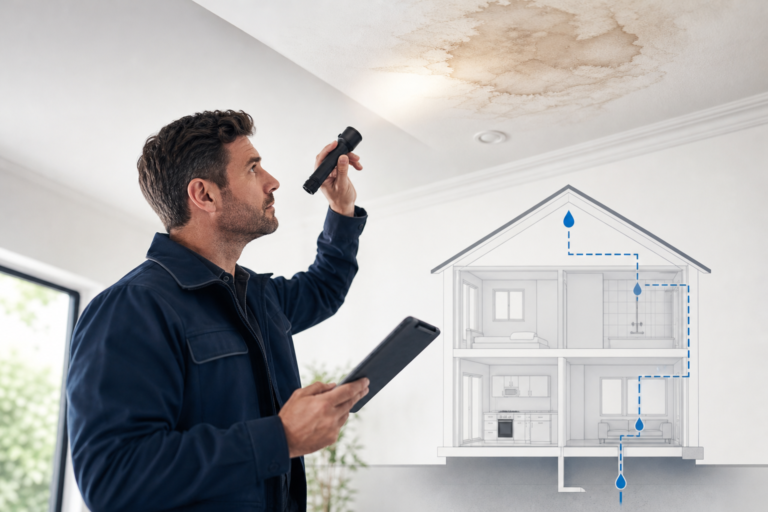
Water Damage in Homes: How to Track Down the Source
Water damage in a home rarely announces itself at the source. A stain on the ceiling, a musty smell in
Read More »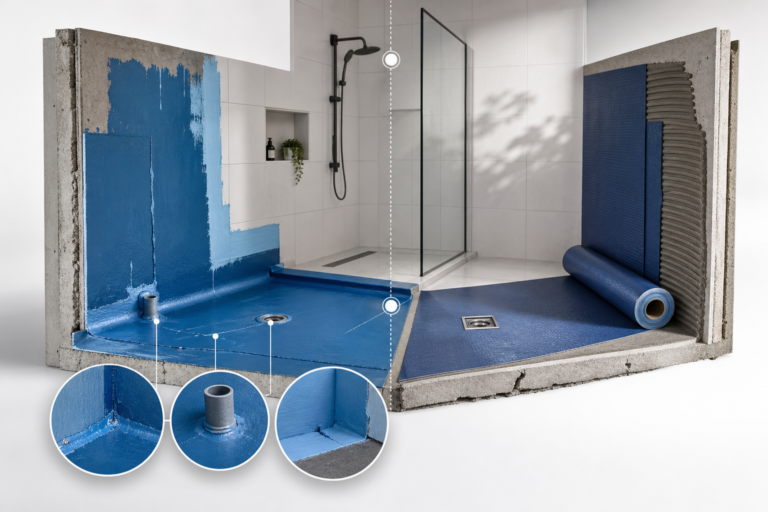
Waterproofing Membrane Types: Which Fails Most in NSW Bathrooms
Waterproofing failure is the single most common serious defect found in NSW apartments, and the type of membrane used, along
Read More »
Building Certifier NSW: Role, Limits, and When You Need More
A building certifier in NSW is a registered professional who issues construction certificates, conducts critical stage inspections, and grants occupation
Read More »