
When Is a Scott Schedule Used in NCAT? 2026 Guide
You've finished a renovation, but the defects keep multiplying. There are cracked tiles, incomplete work, disputed invoices, photographs, expert comments and a long email chain, yet the builder says the job is acceptable and you can't get agreement on what needs fixing. At that point, the question “when is a Scott Schedule used in NCAT?” usually isn't theoretical. It arises because the dispute has outgrown ordinary correspondence.
A Scott Schedule gives NCAT a structured way to compare each alleged defect, each response, the evidence, the proposed rectification and the claimed cost. The important issue isn't what the form is. It's when NCAT expects it, which version applies, and how expert evidence can change the document during the proceeding.
Why This Question Comes Up More Often in NSW
A homeowner may begin with a simple list of complaints. The ensuite leaks, several doors don't close, brickwork appears uneven and the builder hasn't completed parts of the agreed scope. The builder may respond that some items are maintenance, others are variations, and the remaining issues are within ordinary construction tolerances.
That exchange can continue for weeks without bringing the parties closer. Each side describes the project as a whole, while NCAT needs to determine separate questions about separate items. Once the dispute involves multiple defects or complex technical issues, the Tribunal's home-building guidance identifies the Scott Schedule as the document used to itemise defective and incomplete works, generally in complex matters or where there are a number of defects (NCAT's home-building guidance).
The point where correspondence stops working
Long letters tend to combine several different disputes. A paragraph about leaking waterproofing may also mention damaged plasterboard, painting costs, accommodation and alleged delay. The builder's reply may address only the leak and leave the related issues unclear.
NCAT needs a more controlled format. One row can identify the alleged waterproofing defect, the location, the technical basis, the proposed repair and the cost. Another row can deal separately with consequential damage or incomplete painting.
Practical rule: If the other party can't give a clear admit, deny or qualify response to an item, the issue probably hasn't been framed tightly enough.
The Tribunal Member may direct parties to prepare a Scott Schedule at a hearing, particularly where the case requires organised evidence. NCAT also maintains separate forms for defective workmanship or materials and extras claimed, showing that the schedule is part of the Consumer and Commercial Division's home-building process rather than a general document used before proceedings.
Why the timing matters
Preparing the schedule too late can leave the evidence disorganised. Preparing it too broadly can create a table that repeats the original argument. The useful point is the procedural transition, when the dispute moves from general allegations into an NCAT-managed process with directions, expert reports and item-by-item responses.
NSW Government now publishes a dedicated home-building complaints dataset, with the broader Fair Trading datasets covering complaints by cause, defect and industry type. That information doesn't decide an individual NCAT case, but it reinforces the practical environment in which these disputes arise. Parties need to distinguish the exact building issue, not rely on a general description such as “poor workmanship”.
What a Scott Schedule Actually Is
A Scott Schedule is best understood as a comparison table for a building dispute. Think of a kitchen renovation handover where every outstanding issue receives its own row. The owner records the concern, the builder answers that same concern, and the evidence and cost sit beside the competing positions.
It isn't a long narrative pleading. It's a working document that lets the Member move through the case item by item.
What each column is doing
A useful schedule usually contains columns with distinct jobs:
- Item: A unique number for each defect, incomplete work or claimed extra.
- Claimant's position: What is alleged, where it is located and why it is said to be defective or payable.
- Respondent's position: Whether the item is admitted, denied or partly accepted, with the reason.
- Agreed facts: Points that both parties can accept, such as the location of the work or the fact that a repair was attempted.
- Dispute: The precise issue still requiring determination, such as cause, compliance, scope or cost.
- Rectification or claimed work: What the claimant says should be done, or what extra work is said to have been authorised.
- Cost: The amount claimed or the respondent's alternative costing, supported by appropriate material.
- Documents: Photographs, reports, plans, contracts, invoices, variations and other evidence linked to the item.
The table matters because it forces the parties to answer the same question. A homeowner can't rely only on “the bathroom is defective”. The row needs to identify the shower recess, the observed problem, the evidence and the work said to be required. A builder can't rely only on “the claim is exaggerated”. The response should explain what is accepted, what is disputed and what alternative scope is proposed.
Why the format helps at hearing
A Member can read across one row and see the competing positions. If the existence of a defect is accepted but the repair scope is disputed, the schedule exposes that distinction. If the parties disagree about causation, the row can direct the Member to the competing expert opinions.
The document also helps identify items that no longer need a hearing. Some may be accepted, some withdrawn and others narrowed to a question of reasonable rectification cost. That is why a properly prepared schedule is more useful than a stack of unstructured correspondence.
Triggers That Lead the Tribunal to Order One
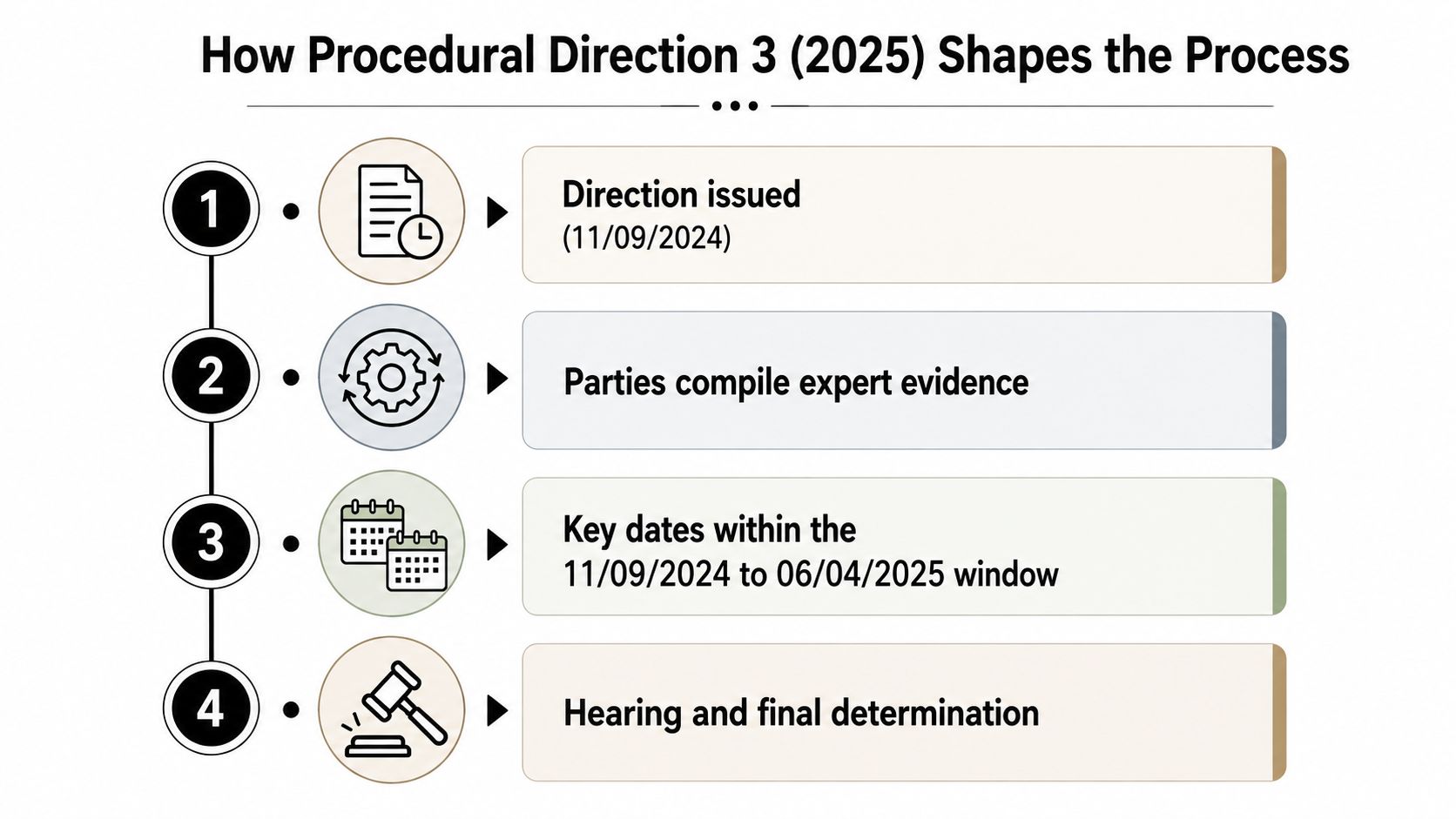
A homeowner may begin with photographs of a leaking shower, uneven tiles and unfinished painting. A builder may respond that the issues are separate, minor or capable of local repair. Once the dispute contains several technical items and competing remedies, NCAT needs a consistent way to identify what remains in dispute. NCAT's home-building guidance generally associates a Scott Schedule with a dispute that is complex or involves multiple defects.
Multiple defects across different trades
The usual trigger is not the number of photographs. It is the number of distinct questions the Tribunal must compare and determine. Waterproofing, tiling, drainage, doors, windows and incomplete painting may involve different causes, standards, evidence and rectification methods.
Each item should have its own row where the parties need to address it separately. Combining every complaint into one entry makes it harder for the respondent to answer and for the Member to decide whether the issue, cause, scope or cost is disputed.
Precise financial claims
A Scott Schedule becomes particularly useful when the parties disagree about the extent or cost of rectification. One position may be that a localised repair is sufficient. The other may be that finishes must be removed and reinstated across a larger area.
That is a quantum and scope dispute, not merely a disagreement about whether something appears defective. The schedule should identify the proposed work, the supporting costing and the competing position. It should make clear whether the issue is the defect itself, its cause, the work required or the amount claimed.
Expert evidence
Expert evidence is another common trigger. Building experts may need to address compliance, causation, construction method and reasonable rectification. NCAT's conclave process allows experts to record agreed items and remaining disagreements in a structured document (NCAT's conclaves process).
The schedule is most likely to become central where the matter includes:
- Technical disagreement: The parties require expert opinions about compliance, cause or construction method.
- Competing rectification scopes: The evidence differs on whether repairs should be localised or more extensive.
- Several disputed items: The Member needs a consistent row-by-row format.
- Case-management pressure: Reports, expert discussions, schedule revisions and hearing material need an organised timetable.
A single defect does not automatically require a Scott Schedule. Where NCAT directs one, the Member will set the relevant requirements and timetable at a hearing. Follow those orders rather than relying on an informal template found online.
How Procedural Direction 3 2025 Shapes the Process
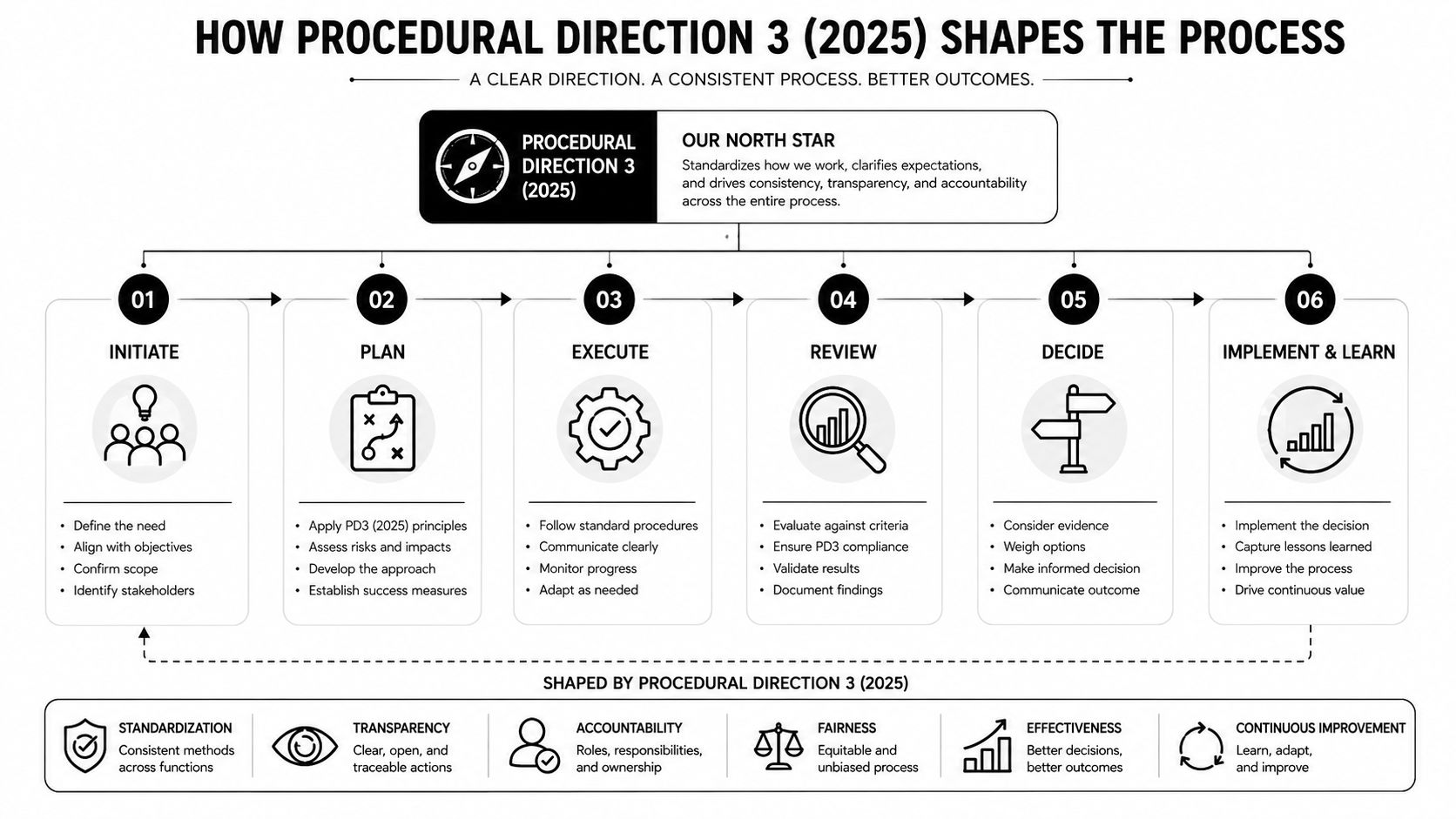
Procedural Direction 3 is NCAT's expert-evidence direction. Its treatment is time-sensitive because the archived directions page records that a version of Procedural Direction 3 was superseded for the period 11 September 2024 to 6 April 2025, so parties should check the current direction and the orders made in their own proceeding (NCAT's procedural directions and guidelines).
The practical sequence
The process usually develops through directions rather than a party choosing its own timetable:
- Directions hearing: The Member identifies the evidence required and sets the relevant timetable.
- Expert reports: Each expert prepares and exchanges a report within the ordered deadlines.
- Scott Schedule exchange: The parties use the schedule to identify each item, the evidence relied on and the response.
- Expert discussion: The experts address disputed technical items and identify areas of agreement.
- Joint or revised schedule: Where possible, the experts or parties refine the document to record agreement and remaining disagreement.
- Hearing use: The final working schedule helps the Member determine the live issues.
The precise dates come from the orders in the proceeding. A general article can't replace those orders, and parties shouldn't assume that a prior version of a direction controls their current case.
For a focused explanation of the current framework, see NCAT Procedural Direction 3 and expert evidence from 7 April 2025.
Why the expert exchange changes the schedule
The first schedule may contain each party's position. After reports are exchanged, the document can become more precise. Experts may agree that a defect exists but disagree about its cause. They may agree on the cause but dispute the extent of demolition needed. They may also agree that an item is outside their expertise or requires further information.
A revised schedule records those distinctions instead of forcing every issue into a simple yes or no. That helps the Member understand what remains contested.
Hearing insight: The schedule should become shorter and sharper as the evidence improves, not longer because every report paragraph has been copied into it.
Defects vs Extras Which Schedule Applies
NCAT's forms distinguish between defective workmanship or materials and extras claimed. The correct form depends on the substance of the dispute, not on which party is filing it.
| Feature | Defective Workmanship or Materials | Extras Claimed |
|---|---|---|
| Core question | Was the work defective, incomplete or carried out with defective materials? | Was additional work performed or supplied beyond the agreed scope, and is payment claimed? |
| Typical evidence | Photographs, expert reports, plans, specifications, Australian Standards and rectification costings | Contract scope, variation documents, written approvals, invoices, site instructions and payment records |
| Typical response | Admit, deny or qualify the defect, cause, rectification method or cost | Admit, deny or qualify the authorisation, value, completion or entitlement to payment |
| Cost focus | Reasonable cost of correcting defective or incomplete work | Amount said to be payable for additional work or materials |
| Main risk | Treating every complaint as one broad workmanship allegation | Treating an unauthorised or disputed variation as an established debt |
Use the defective-workmanship schedule when
The heart of the dispute is the quality, completeness or compliance of the building work. Examples include alleged waterproofing failure, cracking, inadequate falls, incomplete flashing or defective materials.
Each row should isolate the building element and identify the technical evidence. The claimant's position might say what is observed and what rectification is proposed. The respondent can then address whether the work is defective, whether another cause is more likely and whether the claimed repair is proportionate.
Use the extras-claimed schedule when
The central issue is payment for work said to be outside the original contract. That may involve an alleged variation, additional materials or work requested during construction.
The relevant evidence is different. A building report may have little to say about whether the owner authorised an extra. The important documents may instead be the contract, variation records, text messages, invoices and payment history.
Why mixing them causes trouble
A bathroom dispute may contain both categories. The waterproofing allegation belongs with defective workmanship or materials. A later request for upgraded fixtures may belong with extras claimed. Keeping them separate prevents the technical defect case from being confused with the payment dispute.
NCAT's forms page maintains both types of templates, which reflects a practical split that parties often overlook. Choose the schedule that matches the issue the Member must decide, and separate distinct claims rather than forcing them into one table.
Who Prepares the Schedule and How Experts Contribute
The claimant commonly prepares the first draft because that party identifies the alleged defects or extras. The schedule is not a claimant-only document. The respondent must answer each item, and NCAT's directions may require either party to amend or clarify its position.
Prepare it from the evidence, not memory. Each row should identify one issue clearly enough for the other side to respond without guessing. The person who provides a Scott Schedule may be a party, solicitor, building consultant or another expert, depending on the directions and the evidence required.
The role of the experts
Where expert evidence is ordered, the experts work from the same numbered list. They may exchange reports, inspect the disputed matters and discuss them in a conclave. The process is intended to record agreed items and remaining disputes, and, where possible, produce a revised joint Scott Schedule for the Tribunal.
A useful expert discussion remains technical rather than becoming advocacy. The experts should identify:
- Agreed observations: What each expert accepts about the condition or location.
- Technical disagreement: Whether the work departs from the relevant requirement or standard.
- Causation: Why the defect or damage occurred.
- Rectification: What work is reasonably required.
- Quantum: What the reasonable cost of that work is.
Agreement may be reached on one part of an item while another remains disputed. That gives the Member a clearer issue-by-issue record than two reports repeating opposing conclusions.
Where a building consultant fits
An experienced building consultant can inspect the site, group defects appropriately, prepare or review the schedule, cross-reference the evidence and assist with the rectification scope. The consultant must remain independent. An overstated claim can damage credibility as quickly as a schedule that omits significant defects.
The practical test is whether each row is technically defensible and easy for the Member to follow. The schedule should also distinguish the defective-workmanship issues from extras claimed, because the experts may need different evidence to address each category. In the conclave, that separation helps experts refine the document into a joint version without collapsing distinct disputes into one conclusion.
What Every Schedule Should Contain
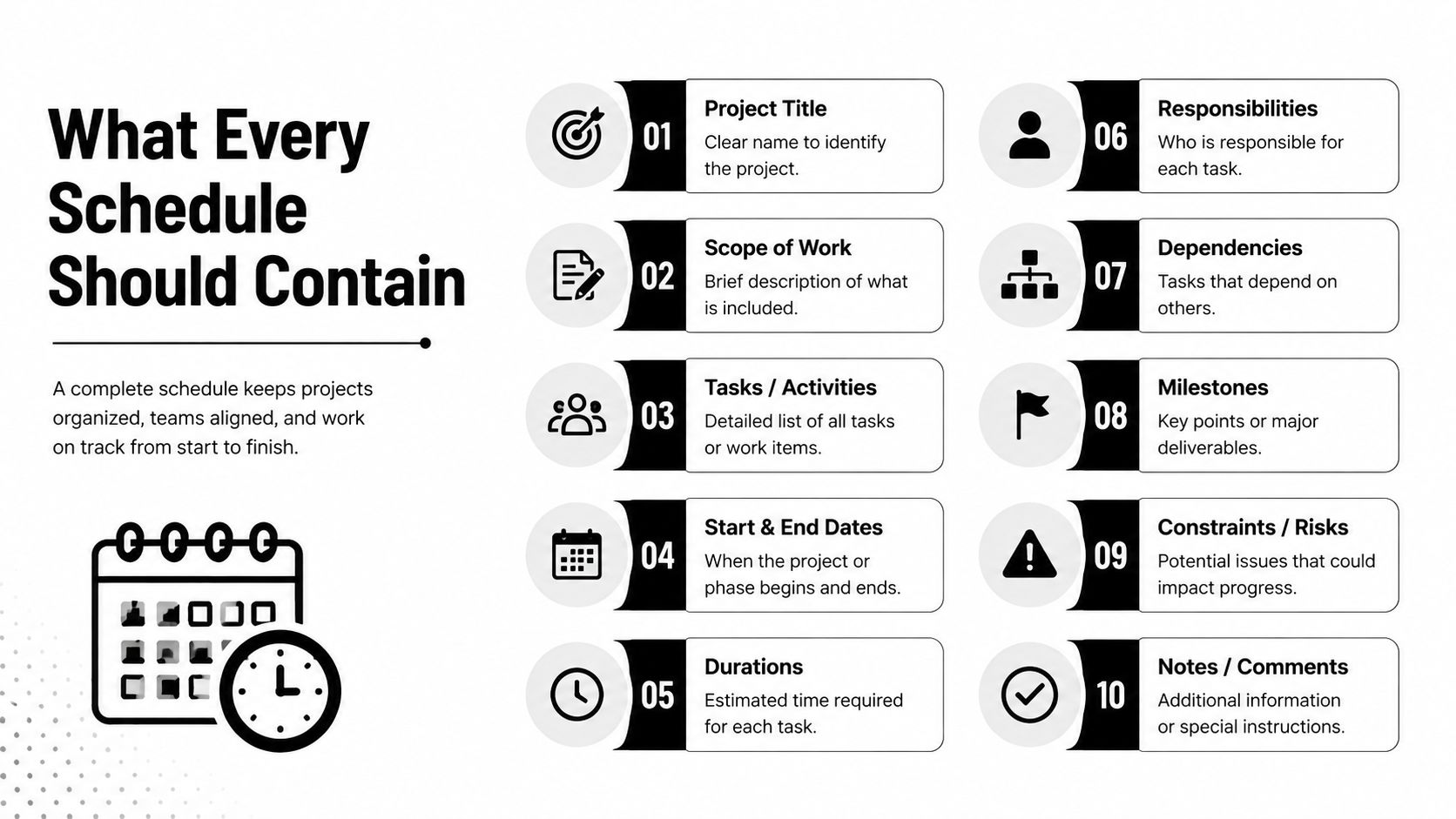
A Member should be able to take any row and understand the alleged problem, the response, the supporting evidence and the remedy or amount sought. If the reader has to reconstruct that information from several documents, the table isn't performing its main function.
A practical audit list
Check the draft against these elements:
- Item number: Give every issue a unique number.
- Location: Identify the room, elevation, level or building element.
- Defect description: Describe what was observed, not that workmanship was poor.
- Claimant's position: State the technical or contractual case being advanced.
- Respondent's position: Record the admission, denial or qualification and its basis.
- Agreed facts: Separate matters that are no longer in dispute.
- Remaining dispute: State whether the issue concerns defect, cause, scope, compliance or cost.
- Rectification methodology: Explain the work said to be necessary.
- Standard or contract reference: Identify the relevant Australian Standard, specification, drawing or contractual requirement where applicable.
- Cost and evidence: Match the amount to the proposed work and cite the report, photograph, quote, invoice or other document supporting the row.
A photograph should connect to an item number. A report reference should identify a section or page. A cost should relate to the stated rectification rather than an unexplained lump sum.
The schedule should also distinguish between the existence of a defect and the extent of the remedy. A builder may accept that a door requires adjustment but dispute a claim for complete replacement. A homeowner may accept that an extra was discussed but dispute the amount charged. Those are separate positions and should appear separately.
The Scott Schedule example and template for NSW building disputes can help with the structure, but the facts and evidence must come from the individual matter. Don't copy descriptions or costs from another project.
Final check: Read each row without opening the rest of the file. If the issue, evidence, proposed work and amount aren't understandable on their own, revise it before filing.
Getting the Right Support for Your NCAT Matter
A Scott Schedule is generally used when a NSW home-building dispute has multiple defects, complex technical questions, competing rectification scopes or expert evidence requiring organised comparison. The right schedule separates defective workmanship or materials from extras claimed, follows NCAT's directions and becomes more precise as experts identify agreement and disagreement.
Awesim Building Consultants has 35+ years in Building & Construction and over 15+ years providing litigation support to homeowners, builders and lawyers. Its services include site investigations, Building & Construction Expert Witness Reports and Scott Schedules across Sydney, the New England region and rural NSW. For broader background on dispute resolution and mediation, this guide from Edinhart Realty and Property Management is a useful complementary resource.
If you're deciding whether to file, respond or obtain expert assistance, contact admin@awesim.com.au or call 1800 293 746 to discuss the defects, evidence and procedural stage of your matter.
Awesim Building Consultants can investigate the site, prepare Building & Construction Expert Witness Reports and develop a clear Scott Schedule for the NCAT issues that remain in dispute. Visit Awesim Building Consultants to discuss your NSW building matter and arrange practical support.

Related Posts

Water Damage in Homes: How to Track Down the Source
Water damage in a home rarely announces itself at the source. A stain on the ceiling, a musty smell in
Read More »
Waterproofing Membrane Types: Which Fails Most in NSW Bathrooms
Waterproofing failure is the single most common serious defect found in NSW apartments, and the type of membrane used, along
Read More »
Building Certifier NSW: Role, Limits, and When You Need More
A building certifier in NSW is a registered professional who issues construction certificates, conducts critical stage inspections, and grants occupation
Read More »