
Why Are Shower Water Stops Required?
A lot of bathroom defect disputes start the same way. The owner notices a damp smell that won’t go away, the paint on the hall side of the bathroom wall starts to bubble, or the floor just outside the shower feels slightly raised underfoot. By the time someone lifts a tile, removes a skirting board, or opens a wall, the underlying problem is already well advanced.
In many of those matters, the issue isn’t a burst pipe or a leaking tap fitting. It’s a missing, misplaced, or poorly integrated shower water stop. That small detail at the shower perimeter can decide whether water stays where it belongs or migrates into floor sheeting, wall framing, joinery, and adjoining rooms.
That’s why people ask, why are shower water stops required? The short answer is simple. They’re required because shower waterproofing isn’t just about surface water you can see. It’s about hidden moisture movement through the tile bed, substrate, and transitions where bathrooms most often fail. When that barrier is absent or non-compliant, the repair often grows from a bathroom defect into a building defect, then into a dispute about scope, cost, responsibility, and evidence.
The Hidden Cause of Costly Bathroom Repairs
A homeowner might first blame the shower screen, the grout, or poor ventilation. That’s understandable. Those are the parts you can see. The actual failure point is often below the tile finish, where water has found a path past the shower area and into the surrounding structure.
I’ve seen the same pattern repeatedly in bathroom investigations. Water escapes at the shower opening or perimeter, moves laterally through the floor build-up, and reaches materials that were never meant to stay wet. Timber swells. Plasterboard softens. Skirtings deform. Floor finishes outside the bathroom begin to show damage long after the shower was signed off as complete.
What owners usually notice first
The first signs are rarely dramatic. More often, they include:
- A persistent musty smell that cleaning doesn’t fix
- Swollen skirting boards or architraves near the bathroom entry
- Loose tiles or drummy tiles around the shower threshold
- Peeling paint on the opposite side of a shower wall
- Water escaping during normal shower use even though the floor waste appears to work
Those symptoms matter because they point to moisture migration, not just surface splash.
Practical rule: If water regularly leaves the shower area during ordinary use, treat it as a waterproofing issue until proven otherwise.
Why this defect becomes expensive
A failed water stop often sits at the centre of an argument about consequential damage. Once moisture leaves the wet area, the defect is no longer confined to the shower recess. The rectification can extend to demolition, drying, re-waterproofing, retiling, replacement of affected finishes, and repairs in adjoining areas.
That’s where legal and insurance issues start. Owners want the damage fixed in full. Builders may say the shower was used improperly or maintained poorly. Lawyers need evidence, not assumptions. The question stops being whether the bathroom leaked. The central question becomes whether the shower was built in accordance with the relevant waterproofing requirements and whether the water stop was installed where it had to be.
What Is a Shower Water Stop (And What It Is Not)
A shower water stop is not a valve, not a shut-off fitting, and not the flow restrictor inside a showerhead. In bathroom construction, it is a physical barrier built into the waterproofing system at a critical transition point.
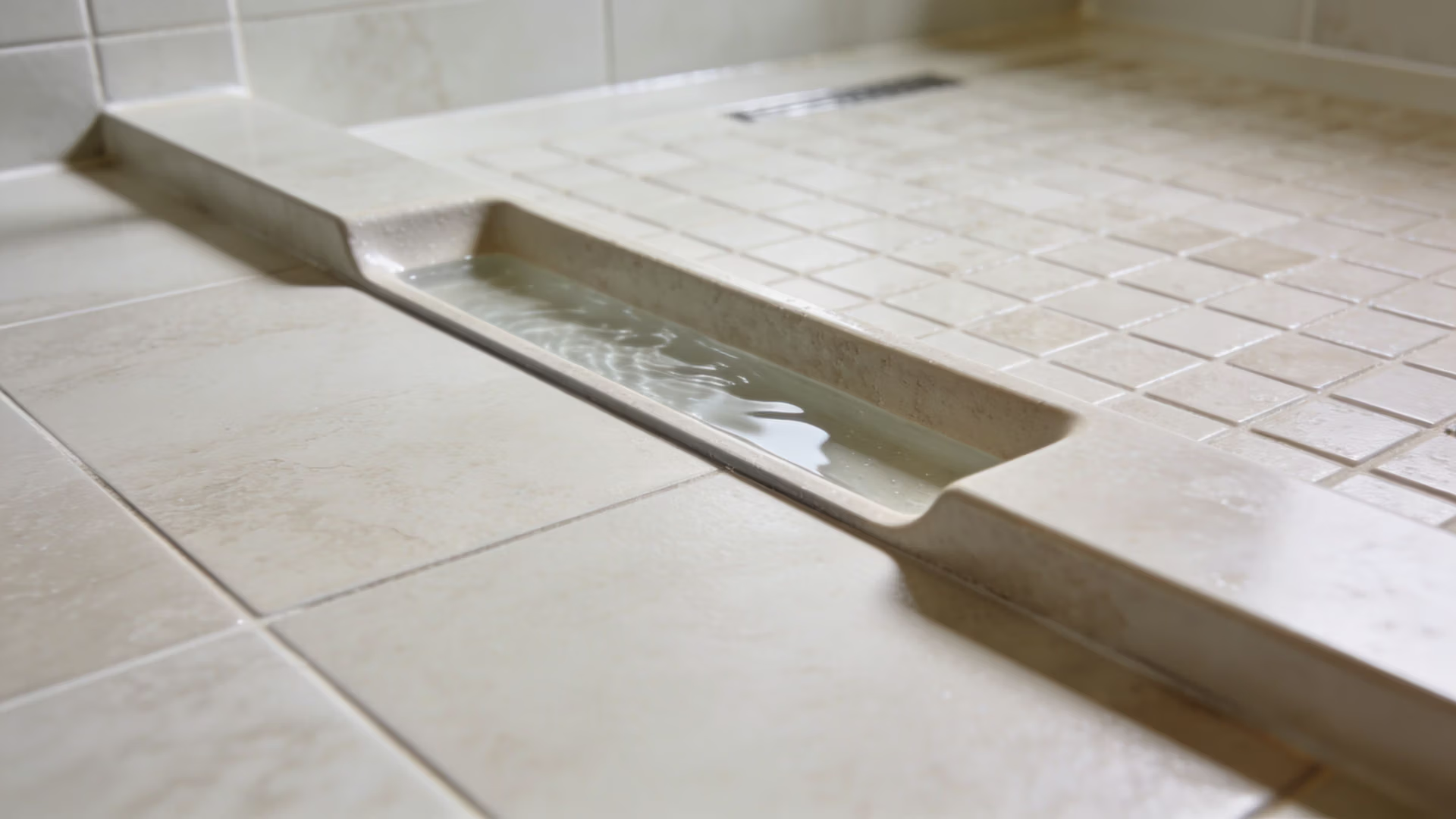
In NSW and across Australian practice, AS 3740 defines a waterstop as a “vertical extension of the waterproofing system forming a barrier to prevent the passage of moisture in the floor or vertically in a wall”, as outlined in this explanation of what a water stop is under AS 3740. That definition matters because it tells you exactly what the component is for. It’s there to interrupt moisture movement through the floor and wall build-up at the places most likely to fail.
What it looks like on site
On site, the water stop is usually a formed angle or profile fixed at the shower perimeter or transition. It sits beneath the finished tile line and works with the membrane system, not independently from it. Think of it as a retaining edge within the waterproofed assembly.
It’s not meant to act like a visible dam holding back every drop on the tile surface. Its real job is lower down, where water can travel through grout joints, adhesive beds, and porous interfaces.
If you’re comparing different bathroom layouts, this becomes even more important in open and semi-open designs. A useful reference for the design differences is this wet room vs walk-in shower comparison, because the shower layout directly affects how water needs to be contained.
What it is not
People often confuse water stops with water-saving fittings because the term “shower stop” sounds similar. They are completely different things.
A water stop is not:
- A showerhead flow restrictor that limits litres per minute
- A tap or isolation valve used to turn water off
- A shower screen seal fixed only at the glass edge
- A bead of silicone applied after tiling as a cosmetic fix
The membrane and the water stop have to work as one system. If the barrier exists but the membrane doesn’t terminate into it properly, water will still bypass the detail.
That’s the point many disputes turn on. The presence of a metal angle alone doesn’t prove compliance. The detail has to be correctly located and properly integrated into the waterproofing assembly.
How Water Stops Protect Your Home’s Structure
Water in a shower doesn’t only move where you can see it. It also travels by absorption, capillary action, and lateral spread through the materials beneath the tiles. Grout joints aren’t a permanent waterproof barrier. Tile finishes are part of the wear surface, not the complete containment system.
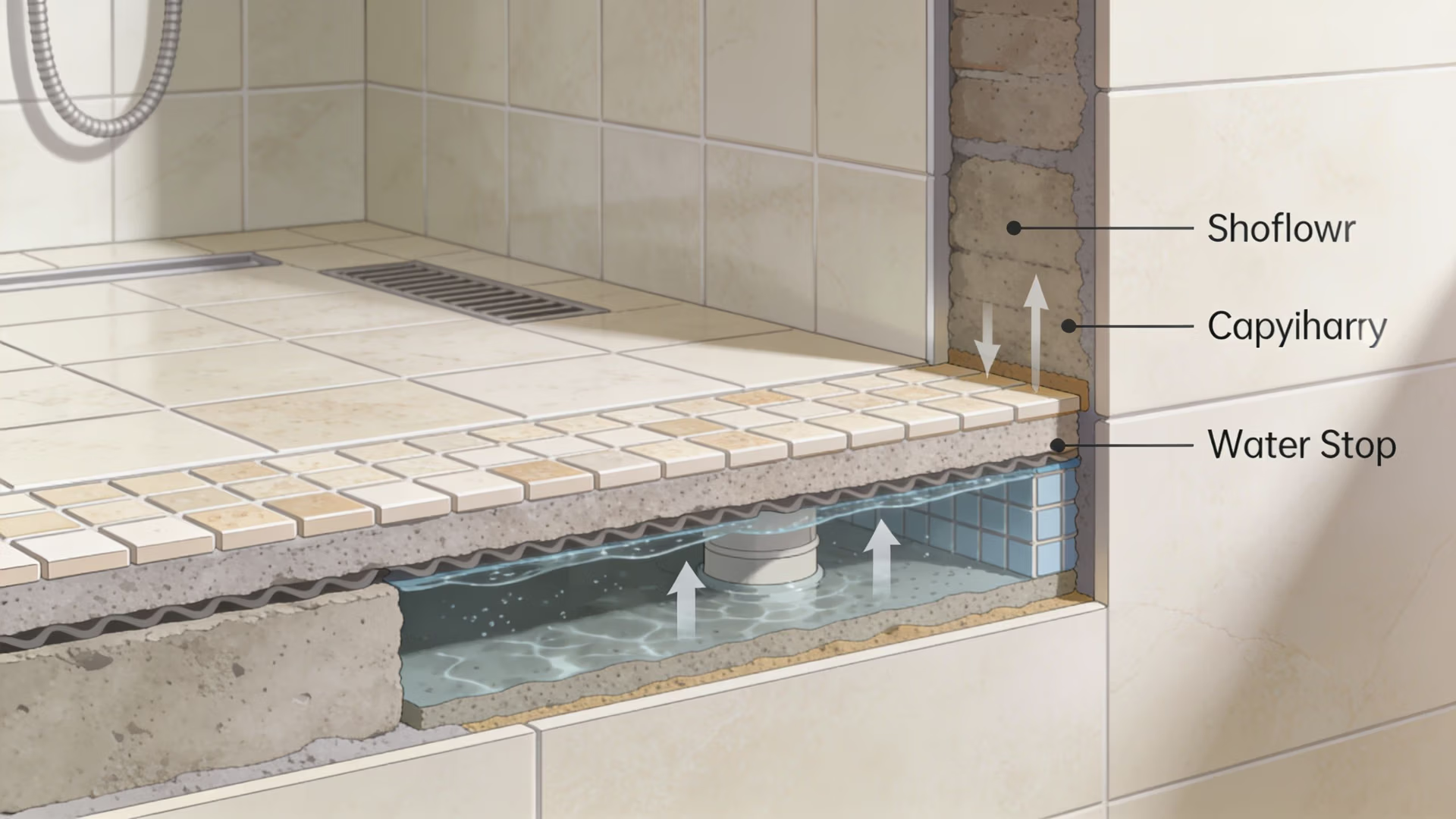
That’s why a properly installed water stop matters so much. It interrupts hidden moisture movement at the edge of the wet area, particularly at shower openings, thresholds, under screens, and unenclosed perimeters. Without that barrier, water can leave the shower footprint even when the tiles look sound from above.
How the failure spreads
Once moisture gets beyond the shower area, the damage pattern becomes predictable:
| Area affected | What usually happens |
|---|---|
| Floor substrate | Swelling, debonding, loss of integrity |
| Wall linings | Dampness, softening, staining, mould risk |
| Timber elements | Expansion, distortion, long-term deterioration |
| Adjacent finishes | Lifted flooring, damaged skirtings, paint failure |
The problem is rarely isolated for long. Bathrooms connect to door thresholds, hallway floors, vanity areas, and wall cavities. Water uses those links.
Why small defects become major works
A missing or ineffective water stop is a minor omission only on the drawing. On site, it exposes the whole assembly. Once the membrane line is bypassed, repairs often require demolition to verify the condition of the substrate and rebuild the shower properly.
For homeowners, frustration often sets in at this point. The visible defect might be no more than damp grout or a swollen skirting, but the repair can involve taking out the base, lower wall tiling, shower screen, and affected finishes outside the shower itself.
Builders also need to understand the trade-off. Saving time at the perimeter detail usually creates a larger liability later. The cost and disruption of rectification will always exceed the effort of installing the detail correctly the first time.
For broader household protection, it also helps owners know where their plumbing isolation points are. This guide to managing your home’s water system valves is useful for understanding what you can shut down quickly when a bathroom issue is discovered, even though a failed water stop itself is a waterproofing defect rather than a simple valve problem.
If the shower perimeter detail fails, water doesn’t stay in the shower recess. It moves into parts of the building that are expensive to open and even more expensive to restore.
Understanding Australian Standards and Compliance
This isn’t a matter of preference or one builder’s method versus another. In Australia, shower water stops are part of the compliance framework for domestic wet area waterproofing. If they’re required for the shower type and detail, they must be installed correctly.
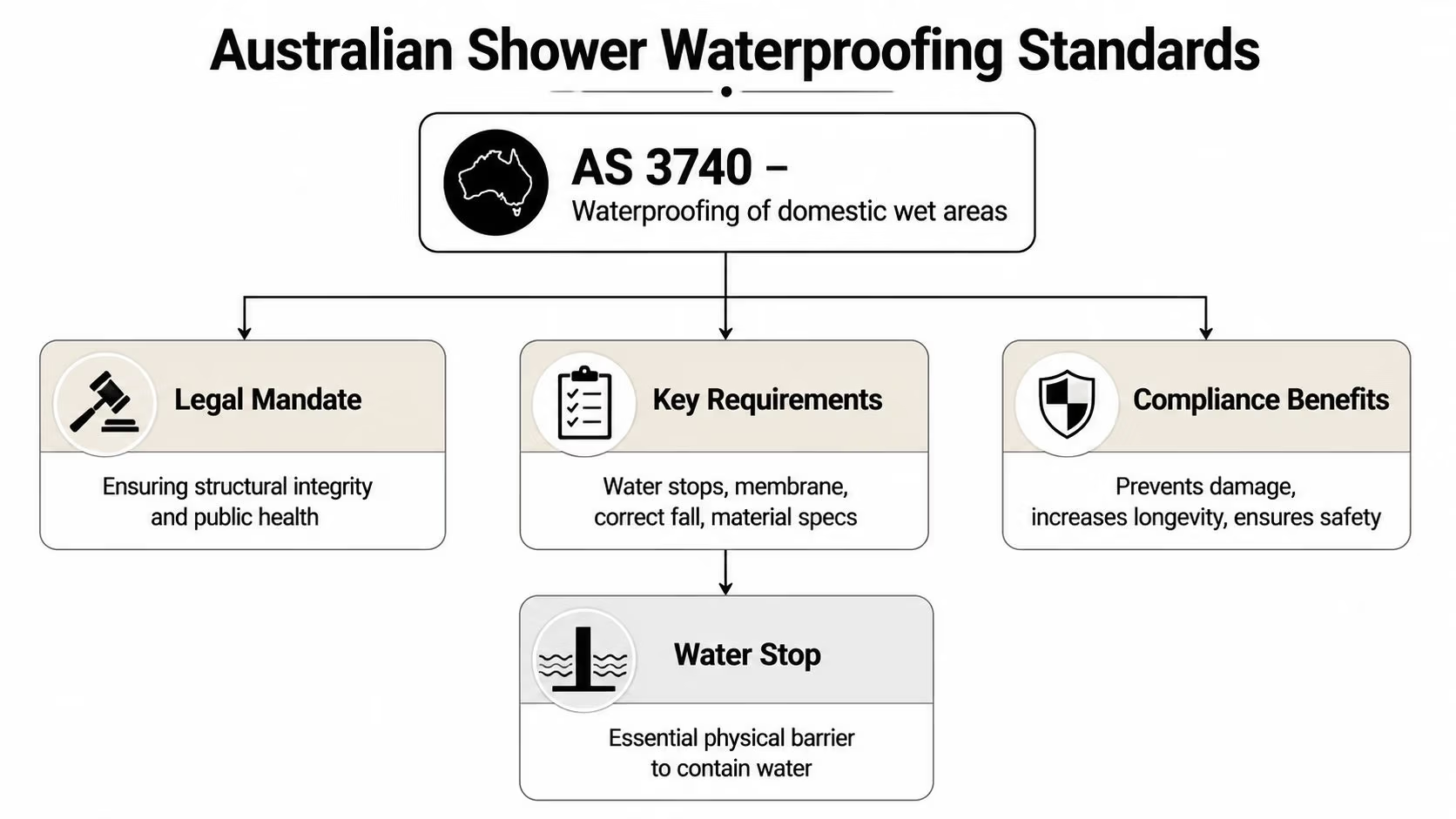
The dimensional rules are especially important because bathroom water control is sensitive to geometry. According to Australian technical guidance discussed by Awesim on bathroom waterstops, for hobless showers, the waterstop must finish at least 5 mm above the finished floor level, and for unenclosed showers it may be required at least 1500 mm from the shower rose. That same guidance states that incorrect height or location is treated as a compliance failure because it directly affects the probability of water escaping the wet area.
Why those dimensions matter
Those measurements aren’t arbitrary drafting notes. They reflect how water behaves in real bathrooms.
If the vertical leg is too low, floor finishes and water films can bridge over the barrier. If the water stop is too far inside the shower zone, water can escape beyond the containment point before the barrier does any useful work. In unenclosed and hobless layouts, those risks increase because the perimeter is more exposed to spray spread and runoff.
What gets checked in a defect investigation
When assessing compliance, the review usually focuses on details such as:
- Location of the water stop relative to the shower opening or unenclosed perimeter
- Termination height above the finished floor level where required
- Continuity with the membrane system so there’s no bypass path
- Compatibility with the screen and threshold detail where screens are installed
- Signs of later damage from tilers, screen installers, or other trades
A bathroom can look neat and still fail these checks.
Compliance is not cosmetic
That distinction matters in disputes. A badly cut tile might be unsightly. A badly placed water stop is a defect with performance consequences. It affects whether the waterproofing system can contain moisture at the most failure-prone junctions.
Here’s the practical legal point. If the water stop doesn’t meet the required detail for the shower type, the issue isn’t merely workmanship style. It goes directly to compliance. That changes how the defect is argued, documented, and rectified.
Common Water Stop Failures and How to Spot Them
Most water stop defects fall into a small number of repeat categories. The details vary from bathroom to bathroom, but the failure modes are familiar.
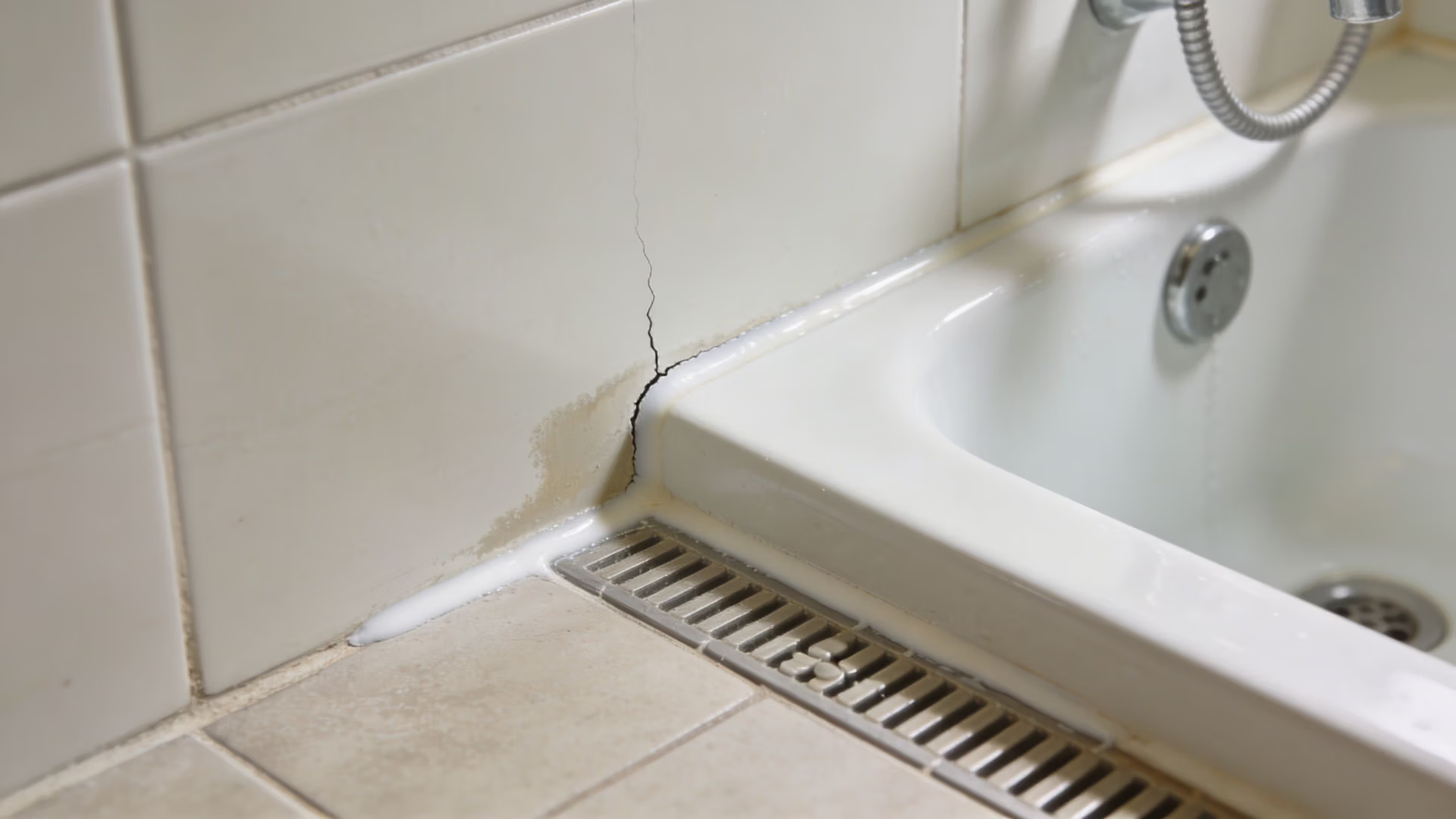
The failures seen most often
Omitted entirely
The shower has membrane and tiles, but no proper barrier at the transition. This is common in rushed renovations and some open shower layouts where the installer assumes floor fall alone will manage the water.Installed too low
The detail exists, but it doesn’t rise sufficiently to form an effective break. Water bridges over it and escapes into the main bathroom floor build-up.Not tied into the membrane
This is one of the more serious faults. The barrier is present as a piece of material, but the waterproofing system doesn’t terminate into it properly, leaving a concealed path around or beneath the detail.Damaged after installation
Other trades can compromise the assembly by cutting, drilling, or disturbing the detail during screen fitting, tiling, or finishing works.
What owners can actually observe
You usually won’t see the water stop itself without opening the floor, but you can see the consequences. Look for patterns, not isolated marks.
A practical site checklist includes:
- Repeated water escape at the shower opening during normal use
- Discolouration or persistent dampness where the screen meets the tiled floor
- Loose or cracked grout at threshold lines and wall-floor junctions
- Swollen trim or skirting just outside the bathroom
- Changes in adjacent flooring such as lifting, cupping, or soft spots
A bathroom doesn’t need visible ponding to have a failed perimeter detail. Hidden moisture migration often shows up outside the shower before the shower itself looks defective.
Not every mould issue proves a water stop failure, but persistent dampness around shower edges and silicone joints shouldn’t be dismissed. If you’re dealing with surface mould at the same time, this guide on how to remove mould from silicone can help with the cleaning side, though it won’t fix a concealed waterproofing defect underneath.
What doesn’t work as a fix
Owners are often told to try resealing grout, replacing silicone, or adjusting the shower screen sweep. Those measures can help with minor splash issues, but they don’t cure a failed or missing sub-floor water stop.
If the barrier detail is wrong, surface sealants are usually a temporary mask. The moisture path remains.
Disputes, Expert Witness Reports, and Legal Claims
Once a shower water stop issue becomes a dispute, opinion isn’t enough. The matter turns on evidence. Someone has to determine whether the water stop exists, whether it is correctly located, whether it integrates with the waterproofing system, and whether the observed damage is consistent with that failure.
That investigation usually starts with a site inspection. Moisture readings can help identify affected areas, but they don’t prove the construction detail on their own. In many matters, the key evidence comes from targeted invasive inspection. That may involve removing a section of screen, tile, threshold, or trim so the actual perimeter build-up can be seen and documented.
What the report needs to establish
A proper defect report in this kind of matter should address:
- Observed symptoms and damage patterns
- Likely moisture path from the shower into adjacent construction
- Whether the water stop is present and compliant
- Whether the membrane is correctly integrated at the transition
- What rectification is necessary to fix both the defect and the consequences
Formal documentation becomes critical in these situations. For tribunal and legal proceedings, the findings often need to be translated into an expert format that links the technical breach to the damage and the required repair scope.
For disputes involving waterproofing failures, waterproofing building dispute assessments are one pathway used to document conditions, identify defects, and frame rectification issues in a way that lawyers and decision-makers can use.
Why these matters escalate
Bathroom disputes escalate because several questions get tied together at once. Was the original work defective? Who is responsible for consequential damage outside the shower footprint? Does rectification require partial repair or full rebuild? Has later work made the evidence harder to assess?
For lawyers, a weak report creates problems quickly. If the report only says the bathroom leaks, it doesn’t go far enough. The useful report identifies the defective detail, explains the mechanism of failure, and connects that defect to the observed damage in a way that can withstand challenge.
For owners and builders, that difference matters. The legal claim is rarely about one strip of material at the shower edge. It’s about rectification scope, cost allocation, and whether the bathroom was compliant when handed over.
Ensuring Compliance and Resolving Water Stop Issues
The answer to why are shower water stops required? is straightforward. They are required because bathrooms fail at transitions, not just at obvious openings, and the water stop is one of the key details that prevents moisture leaving the wet area and entering the building fabric.
For homeowners planning a renovation or new bathroom, the safest approach is to ask direct questions before the room is closed up. Ask where the water stop is located, how it integrates with the membrane, and what detail applies to your shower type. If the shower is hobless or unenclosed, ask the contractor to show you the perimeter control detail before tiling proceeds.
For builders, the lesson is just as direct. Don’t treat the water stop as a minor accessory. Confirm the correct location, protect it during following trades, and make sure the waterproofing applicator and tiler are working to the same perimeter detail. A compliant-looking bathroom can still fail if the hidden transition is wrong.
When to bring in independent help
Independent review is sensible when:
- Water damage has appeared outside the shower
- There’s a dispute about whether the shower was built correctly
- Rectification scope is being argued
- Legal proceedings or tribunal action are likely
- You need a documented basis for negotiation or evidence
Homeowners, builders, lawyers, and strata managers all benefit from the same thing in these matters. Clear findings, properly documented.
If you’re dealing with broader bathroom defects, it’s also worth reviewing related information on waterproofing defects and expert witness reporting before any demolition removes the evidence. Early documentation usually makes the dispute easier to resolve, whether that happens by agreement or in formal proceedings.
If you need an independent assessment of a suspected shower water stop defect, Awesim Building Consultants can assist with site investigations, Expert Witness Reports, and Scott Schedules for homeowners, builders, and lawyers dealing with bathroom waterproofing disputes. To discuss the issue, email admin@awesim.com.au or call 1800 293 746.

Related Posts
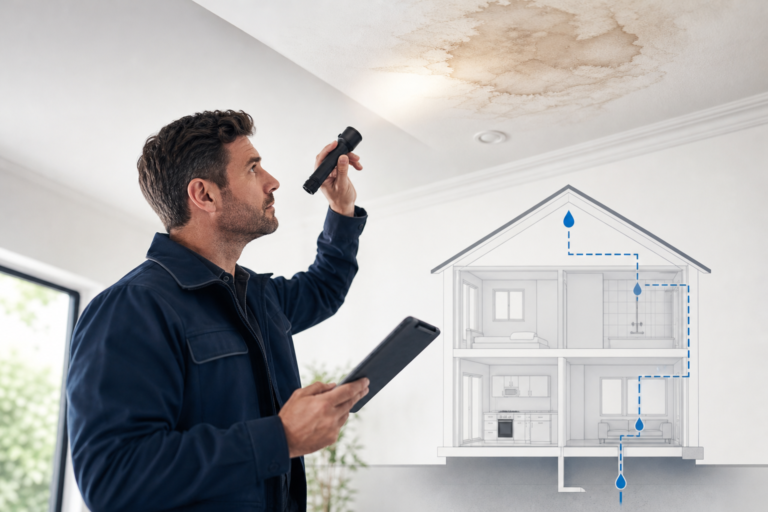
Water Damage in Homes: How to Track Down the Source
Water damage in a home rarely announces itself at the source. A stain on the ceiling, a musty smell in
Read More »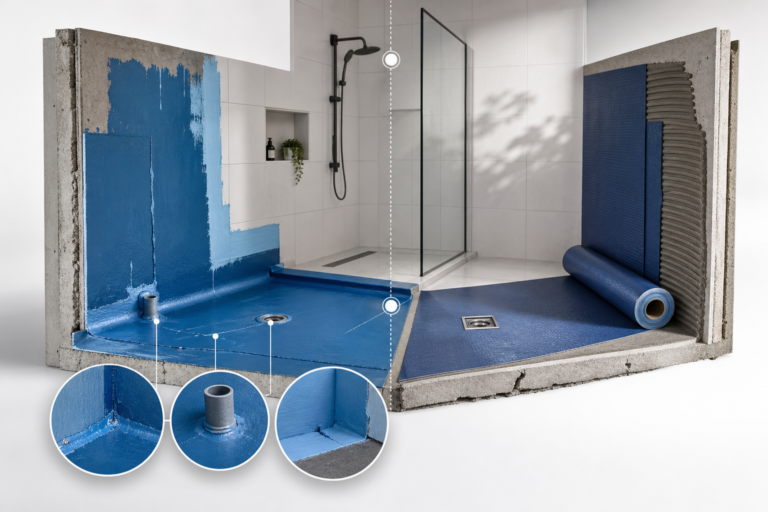
Waterproofing Membrane Types: Which Fails Most in NSW Bathrooms
Waterproofing failure is the single most common serious defect found in NSW apartments, and the type of membrane used, along
Read More »
Building Certifier NSW: Role, Limits, and When You Need More
A building certifier in NSW is a registered professional who issues construction certificates, conducts critical stage inspections, and grants occupation
Read More »