
Why Use Awesim Building Consultants for an Expert Witness Report
A lot of people start looking for an expert witness report at the same point. The project has gone off the rails, the emails are getting sharper, defects are being denied or overstated, and every person involved has a different version of what happened on site.
That’s when the dispute stops being just about building work. It becomes about evidence.
Homeowners want someone to explain why the cracking, leaking, movement, unfinished work, or poor detailing isn’t just “normal settlement” or “within tolerance”. Builders want a fair assessment when a claim bundles genuine issues together with items that were never defective in the first place. Solicitors need material that can survive scrutiny, not another opinion piece dressed up as a report.
If you’re asking why use awesim building consultants for an expert witness report, the fundamental question is simpler. Who can translate what happened on site into a document NCAT can use?
Why an Expert Report is Your Most Critical Tool in a Building Dispute
A building dispute usually starts with confidence. Someone says the defects are obvious. Someone else says the work is compliant. Quotes are exchanged. Photos are forwarded. Long email chains appear. Then the matter hardens into positions.
At that stage, the problem isn’t usually a lack of opinions. It’s too many opinions, and not enough independent analysis.
An Expert Witness Report matters because it cuts through that noise. It takes the disputed items out of the language of blame and puts them into the language of inspection, causation, compliance, workmanship, and rectification. That shift is what gives a dispute structure.
When the dispute becomes bigger than the defect
A leaking balcony, cracking masonry, roof water entry, slab movement, or non-compliant framing detail can all trigger the same pattern. One side says the work is defective. The other says the issue came from maintenance, design, owner changes, later trades, or natural movement.
Without an independent report, the case usually turns into this:
- The owner’s position: “The work is defective and needs to be fixed.”
- The builder’s position: “The work is acceptable, or the complaint is exaggerated.”
- The legal problem: Neither position proves anything on its own.
NCAT and settlement negotiations both work better when the defects are identified properly, tied to the relevant standards, and explained by someone who isn’t acting as an advocate.
Practical rule: If your evidence is just photos, quotes, and angry correspondence, you don’t yet have a technical case. You have a dispute file.
What works and what doesn’t
What works is a report prepared by someone who inspects carefully, understands building practice, and writes with the tribunal in mind.
What doesn’t work is relying on:
- Builder-prepared letters: They often read as defensive rather than independent.
- Quotes used as proof: A contractor can price work. That doesn’t make the quote a defect analysis.
- Generic inspection notes: If the document doesn’t explain cause, standard, and remedy, it won’t carry enough weight.
- Emotional submissions: Frustration is understandable, but it doesn’t establish non-compliance.
The point of the report isn’t to inflame the matter. It’s to make the issues clear enough that they can be resolved. Sometimes that leads to settlement. Sometimes it supports a hearing. In either case, the report becomes the foundation of the argument.
The Awesim Advantage 35+ Years of Building and Litigation Expertise
Experience in this field isn’t just about time served. It’s about whether the person writing the report understands both how buildings go together and how disputes are decided.
That combination is where many reports fall short. Some are written by people who know paperwork better than construction. Others are prepared by people with site experience but little understanding of expert evidence. Neither gap helps much in NCAT.
Site knowledge changes the quality of the opinion
Awesim Building Consultants was founded over 30 years ago as an incorporated company and brings more than 35 years of hands-on experience in the Australian building and construction industry, with 15+ years specifically in litigation support according to Awesim’s NCAT expert witness report page.
That matters because defect analysis is rarely straightforward. A crack might be structural, cosmetic, moisture-related, movement-related, or caused by sequencing and restraint issues. Waterproofing complaints might be membrane failure, substrate prep failure, set-down problems, drainage falls, flashing defects, or water migration from an adjoining area. Someone who has worked in and around actual construction can separate those issues far more reliably than someone working from theory alone.
Led by Director Glen Sim, a qualified builder with a trade background in carpentry and joinery and a Diploma in Construction Management, the work is grounded in what can be observed, tested, compared, and defended.
Independence is not optional
One of the most common mistakes in building disputes is using a document prepared by someone too close to the project. The original builder, a friendly contractor, or a consultant engaged to “help the case” may all produce paperwork, but that’s not the same as expert evidence.
NCAT expects independence. It gives weight to reports that assist the tribunal, not documents drafted to argue a party line. That’s why reports prepared within a genuine expert framework carry far more force than ordinary defect complaints or contractor letters.
A practical difference shows up in the wording. A proper expert report doesn’t say, in effect, “my client is right.” It identifies the observed condition, the relevant standard or requirement, the likely cause, and the reasonable rectification approach.
The strongest expert report is usually the one that remains credible even when it doesn’t support every allegation put forward by the client.
Why practical experience matters in contested defects
The reason people search for why use awesim building consultants for an expert witness report is often because they’ve already seen weak evidence fail. The report looked polished, but it didn’t answer the key questions.
On a contested matter, practical expertise affects every part of the outcome:
| Issue in dispute | Weak approach | Strong approach |
|---|---|---|
| Cause of defect | Assumes cause from appearance alone | Links observations to construction method and likely failure path |
| Compliance | Uses broad language like “poor work” | Assesses against the NCC and relevant Australian Standards |
| Scope of repair | Suggests patching without analysis | Defines rectification based on the actual defect mechanism |
| Tribunal use | Reads like a complaint | Reads like independent evidence |
That is the gap between a report that merely exists and a report that can assist in negotiations, directions hearings, and final determination.
Anatomy of an NCAT-Compliant Expert Witness Report
A proper expert witness report is not a stack of photographs with a conclusion attached. It is a structured evidence document. Every part of it should help the decision-maker answer a practical question: what is wrong, where is it, why did it happen, what standard applies, and what needs to be done about it.
What the report needs to contain
Awesim’s reports benchmark defects against NCC 2022 and relevant Australian Standards such as AS 1684.2 for timber framing, and that level of rigour is significant in NCAT where 78% of building dispute outcomes hinge on expert evidence, as stated on Awesim’s construction expert witness page.
A sound report usually includes:
- Qualifications and role: The expert must identify their experience and the basis on which they are giving an opinion.
- Inspection methodology: The report should say what was inspected, what was accessible, and any limitations affecting the opinion.
- Detailed defect observations: Each issue needs a clear location, description, and factual basis.
- Reference to standards: Findings should be linked to the NCC, plans, specifications, tolerances, contract scope, or relevant Australian Standards where applicable.
- Causation analysis: Many weak reports fall short in this regard. It’s not enough to say an item is defective. The report needs to explain why.
- Rectification scope: NCAT needs more than a complaint. It needs a reasoned path to resolution.
Why the detail matters
Photographs matter, but only when they’re used properly. A useful photographic record identifies the precise location, what the image shows, and why it is relevant. Random photos taken across a project rarely do that.
The same applies to testing and measurement. Moisture readings, level checks, dimensions, slab observations, framing assessment, and finish review all need context. Otherwise they become disconnected pieces of information.
For readers dealing with expert evidence requirements, the NCAT Expert Witness Code of Conduct guide is worth reviewing because it reinforces the core issue. The expert’s duty is to the tribunal, and the report has to be prepared on that basis.
The difference between a report and an argument
A report becomes less useful the moment it starts sounding like submissions. That’s counsel’s role, not the expert’s.
What helps is disciplined structure:
- Observed condition
- Technical assessment
- Applicable requirement
- Opinion on defect or compliance
- Reasonable rectification pathway
That sequence is what turns site findings into evidence. It also makes it much easier for solicitors, insurers, builders, and homeowners to isolate what is in issue and what is not.
How a Scott Schedule Streamlines Your NCAT Dispute
Once a dispute has multiple defects, competing versions of events, and disagreement on scope or cost, the paperwork can become harder to manage than the building itself. That’s where a Scott Schedule becomes useful.
Think of it as a working dispute table. One line item per issue. One place for the allegation. One place for the response. One place for the expert opinion. It turns a messy argument into a document the tribunal can move through item by item.

Why this format helps
In practical terms, a Scott Schedule stops parties from talking past each other. Instead of broad accusations like “defective bathroom works” or “poor external finishes throughout”, each complaint gets broken into specific, answerable items.
That matters because vague disputes are hard to resolve. A clear schedule forces precision.
Typical columns may include:
- Item number and location
- Alleged defect or incomplete work
- Respondent’s response
- Expert comment
- Rectification scope
- Associated costing or allowance where required
For lawyers and consultants working through quantities and scope logic, tools such as Exayard construction estimating software can be useful background support when organising cost data. They don’t replace expert analysis, but they can help structure estimating inputs around clearly defined work items.
Where people go wrong
The usual failure points are predictable:
- Overloaded descriptions: One line item tries to capture three different defects.
- Argument instead of evidence: The schedule becomes a submissions document.
- No technical ownership: Someone lists complaints without tying them to observed conditions.
- Poor costing logic: Prices appear, but there’s no clear connection to the defect scope.
A Scott Schedule should narrow issues, not multiply them.
Why tribunal alignment matters
A properly prepared schedule sits comfortably with NCAT procedure because it helps the tribunal compare positions in an organised way. It also reduces confusion when there are many rooms, many trades, staged works, or a mix of defects and incomplete items.
If you need a practical explanation of how this document works in NSW disputes, the Scott Schedule guide for building disputes in NSW gives a useful overview of the format and its role.
The value is straightforward. A defects report tells the story. A Scott Schedule breaks the story into decision-ready parts.
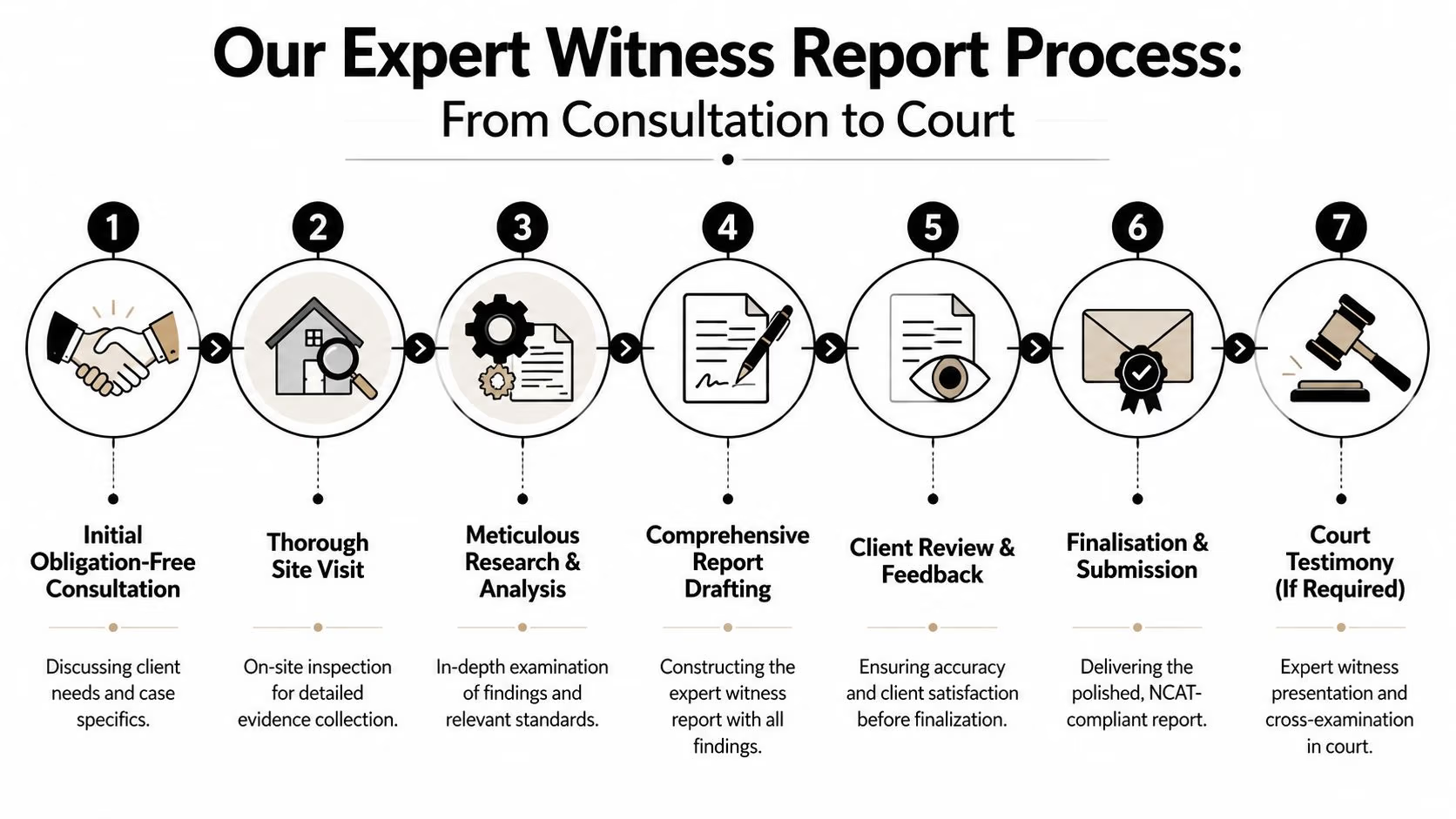
Our Expert Witness Report Process From Consultation to Court
Most clients come into this process stressed, pressed for time, and unsure what happens next. The work itself needs to be methodical, but the process also needs to be predictable.
With over 4,000 home building cases reaching NCAT in NSW each year, an efficient expert process matters, and Awesim’s methodology is designed to help clients move through a system where litigation can otherwise stretch beyond 12 months, as noted on Awesim’s expert witness report page.
Step 1 to step 3
The process usually starts with an obligation-free discussion. That first conversation should identify the type of dispute, the stage of the matter, the documents available, and whether an expert report, a Scott Schedule, or both are needed.
After engagement, the next critical stage is the site inspection. At this stage, the dispute stops being abstract. The consultant reviews the physical works, access conditions, relevant documents, and any visible indicators of defect, non-compliance, damage, or incomplete work.
Then comes research and analysis. This is often where the main effort sits. Plans, contracts, photographs, scope documents, prior reports, standards, and observed conditions have to be checked against each other. If they don’t line up, that inconsistency has to be explained.
Step 4 to step 7
The report is then drafted in a court-usable format. That means clear structure, disciplined language, proper identification of assumptions and limitations, and opinions that can be defended.
Clients may be given an opportunity to review the draft for factual accuracy. That doesn’t mean rewriting the opinion. It means checking names, dates, room descriptions, contract references, and similar factual details.
After that, the report is finalised and issued for use in negotiations, directions, or hearing preparation. In some matters, the expert may also need to participate in conferences with other experts or give oral evidence if the case proceeds further.
A typical workflow looks like this:
| Stage | What happens |
|---|---|
| Initial contact | High-level discussion of dispute and documents |
| Engagement | Scope, fees, access, and purpose confirmed |
| Site investigation | Inspection, photos, notes, measurements, observations |
| Technical review | Standards, plans, and defect analysis assessed |
| Drafting | Report prepared in expert format |
| Factual check | Administrative and factual details reviewed |
| Final issue | Court-ready or NCAT-ready document delivered |
Clients cope better with the process when they know what happens next. Uncertainty is often as stressful as the dispute itself.
The practical benefit of a defined process is simple. It reduces wasted time, avoids duplication, and gives solicitors and parties a document trail they can work with.
Case Studies How Our Reports Achieve Real-World Results
The value of an expert report shows up when the dispute shifts from accusation to resolution. Not every matter ends the same way, and it shouldn’t. Some disputes need a hearing. Some narrow quickly once the technical position becomes clear. Some expose genuine defects. Others expose overreach.

Industry data shows that only 42% of NCAT building cases are fully resolved in the claimant’s favour without appeal, and that context is noted on Awesim’s page on why to use Awesim Building Consultants. In practice, reports grounded in forensic evidence and prepared in line with the Expert Witness Code of Conduct put parties in a stronger position to negotiate or proceed.
Homeowner matter with multiple denied defects
A homeowner had a mix of complaints that had been repeatedly pushed back by the builder as minor or cosmetic. The dispute involved finishes, water entry concerns, and questions about workmanship quality across several parts of the home.
The turning point wasn’t more correspondence. It was a report that separated each item, identified what was defective, and tied those findings to observable conditions and applicable requirements. Once the issues were itemised properly, the owner had something far more useful than frustration. They had technical evidence.
Builder matter where the claim was overstated
A builder can also need an expert. That’s often overlooked.
In one type of matter seen regularly, the claim includes legitimate defects mixed with items that are preference-based, maintenance-related, outside the builder’s scope, or caused by later works. An independent report helps draw those lines. That protects the builder from being forced into rectifying work that isn’t theirs, while also identifying any items that do need attention.
That kind of report often helps preserve credibility. A builder who can point to an impartial analysis is in a stronger position than one relying on self-serving denials.
Here’s a practical example of the broader subject in video form:
Lawyer-led matter settled before hearing
Solicitors usually want clarity more than drama. A report that is disciplined, itemised, and procedurally usable gives them an advantage in the right places.
A common outcome is that once both sides can see which allegations are technically sustainable and which aren’t, the matter narrows. Settlement discussions become more practical. Hearing time is used more efficiently if the matter still proceeds. Either way, the report earns its value by making the dispute intelligible.
Good expert evidence doesn’t guarantee a result. It gives the tribunal and the parties a reliable basis on which to reach one.
Your Questions Answered and Next Steps to Resolution
How much does an expert witness report cost
There isn’t a single flat answer because the cost depends on the dispute size, the number of defect items, the documents to review, site access, whether a Scott Schedule is needed, and whether the matter may require court attendance. A small targeted report is very different from a multi-issue dispute covering several trades and detailed rectification analysis.
The practical approach is to discuss the scope first, then obtain a clear fee proposal.
How long does it take
Timing depends on urgency, site availability, document volume, and the complexity of the issues. Some matters need a focused inspection and report. Others involve large document sets, multiple defect categories, and procedural deadlines that affect sequencing.
If NCAT dates are already set, raise that at the first call so the reporting process can be planned around the timetable.
Who is the report for
These reports are commonly used by:
- Homeowners: To establish defects, non-compliance, and rectification scope.
- Builders and contractors: To respond to allegations with independent analysis.
- Solicitors and law firms: To support pleadings, evidence preparation, and settlement strategy.
- Strata managers and insurers: Where technical defect assessment is needed for a disputed claim.
If you’re dealing with a dispute in NSW and need clear, independent building evidence, the next step is simple. Email admin@awesim.com.au or call 1800 293 746 for an obligation-free discussion about the matter, the likely scope of work, and whether an expert report or Scott Schedule is the right tool.
If you need practical, court-ready building evidence in NSW, contact Awesim Building Consultants to discuss your dispute, inspection requirements, or expert witness report. You can email admin@awesim.com.au or call 1800 293 746 for an obligation-free conversation about the next step.
Related Posts
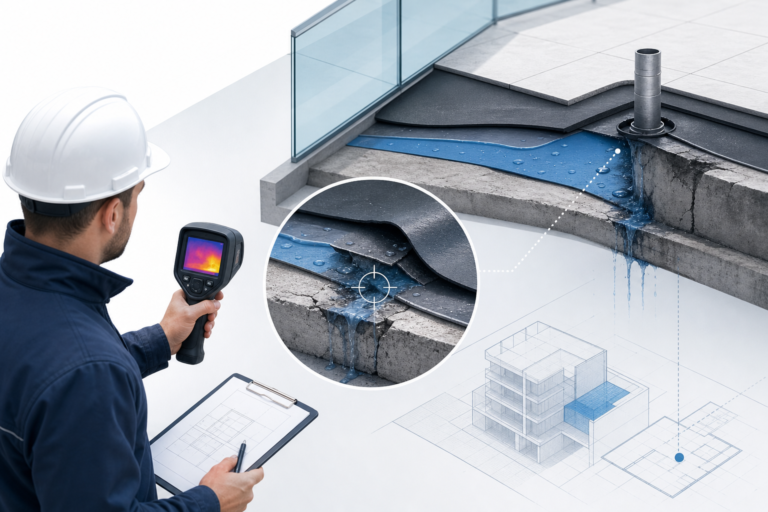
Waterproof Membrane Failure: How Inspectors Find the Cause
Waterproof membrane failure is diagnosed by tracing the water entry point, reviewing design documents, exposing the membrane for visual inspection,
Read More »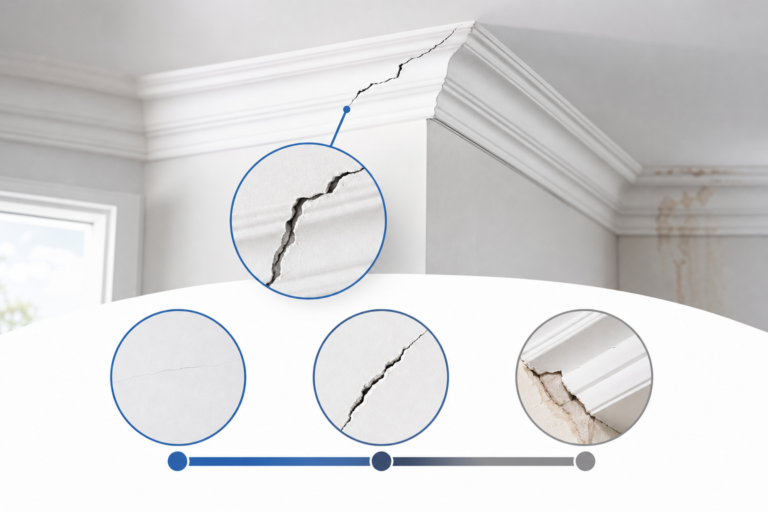
Cornice Cracking: How to Tell If the Damage Is Serious
Cornice cracking is one of the most common concerns Australian homeowners raise, and the hard part is not spotting the
Read More »
Digital Construction Consultant Australia: What They Do
A digital construction consultant in Australia manages the technology-driven side of building projects: BIM coordination, clash detection, asset data handover,
Read More »