
A new home should give you peace of mind, but sometimes faults appear soon after completion. Not every imperfection is a structural defect, but some warning signs demand a closer look. Knowing what constitutes a structural defect, how it differs from a minor cosmetic issue, and what steps to take if you find one can save you time, money, and stress. This article explains the common signs of structural defects in new homes and what they mean for homeowners in Australia.
What Is a Structural Defect?
Structural defective building work is defined as faulty or unsatisfactory building work that adversely affects the structural performance of the building, the health or safety of occupants, the functional use of the building, or allows water penetration. This definition, used by the Queensland Building and Construction Commission (QBCC), captures the seriousness of such defects. A major structural defect goes further: it is damage or inconsistency in any of the major building components that could cause collapse or render the facility unusable. These defects may result from defective design, faulty construction, poor materials, or non-compliance with the National Construction Code.
Structural defects are not the same as non-structural defects. Non-structural defective building work does not meet a reasonable standard of construction or finish expected of a competent licensed contractor, but it does not affect structural performance, health and safety, or create water entry. Settling-in issues like small plaster cracks or uneven paintwork are typically non-structural. The distinction matters because complaint timeframes and insurance coverage often differ.
Structural vs Non-Structural Defects
The table below summarises the key differences based on the QBCC definitions for Queensland. While other states may use similar concepts, you should check your local authority for precise classifications.
| Aspect | Structural Defect | Non-Structural Defect |
|---|---|---|
| Effect on building | Affects structural performance, health/safety, functional use, or allows water penetration | Falls short of a reasonable standard of finish or construction |
| Examples | Foundation cracks, sagging roof trusses, failing load-bearing walls | Small hairline cracks in non-load-bearing walls, minor paint blemishes, uneven floor tiles |
| Typical cause | Design error, faulty materials, non-compliance with code | Settling, workmanship slip-ups |
| Complaint timeframe (Queensland) | Within 3 months of noticing the defect | Within 7 months of noticing the defect |
Common Signs of Structural Defects
Structural defects often reveal themselves through visible signs. While no single indicator is conclusive on its own, a combination of symptoms should raise concern. Here are the most common signs to watch for in a new home.
Cracks in Walls and Ceilings
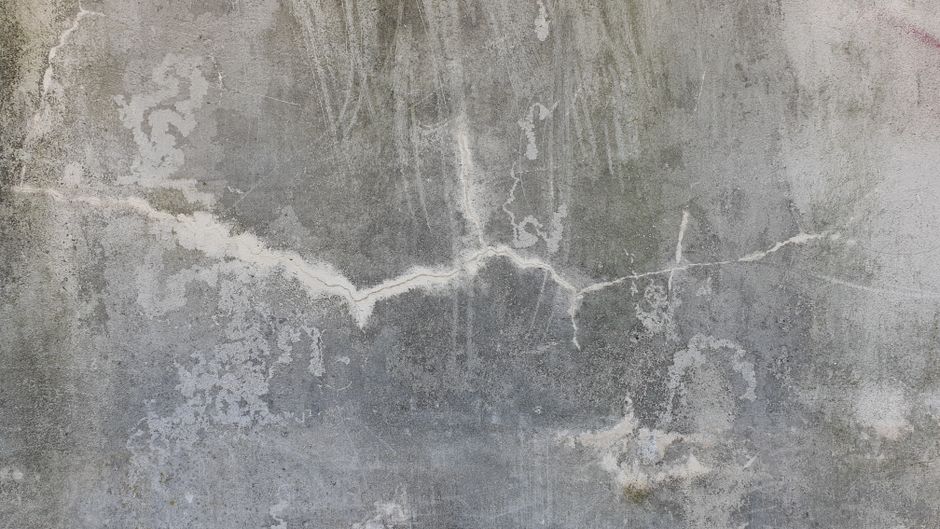
Not all cracks are structural. Fine hairline cracks that appear as the house settles are usually cosmetic. But horizontal or stair-step cracks in brickwork, large diagonal cracks extending from window or door corners, or cracks that widen over time can indicate movement in the foundation or load-bearing walls. Pay attention to cracks that are wider than about 5 millimetres or that appear on both sides of a wall. If you can see light through a crack from outside, it is a serious sign that needs immediate investigation by a building inspector.
Uneven Floors
Floors that slope, dip, or feel bouncy underfoot may indicate a problem with the subfloor, footings, or floor joists. Use a spirit level on your floor surface to check for obvious slopes. If a marble or ball rolls consistently to one corner, that is a clue. Uneven floors in a new home should not be dismissed as settling; they can point to structural elements that have moved or failed.
Warped or Sagging Ceilings
A ceiling that curves, dips, or appears wavy may be a sign of structural movement in the roof frame. Warped ceilings can also result from roof truss failure or water damage that has compromised the structural integrity. If you notice a low spot in the ceiling or see that the ceiling has separated from the wall, get it checked promptly.
Crumbling Concrete (Spalling)
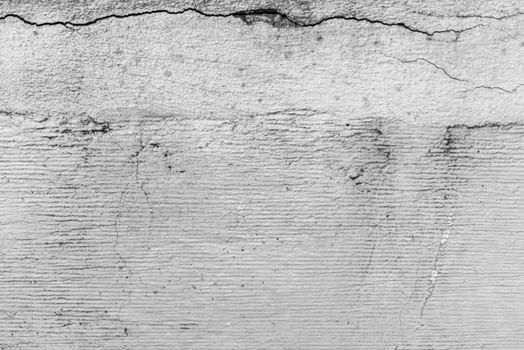
Spalling is the flaking, chipping, or crumbling of concrete, often seen in driveways, patios, or slabs. While some surface scaling may be cosmetic, deep spalling that exposes the reinforcement steel can be a structural defect. Corroded steel expands, causing further concrete damage and potentially compromising load-bearing capacity. Look for rust stains near cracks or exposed rebar.
Termite Damage
Termite damage is listed as a common structural defect in industry literature. Termites can eat away at timber framing, floor joists, and roof members. Signs include hollow-sounding wood, mud tubes on walls or foundations, and blistering paint that looks like water damage. In severe cases, termite infestation can weaken structural elements enough to cause collapse. Early discovery is essential to limit damage.
Major Structural Elements at Risk
Structural defects can affect any of the major building components. The following elements are commonly involved in major structural defects:
- Foundations and footings
- Floors, walls, beams, and joints
- Load-bearing slabs, piles, and braces
- Rafters, roof trusses, and plates
- Columns and fire safety systems
- Waterproofing (when failure leads to water penetration that affects structural performance)
A defect in any of these components that could cause collapse or render the building unusable is considered a major structural defect. For example, a badly designed footing that allows settlement can crack load-bearing walls and make the home unsafe.

What to Do If You Suspect a Structural Defect
If you notice any of the signs described above, act quickly. In Queensland, homeowners must lodge a complaint with the QBCC within 3 months of noticing a structural defect to be eligible to claim home warranty insurance. Non-structural defects have a longer window of 7 months. If you live outside Queensland, check your state’s building regulator for timeframes, as they may differ.
The first step is to arrange a building inspection by a qualified professional. A building consultant or a structural engineer can confirm whether the issue is structural or non-structural. They will compare the work with the relevant Australian Standards, the National Construction Code, and the builder’s approved plans. In New South Wales, for instance, expert witness reports and Scott Schedules are commonly used to document defects during NCAT proceedings or court cases.
If a structural defect is confirmed, you may need to issue a formal notice to the builder and negotiate repairs. In some cases, you might pursue litigation to recover costs. An expert witness report prepared by an independent building consultant can support your claim. For pre-purchase situations in Western Australia, a property purchase can only be cancelled if a major structural defect is found during a pre-purchase building inspection.
Documenting the Defect
Keep a record of everything: photographs, dates, written correspondence with the builder, and inspection reports. The QBCC publishes a Standards and Tolerances Guide that helps identify defective work. Ask your inspector to reference that guide or the relevant Australian Standards in their report. A well-documented defect is much easier to resolve, whether through informal negotiation or formal dispute resolution.
Minor Defects vs Structural Defects: Why It Matters
Minor building defects are cosmetic or functional imperfections that do not compromise the structural integrity of the building. They include issues like paint runs, chipped tiles, minor gaps in skirting boards, or doors that stick. While they may need rectification, they are not considered structural defects. The distinction matters not only for complaint timeframes but also for insurance claims and legal proceedings. A builder who refuses to fix a minor defect may be in breach of contract, but a structural defect raises serious safety and compliance issues that typically carry greater legal weight.
That said, minor defects can sometimes escalate. A small crack that appears cosmetic could widen over time due to ongoing movement. Regular monitoring and timely expert advice can prevent a small problem from turning into a major structural issue.

Frequently Asked Questions
How can I tell if a crack in my wall is structural or just cosmetic?
Look at the direction, width, and location. Hairline cracks under 2 mm, especially along drywall tape or in non-load-bearing walls, are often cosmetic. Horizontal, stair-step, or diagonal cracks wider than 5 mm, especially near door or window openings, are more likely structural. If the crack is visible on both sides of the wall or has displaced the surface, get it inspected.
Are water penetration issues always structural defects?
Water penetration that allows moisture to enter the building can be classified as a structural defect under some definitions, such as that of the Queensland Building and Construction Commission. However, not all water leaks are structural; a leaking pipe inside a wall might be a plumbing issue. If water entry compromises structural elements like timber frames or slab footings, it becomes a structural concern.
What should I do if my builder refuses to fix a structural defect?
First, document the defect and any communication with the builder. Then lodge a formal complaint with your state’s building regulator (such as the QBCC in Queensland or NSW Fair Trading in New South Wales) within the required timeframe. You may also need to engage an independent building consultant to prepare an expert report for legal action or NCAT proceedings. Legal advice is recommended.
Can a pre-purchase inspection detect all structural defects?
A pre-purchase building inspection can identify visible signs of structural defects, such as cracks, uneven floors, or termite damage. However, some defects may be hidden behind cladding or inside walls. In Western Australia, a property purchase can be cancelled only if a major structural defect is found during the inspection. For full peace of mind, you may need a specialised structural engineering inspection.
How long do I have to claim home warranty insurance for a structural defect?
Timeframes vary by state. In Queensland, homeowners must lodge a complaint with the QBCC within 3 months of noticing the structural defect to preserve the option to claim home warranty insurance. For non-structural defects, the period is 7 months. Other states have different limits, so check with your local building authority. Do not delay, as missing the window may leave you without coverage.
Being aware of the signs of structural defects helps you protect your investment and your family’s safety. If you see any of the warning signs described here, act quickly. A professional inspection and clear documentation are your best tools for resolving the issue, whether through negotiation with the builder or through formal dispute resolution channels.