
Signs of Structural Defects in New Homes: What to Look For
Cracks, movement and water damage in a new home deserve a careful assessment. Some defects affect finishes; others may affect the supporting structure or the safety and use of the building. This guide explains observations to record, when specialist advice may be needed and the next steps for NSW homeowners. A warning sign alone does not establish its cause or legal classification.
What Is a Structural Defect?
A structural assessment considers whether a defect affects the building’s ability to carry loads and remain stable. Relevant components can include footings, load-bearing walls, beams, columns and roof framing. The cause and significance require evidence about the actual construction and condition.
“Structural defect” and the NSW legal category “major defect” are not interchangeable. Major-defect provisions can involve waterproofing or fire-safety systems as well as load-bearing components, and the applicable statutory test must be satisfied. A technical description alone does not determine the available claim period or insurance cover.
Separate the Technical and Legal Questions
Keep these questions separate when briefing an assessor or obtaining legal advice:
| Question | Relevant evidence | What it helps establish |
|---|---|---|
| What is damaged? | Inspection records, photographs and measurements | The affected elements and extent |
| Why did it happen? | Construction details, history, testing and specialist investigation | Possible mechanisms and supported conclusions |
| Is structural performance affected? | Engineering assessment where needed | Safety, stability and appropriate action |
| Is it a statutory major defect? | The applicable law and evidence about cause and consequences | Legal classification; obtain advice for the particular claim |
| Is there insurance cover? | The policy, scheme conditions and claim circumstances | A separate coverage decision |
Common Signs of Structural Defects
The following observations can justify investigation. Their significance depends on the building, materials, history and associated symptoms; no single item is a complete diagnosis.
Cracks in Walls and Ceilings
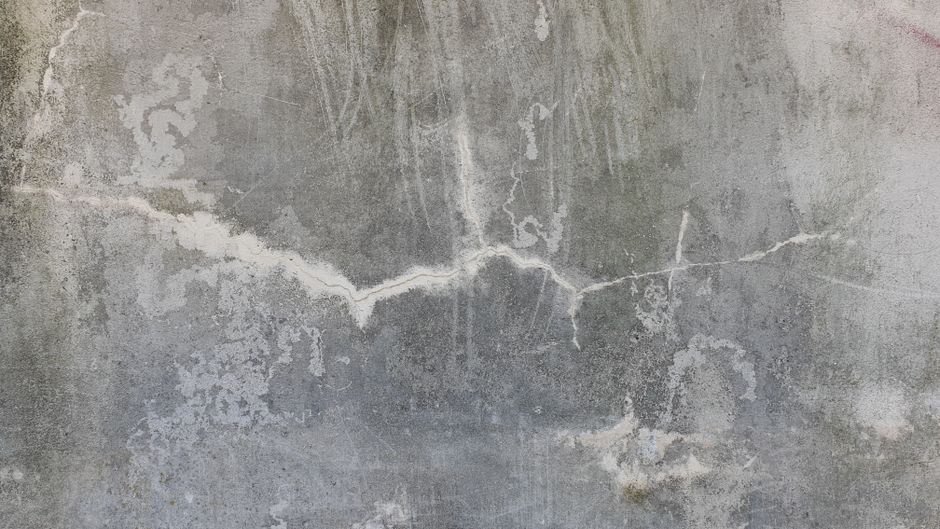
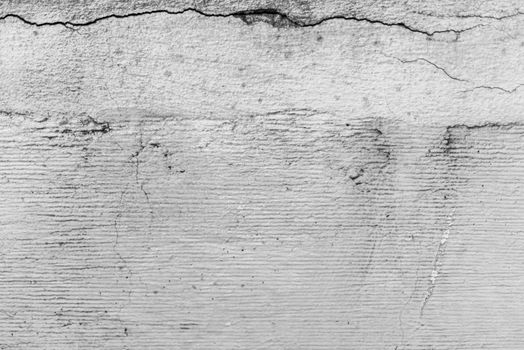
Record crack width, length, location, changes and any displacement. Cracking through masonry, corresponding damage inside and outside, or growth over time warrants attention. A narrow crack is not automatically harmless, and a width above a selected threshold does not by itself establish structural failure. Our hairline-crack guide explains what to record before assessment.
Uneven Floors
Sloping, dipping or unusually flexible floors should be considered with the construction type and other damage. A rolling ball is not a reliable structural test. A suitable practitioner can measure levels and investigate whether the issue relates to the finish, floor framing, footings or another cause. Keep clear if the floor appears unstable.
Warped or Sagging Ceilings
Sagging or dropping ceiling material, cracking sounds and lines of fixing blisters can indicate a risk of ceiling failure. Keep clear of affected areas and seek urgent assessment; do not enter the roof space or attempt to brace unstable material yourself. Ceiling lining failure is not necessarily roof-frame failure. The WA building regulator’s ceiling warning-sign guidance describes several possible mechanisms, including installation and moisture problems.
Crumbling Concrete (Spalling)
Spalling is the flaking, chipping, or crumbling of concrete, often seen in driveways, patios, or slabs. While some surface scaling may be cosmetic, deep spalling that exposes the reinforcement steel can be a structural defect. Corroded steel expands, causing further concrete damage and potentially compromising load-bearing capacity. Look for rust stains near cracks or exposed rebar.
Termite Damage
Termite damage may weaken timber members and warrants assessment by an appropriate pest professional, with structural advice where the load-bearing construction is affected. The presence of damage does not by itself establish defective original building work or responsibility for repair. Investigation should consider the extent of damage, protection measures and maintenance history.
Building Elements That May Need Investigation
The inspection scope should follow the observed symptoms and the construction. Potential areas include:
- Foundations and footings
- Load-bearing floors, walls, beams and their connections
- Load-bearing slabs, piles, and braces
- Rafters, roof trusses, and plates
- Columns and their supports
- Water entry and its effects on adjacent materials or supporting members
A defect in one of these areas is not automatically a legally defined major defect. Record what is known, what remains uncertain and which further investigations are needed. Waterproofing and fire-safety defects can also be significant without being described as structural movement.

What to Do If You Suspect a Structural Defect
Address safety first, then report concerns promptly to the builder in writing. Keep a dated record and ask for a response. For NSW work, use Building Commission NSW’s dispute process; Queensland complaint rules are not NSW time limits.
Engage a practitioner whose expertise matches the issue. A building consultant can document defects and define the investigation, while a structural or geotechnical engineer may be needed for structural performance or ground conditions. Assessment should identify the applicable plans, specifications, NCC provisions and standards for the work, with any limitations stated.
If the matter is disputed, obtain advice on the appropriate claim and evidence requirements. Notification to a builder or regulator should not be assumed to stop a legal time limit. NSW guidance on defect complaints explains the statutory-warranty framework and the need to commence proceedings in time. Have the relevant completion date and deadline checked for your circumstances.
Documenting the Defect
Retain dated photographs, measurements, plans, engineering details, inspection records and correspondence. Explain where each observation was made and what access was available. An expert opinion should identify its factual basis, assumptions and limitations. A general standards-and-tolerances guide should not be used as a substitute for the requirements applicable to the project.
Why Accurate Classification Matters
Cosmetic appearance, structural significance, statutory classification and insurance cover answer different questions. A sticking door may have several causes; a waterproofing defect may be serious without visible frame movement. Avoid assigning liability or a claim period from a symptom alone.
Use monitoring only where appropriate to the assessed circumstances, with clear review points. Growing damage or new safety concerns should prompt reassessment. Our report comparison guide explains how inspection findings may be developed into expert evidence for a dispute.

Frequently Asked Questions
How can I tell if a crack in my wall is structural or just cosmetic?
You cannot reliably decide from a photograph or width alone. Record the material, pattern, changes and associated symptoms, then seek assessment where the cause or safety is uncertain. The assessor may recommend further testing or engineering input.
Are water penetration issues always structural defects?
No. Water entry, damage to load-bearing construction and legal defect classifications are related but distinct questions. Record the entry path and affected materials, investigate the cause and obtain advice on the applicable requirements.
What should I do if my builder refuses to fix a structural defect?
Keep the defect record and the builder’s response. In NSW, seek help through Building Commission NSW and obtain advice on the correct proceedings and deadlines. A report should provide independent technical evidence, including findings that may not support your initial view.
Can a pre-purchase inspection detect all structural defects?
No. A visual inspection is limited by its agreed scope and accessible areas; concealed defects may remain undetected. Further specialist investigation may be needed. Rights to withdraw from a purchase depend on the contract and applicable law, so obtain conveyancing or legal advice before acting.
How long do I have to claim home warranty insurance for a structural defect?
NSW Home Building Compensation cover has its own eligibility, notification and claim conditions. Notify the insurer promptly about potential loss and check the applicable requirements. Do not treat a “structural” label as confirmation of cover or a deadline. SIRA explains the HBC claim and notification process.
Clear records and an appropriately scoped inspection help establish what has happened and what should happen next. Arrange assessment promptly where damage is progressing or safety is uncertain, and check the procedural requirements before commencing a dispute.

Related Posts
![Businessman in a suit analyzes a 3D building model on blueprints with a hard hat nearby and a crane in the background, conveying construction planning and law.]](https://awesim.com.au/wp-content/uploads/2026/10/2ba440c4-9d47-4802-adf1-8b6f241eb8ff-768x512.png "2ba440c4-9d47-4802-adf1-8b6f241eb8ff - Awesim Building Consultants")
Construction Claims Experts and Witness Reports
Last updated: 8 November 2026 A construction expert witness provides an independent opinion on technical questions in a building dispute.
Read More »
Building Inspection Reports and Expert Evidence
Updated October 29, 2026 You've received a building and inspection report and you're not sure what to do with it.
Read More »
Waterproof Membrane Failure: How Inspectors Find the Cause
Waterproof membrane failure is diagnosed by tracing the water entry point, reviewing design documents, exposing the membrane for visual inspection,
Read More »