

What Is a Scott Schedule?
A Scott Schedule is a table, often in spreadsheet form, that itemises each alleged defect or item in a building dispute. It presents side by side a description of the problem, the proposed rectification work, and the cost estimates from each party. The official Scott Schedule form used in the NSW Civil and Administrative Tribunal (NCAT) includes columns for an Item Number, the relevant Contract clause, the Applicant’s Comments, the Applicant’s Estimate of Loss, the Respondent’s Comments, the Respondent’s Estimate of Loss, and space for the Tribunal Member’s Comments.
Scott Schedules are commonly used in building defect matters in NCAT, the District Court of NSW, and the Supreme Court of NSW. Similar formats are also relied on in VCAT (Victoria) and QCAT (Queensland). While the core table structure remains much the same across jurisdictions, specific procedural rules can vary, so it pays to check the latest practice directions for your tribunal.
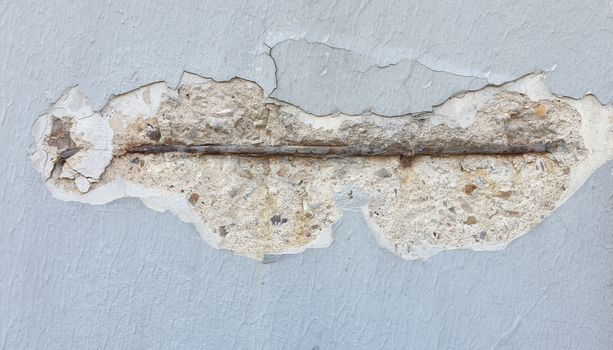
Why Proper Documentation of Defects Matters
Carefully documenting each defect before filling out a Scott Schedule brings several important benefits. It increases the possibility of settlement because both sides can see exactly what is in dispute. It helps parties identify areas of genuine agreement, and it often reveals items where the cost of fighting over a small defect would exceed the difference in estimated repair costs. A well prepared schedule also avoids confusion at the hearing and gives the decision maker a single convenient document to work through. For these reasons, a Scott Schedule is frequently required as part of evidence preparation in building defect claims in NCAT and is often a formal requirement under NCAT’s procedural directions.
Steps to Document Building Defects for a Scott Schedule
Step 1: Conduct a Thorough Building Inspection
Start with a comprehensive on-site inspection. Walk through every area of the property that might be affected by defective work. Take clear, well-lit photographs of each defect from multiple angles. Use a tape measure or laser measure to record dimensions where relevant, and note the location of each issue precisely (for example, “northwest corner of main bedroom ceiling”). The more detail you capture at this stage, the easier it will be to describe each item in the Scott Schedule.
Step 2: Itemise Each Defect Clearly
Once you have inspected the property, list every defect as a separate item. Give each item a unique number. Write a concise but complete description of the defect, what work was required under the contract (if known), and what the current condition looks like. If possible, separate defects that have different causes or require different repair methods, even if they are in the same room. The goal is to make each line in the schedule as clear as possible so that the other party and the tribunal member can understand exactly what is being claimed.
Step 3: Gather Supporting Quotes and Cost Estimates
For each defect, you need an estimate of the loss or the cost to rectify. Cost estimates in a Scott Schedule should be supported by formal quotes from licensed tradespeople, expert reports from a building consultant, or published guides such as Rawlinsons Cost Guide. If you are the applicant, collect at least one written quote for the rectification work. If you are the respondent, you must still complete your estimate of loss for each item even if you deny liability. The respondent’s estimate might be lower than the applicant’s or may show that the work can be done more efficiently. Having supported figures gives the tribunal a reliable basis for its decision.
Step 4: Complete the Scott Schedule Form Correctly
Using the official NCAT Scott Schedule form (or the equivalent form for your jurisdiction), transfer each defect into the appropriate columns. In the first column, enter the item number. In the Contract column, note any clause from the building contract that relates to the work. The Applicant’s Comments column should describe the defect and the proposed rectification. In the Applicant’s Estimate of Loss column, put the dollar amount from your quote or expert report. The respondent then fills in their comments and estimate of loss. The Tribunal Member’s Comments column is left empty at this stage.
Be precise with dollar figures. Round to the nearest dollar but avoid guesswork. If a single quote covers multiple defects, break the cost down across the relevant items. If you do not have a separate quote for every small defect, state the basis of your estimate (for example, “based on Rawlinsons Cost Guide section 14.3”).
Step 5: Exchange and Review the Schedule with the Other Party
Once both parties have completed their columns, the Scott Schedule is exchanged before the hearing. This exchange allows each side to see where they agree or disagree. It often prompts further discussion or negotiation, potentially leading to a settlement before the matter reaches the tribunal. If settlement does not occur, the completed schedule becomes the central document for the hearing. Both parties can refer to it when giving evidence, and the tribunal member will use it to record findings and orders.

Key Columns in an NCAT Scott Schedule
| Column | Purpose |
|---|---|
| Item Number | A sequential number for each alleged defect or item in dispute. |
| Contract | The specific clause or section of the building contract that relates to the work. |
| Applicant’s Comments | The applicant’s description of the defect and the work needed to fix it. |
| Applicant’s Estimate of Loss | The dollar amount the applicant claims it will cost to rectify the defect, supported by a quote or expert opinion. |
| Respondent’s Comments | The respondent’s response to the defect description (may include alternative explanation or denial of liability). |
| Respondent’s Estimate of Loss | The dollar amount the respondent estimates for rectification (must be filled in even if liability is denied). |
| Tribunal Member’s Comments | Reserved for the tribunal member to record findings, orders, or observations during or after the hearing. |
Frequently Asked Questions
Do I need a lawyer or an expert to prepare a Scott Schedule?
No, the schedule can be prepared by the parties themselves. However, many homeowners and builders choose to engage a building consultant or cost specialist to ensure the descriptions are accurate and the cost estimates are properly supported. In NCAT and other tribunals, an expert report often accompanies the schedule to back up the figures.
What if I do not have quotes for every defect?
You can still include an estimate based on a recognised cost guide such as Rawlinsons Cost Guide. Make sure you note in the comments column which guide you are relying on and specify the section or page. For larger or more complex defects, a formal quote from a tradesperson is stronger evidence.
Is a Scott Schedule mandatory in all building dispute proceedings?
A Scott Schedule is often required as part of evidence preparation in NCAT building defect claims, particularly when procedural directions are issued. It is not automatically required in every building case across Australia, but it is very common in NCAT, the District Court of NSW, and the Supreme Court of NSW. Check the practice notes for your specific tribunal or court.
What happens if the respondent refuses to fill in the Scott Schedule?
The tribunal may make directions compelling the respondent to complete at least the estimate of loss column. Even if liability is denied, the instructions on the official NCAT form state that the respondent must still provide an estimate. If a party fails to comply with directions, the tribunal can make orders that may affect that party’s case.
Documenting building defects for a Scott Schedule does not have to be overwhelming. By inspecting the property carefully, itemising each defect, obtaining reliable cost estimates, and filling out the form with precision, you give yourself the best chance of a clear and efficient dispute resolution process. Whether you are a homeowner, builder, or legal professional, a well prepared Scott Schedule is one of the most effective tools for dealing with building defects in Australian tribunals and courts.