
Waterproofing Defects: Common Issues and Repair Solutions
Why Waterproofing Defects Deserve Your Attention
Waterproofing might account for just 2 to 3 percent of a building’s total construction costs, yet poor waterproofing can cause up to 80 percent of a building’s defects. This disproportionate impact makes waterproofing defects one of the most costly and disruptive problems in Australian construction. Leaks, cracks, mould, and structural issues such as concrete cancer can all trace back to waterproofing that was not installed correctly or failed prematurely.
Research from the NSW Building Commissioner, released in September 2021, found that waterproofing is the most common serious defect in class 2 residential apartment buildings. Across all class 2 buildings surveyed, waterproofing defects accounted for 23 percent of serious defects, followed by fire safety systems at 14 percent, structural issues at 9 percent, and enclosure problems at 9 percent. The survey also revealed that 39 percent of strata buildings had experienced at least one serious defect in common property, and of those buildings, more than half (63 percent) included waterproofing as one of the defects.
Waterproofing defects are not limited to new builds. They can appear in buildings of any age and are often difficult to diagnose because water can travel far from the original source of failure. Left unaddressed, these defects can cause significant damage and disruption to tenants, building users, and property owners.
Most Common Waterproofing Defects Found in Australian Buildings
Inspections by regulators and building consultants have identified several recurring waterproofing issues. Understanding these common defects is the first step toward effective prevention and repair.
Incorrect Membrane Application
The Queensland Building and Construction Commission (QBCC) reports that incorrect waterproofing membrane application is one of the most frequent issues found during inspections. Liquid membranes, in particular, are highly sensitive to application technique. Problems arise when the membrane is applied at inconsistent thicknesses, over substrates that are not properly prepared, or in weather conditions that compromise curing. According to one industry manufacturer, liquid membranes are the primary source of failure in waterproofing defects and have cost builders substantial sums in rectification work.
Unsealed Tap Fixtures and Junctions
Another common defect identified by the QBCC is unsealed tap fixtures and unreinforced junctions. Penetrations through the waterproofing layer, such as pipe entries, tap fittings, and drain connections, create natural weak points. If these are not properly sealed, water can seep behind tiles and into the building structure. Junctions between walls and floors also require reinforcement to prevent cracking and delamination of the membrane over time.
Balcony, Planter Box and Roof Garden Leaks
In strata buildings, balcony leaks, planter boxes, and roof gardens are among the most frequently reported waterproofing defects, according to findings from the NSW Building Commissioner’s research. These areas are exposed to weather and often have complex drainage requirements. Waterproofing failure in these locations can lead to water ingress into units below, damaging ceilings, walls, and carpets, and creating conditions for mould growth.
Efflorescence and Concrete Cancer
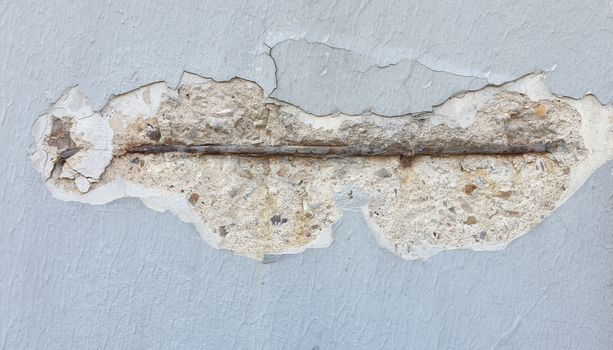
Efflorescence a white, powdery deposit on concrete or masonry surfaces is a telltale sign that water is moving through the building fabric. Over time, persistent moisture can lead to concrete cancer, where chemical reactions cause the concrete to crack and spall. Concrete cancer is a structural defect that is expensive to repair and can compromise the safety of the building.
What Leads to Waterproofing Failure?
Waterproofing defects rarely have a single cause. Most failures result from a combination of design flaws, poor workmanship, unsuitable materials, or inadequate site conditions.
Inconsistent Application Thickness
Liquid-applied membranes require precise application to achieve the specified dry-film thickness. If the applicator applies too thin a coat in some areas or too thick in others, the membrane may not cure correctly or may be prone to pinholes. Unlike factory-manufactured sheet membranes, liquid membranes depend heavily on the skill of the installer. Inconsistent thickness is one of the primary reasons liquid membranes fail, according to manufacturer guidance.
Substrate Moisture Problems
Waterproofing membranes are only as good as the surface they are applied to. If the concrete or screed substrate contains excess moisture at the time of application, the membrane may not bond properly. This can cause blistering, delamination, or failure of the membrane within months of installation. Some preformed sheet membranes are not affected by substrate moisture in the same way, which is one reason they are sometimes specified for demanding applications.
Structural Movement
Buildings move over time due to settlement, thermal expansion, and live loads. A waterproofing membrane that cannot accommodate this movement without tearing or thinning will fail. Liquid membranes are particularly susceptible to tearing under stress, while factory-manufactured PVC membranes are designed to resist tearing and accommodate movement more effectively. This difference is a key consideration when selecting a waterproofing system for areas prone to structural movement.
Repair Solutions for Waterproofing Defects
Repairing a waterproofing defect is rarely as simple as patching the visible leak. Because water can travel laterally through building materials, the point of entry may be some distance from where the water appears. A systematic approach to diagnosis and repair is essential.
Identifying the Source of the Leak
Before any repair can begin, the source of the water entry must be located. This often requires non-destructive testing such as flood testing of wet areas, thermal imaging to detect moisture patterns, or moisture metres to map dampness in building materials. Engaging a building consultant or specialist waterproofing inspector is recommended to ensure an accurate diagnosis.
Membrane Replacement and Repairs
For localised defects, selective removal of tiles and substrate may allow the membrane to be patched and resealed. However, in many cases the extent of the failure is widespread, and complete replacement of the waterproofing system is more reliable than patch repairs. This is particularly true for liquid membranes that have failed due to inconsistent thickness or poor adhesion. When replacing a failed membrane, careful attention must be paid to substrate preparation, drainage fall, and sealing of penetrations.
Addressing Structural Issues
If waterproofing failure has led to concrete cancer or other structural damage, the repairs must address both the water ingress and the structural deterioration. This may involve removing and replacing spalled concrete, applying corrosion inhibitors to reinforcing steel, and reinstating the waterproofing system in accordance with current standards. In strata buildings, these repairs often require coordination with the owners corporation and may involve significant disruption to residents.
What Are the Costs Involved?
The financial implications of waterproofing defects can be severe. Each residential bathroom claim finalised under the Queensland Home Warranty Scheme during the 2024-25 financial year averaged almost $25,000 in rectification costs. Nationally, one industry source estimates that defective waterproofing has cost builders more than $500 million in damages for defective building work, though this figure is not independently verified by official data.
Beyond direct repair costs, water damage can lead to loss of rental income, decreased property values, and legal fees if disputes escalate to NCAT or court proceedings. Every waterproofing defect claim carries significant financial and relationship risks that should be carefully evaluated before proceeding.
Proposed Changes in NCC 2025
The National Construction Code (NCC) 2025 includes proposed amendments aimed at reducing waterproofing defects. These proposed changes include mandatory slopes on horizontal surfaces, requirements for the membrane to be applied directly to the structural substrate rather than on top of screeds, and clearer compliance pathways for waterproofing systems. While these amendments are not yet finalised or in effect, they signal a regulatory shift toward more prescriptive waterproofing requirements that could help improve industry standards.
In the meantime, since September 2020, NSW Fair Trading has been auditing all class 2 buildings. In a full year of Occupation Certificate Audits, the incidence of waterproofing defects was 29 percent lower than in the Building Commissioner’s earlier research, suggesting that increased oversight is having a positive effect on construction quality.
Frequently Asked Questions
What are the first signs of a waterproofing defect?
The most common early signs include water stains on ceilings or walls, musty odours, visible mould or mildew, cracked tiles or grout, and peeling paint. Efflorescence a white powdery residue on concrete or masonry is another indicator that moisture is moving through the building fabric and that waterproofing may have failed.
Are waterproofing defects covered by home warranty schemes?
Coverage varies by state and scheme. In Queensland, bathroom waterproofing claims under the Home Warranty Scheme averaged almost $25,000 in rectification costs during the 2024-25 financial year. Homeowners should check their specific state scheme and policy terms, and consider seeking legal or building advice before lodging a claim.
How long should waterproofing last in a new building?
There is no single standard lifespan for waterproofing systems, as durability depends on the type of membrane used, quality of installation, and exposure conditions. Industry expectations generally range from 10 to 25 years for internal wet areas. Regular inspections and maintenance can help extend the life of a waterproofing system and identify problems early.
What should I do if I suspect a waterproofing defect?
Document the signs of water damage with photographs and notes. Engage a qualified building consultant or waterproofing specialist to inspect the area and identify the source of the leak. If the building is still under warranty, notify the builder in writing. For strata properties, contact the owners corporation or strata manager to discuss next steps and potential insurance claims.

Related Posts

Schedule of Rates in Construction: How Disputes Arise in NSW
A Schedule of Rates contract prices construction work by unit rates applied to measured quantities, so the final cost varies
Read More »
NCAT Consumer Division: Steps From Lodgement to Hearing
Most people who end up at the NCAT Consumer and Commercial Division do not arrive there by choice. They arrive
Read More »
Statutory Warranty NSW: What Builders Must Fix and for How Long
Statutory warranty NSW obligations exist precisely for the moment a builder stops returning calls. A crack appears in the render.
Read More »