
How to Prepare for an Expert Witness Inspection in NSW

If you are involved in a building dispute in New South Wales, the outcome often hinges on independent technical evidence. An expert witness inspection and the report that follows can become the central piece of evidence in your case, whether you are dealing with defective work, incomplete construction, or a structural failure. Knowing how to prepare for this inspection helps the process run smoothly and ensures the expert can gather the information needed to produce a thorough, impartial report.
This guide covers what an expert witness inspection involves, how to organise your property and documents beforehand, and what you can expect from the final report when the matter proceeds to the NSW Civil and Administrative Tribunal (NCAT).
What Is an Expert Witness Inspection?
An expert witness inspection is a physical site visit carried out by a qualified building consultant who has been engaged to provide independent technical evidence in a dispute. During the inspection, the expert examines the property, photographs relevant areas, takes measurements, and records observations about any alleged defects or incomplete works. The purpose is to collect objective evidence that can later be presented in a formal report to NCAT or a court.
In NSW, expert witness inspection reports prepared for NCAT typically include a Scott Schedule, cost estimates for rectification, the inspector’s resume, and a professional witness declaration. The report must be written and impartial, and the expert’s opinion must be based solely on their findings during the inspection and any supporting documentation provided.
Why You Might Need an Expert Witness Inspection
Building disputes arise for many reasons. Common scenarios that lead to an expert witness inspection include:
- Alleged building defects such as cracking, water intrusion, or structural issues
- Incomplete or unsatisfactory work under a building contract
- Disagreements over the quality of materials or workmanship
- Structural failures that require an engineering assessment
- Disputes about payment claims where the value of completed work is contested
An independent expert witness inspection provides the tribunal or court with a factual, unbiased record of the property’s condition. This evidence helps decision-makers understand the technical aspects of the dispute and determine the appropriate outcome, including the cost of any necessary rectification.

How to Prepare for the Inspection
Preparation is straightforward but important. Following these steps before the expert arrives can save time and help the inspection cover all relevant issues.
Gather Your Documents
The expert will find it helpful to review key documents before or during the inspection. These may include the building contract, plans and specifications, any previous inspection reports, photographs of the disputed areas, and correspondence between the parties. Having these documents ready allows the expert to cross-reference their observations against what was agreed or specified.
If you have already filed a claim with NCAT or are in the early stages of a dispute, provide copies of any pleadings or points of claim so the expert understands the specific allegations being made.
Identify the Issues in Dispute
Make a list of the areas or items you believe are defective or incomplete. While the expert will conduct a thorough inspection on their own, your input helps ensure nothing is overlooked. Walk through the property before the inspection and note any concerns, even if they seem minor. The expert will assess each issue and determine whether it represents a genuine defect or incomplete work that requires rectification.
It is also useful to let the expert know about any history of repairs or maintenance that has been carried out, as this can affect the assessment of a defect.
Ensure Safe Access to the Property
The expert needs to access all areas relevant to the dispute. This includes the interior and exterior of the building, the roof if necessary, any basements or crawl spaces, and the surrounding grounds. Ensure the property is safe to enter, with no trip hazards or unstable structures that could pose a risk. If access to certain areas requires ladders or special equipment, let the expert know in advance so they can bring the right gear.
If the property is tenanted, arrange for the tenant to be informed about the inspection and grant access. If there are pets, secure them during the visit to avoid distractions or safety issues.
What an Expert Witness Inspection Covers
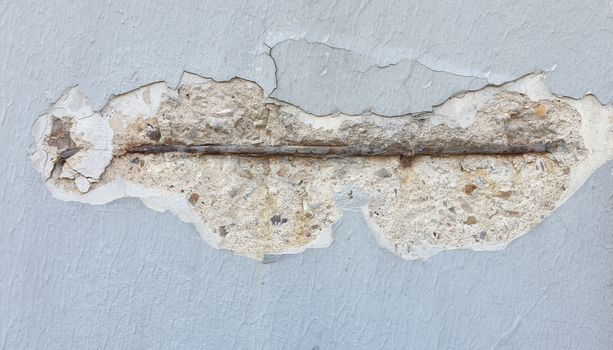
The scope of the inspection depends on the nature of the dispute. In most cases, the expert will examine the building for defects, incomplete works, and structural failures. They will look at the condition of finishes, the integrity of structural elements, the performance of waterproofing and drainage systems, and compliance with the relevant Australian Standards and the Building Code of Australia.
The expert will take photographs of every area of concern and record detailed notes about the location, extent, and likely cause of each issue. Where possible, they may take measurements or use non-destructive testing methods to confirm their observations. The goal is to gather enough evidence to form an opinion about the cause of the problem and the cost of putting it right.
In many matters, the expert witness inspection also covers an assessment of the building contract and whether the completed work matches what was agreed. This is particularly relevant in disputes about incomplete works or payment claims.
Understanding the Expert Witness Report
After the inspection, the expert prepares a written report that complies with the requirements of NCAT or the relevant court. The report sets out the expert’s findings, opinions, and recommendations in a clear, structured format. It is important to understand the key components of this report so you know what to expect and how to use it in your case.
The Scott Schedule
A Scott Schedule is a table that summarises each alleged defect or item of incomplete work, along with the expert’s assessment and the estimated cost of rectification. In NSW and Victoria, a Scott Schedule is commonly required in expert witness reports for tribunal matters. It provides a simple way for the parties and the tribunal to compare positions and identify areas of agreement or disagreement.
The Scott Schedule typically lists each item, describes the defect, states the expert’s opinion on the cause and the required rectification, and gives a cost estimate. If the other party also provides a Scott Schedule, the tribunal can compare the two and make a decision on each item.
Cost Estimates
Rectification cost estimates are a standard part of an expert witness report. The expert calculates the cost of repairing or completing each defective or incomplete item based on current market rates for materials and labour in NSW. These estimates help the tribunal determine the financial compensation, if any, that should be awarded.
Cost estimates are not fixed quotes from a builder. They are the expert’s professional opinion of the likely cost based on the scope of work required. The actual cost may vary depending on the builder chosen and the specific circumstances of the rectification.
Inspector Resume and Declaration
To demonstrate the expert’s qualifications and experience, the report includes a resume or curriculum vitae. This shows the tribunal that the expert has the necessary background to provide an informed opinion on the matters in dispute. The report also includes a professional witness declaration, in which the expert confirms that they have read the relevant guidelines and that their report is impartial and based on their own findings.
The declaration is an important part of the report. It confirms that the expert understands their duty to the tribunal and has not been influenced by either party in forming their opinions.

The Role of NCAT in Building Disputes
Most building disputes in New South Wales are heard in the NSW Civil and Administrative Tribunal (NCAT). NCAT has specific requirements for expert evidence, and an expert witness report prepared for an NCAT hearing must comply with those requirements to be admitted as evidence.
Expert reports for NCAT must be written, impartial, and based on the expert’s own inspection and assessment. The expert must provide an opinion that is independent and not influenced by the party who engaged them. The report must also include the Scott Schedule, cost estimates, the inspector’s resume, and the professional witness declaration, as mentioned above.
Other Australian states have similar tribunals with their own rules. Victoria uses the Victorian Civil and Administrative Tribunal (VCAT), and Western Australia uses the State Administrative Tribunal (SAT). Each tribunal has specific practice notes and guidelines that govern the preparation and presentation of expert evidence. If your dispute is in another state, it is important to check the requirements of the relevant tribunal before commissioning an expert witness report.
For matters in NSW, engaging an experienced building consultant who understands NCAT’s requirements gives you the best chance of having your expert evidence accepted and given proper weight by the tribunal.
Frequently Asked Questions
How long does an expert witness inspection take?
The duration depends on the size and complexity of the property and the number of issues in dispute. A typical inspection for a residential property may take one to two hours. Larger or more complex commercial properties, or those with multiple defects, may require additional time. The expert will advise you of the expected duration when the inspection is scheduled.
Do I need to be present during the expert witness inspection?
It is recommended that the party who engaged the expert, or their representative, be present during the inspection. This allows you to point out specific areas of concern and answer any questions the expert may have about the history of the property or the dispute. If you cannot attend, you can authorise someone else to accompany the expert.
Can the other party attend the inspection?
In most cases, both parties are given the opportunity to attend the inspection or to send a representative. The expert acts as an independent witness, so it is common for the other side to be present to observe the process and ensure fairness. The expert will conduct the inspection in the same way regardless of who is present.
What if the expert finds issues I did not mention?
It is not uncommon for an expert to identify defects or issues that were not on your original list. The expert’s role is to assess the property objectively and report on all relevant matters, not just those you have raised. Any additional findings will be included in the report and may strengthen your case or reveal issues that need to be addressed.
Is an expert witness report admissible in court as well as NCAT?
Yes, expert witness reports prepared in compliance with NCAT requirements are generally also admissible in court proceedings, although the specific rules may differ. If your matter is likely to be heard in a court rather than a tribunal, you should confirm the applicable evidence rules with your solicitor or the expert before the report is prepared.

Related Posts

Water Damage in Homes: How to Track Down the Source
Water damage in a home rarely announces itself at the source. A stain on the ceiling, a musty smell in
Read More »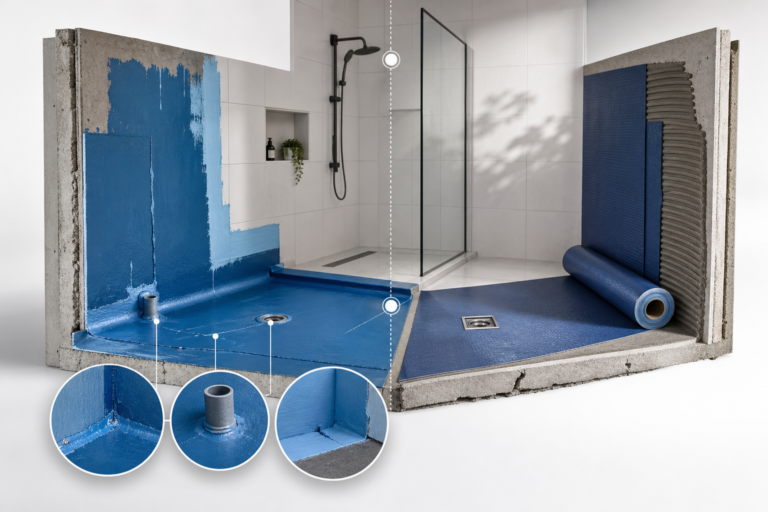
Waterproofing Membrane Types: Which Fails Most in NSW Bathrooms
Waterproofing failure is the single most common serious defect found in NSW apartments, and the type of membrane used, along
Read More »
Building Certifier NSW: Role, Limits, and When You Need More
A building certifier in NSW is a registered professional who issues construction certificates, conducts critical stage inspections, and grants occupation
Read More »