
Expert Witness Reports NSW: Essential Guidance for Building Disputes
If you are involved in a building dispute in New South Wales, whether as a homeowner, builder, or legal professional, understanding the role of expert evidence is vital. An expert witness report is often central to resolving disagreements over building defects, incomplete works, or payment claims. These reports provide the court or tribunal with an independent, specialised opinion that can clarify complex technical issues.
This article outlines what constitutes a valid expert witness report in NSW, the legal duties of the expert, and how these reports are used in proceedings such as those in the NSW Civil and Administrative Tribunal (NCAT) and the Land and Environment Court (LEC).
What is an Expert Witness Report?
An expert witness report is a formal written statement prepared by a qualified expert who has specialised knowledge in a particular field relevant to a legal matter. In the context of building disputes, this expertise may cover construction, engineering, building defects, or asbestos management. In New South Wales, these reports are commonly used in civil proceedings, including disputes heard in the Land and Environment Court and NCAT. The evidence given may be of facts or opinions by experts, and it can be presented orally or in writing, such as in an affidavit, witness statement, or expert report.
The Role of an Expert Witness in NSW Proceedings
The role of an expert witness is to provide relevant and impartial evidence in their area of expertise. An expert witness has an overriding duty to assist the Court impartially on matters relevant to the expert witness’s area of expertise. This duty overrides any obligation the expert may have to the person instructing them or paying them. This principle is central to the administration of justice in NSW and is strictly enforced by the courts and tribunals.
Expert Witness Code of Conduct
An expert witness must comply with the code of conduct in Schedule 7 to the Uniform Civil Procedure Rules 2005 (UCPR). An expert’s report and oral evidence may not be received in evidence unless the expert acknowledges that he or she has read the code of conduct and agrees to be bound by it. The Expert Witness Code of Conduct is a court document that guides you on your role in giving an expert opinion. If you are engaging an expert for NSW proceedings, ensure they receive a copy of the revised code and comply with its requirements. Failure to comply can result in the expert’s evidence being rejected.
When are Expert Witness Reports Needed for Building Disputes?
Expert witness reports are frequently required in building disputes to establish the facts of a case. In NSW, building disputes commonly arise from defective workmanship, incomplete work, or disagreements over the value of work performed (quantum meruit). These matters are often heard in NCAT’s Home Building Division or the Land and Environment Court. Whether you are a homeowner seeking redress for faulty building work or a builder defending a claim, an expert report provides the technical foundation needed to argue your position effectively.
Complex commercial litigation and personal injury cases are alike in one respect: they both require help from the experts. In building cases, an expert can inspect the site, identify defects, determine their cause, and recommend rectification methods. Their report translates complex technical observations into clear evidence that can be understood by a judge or tribunal member.
What Should a Valid Expert Witness Report Include?
For an expert witness report to be accepted as evidence in NSW proceedings, it must meet specific content requirements. A valid expert witness report in NSW should include the expert’s qualifications, a clear explanation of their opinion, and the facts or assumptions upon which that opinion is based. The Land and Environment Court Joint Expert Reports Policy provides that an expert report should generally engage with the matters the experts are required to address and any relevant issues in dispute.
Reports should be comprehensive but focused. They must avoid advocating for the party that engaged the expert, instead offering an independent assessment. Gathering evidence for an expert report is a meticulous process that involves reviewing documents, inspecting property, and applying specialised knowledge to the facts of the case.

The Process of Preparing an Expert Report
Preparing an expert witness report for a building dispute in NSW is a structured process. The expert must first be provided with all relevant documents, including contracts, plans, correspondence, and any previous reports. The expert then conducts a physical inspection of the subject property to identify defects or assess the work performed. Gathering evidence for an expert report involves carefully documenting observations, often with photographs and measurements, and applying specialised knowledge to analyse the facts.
Once the analysis is complete, the expert drafts the report, ensuring it complies with the Expert Witness Code of Conduct and addresses the specific questions in the parties’ agreed list of issues or the orders made by the court or tribunal. The final report is signed and includes an acknowledgement that the expert has read the code and understands their overriding duty to the court.
Using Expert Evidence in the Land and Environment Court
The Land and Environment Court of NSW has specific policies regarding expert evidence. The LEC Joint Expert Reports Policy provides that an expert report should generally engage with the matters the experts are required to address. Evidence at a hearing may be given by witnesses in writing, such as in an expert report, or orally. The court often encourages concurrent expert evidence, where experts discuss their opinions in the presence of the judge, to narrow the issues in dispute.
For payment disputes, an expert report may address quantum meruit claims, providing an opinion on the reasonable value of work performed. This requires a detailed analysis of the work done and the applicable market rates, forming an independent assessment of what is fair in the circumstances.

How an Expert Witness Report Can Strengthen Your Case
Having a well-prepared expert witness report can significantly influence the outcome of your building dispute. It provides a clear, authoritative statement of the technical merits of your case. For homeowners, it can demonstrate the extent of defective work and the cost of rectification. For builders, it can show that work was completed to the required standard or that variations justify additional payment.
In NCAT and court proceedings, the expert’s evidence carries weight because it is given by someone with specialised knowledge who is bound by a duty to the court. A strong, impartial report can encourage settlement before a hearing, saving time and legal costs. If the matter does proceed to a hearing, the report serves as the foundation for the expert’s oral evidence.
Frequently Asked Questions
What is the Expert Witness Code of Conduct in NSW?
The Expert Witness Code of Conduct is set out in Schedule 7 to the Uniform Civil Procedure Rules 2005. It requires an expert witness to provide impartial assistance to the court. An expert must read and acknowledge the code before their report or oral evidence can be received in proceedings.
Can an expert witness report be used in NCAT?
Yes, expert witness reports are commonly used in NCAT for building disputes. NCAT expert witness reports are formal, independent reports prepared by qualified building consultants. They assist the Tribunal in reaching a fair decision and are subject to the same duties of impartiality required by the courts.
What happens if an expert witness does not follow the Code of Conduct?
If an expert witness does not comply with the Expert Witness Code of Conduct, their report or oral evidence may not be received in evidence by the court. This can severely weaken a party’s case, as the technical opinion they rely on may be excluded.
What should an expert witness report include for a building dispute?
A valid expert witness report should include the expert’s qualifications, a clear explanation of their opinion, and the facts or assumptions on which that opinion is based. It must also contain an acknowledgement that the expert has read and agrees to be bound by the Expert Witness Code of Conduct.
If you have a building dispute in NSW and require expert assistance, consulting a qualified building consultant who understands the legal framework is a practical first step. A properly prepared expert witness report can provide the clarity needed to resolve your matter effectively.

Related Posts
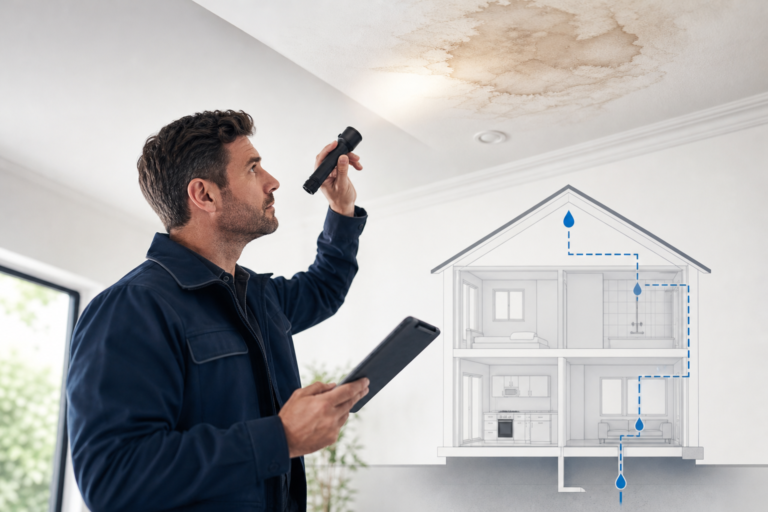
Water Damage in Homes: How to Track Down the Source
Water damage in a home rarely announces itself at the source. A stain on the ceiling, a musty smell in
Read More »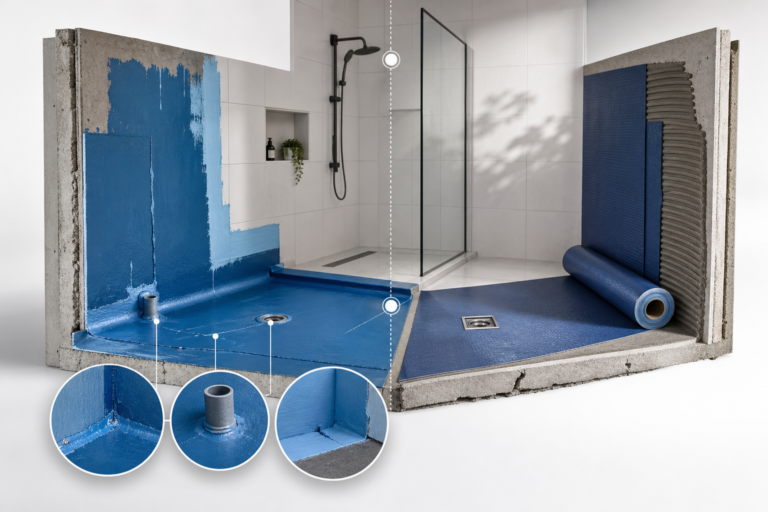
Waterproofing Membrane Types: Which Fails Most in NSW Bathrooms
Waterproofing failure is the single most common serious defect found in NSW apartments, and the type of membrane used, along
Read More »
Building Certifier NSW: Role, Limits, and When You Need More
A building certifier in NSW is a registered professional who issues construction certificates, conducts critical stage inspections, and grants occupation
Read More »