Discovering that your builder has stopped work and gone silent is a stressful experience for any homeowner. Builder abandonment occurs when a builder stops work without contact, has no intention to return, and has no valid legal grounds for suspension under NSW law. This situation leaves you with incomplete work, financial losses, and a lot of uncertainty. The good news is that you have legal rights and clear steps you can take to protect yourself and your investment. This article explains what to do if your builder abandons the job in NSW, from first actions to insurance claims and legal remedies.
What Counts as Builder Abandonment in NSW?
Not every delay or disagreement equals abandonment. Under the HIA NSW Lump Sum Contract and general contract law, a builder abandons the project when they stop work, become uncontactable, and show no intention to return. A valid reason for pausing work, such as a payment dispute or a genuine materials delay, does not count as abandonment. However, if the builder walks off the site and ignores your attempts to reach them, you are likely dealing with abandonment. Common signs include unreturned calls and emails, the site left unattended for weeks, and subcontractors complaining about non-payment.
If you are in this situation, it is important to act promptly. The longer the site sits idle, the greater the risk of weather damage, theft, and further costs. Understanding your contractual rights under the HIA NSW Lump Sum Contract is essential to protecting your interests and securing proper remedies.
Immediate Steps to Take When Your Builder Stops Work
When you realise the builder has abandoned the job, follow these steps in order. They will help you gather the evidence you need for legal and insurance claims.
1. Speak to the builder
Before assuming the worst, try to make contact. Send a written request via email or registered post asking for an explanation and a timeline for returning to work. Sometimes a builder may be dealing with a personal crisis or a cash flow issue and can be brought back to the table. If they do not respond within a reasonable period, that itself becomes evidence of abandonment.
2. Collate all documentation and correspondence
Gather every piece of paper related to the project. This includes the signed building contract, all variations, payment receipts, emails, text messages, site photos, and any diary notes of conversations. If subcontractors or suppliers contact you about unpaid bills, keep a record of those conversations too. Builders who abandon projects often trigger claims from unpaid subcontractors and suppliers for work performed or materials supplied before abandonment. This documentation will be vital when you seek legal advice or make an insurance claim.
3. Review the contract
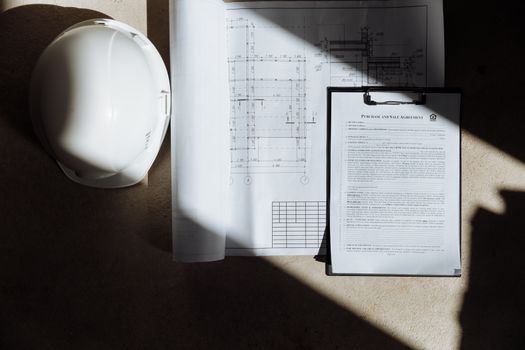
Read your building contract carefully. Look for clauses about termination, suspension of work, and dispute resolution. The HIA NSW Lump Sum Contract, for example, sets out specific rights for both parties if work is abandoned. Understanding these clauses helps you know whether you can terminate the contract, and what notice you need to give. If you are unsure, a building consultant or construction lawyer can help you interpret the terms.
4. Seek legal advice
Do not try to handle this alone. A solicitor who specialises in building disputes in NSW can advise you on your options, including how to terminate the contract properly and pursue compensation. They can also help you understand your obligations to mitigate losses, such as securing the site and preventing further damage.
Legal Remedies for Builder Abandonment
Once you have documented the abandonment and taken initial steps, you have several legal options. The right choice depends on the value of the incomplete work, the builder’s financial situation, and the terms of your contract.
Terminating the Contract
If the builder has abandoned the job, you may be entitled to terminate the contract at common law or under a specific clause in your agreement. Termination ends the builder’s right to be on site and allows you to engage another builder to finish the work. However, you must follow the correct process. A wrongful termination could expose you to a claim for damages by the builder. Always get legal advice before sending a termination notice.
Lodging a Non-Completion Claim
If a contractor has failed to complete all work under a contract for residential construction work, you can lodge a non-completion claim with the relevant authority. In NSW, the NSW Civil and Administrative Tribunal (NCAT) handles most residential building disputes. A non-completion claim asks the tribunal to order the builder to pay damages or to return the site to you in a condition that allows another builder to finish. You will need to prove the builder breached the contract by abandoning the work.
Claims Against the Builder’s Insurance
If the builder is no longer operating, has died, or gone bankrupt, you may be eligible to make a claim under Domestic Building Insurance (DBI), also known as home building compensation cover. This insurance protects homeowners if the builder dies, disappears, or becomes insolvent. To succeed, you will need to substantiate the builder’s status. This usually means providing evidence that the builder’s licence has been cancelled, the company is in liquidation, or the builder cannot be contacted. The claim typically covers the cost of completing the unfinished work, up to the policy limit.
Check your contract and insurance certificates to see if DBI was taken out for your project. If not, you may still have other avenues, such as a claim against the builder’s public liability or professional indemnity insurance, but these are less common for abandonment.
What Happens When Unpaid Subcontractors and Suppliers Get Involved?
One of the most stressful consequences of builder abandonment is the arrival of claims from subcontractors and suppliers who were not paid by the builder. Under NSW law, subcontractors and suppliers can lodge a payment claim against the landowner if they have not been paid for work or materials provided to the project. This is possible even if you have already paid the builder in full. This area of law is complex and depends on the specific facts, such as whether the subcontractor issued a warning of non-payment before starting work.
If you receive a claim from an unpaid subcontractor, do not ignore it. Seek legal advice immediately. You may need to pay the subcontractor to avoid a lien on your property, and then recover that amount from the builder through a legal claim. This is why keeping records of all payments to the builder and any communications from subcontractors is so important.
The Role of a Building Consultant and Expert Witness
When a building dispute escalates to NCAT or court, you will often need expert evidence to prove your case. A building consultant can inspect the site, assess the completeness and quality of the work, and prepare a detailed report. This report is called an expert witness report, and it can cover issues such as:
- What work has been completed and what is incomplete
- The cost to finish the project to the required standard
- Whether any defective work exists and what it would cost to rectify it
- A Scott Schedule that lists each item of dispute with estimated costs
Expert witness reports are prepared in accordance with the rules of NCAT and the court. They must be impartial and based on the facts. An experienced building consultant can give you a clear, evidence-based opinion that strengthens your case, whether you are making a non-completion claim, seeking damages, or defending against a claim from an unpaid subcontractor.

How to Prevent Builder Abandonment in Future Projects
While you cannot always predict when a builder will walk off the job, you can reduce the risk. Before signing a contract, check the builder’s references, licence, and financial history. Ask whether they have DBI cover and confirm the policy is current. During the project, maintain regular communication and pay only for completed stages as outlined in the contract. If you notice warning signs, such as the builder asking for early payments or subcontractors complaining about being unpaid, address them immediately. Taking these steps can help you spot a potential problem before it becomes a full abandonment.
Frequently Asked Questions
Can a builder walk away from a contract in NSW?
A builder can only suspend or terminate work if the contract allows it, such as for non-payment or a material breach by the homeowner. Simply walking away without a valid reason is a breach of contract and constitutes abandonment. You can then pursue legal remedies including termination, damages, and insurance claims.
What if the builder goes into liquidation?
If the builder becomes insolvent, you should immediately contact your insurer to lodge a DBI claim. You will need evidence of the builder’s insolvency, such as a notice of appointment of a liquidator. You may also need to lodge a proof of debt with the liquidator to recover any money you are owed, though unsecured creditors often receive little.
Who is accountable for the work of a subcontractor?
Under a typical lump sum building contract, the builder is responsible for the work of their subcontractors. If the builder abandons the job, unpaid subcontractors may pursue a claim directly against you as the landowner. You can then seek reimbursement from the builder, but this can be difficult if the builder is insolvent.
How long do I have to make a claim about abandonment?
In NSW, most building disputes must be lodged with NCAT within three years of the work being completed, or within three years of when the breach of contract was discovered. However, time limits can vary depending on the specific claim and the contract terms. It is best to seek legal advice as soon as you realise the builder has abandoned the job.
Facing a builder who has abandoned your project is daunting, but you are not without options. By acting quickly, documenting everything, and seeking professional advice, you can protect your rights, secure your home, and find a path forward. Whether you need to claim on insurance, lodge a non-completion claim at NCAT, or engage a new builder, the first step is to understand where you stand legally. A building consultant and a construction lawyer can help you navigate the process so you can finally get your project finished.