
Defect Liability Period NSW: Builder Obligations Explained
Building work in NSW rarely ends with a single handshake. Months after the last tradesperson leaves the site, cracks can appear in plaster, windows can start sticking, and waterproofing can fail. The defect liability period is the first line of response when these problems emerge, and it works alongside the longer statutory warranties that protect homeowners under NSW law. For builders, understanding the obligation to return and fix defective work is just as important as the homeowner’s right to have it corrected.
What is a Defect Liability Period?
A defect liability period, often shortened to DLP, sets a fixed period of time during which the contractor is required to remedy any issues that have arisen since the start of construction. It is a standard feature of construction contracts, although some contracts refer to it as the maintenance period. The DLP gives the homeowner a clear process for having defects repaired, and it gives the builder a defined window in which to return to the site and make good any faulty workmanship or materials.
Defects are not always visible at handover. Some problems only become apparent after the building has been lived in, when materials settle, weather conditions change and everyday use takes its toll. The defects liability period provides a practical mechanism for the repair or making good of defects that may not have been apparent before completion. That is why the DLP exists: to catch issues that surface early in the life of the building and to make sure the contractor, rather than the homeowner, carries the cost of fixing them.
When Does the Defect Liability Period Start?
The DLP usually commences upon practical completion of the works. Practical completion is the point at which the building is handed over as complete for its intended purpose, even if minor finishing items remain. In practice, this is often the date the keys are handed over and the homeowner takes possession. Because the DLP runs from this date, it is essential that both parties agree on when practical completion occurred.
A dispute about this single date can affect the entire DLP. If the start date is uncertain, it becomes difficult to work out whether the builder is still obliged to return and fix a defect. Homeowners should record the practical completion date in writing and keep a copy of any document that confirms it, such as a certificate of practical completion or a handover notice signed by both parties.
How Long is a Typical Defect Liability Period?
In NSW construction contracts, a DLP of 12 months from the date of practical completion is typical. However, the period can be longer or shorter depending on the contract and the nature of the project. Industry guidance notes that defect liability periods commonly range from 12 to 24 months, and some domestic building contracts give the builder three, six or nine months to fix defects arising from the contracted work.
The lesson for homeowners is simple: read the contract carefully and confirm the DLP before signing, rather than assuming a standard 12-month period applies. The length of the DLP is a commercial decision negotiated between the parties. Builders may prefer a shorter period, while homeowners may want a longer one to cover the first year of occupation, when issues are most likely to surface.
What Does the Builder Have to Do During the DLP?
The contractor’s core obligation during the DLP is to repair or rectify defects that appear in the works. These defects may relate to the materials used during the build or to the quality of the work carried out. It is not unusual for minor building defects or faults to arise after handover, and the DLP exists so that the builder can return and correct them without the matter escalating into a formal dispute.
For the process to work, homeowners should notify the builder in writing as soon as a defect is identified. A quick phone call may not be enough. Written notice creates a clear record of when the defect was reported and what was covered, which becomes important if the builder disputes liability later. The builder is then expected to respond within a reasonable time and make good the defective work, usually at no cost to the homeowner.
The Difference Between a DLP and Statutory Warranties
The DLP is a contractual arrangement, but it is not the only protection available to homeowners. Under the Home Building Act in NSW, builders are subject to statutory warranties that extend well beyond the typical 12-month DLP. For major defects, the period of liability is six years from completion of the work. For all other defects, the period is two years from completion of the work.
This distinction matters because it means a builder can remain liable for defective work long after the contractual DLP has expired. A homeowner who discovers a structural problem three years after handover may still have rights under the statutory warranties, even though the DLP ended years earlier. The DLP is best understood as the first and fastest mechanism for getting defects fixed, while the statutory warranty regime is the longer-term safety net.
How Building Commission NSW Handles Defect Complaints
Homeowners who cannot resolve a defect dispute with their builder can lodge a complaint with Building Commission NSW. The Commission deals with building defect complaints and applies the statutory timeframes to determine whether action can be taken. Major defects can be pursued for six years from completion of the work, while all other defects have a two-year window.
Even though these timeframes appear generous, homeowners should not delay. Evidence fades, documents go missing, witnesses become harder to locate, and the longer a defect is left unaddressed, the harder it can be to establish who is responsible. If you believe work is defective, raise it with the builder in the first instance and consider lodging a formal complaint if the builder refuses to fix it.
Where DLP Disputes End Up
Many DLP disputes are resolved informally, but some reach NCAT or the courts. When they do, the central questions are usually the same: when did practical completion occur, was the issue notified within the DLP, and does the defect fall within the statutory warranty period? Answering these questions requires evidence, including inspection reports, photographs and correspondence between the parties.
Building consultants are often engaged to prepare expert witness reports and Scott Schedules that set out each defect, the relevant contract clause and the proposed scope of rectification in a format that tribunals and courts can follow. An expert report can also help both sides understand whether a problem is a genuine defect or simply a matter of normal wear and tear, which is a common point of disagreement in building disputes.
Practical Tips for Builders and Homeowners
The following steps can help both parties manage a DLP without unnecessary conflict:
- Confirm the length of the DLP in writing before signing the contract, and check whether it applies to the whole of the works or only specific parts.
- Record the practical completion date and keep a signed copy of any handover documents.
- Notify defects in writing during the DLP, with photographs and a clear description of each issue.
- Keep emails, text messages and receipts that show when defects were reported and how the builder responded.
- Remember that statutory warranties under the Home Building Act continue to apply after the DLP ends, with six years for major defects and two years for other defects.
- Seek expert advice early if a dispute is heading towards NCAT or court, because well-prepared evidence can save time and money later.
Frequently Asked Questions
How long is a builder liable for defects in NSW?
In NSW, the statutory warranty period for major defects is six years from completion of the work, while all other defects carry a two-year period. The defect liability period in the contract is separate and typically runs for 12 months from practical completion. Even after the DLP ends, a builder can still be liable for defective work under the Home Building Act within those statutory timeframes.
What is the difference between a defect liability period and a statutory warranty?
A defect liability period is a contractual arrangement that requires the builder to fix defects appearing within a set time after practical completion, usually 12 months. A statutory warranty is a legal protection that applies automatically to residential building work under NSW law, with timeframes of six years for major defects and two years for other defects. The DLP is faster but shorter, while statutory warranties provide the longer-term fallback.
When does the defect liability period start?
The defect liability period usually starts on the date of practical completion, which is the point at which the building is handed over as complete for its intended purpose. It does not start when construction begins or when the contract is signed. The practical completion date should be recorded clearly in writing, because it determines when the DLP ends and it can also be relevant to statutory warranty timeframes.
Can a defect liability period be longer than 12 months?
Yes. While 12 months is common, defect liability periods can range from 12 to 24 months depending on the contract terms and the complexity of the project. Some domestic building contracts provide for shorter periods of three, six or nine months. The length of the DLP is negotiated between the parties, so homeowners should confirm the actual period in writing before signing the contract.
For anyone involved in a building dispute in NSW, the DLP is only part of the picture. The contractual period tells you when the builder must return to fix work, while the statutory warranties set the outer limits of liability. Knowing the difference between the two, and keeping clear records throughout the process, is the most practical way to protect your position whether you are the builder or the homeowner.

Related Posts

Water Damage in Homes: How to Track Down the Source
Water damage in a home rarely announces itself at the source. A stain on the ceiling, a musty smell in
Read More »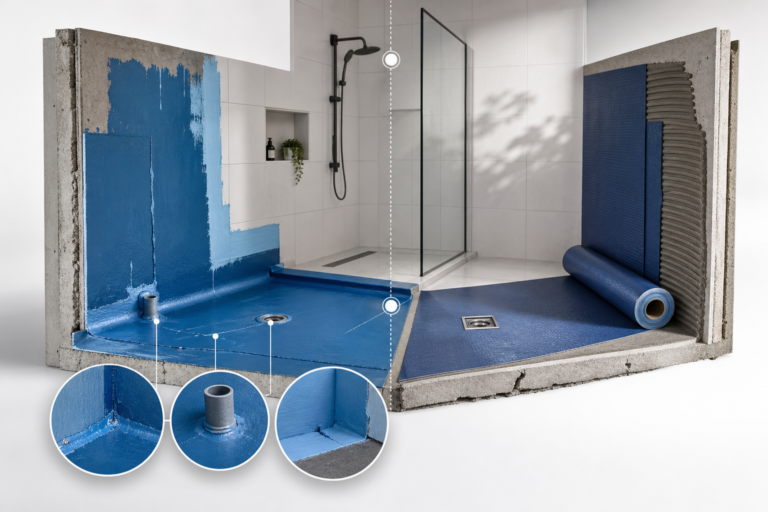
Waterproofing Membrane Types: Which Fails Most in NSW Bathrooms
Waterproofing failure is the single most common serious defect found in NSW apartments, and the type of membrane used, along
Read More »
Building Certifier NSW: Role, Limits, and When You Need More
A building certifier in NSW is a registered professional who issues construction certificates, conducts critical stage inspections, and grants occupation
Read More »