
Concrete Cancer in Buildings: What Causes It, How Fast It Spreads, and When It Becomes a Defect Claim
- What Is Concrete Cancer?
- What Causes It
- How Fast Does Concrete Cancer Spread?
- Identifying Concrete Cancer: What to Look For
- Concrete Cancer Repair: What the Work Actually Involves
- When Does Concrete Cancer Become a Building Defect Claim?
- Strata Buildings and Concrete Cancer
- Summary
- Frequently Asked Questions
A rust-coloured stain spreading across a balcony edge. A chunk of render fallen away from a retaining wall. Cracks appearing in a pattern you haven't seen before. These are often the first visible signs of concrete cancer — and by the time they're obvious, the deterioration has usually been progressing for years.
This article explains what concrete cancer actually is, what drives it, how quickly it spreads through a structure, and at what point it crosses from a maintenance issue into a building defect that supports a formal claim.
What Is Concrete Cancer?
Concrete cancer is the common name for reinforcement corrosion. Structural concrete contains steel reinforcing bars — rebar — embedded within the mix. When that steel corrodes, it expands. The expanding steel exerts pressure from inside the concrete, causing it to crack, spall, and eventually delaminate.
The term "cancer" reflects how the damage behaves once it takes hold. Corrosion at one point creates cracks, which let more moisture in, which accelerates corrosion at adjacent points. Left untreated, the affected zone keeps growing.
What Causes It
Several conditions trigger or accelerate reinforcement corrosion in Australian buildings.
Carbonation
Fresh concrete has a high alkaline pH, which creates a passive protective layer around embedded steel. Over time, carbon dioxide from the atmosphere reacts with the concrete and lowers that pH — a process called carbonation. Once the carbonation front reaches the depth of the rebar, the protective layer breaks down and corrosion begins.
In dense, well-compacted concrete, carbonation progresses slowly. In porous or poorly mixed concrete, it moves faster. Buildings constructed with inadequate water-to-cement ratios are particularly susceptible.
Chloride Attack
In coastal environments, chloride ions from salt air penetrate the concrete surface and attack the steel directly, bypassing the carbonation process entirely. This is why concrete cancer is disproportionately common in buildings near the ocean or exposed to salt-laden wind.
Sydney's eastern suburbs, the Northern Beaches, and the NSW North Coast from Newcastle to Tweed Heads see higher rates of chloride-induced concrete cancer than inland locations. The chemistry differs from carbonation-driven corrosion, but the structural outcome is the same.
Insufficient Concrete Cover
Building standards specify minimum concrete cover — the depth of concrete between the surface and the steel reinforcement. When that cover is too thin, whether due to poor workmanship, incorrect spacers, or a design error, the carbonation or chloride front reaches the steel faster.
This is a workmanship defect, not simply weathering. It means the building was not constructed to specification.
Poor Waterproofing or Drainage
Water is the common factor in almost every concrete cancer case. Flat or near-flat concrete surfaces that hold water, failed waterproofing membranes on balconies or podium decks, blocked drainage outlets, cracked render — all of these accelerate the process. A waterproofing failure that goes undetected for several years can create conditions for significant structural deterioration.
How Fast Does Concrete Cancer Spread?
Faster than most building owners expect, once it becomes visible.
The initial phase — where carbonation or chloride penetration is progressing but the steel hasn't yet started to corrode visibly — can take decades. A well-built inland building might not show surface signs for thirty or forty years. But once corrosion starts and the concrete begins to crack, the deterioration accelerates sharply.
Cracked concrete allows direct water ingress. That water reaches the steel faster than it did through intact concrete. The corrosion rate increases, the steel expands further, and the cracks widen. In a coastal building with poor waterproofing, visible spalling can progress from a small patch to a structural concern within two to five years.
Temperature cycling compounds the problem. Sydney's climate — hot summers, moderate winters — causes concrete to expand and contract. That movement widens existing cracks and opens new ones, giving water more pathways to the steel.
The practical implication: concrete cancer identified during a pre-purchase or strata inspection is not something to defer. Repair costs at the spalling stage are substantially higher than remediation at the early crack stage, and higher again than preventive treatment when the surface is still intact.
Identifying Concrete Cancer: What to Look For
Visual indicators include:
- Rust staining on concrete surfaces, particularly at cracks or joints
- Spalling, where chunks of concrete have broken away or are loose
- Surface cracking that follows the line of reinforcement
- Bulging or blistering on rendered concrete surfaces
- Delamination, where layers of concrete separate from the substrate
Not all cracking in concrete points to reinforcement corrosion. Shrinkage cracks, settlement cracks, and thermal cracks have different patterns and causes. Distinguishing between them requires a professional assessment, not just a visual check.
Concrete Cancer Repair: What the Work Actually Involves
Concrete cancer repair is not a matter of patching over the damaged area. Applying a surface coating over active corrosion traps moisture and accelerates the problem underneath. Proper remediation involves:
- Breaking out all affected concrete to expose the corroded steel
- Treating the steel to arrest corrosion — wire brushing, applying a corrosion inhibitor, or in severe cases replacing sections of rebar
- Reinstating the concrete with a repair mortar that matches or exceeds the strength and permeability of the original mix
- Applying a protective coating or membrane to prevent recurrence
On balconies, podium decks, and car park structures, a proper repair also means addressing the waterproofing system. If the failed waterproofing isn't replaced as part of the repair scope, the same problem returns.
Costs vary considerably depending on the extent of damage, the structural significance of the element, and access requirements. A small balcony soffit repair is a very different scope from a podium deck with widespread delamination.
When Does Concrete Cancer Become a Building Defect Claim?
This is where the question shifts from technical to legal.
In New South Wales, the Home Building Act 1989 imposes statutory warranties on residential building work — including that work will be done with due care and skill, that materials will be suitable for purpose, and that the structure will be reasonably fit for occupation. Defects that breach these warranties may support a claim.
Concrete cancer caused by insufficient concrete cover, inadequate waterproofing, or non-compliant construction is not simply weathering. It is evidence that the building was not built to specification. That distinction matters.
The Limitation Period Question
Statutory warranty periods under the Home Building Act are six years for major defects and two years for other defects, running from the date of practical completion. Major defects include defects in a major element of a building that cause or are likely to cause it to be uninhabitable or unable to be used for its intended purpose, or that involve the collapse or failure of a structural element.
Concrete cancer affecting structural elements — load-bearing columns, balcony slabs, retaining walls — can qualify as a major defect. Whether it does in a specific case depends on the nature of the element, the extent of the damage, and the evidence available.
If you're approaching the end of a statutory warranty period, time is a real constraint. An assessment and report completed before the period expires preserves your options.
What Evidence a Claim Requires
A concrete cancer defect claim in NCAT or court proceedings is not supported by photographs alone. You need an independent expert report that:
- Identifies the defect with specificity
- Establishes the likely cause
- Connects that cause to a breach of a statutory warranty or contract term
- Quantifies the scope of remediation required
- Provides a cost estimate for repair
That report must meet the standard required by the tribunal or court. In NSW civil proceedings, expert reports must comply with Schedule 7 of the Uniform Civil Procedure Rules (UCPR) Expert Witness Code of Conduct. Reports that don't meet this standard can be rejected or given reduced weight.
An expert witness report prepared for NCAT or court proceedings is different from a standard building inspection report. The author must be independent, must acknowledge their duty to the tribunal rather than to the party engaging them, and must set out the basis for their opinions clearly.
If you're preparing a claim — or a solicitor has advised you to obtain an independent expert report — Awesim Building Consultants has been preparing expert witness reports for NSW courts and tribunals since 1996. The firm operates from Sydney, Tamworth, and Tweed Heads, and covers proceedings from NCAT through to the Supreme Court.
Strata Buildings and Concrete Cancer
In strata-titled buildings, concrete cancer in common property is the owners corporation's responsibility to maintain and repair. But the question of who is responsible for the original defect — and whether a claim lies against the original builder or developer — is separate from the maintenance obligation.
Strata managers dealing with concrete cancer in common property often need to establish both the scope of remediation required and whether a defect claim is available. An expert witness report can serve both purposes: it documents the defect for remediation planning and provides the evidence base for any formal claim.
Summary
Concrete cancer starts with moisture reaching steel reinforcement — either through carbonation over time or chloride penetration in coastal environments. Once the steel begins to corrode and the concrete starts to crack, deterioration accelerates. The visible signs — rust staining, spalling, bulging render — are usually late indicators of a process that has been underway for years.
Proper repair means removing all affected concrete, treating the steel, reinstating with appropriate materials, and addressing the waterproofing system. Surface patching over active corrosion is not a repair.
When the cause is insufficient concrete cover, failed waterproofing, or other workmanship failures, concrete cancer is a building defect — not just weathering. In NSW, that distinction opens the door to a statutory warranty claim under the Home Building Act, provided the limitation period hasn't expired and the evidence meets the standard required for formal proceedings.
Frequently Asked Questions
What is concrete cancer and why does it happen?
Concrete cancer is the deterioration caused when steel reinforcement inside concrete corrodes and expands, cracking the concrete from within. It happens when moisture reaches the steel — through the natural carbonation of concrete over time, through chloride penetration in coastal environments, or through waterproofing failures and insufficient concrete cover.
How quickly does concrete cancer spread once it starts?
The early phase, where carbonation or chloride is progressing but the steel hasn't yet started to corrode visibly, can take decades. Once corrosion begins and the concrete starts to crack, deterioration accelerates. In coastal locations or buildings with waterproofing failures, visible spalling can progress significantly within two to five years.
Is concrete cancer covered under the NSW Home Building Act?
It can be. If the concrete cancer resulted from workmanship defects such as insufficient concrete cover or inadequate waterproofing, it may constitute a breach of the statutory warranties under the Home Building Act 1989. Whether a specific case qualifies depends on the element affected, the cause, and the timing relative to the warranty periods.
What is the difference between a standard building inspection and an expert witness report for a defect claim?
A standard building inspection documents visible conditions. An expert witness report prepared for NCAT or court proceedings must meet the requirements of Schedule 7 of the UCPR Expert Witness Code of Conduct, identify the cause of defects, connect them to a breach of warranty or contract, and be prepared by an independent expert who owes their duty to the tribunal — not to the party paying for the report.
Can I use photos and quotes from tradespeople as evidence in an NCAT concrete cancer claim?
Photos and tradesperson quotes can support your case but are unlikely to be sufficient on their own. NCAT and NSW courts expect independent expert evidence that meets the UCPR standard. A report from a qualified building consultant who has inspected the property and formed independent opinions carries substantially more weight than contractor quotes or owner-obtained photographs.
How do I know if my concrete cancer claim is still within the limitation period?
The statutory warranty period under the Home Building Act is six years for major defects and two years for other defects, running from the date of practical completion. If you're unsure where your situation falls, the first step is an independent assessment that can establish when the defect likely arose and whether the limitation period remains open. Awesim offers a free initial consultation — call 1800 293 746 to discuss your situation.
What does concrete cancer repair actually cost?
Repair costs vary widely depending on the extent of damage, the structural significance of the element, access requirements, and whether waterproofing reinstatement is included. A small balcony soffit repair is a different scope from widespread delamination on a podium deck. Any repair scope used in a defect claim should be prepared or verified by an independent expert — not taken directly from a contractor who stands to win the repair work.

Related Posts
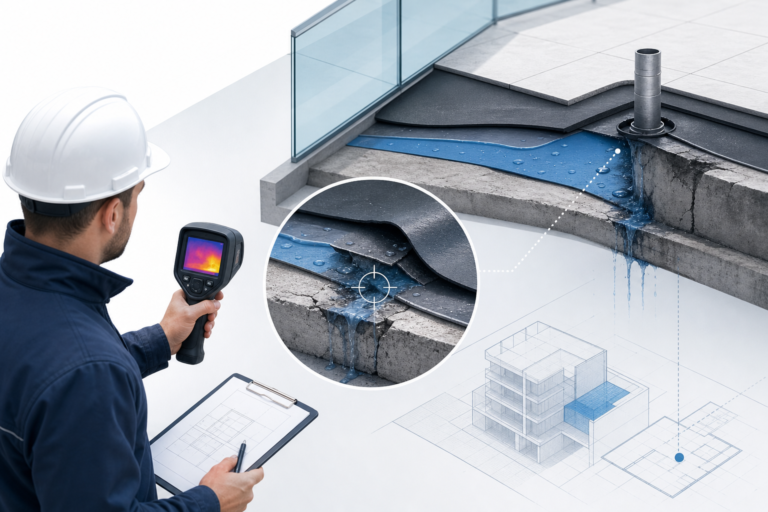
Waterproof Membrane Failure: How Inspectors Find the Cause
Waterproof membrane failure is diagnosed by tracing the water entry point, reviewing design documents, exposing the membrane for visual inspection,
Read More »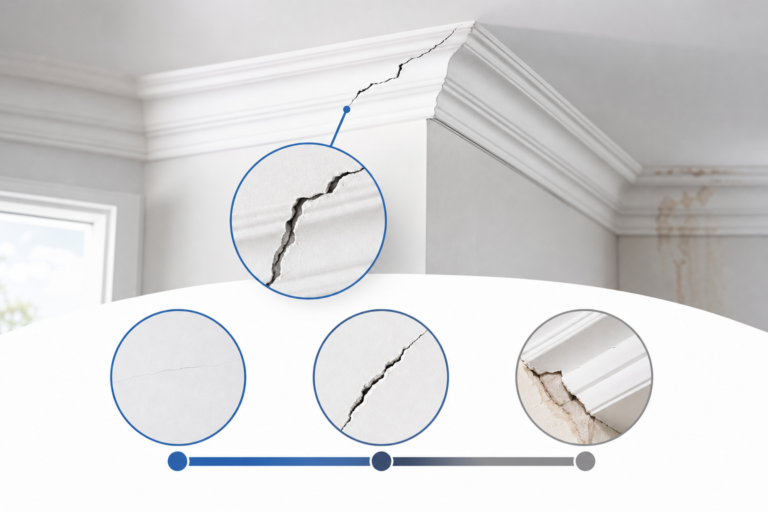
Cornice Cracking: How to Tell If the Damage Is Serious
Cornice cracking is one of the most common concerns Australian homeowners raise, and the hard part is not spotting the
Read More »
Digital Construction Consultant Australia: What They Do
A digital construction consultant in Australia manages the technology-driven side of building projects: BIM coordination, clash detection, asset data handover,
Read More »