
Digital Construction Consultant Australia: What They Do

A digital construction consultant helps organise the models and information used to design, build or manage an asset. The required work might involve building information modelling (BIM), coordination, survey information or digital handover. The title alone does not define the service: start with the project’s actual deliverables.
What does a digital construction consultant do?
The role can include agreeing information requirements, coordinating contributions from different disciplines and checking that deliverables can be used by the receiving team. The appointment should identify responsibility, review stages, interfaces and acceptance criteria.
For example, a project team may need to coordinate design models or supply verified asset information to a council. Those are distinct tasks and may involve different specialists. A digital model is not, by itself, proof that construction is compliant or that every concealed condition has been verified.
Common service areas
- BIM coordination: organising model contributions, naming, versions, agreed information and review responsibilities.
- Clash and issue management: checking modelled interfaces, recording issues and tracking the responsible team’s response.
- Spatial information: coordinating survey or scanning inputs, their accuracy, coverage and limitations.
- Asset handover: preparing the specified records and data for the asset owner’s systems.
Checking a model can reveal conflicts within the information supplied. It cannot establish that missing information is correct or that site conditions match the model. Agree how field verification and unresolved issues will be handled.
Choose software around the required outputs and the team’s workflow. Platform administration, account access and information security should be defined in the engagement, rather than assumed from a job title.
Project-specific standards and A-SPEC
There is no single digital-delivery requirement that applies identically to every Australian construction project. Confirm the contract, consent conditions and asset owner’s requirements, including the applicable specification and version.
A-SPEC’s published guidance describes a framework for structured as-constructed asset information. Its focus on GIS-based handover data differs from the broader digital engineering or BIM process. Use the requirements adopted for the project; do not assume every council uses the same specification or portal.
Before collecting information, agree:
- The assets and attributes to be recorded, including who supplies and checks them.
- The required coordinate system, accuracy, file formats and submission method.
- When information must be captured, particularly where work will later be concealed.
- Validation, review, corrections and acceptance responsibilities.
Missing survey information can make later verification harder and more costly. It does not justify a blanket statement that underground assets can never be located later. Obtain specialist advice about appropriate capture and verification methods.
Choosing a consultant
Ask for relevant examples and a clear description of the person’s own contribution. Confirm experience with the required asset type, deliverables and receiving authority, rather than relying only on software credentials or a general professional membership.
Compare proposals on scope, responsibilities, exclusions, access to source files, review time and ongoing support. State who resolves design issues and who certifies or accepts the underlying work. The smallest useful engagement may be a focused review rather than a full project-wide modelling service.
For residential work, assess the actual design, coordination and handover needs. Neither the size of the project nor the presence of a council data requirement alone determines whether digital assistance has value.
When building consultancy or expert evidence is needed
A defect investigation, waterproofing issue, valuation or building dispute needs expertise relevant to that question. Some practitioners combine digital and building expertise; others specialise. Confirm the proposed person’s qualifications, experience and report scope rather than assuming the roles are mutually exclusive.
For tribunal or court work, the report must address the applicable directions and expert obligations. A model may support an investigation, but it does not replace the explanation of observations, assumptions, methods and reasoning.
Awesim Building Consultants was established in 1996 and provides independent building consultancy across NSW. Services include Expert Witness Reports, Scott Schedules, Quantum Meruit Reports and forensic waterproofing investigations, together with contracts administration and construction scheduling. Confirm the particular service and any specialist input through a written proposal.
For a dispute brief, see the guide to engaging a construction expert witness. This article explains digital consulting generally and is not a claim that every digital modelling or scanning service is supplied by Awesim.
Plan the engagement around the deliverables
Identify information requirements early enough for the team to collect and review them. Agree on a practical timetable and the consequence of missing inputs. Broad market forecasts or unrelated project-management employment figures do not establish the capability or availability of a particular consultant.
Common questions
What should a scanning or digital-twin brief include?
State the purpose, required accuracy, coverage, output format and how information will be maintained. Clarify access, occluded areas and what the proposed model will and will not represent.
Is one qualification enough?
Qualifications are part of the assessment. Also check relevant project work, technical responsibility and any registration required for the particular professional service.
Does coordination guarantee a saving?
It can help identify modelled conflicts before work proceeds, but the result depends on input quality, the review process and how issues are resolved. Avoid a guaranteed percentage saving without a defined basis.
Are consultant and BIM manager fixed roles?
No. Job titles and responsibilities vary. The appointment should state the deliverables and accountabilities rather than relying on the title.
Define the required information
Start with the problem to be solved, the recipient’s requirements and the evidence of relevant expertise. For building defects or disputes, define the investigation and report needed as carefully as any digital deliverable.

Related Posts
![Businessman in a suit analyzes a 3D building model on blueprints with a hard hat nearby and a crane in the background, conveying construction planning and law.]](https://awesim.com.au/wp-content/uploads/2026/10/2ba440c4-9d47-4802-adf1-8b6f241eb8ff-768x512.png "2ba440c4-9d47-4802-adf1-8b6f241eb8ff - Awesim Building Consultants")
Construction Claims Experts and Witness Reports
Last updated: 8 November 2026 A construction expert witness provides an independent opinion on technical questions in a building dispute.
Read More »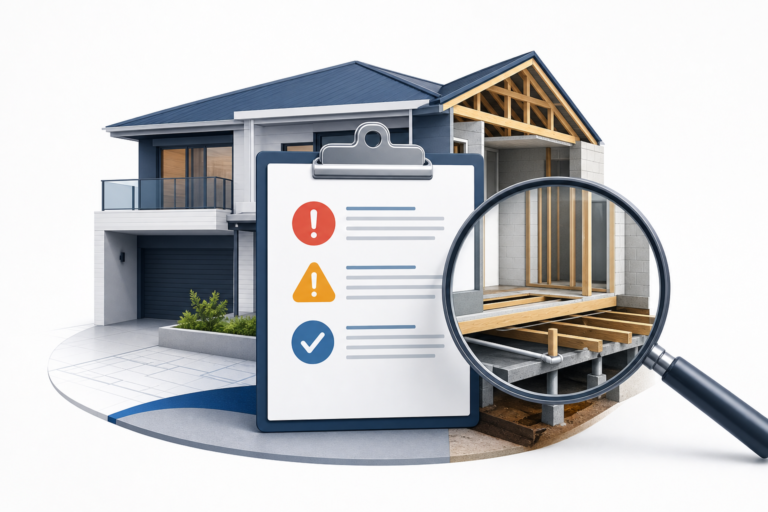
Building Inspection Reports and Expert Evidence
Updated October 29, 2026 You've received a building and inspection report and you're not sure what to do with it.
Read More »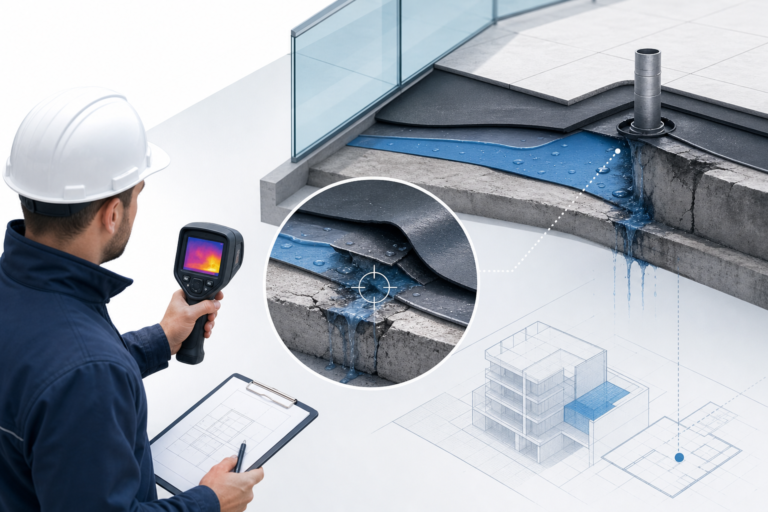
Waterproof Membrane Failure: How Inspectors Find the Cause
Waterproof membrane failure is diagnosed by tracing the water entry point, reviewing design documents, exposing the membrane for visual inspection,
Read More »