
Security of Payment Act NSW: Get Paid & Resolve Disputes
If you’ve ever worked in construction, you know that getting paid on time isn’t just a goal—it’s the lifeblood of your business. The Security of Payment Act NSW is the powerful legislation that makes sure cash keeps flowing, giving you a fast, low-cost way to resolve payment disputes and keep your projects on track.
It’s built on a simple but game-changing principle: ‘pay now, argue later’.
What is the Security of Payment Act NSW

Before this Act, the construction industry was plagued by payment problems. A single dispute could halt an entire project, leaving contractors and suppliers out of pocket and potentially facing collapse while arguments dragged on for months or even years in court.
The Building and Construction Industry Security of Payment Act 1999 (NSW), or SOPA as it’s commonly known, was created to fix this. Its entire focus is on protecting cash flow by establishing a rapid-fire process for claiming and recovering progress payments for work you’ve already done.
The ‘Pay Now, Argue Later’ Philosophy
At the heart of the Act is its ‘pay now, argue later’ philosophy. This is the mechanism that forces payment issues to be dealt with immediately, preventing a head contractor or client from holding your money hostage while you debate the finer points of a dispute.
Think of it this way: a subcontractor finishes the waterproofing and sends a payment claim. The builder can’t just refuse to pay for months because they want to argue over a minor detail. Under SOPA, the builder must first pay the amount claimed (or an amount decided by an independent adjudicator). The detailed argument about the final cost can happen later, but it can’t be used as an excuse to stop the cash from flowing.
This philosophy is designed to stop a single payment problem from causing a domino effect down the line, ensuring everyone from the main contractor to the smallest supplier gets paid.
To help you get your head around these core ideas, here’s a quick summary of what the Act really means in practice.
SOPA Key Principles at a Glance
| Principle | What It Means for You |
|---|---|
| Statutory Right to Payment | Your right to be paid for work done comes from the law itself, not just your contract. |
| ‘Pay Now, Argue Later’ | You get paid first. Any detailed disputes about the final amount are sorted out later, so your cash flow is protected. |
| Rapid Adjudication | Disputes are resolved in a matter of weeks through a fast-tracked, low-cost process, not years in court. |
| No ‘Contracting Out’ | No one can include a clause in your contract that takes away your rights under the Act. It’s non-negotiable. |
These principles work together to create a safety net, making sure you have a legal pathway to get what you’re owed without delay.
Your Unbreakable Right to Payment
The real power of SOPA comes from a fundamental shift it introduced. Section 8 of the Building and Construction Industry Security of Payment Act 1999 (NSW) creates a statutory right to receive progress payments. This means the law itself gives you this right, completely separate from what’s written in your contract.
This is the most critical point to understand:
- It’s a Legal Right: This right to claim payment exists automatically, whether your contract mentions it or not.
- It Can’t Be Removed: No clause in any construction contract can take away or change this basic entitlement.
- It Protects Everyone: The Act applies to contractors, subcontractors, suppliers, and consultants doing construction work in NSW.
This legal shield is a game-changer, especially when you find yourself in complex or frustrating building disputes. If you’re stuck in a payment disagreement, knowing your rights under the Act is the first and most important step. At Awesim Building Consultants, we have 35+ years in Building & Construction, with over 15 years providing litigation support to home owners, builders and lawyers, so we can help you navigate the process.
While we’re focused on NSW here, it’s worth noting that slow payments are a universal challenge in the industry. It’s interesting to see how construction companies can get paid faster in other parts of the world, highlighting just how crucial this issue is.
Does the Security of Payment Act Cover You?
The first question we always get asked is, “Can I actually use this thing?” It’s the most important question to answer before you do anything else. The Security of Payment Act NSW is an incredibly powerful tool for getting paid, but you need to be sure you’re eligible to use it.
At its core, the Act was created to keep cash flowing down the entire project chain. So, if you’re doing work on a construction project in NSW and you’re waiting on a payment, there’s a very good chance it has your back. The whole point is to enforce a ‘pay now, argue later’ approach.
Who Is Covered by the Act?
The Act doesn’t just protect the big players. It’s designed to cover almost everyone involved in a construction project, from the head contractor right down to the person delivering materials to the site.
Think of it as a safety net for the entire industry. You’re likely covered if you are a:
- Contractor or Subcontractor: This is the obvious one. It covers everyone from the head contractor running the show to the sparky, plumber, or concreter doing a specific part of the job.
- Material Supplier: If you’re supplying timber, steel, concrete, plasterboard, or anything else that gets used in the construction work, you’re covered.
- Equipment Hirer: Companies that hire out cranes, excavators, scaffolding, or any other machinery for a project can also use the Act.
- Consultant: This includes professionals providing services related to the project. Think architects, engineers, surveyors, and project managers who are owed fees for their expertise.
If you fall into one of these buckets and are chasing an invoice in NSW, the Act is probably your best and fastest path to getting paid.
Over our 15 years providing litigation support, we’ve seen countless disputes that could have been avoided if both sides understood their rights from the start. Knowing the Act covers you is the first step to taking action with confidence.
What Is ‘Construction Work’?
The next piece of the puzzle is making sure the work you did qualifies as ‘construction work’ or the supply of ‘related goods and services’. Thankfully, the definition is extremely broad—it’s not just about putting up a new building.
For instance, the Act covers a huge range of activities, including:
- Construction and Alteration: Not just new builds, but also repairs, restorations, extensions, and any alterations to existing buildings.
- Demolition: The process of knocking down or dismantling buildings and other structures.
- Civil Works: Things like installing roads, pipelines, and other essential infrastructure.
- Finishing Trades: All the finishing touches, like internal and external painting, tiling, and flooring.
- Preparatory Work: Any work done to get a site ready, such as clearing land, excavation, and earth-moving.
- Installation of Fittings: Installing crucial systems like heating, lighting, air conditioning, and fire protection.
This wide scope means that pretty much any trade or service that contributes to a construction project is protected by the Security of Payment Act NSW.
The Residential Building Exemption
Here’s the one major exception you need to be aware of: homeowners. The Act generally doesn’t apply to contracts between a builder and a person who lives in, or plans to live in, the home being worked on.
But this exemption has some very important carve-outs. The Act does apply if the homeowner is:
- Essentially acting as a property developer.
- Building the house purely as an investment to sell or rent out.
- A company or corporation, not an individual.
It’s a fine line, but an important one. If you’re a builder working for a homeowner who is also a developer, you can absolutely use the Act. Getting this right is key. With our 35+ years in Building & Construction, helping clients navigate these grey areas is a standard part of our expert dispute resolution services.
Making a Claim and Responding Correctly
When it comes to the Security of Payment Act NSW, understanding the rules of engagement isn’t just important—it’s everything. The process is designed to be quick, but its timelines are absolutely unforgiving. Think of this section as your procedural playbook for both lodging a valid payment claim and, just as crucially, responding to one properly.
Getting these steps right can mean the difference between getting paid fast and finding yourself in a world of financial trouble.
It all kicks off when the claimant—the person or business who’s done the work and is owed money—serves a document called a payment claim. This isn’t just another invoice; it’s a formal notice that starts a very strict legal clock.
This quick visual guide shows the simple relationship between the claimant, the contract, and the work done to trigger the SOPA process.
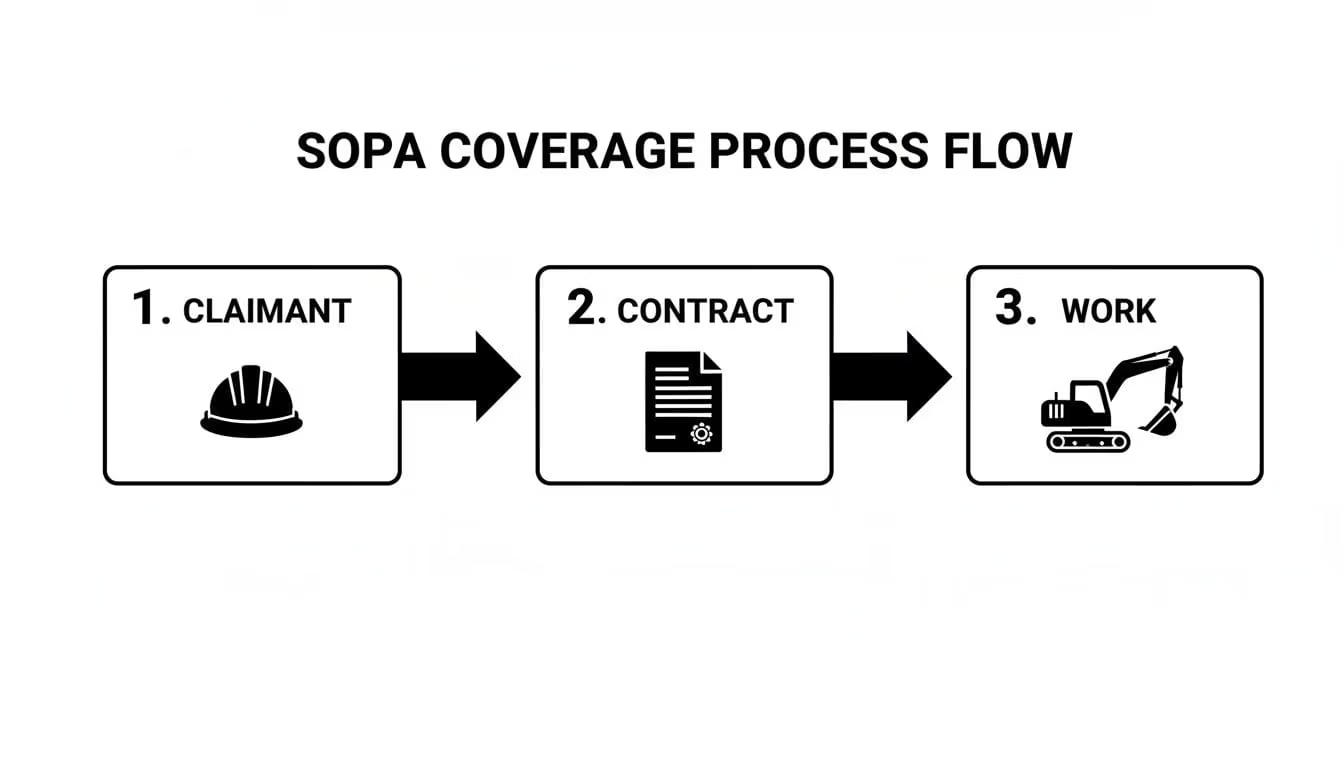
As you can see, the whole system hinges on a claimant who has performed work under a contract and is now using the Act to get paid.
How to Make a Valid Payment Claim
For your payment claim to have any teeth under the Act, it has to tick a few non-negotiable boxes. If you miss any of these, your claim can be thrown out, forcing you to start all over again and creating costly delays. With over 15 years of providing litigation support, we’ve seen countless claims stumble over these simple technicalities.
To make sure your claim is solid, it must:
Clearly Identify the Work: The claim has to describe the specific construction work or related goods and services you’re charging for. Be precise—give the other party enough detail to know exactly what the bill is for.
State the Amount Claimed: You must put a clear dollar figure on the progress payment you believe is due. This should be calculated from your contract terms or the value of the work you’ve completed.
Include the Magic Words: This is, without a doubt, the most critical part. Your claim has to include a statement confirming it’s made under the Act. The wording you want to use is: “This is a payment claim made under the Building and Construction Industry Security of Payment Act 1999 (NSW).”
That one sentence is what brings the Act’s powerful protections and tight deadlines to life. Without it, your claim is just a standard invoice and carries none of the legal weight that the security of payment laws provide.
Responding with a Payment Schedule
Once a valid payment claim has been served, the ball is firmly in the respondent’s court. The respondent—the person or business who received the claim—has a very tight window to formally reply with a document called a payment schedule.
Let me be clear: this is not optional. A payment schedule is your one and only chance to say how much you plan to pay and, more importantly, why you’re paying less than the amount claimed.
The most catastrophic error a respondent can make is failing to issue a payment schedule on time. The consequences are severe and immediate, making you liable for the entire amount claimed, regardless of any disputes or defects.
You must provide the payment schedule to the claimant within 10 business days of receiving the payment claim, or even earlier if your contract specifies it. A word of warning: don’t rely on sneaky contract clauses that try to extend this, like terms that say a notice received after 5 pm is considered served the next day. Recent court rulings have made it clear that the Act’s deadlines trump contract terms. The clock starts the moment that claim hits your inbox or your desk.
A valid payment schedule must do three things:
- Identify the payment claim it’s responding to.
- State the amount of payment (if any) that you propose to make. This is known as the “scheduled amount”.
- If the scheduled amount is less than what was claimed, you must detail every single reason why. Vague objections like “work is defective” won’t cut it; you need to be specific about why you’re holding back money.
If you miss that 10-day deadline, you lose your right to raise any defence or bring a counterclaim in the adjudication process. The claimant can then simply enforce the full claimed amount as a debt. Our 35+ years in Building & Construction have shown us that acting decisively within this timeframe is paramount.
Whether you’re making a claim or responding to one, we can help you navigate this minefield. And if things do escalate, knowing how to prepare for an NCAT building dispute will give you a significant advantage.
So, How Does Adjudication Actually Work?
When the back-and-forth over a payment claim hits a dead end, the Security of Payment Act gives you a powerful tool: adjudication. This isn’t about dragging everyone through court. It’s a rapid-fire process designed to get an independent, binding decision on a payment dispute, fast.
Think of it as calling in a referee. The adjudicator’s job isn’t to run a full-blown trial but to look at the facts presented and make a quick, fair call based on the Act’s rules. This whole system is built on the ‘pay now, argue later’ philosophy, making sure your cash flow doesn’t get strangled while arguments drag on for months.
Kicking Off the Adjudication Process
You can’t just jump to adjudication anytime you like. The clock starts ticking only after a specific dispute arises. This usually happens in one of two scenarios:
- The other party sends you a payment schedule for less than you claimed, and you don’t agree with their reasons.
- The other party fails to pay you what they promised in their payment schedule by the due date.
Once that happens, you have to move fast. You typically have just 10 business days to lodge your adjudication application. This application is your case in writing. You bundle up your payment claim, all the related emails and letters, and your evidence and submit it to an Authorised Nominating Authority (ANA), who then appoints the adjudicator.
And it works. In the 2022-2023 financial year alone, over 1,800 adjudication applications were lodged in NSW, leading to the recovery of more than $150 million in disputed funds. Claimants often see a success rate of over 70%. Why so high? A big reason is that respondents simply miss deadlines or fail to follow the rules, which means they lose their right to argue their case.
The Adjudicator’s Role and the Relentless Timeline
An adjudicator is an independent industry expert, not a judge. They don’t go on a fishing expedition for new facts. Their decision is based only on the documents both parties put in front of them.
Here’s what they’ll look at:
- The rules of the Security of Payment Act NSW.
- The terms of your construction contract.
- Your original payment claim and all supporting documents.
- The respondent’s payment schedule and their stated reasons for withholding payment.
- The formal submissions you make in the application and their response.
The respondent gets one last shot to argue their case in an adjudication response. But here’s the crucial part: they are only allowed to use the reasons they already provided in their original payment schedule. No new excuses are allowed.
To give you a clearer picture of just how fast this all happens, here’s a breakdown of the key deadlines you absolutely cannot miss.
Critical SOPA Timeline from Claim to Adjudication
The timeline under the Act is unforgiving. Missing a deadline by even one day can mean forfeiting your rights. This table simplifies the critical path from issuing a claim to getting an adjudicator’s decision.
| Event | Your Action | Strict Deadline |
|---|---|---|
| Work Completed / Goods Supplied | You are now entitled to make a payment claim. | – |
| Payment Claim Served | You issue a valid payment claim to the respondent. | Must be within 12 months of work being carried out. |
| Payment Schedule Received | The respondent must provide a schedule outlining what they will pay. | 10 business days after receiving the payment claim. |
| Dispute Arises | The respondent pays less than claimed OR fails to pay by the due date. | – |
| Adjudication Application Lodged | You prepare and submit your application to an Authorised Nominating Authority (ANA). | 10 business days after the due date for payment passes. |
| Adjudication Response Served | The respondent gets a chance to reply to your application. | 5 business days after receiving the application. |
| Adjudicator Makes a Decision | The adjudicator reviews all submissions and issues a binding determination. | 10 business days after the response is due. |
As you can see, the entire process is designed for speed. This rapid turnaround is precisely what makes the Act such a lifeline for maintaining healthy cash flow in the construction industry.
The Power of Rock-Solid Evidence
In adjudication, your paperwork does all the talking. The whole thing is fast, furious, and based entirely on the documents. You don’t get to stand up and plead your case.
With our 35+ years in Building & Construction, we’ve seen it time and again: a vague claim with no backup will get thrown out. To give yourself the best shot, you need to prove the value of your work or put a clear, credible dollar figure on the cost of fixing defects.
This is exactly where Expert Witness Reports and Scott Schedules become your secret weapons.
- An Expert Witness Report, prepared by a specialist like us at Awesim, provides an independent, factual valuation of work or assessment of defects. It’s credible, third-party evidence that an adjudicator can rely on.
- A Scott Schedule is basically a spreadsheet for disputes. It neatly lists every single disputed item, your argument, their argument, and the expert’s independent opinion on cost and responsibility. It’s perfect for adjudication because it makes complex issues easy to understand at a glance.
These documents aren’t just ‘nice to have’; they are often the difference between winning and losing. A well-constructed report can demolish a flimsy defence and give the adjudicator the clear, quantified evidence they need. Our 15 years of litigation support have taught us that this level of forensic preparation is what wins cases. It’s the same disciplined approach you would take to prepare for an NCAT building dispute, where clear, itemised evidence is paramount.
Enforcing a Decision and Next Steps
You’ve got the adjudicator’s decision in your favour—congratulations. But what happens now? Securing a determination is a huge win, but it doesn’t magically transfer the funds into your bank account. The final leg of the Security of Payment Act NSW journey is all about enforcement.
It’s about turning the adjudicator’s words on paper into actual payment.
Thankfully, the Act was designed with this in mind. It ensures the whole ‘pay now, argue later’ principle is seen right through to the end. Let’s walk through how you convert that determination into a court judgment and what you should be thinking about next.
Turning a Decision into an Enforceable Judgment
So, the adjudicator has made their call. The respondent has a very short window to pay up. If that deadline comes and goes without any action, your next step is to request an adjudication certificate from the Authorised Nominating Authority (ANA) that handled your case.
This certificate is your golden ticket. It’s the key that unlocks the court’s power to enforce the debt.
Once you have that certificate, the process is surprisingly direct:
- File it with the Court: You take the adjudication certificate and file it as a judgment for a debt in a relevant court, like the Local or District Court of NSW.
- It becomes a Judgment: As soon as it’s registered, the certificate is no longer just a determination—it’s treated as if it were a formal judgment handed down by the court itself.
- Start Enforcement: Now you have the full weight of the court system behind you. You can use all the standard enforcement tools, like a garnishee order to freeze funds in their bank account or a writ of execution to seize property to cover the debt.
This is how the Act gives the adjudicator’s decision real teeth, making sure you get paid.
With over 15 years of providing litigation support to builders, home owners, and lawyers, we know this step is where the rubber meets the road. It’s the final, critical action that makes the entire SOPA process worthwhile.
Can a Respondent Challenge the Decision?
It’s a question we hear all the time: “Can they just appeal it?”
The short answer is no, not easily. The grounds for challenging an adjudication determination are deliberately, and extremely, narrow. This is a fundamental part of the Act’s design—it stops respondents from dragging things out with endless legal challenges to avoid paying.
A respondent can’t challenge a decision just because they disagree with the outcome or think the adjudicator got a fact wrong. The Supreme Court of NSW will only step in and set aside a decision if there’s been a serious denial of natural justice or if the adjudicator clearly acted outside their jurisdiction.
This high bar is what gives the ‘pay now, argue later’ model its strength. The money has to be paid. Any deeper arguments about the contract or the final value of the work can be hashed out later, but it can’t be used as an excuse to hold up the payment you’re entitled to right now.
Connecting SOPA with NCAT and Building Defect Disputes
More often than not, a payment dispute under the Security of Payment Act NSW is just one part of a much bigger picture, especially when building defects are in the mix. While the Act gives you a fast track to getting paid for work you’ve completed, the final, nitty-gritty resolution of complex defect claims often happens at the NSW Civil and Administrative Tribunal (NCAT).
This is where having a smart, cohesive strategy is absolutely vital. The evidence you pull together for a SOPA adjudication shouldn’t be a one-off effort. It can, and should, be leveraged in any future NCAT proceedings. Your goal is to build one consistent, compelling case that works across both forums.
As specialists in providing expert evidence for building disputes, we spend a lot of our time working right at this intersection. A single, well-prepared Expert Witness Report or a detailed Scott Schedule can be a game-changer in both arenas. In the SOPA process, it gives the adjudicator clear, credible proof to value your claim or quantify the cost of defects. Later on, that very same report becomes powerful, independent evidence in your NCAT case. It’s an approach that doesn’t just save you time and money; it makes your entire legal position stronger.
Our team brings over 35+ years of hands-on building experience to the table, so we know how to produce reports that stand up to tough scrutiny in any legal setting. If you need help aligning your SOPA claim with a broader strategy for expert dispute resolution, our team is here to help.
Common Mistakes and How to Avoid Them
With our team’s combined 35+ years in the trenches of the building industry, we’ve seen just about every way a Security of Payment claim can go wrong. The Act is an incredibly powerful tool, but its rules are rigid and unforgiving. One simple mistake can completely derail your claim or leave you facing a huge, indefensible debt.
Think of this as our insider’s guide to the most common traps and, more importantly, how to sidestep them. This is real-world advice, sharpened by over 15 years of supporting clients in litigation, designed to help you get it right the first time and save a world of stress and money.
Mistakes Claimants Frequently Make
If you’re making a claim, you have to be precise. Even small oversights can have massive consequences, leading to payment delays and weakening your entire position.
Here are the top errors we see claimants make all the time:
- Forgetting the “Magic Words”: This is, without a doubt, the most common blunder. You must include the specific phrase: “This is a payment claim made under the Building and Construction Industry Security of Payment Act 1999 (NSW).” Without these exact words, your claim is just another invoice and has zero power under the Act.
- Vague Descriptions of Work: Your claim needs to clearly spell out the construction work or related goods and services it covers. The person receiving it must be able to look at the document and know exactly what you’re asking them to pay for. Ambiguity is your enemy.
- Missing Adjudication Deadlines: The moment you receive a payment schedule you disagree with (or if the respondent fails to pay at all), a very strict clock starts ticking. You generally have just 10 business days to lodge an adjudication application. If you miss that window, your opportunity for a fast-tracked determination is gone.
The Single Biggest Mistake for Respondents
For anyone on the receiving end of a claim, one mistake is so catastrophic that it trumps all others: failing to serve a payment schedule on time.
If you receive a valid payment claim, you have only 10 business days to respond with a payment schedule. Missing this deadline makes you legally liable for the entire claimed amount, no matter what defects, disputes, or counterclaims you might have.
This isn’t a guideline; it’s a hard and fast rule. The claimant can then take that full amount to court as a statutory debt, and you will have absolutely no right to argue the merits of the claim itself. We’ve seen people try to rely on contract clauses stating a notice received after 5 pm is deemed to arrive the next day. This is a dangerous game—the courts consistently uphold the Act’s strict timelines. Don’t fall into this trap. When a payment claim lands on your desk, the clock is ticking.
Understanding these pitfalls is the first step to making the Act work for you, not against you. Whether you’re preparing a claim or responding to one, getting expert guidance can be the difference between success and disaster. With deep experience in both construction and dispute resolution, our team at Awesim Building Consultants can help you navigate the process correctly from the very start.
Frequently Asked Questions About SOPA
Once you get a handle on the basics of the Security of Payment Act NSW, it’s natural for the “what if” questions to start popping up. With over 35+ years in the construction game, we’ve heard just about every question there is from homeowners, builders, and even solicitors. Here are the straight answers to the most common ones we get.
Can I Use the Security of Payment Act for Building Defect Disputes?
Indirectly, yes. It’s a common misconception. While the Act is designed to get you paid for work you’ve done, disputes over defects are often the very reason you haven’t been paid.
Here’s how it works: you make a claim for the value of the work you’ve completed. The other party can then respond in their payment schedule, arguing the value is less because of those alleged defects. An adjudicator then has to put an interim value on the work.
In these situations, a detailed Expert Witness Report is your best tool. It independently quantifies the real cost of any defects, which is crucial for both the SOPA adjudication and any follow-up proceedings at NCAT.
What Happens If I Miss the Payment Schedule Deadline?
Missing the deadline to issue a payment schedule is probably the single most costly mistake you can make under the Act. If you don’t provide one within 10 business days of receiving a valid claim, the consequences are immediate and severe.
You automatically become liable for the full amount claimed, no matter how strong your reasons are for disputing it. The claimant can then either take you to an adjudication where you are blocked from presenting any defence, or they can simply sue you for the amount as a debt in court. This deadline is unforgiving.
With over 15 years providing litigation support, we’ve seen this one error cost respondents a fortune. It’s a mistake you simply can’t recover from within the Act’s framework.
Is an Adjudicator’s Decision Really Final?
The decision is binding on an interim basis. This is the whole point of the Act’s ‘pay now, argue later’ philosophy—to keep cash moving. The amount determined by the adjudicator absolutely must be paid.
However, it doesn’t close the book on the matter forever. It doesn’t stop either party from taking the dispute to a court or tribunal like NCAT later for a final, binding resolution. But in the short term, that payment has to be made. This is exactly why the Security of Payment Act is such a powerful and effective mechanism for the construction industry.
Navigating the sharp corners of the Security of Payment Act NSW takes more than just a quick read-through; it takes precision and hands-on experience. Whether you need a rock-solid Expert Witness Report, a properly drafted Scott Schedule, or just practical advice on a building dispute, Awesim Building Consultants is here to guide you.
Contact us today to put our expertise to work for you.

Related Posts

Water Damage in Homes: How to Track Down the Source
Water damage in a home rarely announces itself at the source. A stain on the ceiling, a musty smell in
Read More »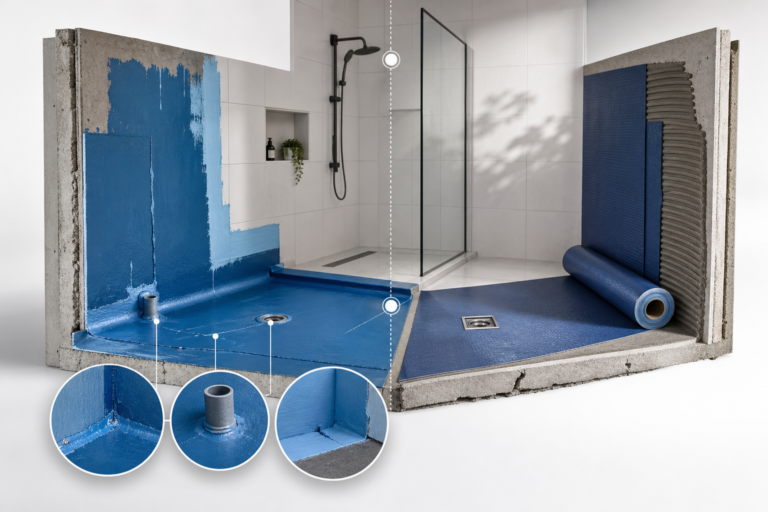
Waterproofing Membrane Types: Which Fails Most in NSW Bathrooms
Waterproofing failure is the single most common serious defect found in NSW apartments, and the type of membrane used, along
Read More »
Building Certifier NSW: Role, Limits, and When You Need More
A building certifier in NSW is a registered professional who issues construction certificates, conducts critical stage inspections, and grants occupation
Read More »