
Expert Building Consultant Litigation Support
A building dispute rarely starts as a legal problem. It starts with a crack that wasn’t there before, a shower leak that keeps returning, a slab that looks wrong, or a builder who says everything is “within tolerance” when your site says otherwise.
Then the paperwork starts piling up. Emails. Photos. Quotes. Defect lists. Advice from friends. Advice from lawyers. Advice from trades who haven’t read the contract. By the time most owners or solicitors ask for building consultant litigation support, the actual issue isn’t just the defect. It’s that the evidence has become messy, the scope is blurred, and the matter is already drifting towards procedural trouble.
That’s where practical, tribunal-ready technical evidence matters. In New South Wales, building disputes aren’t won by the loudest version of events. They turn on records, site facts, code references, clear causation, and whether the expert material fits the way NCAT manages building matters.
Awesim’s guidance in this area is grounded in 35+ years in building and construction and more than 15 years providing litigation support for homeowners, builders, and solicitors. That kind of experience changes how a matter is approached. You learn quickly that a usable report is not just technically correct. It has to be organised for the forum, tied to the right documents, and capable of standing up when another party challenges it line by line.
Your Guide to Navigating Building Disputes in NSW
A familiar NSW dispute looks like this. The owner notices water staining around a window, the builder blames maintenance, a strata manager wants answers, and the solicitor needs independent advice before anyone commits to pleadings, rectification demands, or a hearing strategy.
At that point, a generic inspection is insufficient. They need someone to identify what is observable, what is likely causal, what still needs testing, and what should be documented before the site changes again. That’s the practical role of building consultant litigation support.
The need isn’t marginal. The Australian Bureau of Statistics counted about 10.8 million private dwellings in the 2021 Census, and the same verified background notes that NSW’s consumer protection reforms in 2018 help explain why expert building evidence is a core part of dispute resolution rather than a niche service for rare cases, as noted in this discussion of construction defect litigation support and housing stock context.
What clients usually get wrong early
Owners often think the first job is to prove the builder was careless. It usually isn’t. The first job is to preserve evidence and organise the file.
Solicitors sometimes receive a bundle that includes hundreds of photos, incomplete plans, scattered text messages, and a defect list written in emotional language rather than technical language. That creates avoidable cost because the consultant has to reconstruct the dispute before analysing it.
The strongest matters usually start with a simple discipline. Record what exists, identify what standard may apply, and avoid overstating the cause before the site work is examined.
A practical first step for many residential matters is checking whether insurance and statutory pathways may also affect the dispute strategy. For owners who are trying to understand that area of consideration, this guide to home warranty insurance Australia is a useful starting point.
What a consultant should bring to the dispute
Good litigation support brings order to a disorderly matter. In practice, that means:
- Separating symptoms from causes so a leak isn’t treated as a single issue when multiple interfaces may be involved.
- Working from documents and site evidence together rather than relying on one without the other.
- Identifying what the tribunal needs rather than producing a report that reads well but can’t be used effectively.
- Keeping the opinion independent even when one party is under obvious pressure.
That independence matters more than most clients realise. A report that sounds partisan may feel satisfying in the short term, but it often performs poorly once the other side, the tribunal, or counsel starts testing it.
What is Building Consultant Litigation Support
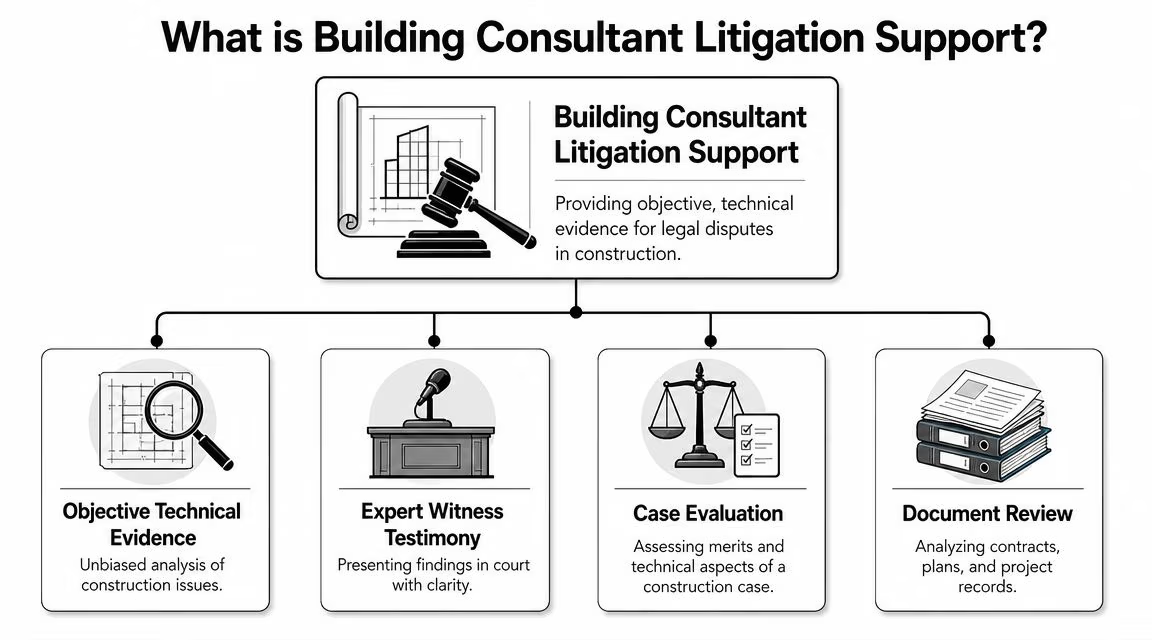
Building consultant litigation support is the preparation of objective technical evidence for a formal dispute. In NSW, that usually means evidence for NCAT, and sometimes for court-linked or court-adjacent building matters.
It is not the same as a pre-purchase inspection. A standard inspection might identify visible concerns. Litigation support goes further. It asks what failed, how it failed, what records support that view, what standard or code requirement is relevant, and how the issue should be framed so it can be used in proceedings.
A simple visual helps.
Why NCAT changes the way reports must be written
NSW’s system is more formal than many clients expect. NCAT was established on 1 January 2014, creating a specialist tribunal where expert reports and structured evidence became central to resolving building disputes. The verified material also notes that the National Construction Code updates on a three-year cycle, which means a consultant must connect the observed issue to the correct compliance framework and the tribunal’s procedural requirements, as discussed in this overview of construction litigation support and testimony.
That has practical consequences for every report. A useful report doesn’t just say “non-compliant”. It needs to identify the building element, the factual observations, the likely mechanism of failure, and the standard or code pathway that matters to the dispute.
What litigation support usually includes
The work commonly falls into four streams:
- Site investigation to inspect the relevant elements, photograph conditions, take measurements, and compare the built work against available records.
- Document review covering plans, contracts, specifications, approvals, variation records, invoices, communications, and prior reports.
- Expert reporting that separates factual observation from professional opinion.
- Tribunal support which can include Scott Schedules, conferences with solicitors, and participation in the evidence process where required.
Later in the matter, parties often realise that a technically good opinion isn’t enough on its own. It has to be readable by decision-makers and usable by lawyers.
A short video can help frame how litigation support fits into dispute work more broadly.
Practical rule: If the report cannot show the path from observation to conclusion, it will struggle once the dispute becomes procedural instead of conversational.
Key Litigation Support Services Explained
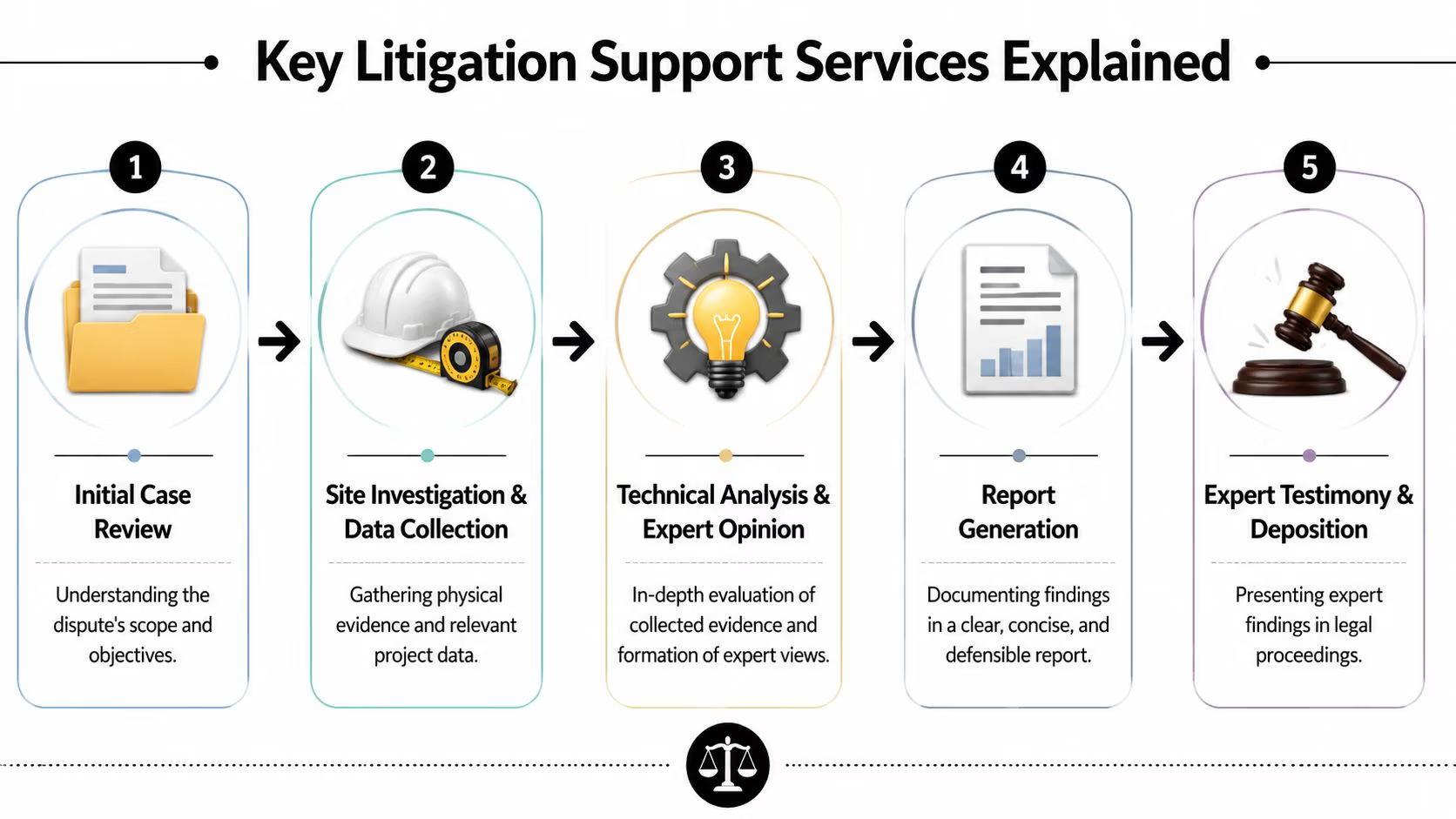
When clients ask what they’re paying for, the answer should be concrete. In NSW building disputes, the core outputs are usually the site investigation, the expert witness report, and the Scott Schedule. Each serves a different purpose. Confusing them creates delay.
Site investigation and defect analysis
Everything starts on site. If the inspection is rushed, the report will inherit that weakness.
A proper litigation-focused inspection isn’t just a walk-through with a camera. The consultant needs to identify the element in issue, inspect adjoining construction where relevant, compare site conditions to plans and specifications, and note what can and cannot be concluded from the visible evidence. In water ingress matters especially, symptoms often spread away from the failure point.
The verified guidance for NSW disputes is clear on this point. The most persuasive expert reports document the defect, test the failure mechanism, and link it directly to a specific Australian Standard or NCC clause, particularly in issues such as water ingress where the expert must trace the problem to a precise cause like a flashing omission or membrane failure, as described in this discussion of litigation consulting and expert witness investigation of building envelope failures.
Expert Witness Reports
An Expert Witness Report is the formal technical document that turns site findings and records into evidence. It should identify the issues in dispute, state the material relied on, record observations, explain the reasoning, and express opinions within the expert’s field.
What doesn’t work is a report that sounds like an argument drafted for one side. Tribunals are used to seeing exaggeration. They respond better to reports that are disciplined, specific, and careful about limits.
A typical effective report will include:
- A defect matrix that itemises each issue rather than burying problems in long narrative text.
- Document references so the reader can trace the opinion back to plans, photos, correspondence, or site notes.
- Repair logic that addresses the actual failure mode instead of proposing broad demolition where targeted rectification is more appropriate.
For structural concerns, clients sometimes find it helpful to look at how other specialist fields frame causation and condition assessment. This example of a Phoenix structural integrity assessment is useful as a broad reference for the distinction between visible condition and engineering significance, even though NSW matters still need to be framed around the local tribunal and standards context.
Scott Schedules
A Scott Schedule is one of the most practical tools in an active dispute because it forces clarity. Instead of general complaints, each issue is broken down into individual items. The applicant’s claim, the respondent’s response, the expert’s observations, and the relevant rectification position can be set out line by line.
That structure is valuable because building disputes often involve mixed issues. Waterproofing, cracking, drainage, fire separation, workmanship, and finish quality can all be argued in the same matter. Without a schedule, parties drift into broad submissions that are hard to manage and harder to decide.
A well-built Scott Schedule doesn’t just organise defects. It exposes where the real dispute sits, and where parties are only arguing around language.
Conferences and hearing preparation
Some matters settle before hearing. Some don’t. Either way, the technical work has to be ready for challenge.
That means checking that the report language is consistent with the photographs, that assumptions are identified, that repair recommendations are proportionate, and that the expert can explain why one cause was preferred over another. Awesim Building Consultants provides site investigations, Expert Witness Reports and Scott Schedules for this stage of the process where those documents are needed for NSW building disputes.
The Process for Engaging a Building Consultant
Most disputes become more expensive because the consultant is engaged too late, or engaged without a clear brief. A good engagement process reduces both problems.
Start with the issue, not the conclusion
The first conversation should identify the dispute in practical terms. What is the building element? What is the complaint? Has rectification been attempted? Is the matter already in NCAT? Has another expert inspected the site? Are there access limits or urgent preservation issues?
For solicitors, the quality of the initial instruction changes everything. A narrow instruction can produce a narrow report that misses the actual issue. An overbroad instruction can force unnecessary cost and delay.
Use a clear written brief
A proper Letter of Instruction should do more than ask for “an expert report”. It should identify the questions to be answered, the documents provided, the parties involved, the property details, and whether the expert is being asked to inspect, report, comment on causation, review another report, prepare a Scott Schedule, or all of the above.
If you’re instructing an expert for a NSW dispute, it also helps to align the brief with the expectations reflected in the NSW expert witness code of conduct. That keeps the role of the consultant properly independent from the start.
What happens after instruction
Once the brief is settled, the engagement usually moves through these stages:
- Document intake so the consultant can review the contract, plans, prior reports, photos, and correspondence before attending site.
- Site inspection with targeted examination of the disputed elements and collection of records that support later analysis.
- Technical assessment to compare what is built against the relevant documents, standards, and likely failure pathways.
- Drafting and review to ensure the report addresses the right issues and uses language that is technically accurate and procedurally usable.
- Final issue for filing, negotiation, expert conclave, schedule preparation, or hearing use.
Checklist for Engaging Your Building Consultant
| Phase | Action Item | Completed (✔) |
|---|---|---|
| Initial enquiry | Identify the defect categories and the outcome you need from the consultant | |
| Before instruction | Gather the contract, plans, specifications, photos, and communications | |
| Solicitor brief | Prepare a clear Letter of Instruction with specific questions to answer | |
| Site access | Confirm who will attend, what areas can be inspected, and whether any areas are concealed or unsafe | |
| During investigation | Avoid further disturbance to the defect area unless urgent mitigation is necessary | |
| Draft stage | Check that names, addresses, dates, and scope items are accurate | |
| Final report | Confirm whether a Scott Schedule, rebuttal opinion, or further attendance may be needed |
One mistake appears often. Clients assume the consultant can fill every evidentiary gap after the fact. Sometimes that’s possible. Often it isn’t. If key records are missing, destructive work has already occurred, or the defect has been altered without documentation, the expert may need to qualify parts of the opinion.
Essential Evidence and Documentation to Provide
The fastest way to improve a report is to improve the file before the consultant starts. Technical skill matters, but even a very experienced consultant loses time when the source documents are incomplete or disorganised.
The documents that carry the most weight
A useful dispute file usually includes:
- The building contract and specifications because they show what was agreed, not just what one party now remembers.
- Approved plans and engineering details because they allow comparison between the designed intent and the as-built condition.
- Variations and scope changes because many disputes turn on whether the complained-of work was original, omitted, altered, or substituted.
- Progress claims, invoices, and receipts because payment history often clarifies what stage the work reached and what items were claimed as complete.
- Emails, texts, and letters because they establish notice, timing, promises to return, and records of complaint.
- Photographs and videos with dates because they can show progression, prior condition, and whether rectification attempts changed the evidence.
- Prior reports and quotes because they may reveal alternative defect theories, repair options, or inconsistencies that need to be addressed.
Why this material matters to the report
A high-quality, NCAT-ready expert report must separate observed facts from opinion, quantify the impact of defects, and propose a repair method proportionate to the failure. The verified benchmark also notes the value of a clear defect matrix and standard-by-standard comparison capable of withstanding cross-examination, as discussed in this overview of dispute and litigation support analytics.
That standard is difficult to reach if the underlying records are thin. A consultant can inspect what exists. The documents explain how it got there, what should have been built, and how the parties dealt with the issue once it appeared.
If the contract says one thing, the drawings show another, and the built work shows a third, the dispute won’t be resolved by opinion alone. The records have to be reconciled.
Organising the file before you send it
Don’t send a consultant a phone dump and hope for the best. Sort the material by category and date.
A simple method works well:
- Create folders by document type such as contract, plans, approvals, communications, photos, invoices, and prior reports.
- Use consistent file names with dates where possible.
- Keep a chronology listing key events, complaints, inspections, and attempted repairs.
- Flag gaps so the consultant knows what hasn’t been found.
If you need a broader primer on how lawyers and consultants review large document sets efficiently, this CasePulse guide to legal review gives a helpful overview of document handling logic. For matters likely to proceed in NCAT, a structured building consultant Scott Schedule is often the next step once the defect items and responses need to be aligned.
Timelines Fees and Tips for a Better Outcome
Clients usually ask two practical questions very early. How long will this take, and what will it cost? The honest answer is that both depend on scope, access, document quality, and whether the matter requires only inspection and reporting or also a Scott Schedule, further conferences, and hearing preparation.
What affects timing and fees
A straightforward matter with a focused defect list and complete documents moves much faster than a dispute involving multiple trades, fragmented records, and competing technical opinions. Delays often come from access problems, missing plans, fresh rectification works, or late changes to the questions the expert is asked to answer.
Fees also vary with the task. Site attendance, document review, report writing, schedule preparation, meetings with solicitors, and hearing attendance are different pieces of work. Problems arise when clients treat all of that as one undifferentiated “report fee”.

Practical tips for each party
For homeowners
Keep your records contemporaneous. Save messages. Date your photos. Don’t strip out failed materials before inspection unless emergency mitigation leaves no alternative. If urgent protection works are necessary, photograph everything first and keep invoices.
For builders
Respond to defect allegations with specificity. If you say the issue is maintenance, movement, misuse, or another trade, explain why and identify the factual basis. Broad denials rarely help once an expert is asked to test the issue.
For solicitors
Draft the instruction around questions that matter to the forum. Ask for findings on observations, likely cause, compliance pathway, repair scope, and any limits on opinion. If a Scott Schedule is likely, frame the report so it can convert into one without major rework.
What usually produces a better outcome
The best outcomes often come from disciplined preparation rather than aggressive positioning. A party with a clear chronology, coherent photos, accessible site, and properly scoped expert brief is in a stronger position whether the matter settles early or proceeds to hearing.
Frequently Asked Questions About Litigation Support
When is a dispute serious enough to engage an expert
Engage an expert when the defect affects use, safety, durability, waterproofing, structure, compliance, or the value of the rectification scope, and when informal discussion is no longer resolving the issue. It’s also sensible to engage early if NCAT is already in view or if another party has produced a technical report you’ll need to answer.
What makes one expert report persuasive in NCAT
A frequently missed question in NSW disputes is what makes a report persuasive to a tribunal. The verified answer is consistent: independence, strong photo evidence, direct mapping to Australian Standards, clear defect categorisation, and a Scott Schedule aligned with the dispute resolution workflow have become more critical with recent procedural updates, as described in this overview of what makes expert reports persuasive in tribunal-style litigation consulting.
In practical terms, that means the report should be capable of being checked. The reader should be able to see what was observed, why the expert formed the opinion, and how each defect item sits within the dispute.
Should the matter stay in NCAT or move to court
That decision turns on the nature of the claim, the parties, the procedural posture, and legal advice on jurisdiction. From a building consultant’s perspective, the important point is this: the evidence should be prepared in a way that is portable and disciplined from the outset. Reports that are vague, argumentative, or poorly itemised create problems in either forum.
Can a consultant help before proceedings start
Yes. Early involvement often helps narrow the issues, identify evidence gaps, preserve site conditions, and prevent a poorly framed defect list from hardening into the case theory. That can reduce rework later.
Do all disputes need a Scott Schedule
No. But many NSW building disputes benefit from one once multiple defect items, responses, and rectification positions need to be compared in a structured way. If the matter is becoming item-heavy, a schedule usually improves clarity quickly.
If you need practical, independent help with building consultant litigation support, Awesim Building Consultants can assist with site investigations, Expert Witness Reports, and Scott Schedules for NSW building disputes. To discuss your matter, email admin@awesim.com.au or call 1800 293 746.
Related Posts

Water Damage in Homes: How to Track Down the Source
Water damage in a home rarely announces itself at the source. A stain on the ceiling, a musty smell in
Read More »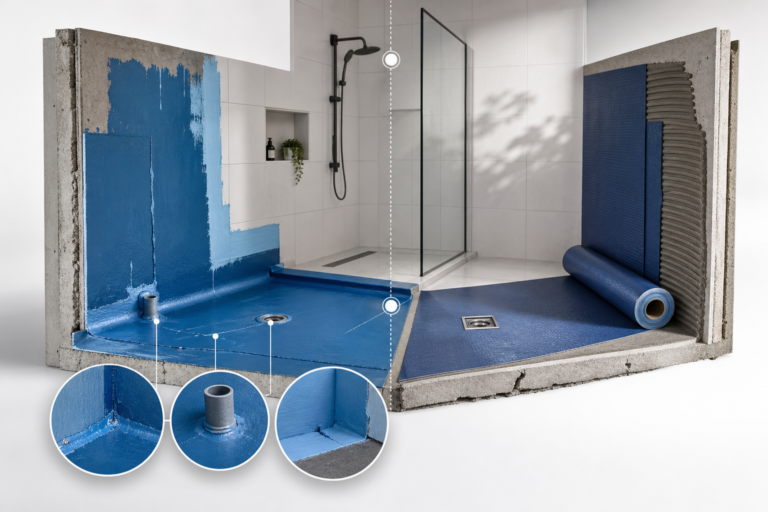
Waterproofing Membrane Types: Which Fails Most in NSW Bathrooms
Waterproofing failure is the single most common serious defect found in NSW apartments, and the type of membrane used, along
Read More »
Building Certifier NSW: Role, Limits, and When You Need More
A building certifier in NSW is a registered professional who issues construction certificates, conducts critical stage inspections, and grants occupation
Read More »