
Building Consultant Scott Schedule : A Guide for NCAT
You’ve got a leaking shower, cracked brickwork, or a floor that doesn’t feel level. The builder says it’s minor. Your own photos suggest otherwise. Your lawyer asks for a Scott Schedule. Suddenly you’re in NCAT territory, dealing with a document that sounds legal, technical, and easy to get wrong.
That’s where momentum is often lost. It is often assumed that a Scott Schedule is just a list of defects with a price beside each item. It isn’t. A proper building consultant scott schedule is a structured evidentiary document. It has to identify the issue, tie it to the contract or applicable standard, explain the rectification method, and support the costing in a way NCAT can follow.
After enough disputes, one pattern becomes obvious. Weak cases often don’t fail because the defect is imaginary. They fail because the evidence is vague, the costing is lumped together, or the schedule doesn’t match what NCAT expects under Procedural Direction 3. Strong schedules do the opposite. They isolate each issue, make each item provable, and remove room for confusion.
Introduction What is a Scott Schedule?
A Scott Schedule is a table used to organise disputed building items one by one. Each row deals with a single alleged defect, omission, or incomplete work item. That row then becomes the place where the applicant’s position and the respondent’s position can be compared directly.
In plain terms, it’s the working document that stops a building dispute turning into a pile of disconnected reports, emails, quotes, and photographs. Instead of arguing generally about “poor workmanship”, the parties have to deal with a numbered item list. Bathroom waterproofing. Window flashing. Ceiling level deviation. Brick expansion joint location. One issue at a time.
Why clients need to understand it early
Homeowners usually see the Scott Schedule after the dispute is already stressful. Builders often first see it when they realise every defect allegation will need a direct answer. Lawyers rely on it because it gives the tribunal a manageable way to read technical evidence.
A Scott Schedule isn’t just paperwork. It’s the document that forces each side to be precise.
That precision matters. If an item is described badly, the response will be just as messy. If the item is clear, measured, and supported by evidence, the dispute narrows quickly. In practice, that’s often the difference between a productive negotiation and a hearing full of argument about what the claim even means.
What it does in a real dispute
A useful way to think about it is as a defect-by-defect scorecard. The applicant’s expert sets out what is wrong, why it is wrong, and what it should cost to rectify. The respondent’s expert then accepts, denies, or partially accepts each item and gives reasons.
That format sounds simple. Preparing it properly isn’t. Good Scott Schedules come from careful inspection, accurate defect identification, solid references to the contract and standards, and costings that reflect the actual rectification scope rather than a rough allowance.
The Role of Scott Schedules in NCAT Building Disputes

In New South Wales, a Scott Schedule isn’t an optional extra in larger home building disputes. Scott Schedules are mandatory for home building disputes exceeding $30,000 under NCAT Procedural Direction 3 (2025), and NCAT handles over 25,000 consumer disputes annually, with approximately 15% involving residential construction defects according to Awesim’s explanation of Scott Schedules in NSW.
That tells you two things straight away. First, NCAT uses this format because it has to deal with a high volume of disputes. Second, if your matter crosses the threshold, the tribunal expects structure, not a bundle of loose allegations.
Why NCAT relies on this format
NCAT has to compare the applicant’s case against the respondent’s case efficiently. A Scott Schedule allows the tribunal to see, item by item:
- What is alleged: the specific defect, omission, or incomplete work
- Why it matters: the contractual breach or technical non-compliance relied upon
- What rectification is proposed: the actual scope of remedial work
- What it costs: the applicant’s figure and the respondent’s competing figure
- Where the dispute sits: accepted, denied, or partially accepted
Without that structure, hearings drift. Parties talk past each other. One side discusses cracking generally, the other discusses only cosmetic patching, and neither side addresses the same issue in the same way.
If you need a practical explanation of the expert’s role, this page on who provides a Scott Schedule is a useful starting point.
It is a procedural document, not a marketing estimate
One mistake parties make is treating the schedule like a quote comparison. It isn’t. A builder’s rough repair figure and a consultant’s forensic rectification costing serve different purposes. NCAT wants a document that helps decide the dispute, not just a commercial estimate.
That usually means the wording has to be disciplined. Each item should be narrow enough to answer properly. “Defective bathroom works” is too broad. “Main bathroom shower recess waterproofing failure causing moisture migration to adjacent wall lining” is the level of detail that allows a meaningful response.
A short overview can help if you’re unfamiliar with the tribunal process.
Where the real contest happens
In many matters, the Scott Schedule becomes the centre of the case. Expert reports still matter. Photos still matter. Contract documents still matter. But the schedule is where those materials are translated into a line-by-line position that NCAT can test.
The tribunal doesn’t want a cloud of grievances. It wants itemised issues that can be proved, answered, and decided.
That’s why a proper building consultant scott schedule has to be prepared with both construction logic and procedural discipline in mind.
Decoding the NCAT Scott Schedule Structure
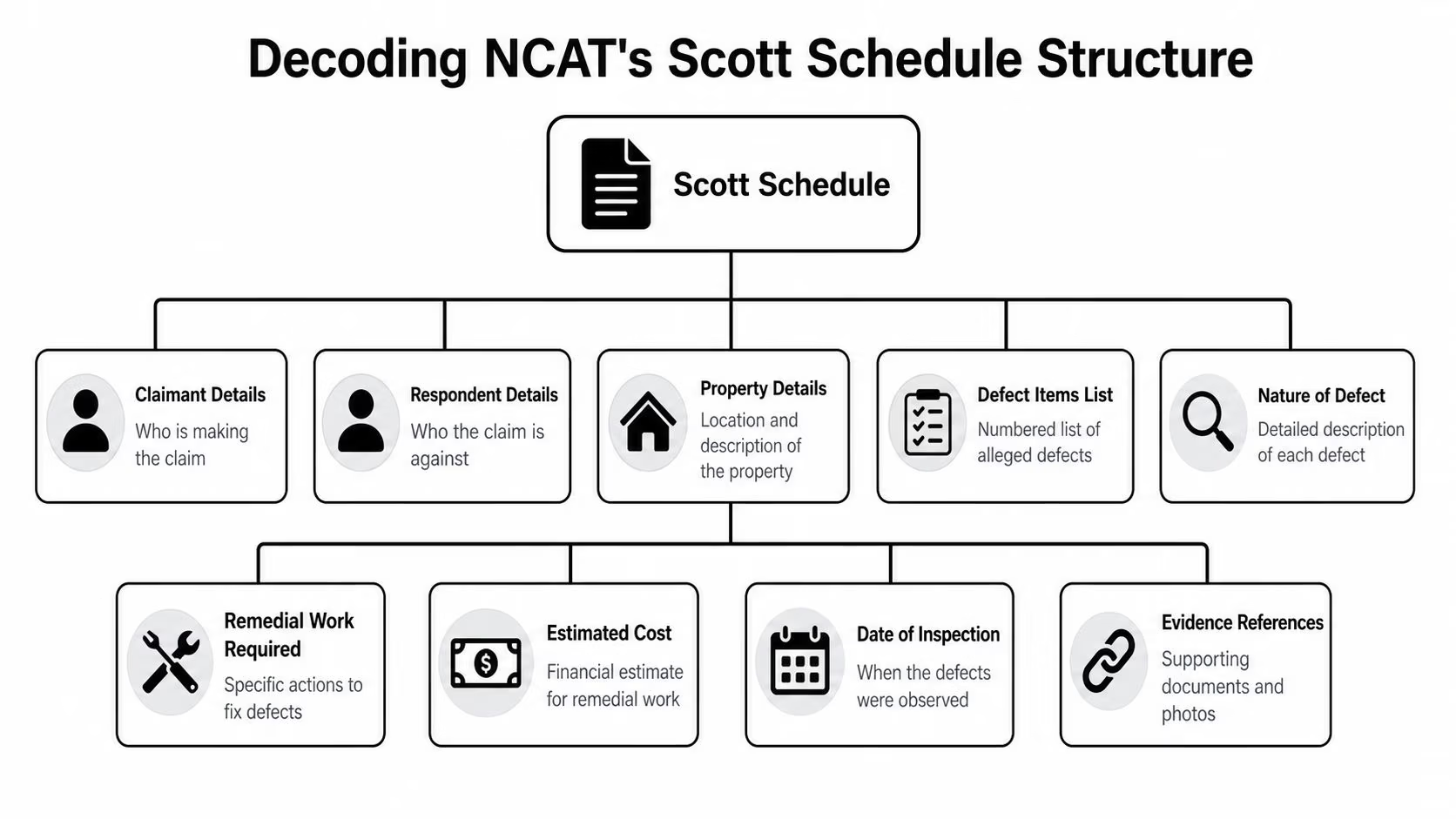
A compliant schedule works because every column has a job. If one column is weak, the entire item becomes vulnerable. Under NSW NCAT practice, the applicant’s expert generally completes the initial claim columns and the respondent’s expert then replies.
The core columns that matter
The applicant’s side usually starts with four key columns identified in NSW practice: Item Number, Contract requirement, Applicant’s comments, and Estimate of Loss, as outlined in this guide to what’s in a Scott Schedule.
Here’s how those columns should function in practice:
| Column | What belongs in it | Why it matters |
|---|---|---|
| Item number | A unique numbered reference for each defect item | Keeps evidence and responses aligned |
| Contract requirement | The clause, specification, drawing note, or relevant standard requirement | Shows the benchmark the work is being measured against |
| Applicant’s comments | The defect description, location, cause if identifiable, and expert opinion | Defines the actual complaint clearly |
| Estimate of loss | Detailed rectification costings with quantities, rates, and totals | Prevents vague lump sum claims |
What the respondent must do
The respondent’s expert then has to engage with each item directly. That usually means one of three positions:
- Accept: the defect and costing are agreed
- Deny: the item is disputed in substance, causation, scope, or both
- Partially accept: some aspect is admitted, but not the whole of the claim
A proper response isn’t just “not agreed”. It should explain why. Is the work compliant? Is the alleged defect only aesthetic? Is the proposed method excessive? Is the costing inflated because full replacement is claimed where localised repair is possible?
The structure has to tell a coherent story
The schedule should let a tribunal member read across the row and understand the dispute without hunting through folders. That means each item should connect to supporting material such as:
- Photographs: dated, clear, and properly labelled
- Measurements: dimensions, tolerances, levels, moisture readings where relevant
- Document references: plans, specifications, emails, site instructions, variation records
- Technical references: applicable Australian Standards, NCC provisions, or contract terms
- Cost support: quotations, rates, quantities, and a realistic sequence of works
If a tribunal member can’t tell what is wrong, where it is, and how you arrived at the cost, the item is carrying dead weight.
The strongest schedules are readable without being simplistic. They’re technical, but they don’t bury the key point in jargon.
How Awesim Prepares a Defensible Scott Schedule
A defensible schedule starts on site, not at a desk. The drafting only works if the inspection work is disciplined. That means identifying each defect properly, recording its location accurately, and separating symptom from cause.

What a defensible process looks like
The usual sequence is practical rather than dramatic. Inspect the property. Review the contract documents and any approved variations. Compare what was built against the contract requirement, the National Construction Code, and the relevant Australian Standards. Then decide what the rectification path is.
That last part is where many schedules become weak. It’s not enough to say work is defective. The schedule has to show what needs to be done to fix it. In some matters, rectification is localised and targeted. In others, access, demolition, drying, protection of adjoining finishes, and reinstatement all need to be included.
A sound building consultant scott schedule usually depends on these inputs:
- Site evidence first: photos, measurements, room references, and observed conditions
- Standards and contract alignment: a defect must be tied to a benchmark, not just opinion
- Rectification methodology: what gets removed, repaired, rebuilt, retested, and reinstated
- Cost logic: quantities and rates need to follow the actual scope of works
Digital tools help, but judgment still matters
The integration of digital tools is becoming more important. NCAT’s pilot of e-lodgment in Q1 2026 cut processing time by 30%, and a 2026 report from the Strata Community Association NSW found digital adoption correlated with a 22% higher success rate for homeowners in defect claims, as noted in this discussion of digital trends around Scott Schedules.
That doesn’t mean software writes a reliable schedule by itself. Excel templates, marked-up plans, photo indexing, and digital evidence registers help with consistency. They don’t replace judgment about causation, reasonable scope, or whether an item should be split into several rows instead of being bundled into one.
Awesim Building Consultants prepares site investigations, expert witness reports, and Scott Schedules for NCAT matters, which is useful where the same factual foundation needs to carry through from inspection to formal dispute documentation.
Good software improves organisation. It doesn’t fix bad defect identification or unsupported costing.
What doesn’t work
Overcomplicated schedules can be just as damaging as thin ones. If every row becomes an essay, nobody can follow it. If ten separate defects are crammed into one line item, nobody can answer it properly.
The workable middle ground is simple. One item, one issue, one location, one evidence path, one rectification scope.
Evidence Timelines and Costs for Your Scott Schedule
Clients usually ask three questions early. What proof do I need. How long will it take. What affects the cost of preparing it. Those are the right questions, because the schedule is only as good as the evidence feeding it.
For a dispute involving 20 to 30 defect items, the full process from inspection and documentation through quotes and drafting typically takes 2 to 4 weeks, according to this outline of Scott Schedule preparation timeframes. That timeframe is realistic when the property is accessible, the documents are available, and the defects can be inspected without delay.
What evidence usually carries weight
The strongest schedules rely on evidence that is specific and cross-checkable. In practice, that means more than a phone gallery and a list of complaints.
The core evidence set often includes:
- Photographic records: clear images showing context, close-up condition, and room location
- Measured data: lengths, widths, levels, moisture patterns, or other observed dimensions
- Contract documents: plans, specifications, inclusions, variations, and scope documents
- Communication records: defect notices, emails, builder replies, and directions
- Supporting prices: quotations or rate build-ups that match the proposed rectification method
A common weakness is when the evidence only shows the symptom. Staining on a wall may prove moisture presence. It doesn’t prove the source without further reasoning. The schedule has to bridge that gap carefully.
What affects the preparation timeline
Not every matter moves at the same pace. A straightforward dispute with accessible rooms, decent records, and a manageable list of defects is one thing. A partly occupied house, incomplete records, disputed variations, or hidden defects that need further investigation is another.
These factors commonly affect timing:
| Factor | Effect on preparation |
|---|---|
| Poor site access | Delays inspection and reinspection |
| Missing contract records | Slows identification of the benchmark |
| Incomplete defect notice history | Makes chronology harder to establish |
| Broad or bundled allegations | Requires reworking into proper line items |
What influences cost
There isn’t a single standard fee for every schedule, because the workload depends on the matter. Number of defects, complexity of the alleged failures, the amount of costing detail required, and whether the consultant also has to review reports from the other side all affect the scope.
If you’re comparing providers, ask whether the quoted work includes inspection, evidence collation, standards references, cost build-ups, schedule drafting, and response to clarifications. A low initial fee can become expensive if the document then needs major revision before filing.
The cheapest schedule is often the one that creates the most expensive argument later.
Sample Scott Schedule Item and Common Pitfalls
A single item shows the difference between a usable Scott Schedule and a weak one better than any abstract explanation. Below is a simplified example of how one row might read.
Annotated Example of a Scott Schedule Item
| Item | Defect Description & Location | Applicant’s Comments & Costed Solution | Respondent’s Comments |
|---|---|---|---|
| 7 | Waterproofing failure to main bathroom shower recess and adjacent wall junction | Visual moisture impact noted to lower wall lining adjoining shower area. Tiling and substrate arrangement require further opening for full confirmation. Applicant alleges the work does not meet the contract requirement and relevant waterproofing standard. Proposed rectification includes demolition of affected shower finishes, inspection of substrate, installation of compliant waterproofing system, reinstatement of finishes, sealing, testing, and making good adjoining disturbed surfaces. Cost should be broken into demolition, disposal, preparation, waterproofing, tiling, sealants, labour, and reinstatement. | Respondent may accept moisture impact but dispute cause, extent, or full replacement scope. Response should address whether localised repair is sufficient, whether the alleged breach is admitted, and whether the applicant’s costing is excessive. |
Why this item works better than most
It identifies a location. It states the nature of the issue. It avoids pretending certainty where opening-up may still be required. It also explains the rectification path instead of jumping straight to a round figure.
That approach mirrors a basic discipline operations teams already understand in other contexts. If you work with structured lists, this line item guide for operations teams gives a useful parallel for why clear, single-purpose entries are easier to review and challenge.
Common pitfalls that weaken a claim
Vague wording is one of the fastest ways to damage an item. “Bathroom defective” tells the other side almost nothing. It invites a broad denial and wastes hearing time.
No benchmark is another problem. If you don’t identify the contract requirement, drawing note, or relevant standard, the item can read like personal dissatisfaction instead of a technical claim.
Lump-sum costing is a constant issue. A figure with no quantities, rates, or work breakdown is hard to test and easy to attack.
Poor photo management also hurts. Unlabelled images with no room reference, date sequence, or scale don’t do much work for you.
NCAT reported that 15% of building disputes were dismissed in 2025 due to procedural non-compliance, according to DisputeIQ’s discussion of Scott Schedule use in construction disputes. Poorly prepared schedules aren’t the only reason that happens, but they are part of the risk profile.
A good item doesn’t try to sound impressive. It tries to be answerable.
Frequently Asked Questions
Do I need a Scott Schedule as a homeowner if I already have photos and a builder’s quote
Usually, yes, if your NCAT matter requires one. Photos show condition. A quote shows a price. Neither document, by itself, usually sets out the defect, the benchmark breached, the rectification methodology, and the opposing party’s response in the format the tribunal wants.
If your matter is moving toward expert evidence, a Scott Schedule often sits alongside an expert report rather than replacing it. A separate expert witness report service is often relevant where causation, compliance, or scope of rectification needs fuller explanation.
I’m a builder. How should I respond if the applicant’s schedule is overstated
Respond line by line, not emotionally. Accept what should be accepted. If you deny an item, say why. If you partially accept it, identify exactly what part is agreed and what part is not.
The weakest builder responses are blanket denials. They may feel efficient, but they usually make the respondent look evasive. A better response explains whether the issue is not defective, is outside scope, is caused by another trade, or can be rectified by a narrower and more proportionate method.
I’m acting for a lawyer. What makes a schedule easier to run in a hearing
Clarity and internal consistency. The item numbering should match the photographs, annexures, report references, and costing material. If the expert report says one thing and the schedule says another, the cross-examination starts writing itself.
Lawyers also benefit when the schedule separates technical issues cleanly. Defect identification, causation, and costing should support each other without becoming repetitive. A hearing runs more smoothly when the tribunal can move through the schedule in order and understand each contested item without reconstructing the file.
Can one Scott Schedule cover incomplete work, defects, and variations
Sometimes, but only if the categories are organised properly and the tribunal’s directions allow it. In practice, mixed schedules can become hard to follow if defective work, omitted work, delay-related items, and contractual variations are all blended together without clear headings or item logic.
Where several issue types exist, the drafting has to be more disciplined. Separate item groups, consistent terminology, and a clear distinction between defect rectification and contractual payment disputes can stop the document becoming confused.
Get Expert Help With Your NCAT Dispute
If your matter needs a Scott Schedule, getting the structure right early saves time and avoids avoidable procedural problems. The document has to do two jobs at once. It must make technical building issues clear, and it must fit the way NCAT expects those issues to be presented.
For firms and project teams already looking at wider technology workflows, tools discussed in AI for general contractors are also relevant to how evidence, documentation, and site information are organised before formal dispute drafting begins. The tool is only part of the answer. The judgment behind the document is still what carries the case.
If you need help with inspection, evidence, expert reporting, or a Scott Schedule prepared for an NCAT matter, email admin@awesim.com.au or call 1800 293 746.
If you need a clear, evidence-based path through a building dispute, Awesim Building Consultants can assist with inspections, expert witness reporting, and Scott Schedules prepared for NSW proceedings.
Related Posts

Water Damage in Homes: How to Track Down the Source
Water damage in a home rarely announces itself at the source. A stain on the ceiling, a musty smell in
Read More »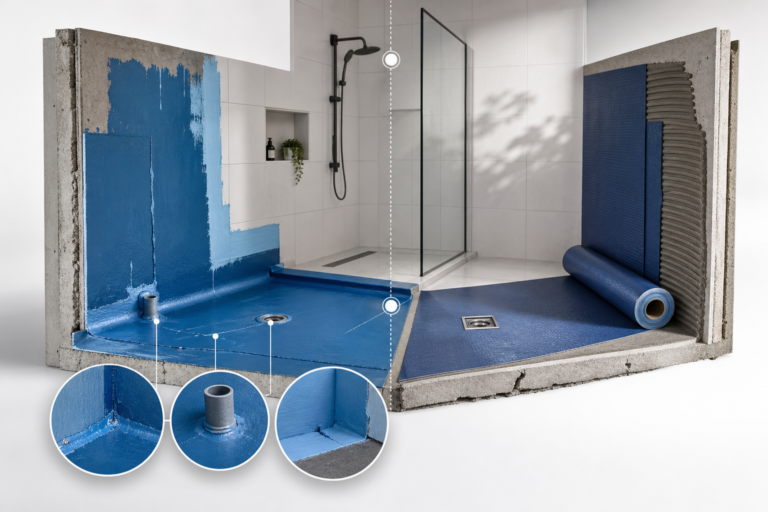
Waterproofing Membrane Types: Which Fails Most in NSW Bathrooms
Waterproofing failure is the single most common serious defect found in NSW apartments, and the type of membrane used, along
Read More »
Building Certifier NSW: Role, Limits, and When You Need More
A building certifier in NSW is a registered professional who issues construction certificates, conducts critical stage inspections, and grants occupation
Read More »