
Building Insurance Claims: NSW Assessment Guide

Updated October 31, 2026
A building insurance claim in NSW moves through five stages: notifying the loss, the insurer's site assessment, scope and causation review, internal dispute resolution, and, if needed, NCAT or the Home Building Compensation Fund. Knowing which stage you are at, what evidence is required, and when to engage an independent consultant determines whether building claims settle fairly or drag on for months.
Most owners come to this process under pressure. Water is coming in, plaster is swelling, or a crack that wasn't there last month has opened through brickwork. The insurer asks for photos, a claim number is issued, and suddenly you're dealing with assessors, scope of works, and policy wording you've never had to read before. The first few days matter.
This guide covers the key stages from first notification through to formal dispute resolution at NCAT, including what triggers a Home Building Compensation Fund claim and when independent building evidence becomes essential. NSW-specific rules shape each stage: Building Commission NSW holds powers under the Home Building Act 1989 that do not exist in every state, HBCF cover is administered by icare and subject to NSW warranty periods, and NCAT is the correct tribunal for domestic building disputes in this jurisdiction.
Notifying a Loss vs. Lodging a Formal Building Claim: What Is the Difference?
Notifying a loss and lodging a formal claim are two separate acts, and confusing them is one of the most common early mistakes NSW owners make.
Notifying a loss is the act of telling your insurer that a damaging event has occurred. You report what happened, when you noticed it, and what areas appear affected. The insurer acknowledges receipt and opens a file. That acknowledgement is not a decision. It is not an admission that your loss is covered. It is the beginning of their process.
Lodging a formal claim is the step where you assert your entitlement under the policy and provide the supporting information the insurer needs to assess liability. That includes a description of the event, photographs, any trade or inspection findings, and details of the damage. Until that material is submitted and assessed, no coverage decision has been made.
The distinction matters in practice. Some owners notify a loss verbally, hear nothing alarming in response, and assume the claim is progressing. Weeks later, they find the insurer has been waiting on documentation the owner didn't know was required. Meanwhile, the limitation period under the policy may be running, and the physical evidence on site has changed.
A few things to do immediately after notifying a loss:
- Confirm the claim reference number in writing.
- Ask the insurer what documentation they need and by when.
- Ask whether a site inspection will be arranged and who will conduct it.
- Keep a copy of every communication, including notes of phone calls with date, time, and the name of the person you spoke to.
Your policy will also specify a timeframe for lodging a formal claim after an event. Read that clause carefully. Policies vary, and late lodgement can affect your entitlement regardless of the merits of the underlying loss.
For owners dealing with storm, water, impact, or fire-related damage, this broader guide to home insurance claims is a useful starting point before the matter turns into a more formal dispute.
One more practical point: temporary make-safe work, tarping, isolating water ingress points, or securing an unsafe area can and should happen before the formal claim is fully lodged if there is immediate risk. Keep all records of that work. The insurer needs to see what condition the property was in before temporary repairs changed it.
How the Building Insurance Claims Assessment Process Works in NSW
The building insurance claims assessment process in NSW follows a broadly consistent sequence, even though timing varies from file to file. The Insurance Council of Australia reported that insurers processed 409,094 claims from catastrophes and significant weather events between early 2022 and mid-2026, totalling $11.3 billion in costs. Industry data also shows that 145,392 homes were damaged by catastrophes across Australia in 2025 alone. Those volumes mean insurers are managing large queues, and owners who submit complete, organised files move through the process faster.
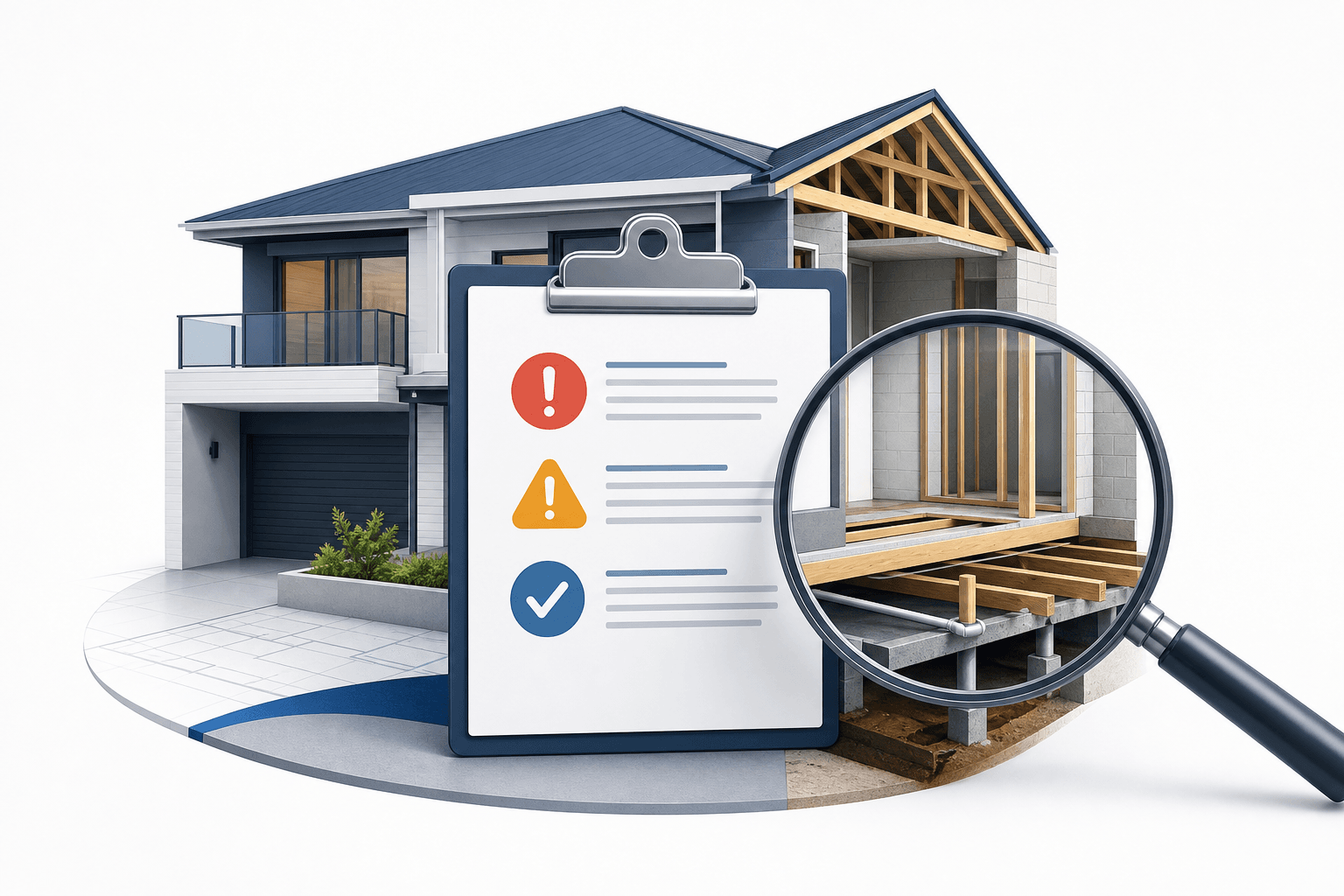
The steps below reflect the typical sequence on a live claim.
Notify the loss and open the file. Contact your insurer, describe the event and visible damage, and obtain a claim reference number. Create your own parallel file at the same time: photographs, emails, invoices, notes of phone calls, and any maintenance records.
Submit the formal claim documentation. Provide the insurer with the full picture: event description, dated photographs of all affected areas, any emergency works records, and details of when the damage first appeared. Incomplete submissions are the most common reason files stall at this stage.
The insurer arranges a site inspection. An appointed assessor or loss adjuster attends the property. Be present. Walk the entire affected area, not only the most obvious damage point. Flag any areas that are hard to access during the inspection, not after.
Causation and scope are reviewed. This is where disputes most commonly arise. The insurer may accept some damage but not all of it, approve patch repairs where broader rectification is needed, or characterise the damage as maintenance-related rather than event-related.
Further information may be requested. Plumber findings, roofer reports, historical photographs, or prior repair invoices are all commonly requested at this stage. Respond promptly and in writing.
A decision is issued. The outcome may be approval, partial approval, a request for further information, or denial. If the claim is accepted, check whether the approved scope actually returns the building to its proper condition. A limited scope can leave the owner funding the balance of the repair.
The assessment rarely settles everything in one inspection. If the first report is incomplete or the damage mechanism is misread, that error carries through the whole file unless someone corrects it with proper evidence.
| Claim stage | What helps | What causes delay |
|---|---|---|
| Initial lodgement | Clear event description and prompt reporting | Vague chronology or missing dates |
| Site inspection | Full access and complete damage list | Only showing one room or one defect |
| Scope review | Independent trade or consultant input | Conflicting informal opinions |
| Final decision | Organised evidence and prompt responses | Missing maintenance or repair history |
Understanding building disputes in NSW more broadly can also help owners recognise when a claim handling disagreement is starting to become a formal dispute requiring different tools.
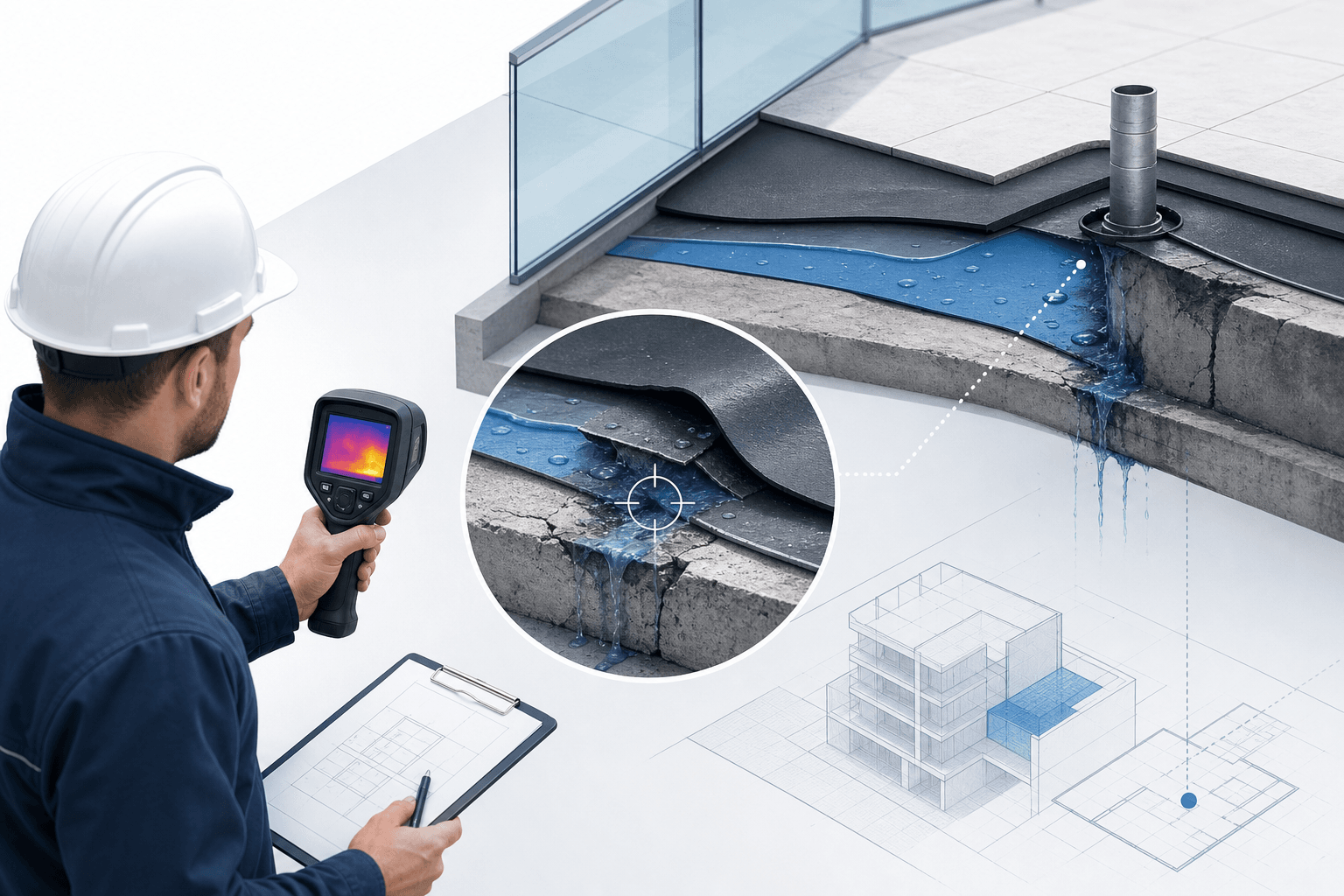
How to Document Your Building Claim for a Successful Outcome
Good evidence resolves arguments before they become formal disputes. Weak evidence forces you to rely on memory, and memory is not enough when an insurer challenges cause, timing, or extent of damage.
Photograph every damaged area from wide, mid-range, and close positions. Then photograph the paths that connect the damage. If water entered through a roof area and travelled through ceiling linings into walls and flooring, your file should show that chain, not just one isolated stain. Keep a written chronology with dates, observations, weather event timing where relevant, who attended, and what changed over time.
Use this checklist as a guide:
- Site-wide photographs: Include external elevations, roof line if visible, gutters, ceilings, walls, flooring, joinery, and any cracking or displacement.
- Video walkthrough: A simple narrated walkthrough shows the spread of damage in a way still photographs cannot.
- Emergency works records: Keep invoices, attendance notes, moisture readings, and photographs taken before temporary repairs altered the condition.
- Maintenance history: Collect prior roof repairs, plumbing works, repainting, or waterproofing records. Insurers test whether damage came from a sudden insured event or long-term deterioration.
- Communications log: Save all emails and write down phone calls with date, time, person spoken to, and outcome.
- Replacement and repair documents: Quotes, tax invoices, and previous inspection reports can all become relevant later.
International claims data from Finch, a US-based claims platform, gives useful context on why owner evidence quality matters: across its database, the median time from claim intake to final payment was 318 days, and on selected property claim files the gap between insurer and public adjuster estimates was substantial. Those figures reflect a US market, not NSW insurer behaviour specifically. But the underlying pattern, that incomplete owner evidence tends to produce narrower settlements and longer timelines, applies broadly.
For water-related losses, this practical guide on how to maximize your water damage payout highlights the kinds of records owners often overlook in the early stage.
A strong file answers these questions clearly:
| Question the insurer will ask | Evidence that answers it |
|---|---|
| What was damaged? | Labelled photographs, room-by-room notes |
| When did you discover it? | Dated chronology and first report to insurer |
| What caused it? | Site observations, trade findings, consultant opinion if needed |
| Was it already there? | Prior photographs, maintenance records, previous inspections |
| What work is needed? | Detailed scope of works, not just a lump-sum quote |
One practical rule: do not clean up the story while you clean up the damage. Preserve the evidence first.
Resolving a Builder Dispute Directly Before It Becomes a Formal Claim
Many building disputes can be resolved without ever reaching an insurer or a tribunal, provided the owner acts methodically and keeps a clear paper trail from the start.
The steps below reflect the practical sequence for NSW owners dealing with a builder who has left defective work, failed to complete contracted works, or become unresponsive.
Attempt to resolve the dispute directly with the builder. Contact the builder personally, describe the specific defects or incomplete items, and give them a reasonable opportunity to respond. Keep a record of when you made contact and what was said.
Document the issues in writing. Follow up any verbal contact with a written email or letter. Describe each defect or incomplete item specifically, reference the relevant contract if one exists, and state what rectification you are seeking.
Seek assistance from Building Commission NSW if direct attempts fail. Building Commission NSW holds powers under the Home Building Act 1989 to investigate complaints, issue rectification orders, and take disciplinary action against licence holders. This step does not replace a formal legal process, but it can produce a result without one, particularly where the builder still holds a current licence.
Verify whether a trigger event has occurred. If the builder has become insolvent, died, or disappeared, the dispute pathway changes. Those events may activate the Home Building Compensation Fund rather than a direct builder negotiation. That process is covered in the next section.
Attend the property inspection. If Building Commission NSW or another body arranges an inspection to review listed defects, attend and walk the inspector through every item.
Obtain quotes from registered builders to repair or complete the works identified in any defect schedule. These quotes give you a realistic cost figure and form part of the evidence base if the matter proceeds to NCAT.
The earlier you move from informal complaint to written record, the stronger your position becomes. If the matter does proceed to NCAT, that written record shows you gave the builder a proper opportunity to rectify before you escalated.
For a detailed overview of the NCAT process itself, the guide to NCAT home building disputes in NSW covers the application steps, evidence requirements, and what to expect at a hearing.
What Are HBCF Trigger Events and How Do They Affect Your Claim?
The Home Building Compensation Fund (HBCF), administered by icare in NSW, provides a safety net for homeowners when a builder can no longer be held directly accountable. It is not general building insurance. It is last-resort cover that only activates when a specific trigger event has occurred.
There are three recognised trigger events under the HBCF scheme:
- Death of the builder. If the licensed contractor who performed the work has died, the homeowner cannot pursue them directly. The HBCF provides a pathway to claim for incomplete or defective work in those circumstances.
- Insolvency of the builder. If the builder has entered administration, liquidation, or bankruptcy, a direct claim against them is effectively blocked. Insolvency is the most common trigger event in practice.
- Disappearance of the builder. If the builder cannot be located after reasonable attempts, and there is no evidence they are trading or contactable, the HBCF may recognise this as a trigger. The threshold for what constitutes disappearance is applied carefully.
Until one of those three events is confirmed, the HBCF will not accept a claim. Owners sometimes assume that because a builder is difficult, unresponsive, or has done poor work, they can go straight to the fund. That is not how the scheme operates. The direct resolution steps described above must be attempted first, or the trigger event must be established.
Once a trigger event is confirmed, icare assigns a building consultant to inspect the property and review the defects listed by the owner. That inspection forms the basis of the fund's assessment. Attend in person, bring your written defect list, and walk through every item during the inspection. Items not raised at that stage may be harder to include later.
Quotes from registered builders are then obtained to price the rectification works. The HBCF uses those quotes to determine the settlement figure, subject to the policy limits and conditions.
The HBCF also requires written notification of loss within the applicable warranty periods. Missing that window can affect your entitlement regardless of the merits of the underlying defects. If you are unsure whether your situation involves a trigger event or whether the notification period is still open, the guide to HBCF claims assessments in NSW covers the scheme conditions in more detail.
Common Reasons Building Claims Are Disputed, and How to Respond
Disputed building claims in NSW tend to turn on a small number of recurring issues. The language changes from file to file, but the patterns are familiar.
Causation is contested
The insurer may accept that damage exists but dispute whether the insured event caused it. In practice, this means a disagreement about whether the damage came from storm entry, long-term leakage, defective construction, movement, settlement, poor maintenance, or some combination of those factors.
Short assessor reports that record "water damage noted" without explaining the mechanism of entry, the likely timeline, or which building elements are affected give you almost nothing to work with. The insurer's position hardens around a narrow characterisation, and you have no technical material to challenge it.
The insurer accepts part of the damage but not the full scope
This is one of the most common practical problems in building claims. The insurer may approve a ceiling patch but reject associated wall damage, insulation replacement, or roof rectification. You hear "claim accepted" and assume the matter is resolved. Often it is not. A limited scope can leave you funding the balance of the repair, or living with a patchwork outcome that does not address the underlying failure.
Pre-existing defects are alleged
Where there are older cracks, previous repairs, ageing roof coverings, or signs of prior moisture, the insurer may argue the current damage was not caused solely by the claimed event. Sometimes that position is valid. Sometimes it is applied too broadly. The key question is not whether the building had any prior age or defect; most buildings do. The question is whether the insured event caused compensable damage, or materially worsened a condition in a way the policy responds to.
How to respond
Internal complaints rarely fix a technical dispute. If the insurer's file already contains an assessment that narrows causation or scope, repeating the same points without better evidence usually produces the same result.
At that volume of claims, files with weak or incomplete owner evidence are unlikely to receive a second look without a specific technical challenge.
An independent structural or building assessment is the most direct way to challenge a disputed scope or causation finding. As noted in this discussion of structural insurance claim assessment, independent expert reports are the key to bridging the evidence gap required for NCAT proceedings. A qualified construction claims expert can document causation and scope in terms the Tribunal can assess. If you believe the insurer's assessment is materially wrong, prepare as though the matter may need to be tested outside the insurer's internal process.
Taking a Building Dispute to NCAT: What NSW Owners Need to Know
NCAT, the NSW Civil and Administrative Tribunal, handles domestic building disputes within its Consumer and Commercial Division. It can issue money orders, direct rectification, and, if a builder ignores a money order, refer the matter to the Building Commission NSW for licence suspension. It does not award compensation for physical injury arising from building work.
NCAT becomes relevant when direct resolution and internal insurer complaint processes have not produced a fair outcome. For owners dealing with a disputed insurance scope, a builder who has refused to rectify defects, or a matter that has moved beyond informal negotiation, NCAT is the structured pathway that gives both parties equal footing.
In its 2023-2024 reporting year, NCAT received 71,223 applications across all divisions. Of those, 82.5% of applications within the Consumer and Commercial Division were submitted online, which reflects how accessible the application process has become. Most owners can lodge without a lawyer, though legal advice on the merits of the claim is worthwhile before committing to the process.
NCAT charges application fees that vary by the type and value of the claim. The fee structure is tiered and reviewed periodically, so check the current schedule on the NCAT website before lodging. NSW building disputes go to NCAT, not VCAT (the Victorian Civil and Administrative Tribunal). The procedural rules and practice notes differ between the two jurisdictions, so make sure any guidance you rely on applies to NSW.
What NCAT needs from you is evidence, not argument. It is assisted by:
- A clear statement of the defects or incomplete works, itemised and described precisely.
- Photographs tied to each item.
- An independent building report that addresses causation and recommended rectification.
- A Scott Schedule where the matter involves multiple disputed items.
- Quotes from registered builders for the rectification works.
An Expert Witness Report for building matters prepared by a qualified consultant is often the document that determines whether an NCAT application succeeds or stalls. The report must be independent, factual, and tied to site observations. Advocacy dressed as expert opinion carries little weight at the Tribunal.
Time limits apply to building claims at NCAT. The relevant limitation periods depend on whether major or minor defects are involved. Do not assume you have unlimited time to prepare. If you are unsure whether your matter is still within time, get that question answered before investing in evidence preparation.
When to Engage an Independent Building Consultant for Your Claim
The right time to engage an independent building consultant is not after you have exhausted every internal option. It is when you can see that the dispute is about technical building issues, not just claim administration.
If the insurer's assessor has characterised damage as maintenance-related when you believe it is event-related, that is a technical dispute. If the approved scope ignores the underlying cause of the failure, that is a technical dispute. If the builder says the work is complete and you believe it is not, that is a technical dispute. In each case, the outcome depends on whose building evidence is more persuasive, not whose complaint is louder.
An independent consultant inspects the property, documents observed conditions, considers causation from a construction perspective, and sets out a rectification scope in language that can be tested. That report must be capable of surviving scrutiny at NCAT or in court. It is not a letter of support. It is evidence.
The earlier the engagement, the better the evidence. Once temporary repairs are done, damaged materials are removed, or the site has been altered, the best physical evidence is gone. A consultant who inspects before those changes can record conditions that no later report can reconstruct.
Awesim Building Consultants is an Australian building consultancy operating across NSW since 1996 that prepares independent Expert Witness Reports, Scott Schedules, Quantum Meruit Reports, and Forensic Waterproofing Inspection reports for use in NCAT, NSW District Court, and Supreme Court proceedings. The firm serves homeowners, builders, solicitors, and strata managers whose building disputes require evidence-based reports suitable for formal proceedings.
For owners whose claim has become a formal evidence dispute, the practical next step is an independent site inspection while the evidence is still available.
Prices and plan limits verified as of October 2026.
FAQs
Can I claim living expenses while my home is being repaired under a building insurance claim?
Check your policy's Additional Benefits or Special Benefits section for a temporary accommodation or alternative accommodation clause. If the insurer accepts that the property is uninhabitable due to an insured event, that clause typically covers reasonable accommodation costs up to a stated limit and period. Confirm the daily or weekly cap and the maximum duration in writing with your insurer before making any arrangements, as the insurer must agree the property is uninhabitable before the benefit applies.
Is a builder’s quote enough evidence for an NCAT building dispute?
A builder's quote prices the work. It does not analyse causation, address whether the defects are the builder's responsibility, or explain the technical basis for the rectification scope. NCAT needs evidence that connects the observed defects to a cause, identifies who is responsible, and supports the scope and cost of repair. An independent building report, and in many matters a Scott Schedule, is required alongside any quotes.
What happens if the insurer’s assessor and my independent consultant disagree?
Disagreement between the insurer's assessor and an independent consultant is common in disputed building claims. The insurer will rely on its own assessment unless you provide a technically sound alternative. If the matter proceeds to NCAT or another formal process, the Tribunal will consider both reports and assess which is better supported by site evidence, construction knowledge, and reasoning. A well-prepared independent report that ties each conclusion to observed conditions carries more weight than a brief assessor summary.
Do I need a lawyer to lodge an application at NCAT for a building dispute?
You do not need a lawyer to lodge an NCAT application. Most owners apply online without legal representation. However, legal advice on the merits of your claim, the evidence required, and the likely orders available is worthwhile before you commit to the process. In more complex matters, or where the amount in dispute is significant, having a lawyer familiar with building disputes can make a material difference to the outcome.
What is a Scott Schedule and when is it used in a NSW building dispute?
A Scott Schedule is a document used in building disputes to list each alleged defect or incomplete work item so both parties and the Tribunal can address them one by one. It replaces general complaint letters with a structured, item-by-item record of what is disputed. NCAT may direct parties to prepare one where multiple defects are in issue. See Waterproof Membrane Failure: How Inspectors Find the Cause for an example of how defect evidence is documented in practice.
Conclusion
A building insurance claim in NSW is a multi-stage process where the quality of your evidence, not just the strength of your grievance, determines the outcome. Notifying a loss is not the same as lodging a formal claim, and an accepted claim is not the same as an adequate repair scope. The owners who reach fair settlements are usually the ones who documented the damage early, understood which stage of the process they were in, and engaged independent building expertise before the physical evidence disappeared.
If your claim has stalled, been partially accepted, or produced a scope that does not reflect the actual damage, gather your photographs, maintenance records, and correspondence into a single file. Identify the specific items in dispute. Get a building consultant on site while the evidence is still accessible, because that inspection is the foundation of every argument that follows.
See Full Bio
Related Posts
![Businessman in a suit analyzes a 3D building model on blueprints with a hard hat nearby and a crane in the background, conveying construction planning and law.]](https://awesim.com.au/wp-content/uploads/2026/10/2ba440c4-9d47-4802-adf1-8b6f241eb8ff-768x512.png "2ba440c4-9d47-4802-adf1-8b6f241eb8ff - Awesim Building Consultants")
Construction Claims Experts and Witness Reports
Updated October 30, 2026 A construction expert witness is a qualified specialist, whether a structural engineer, building consultant, scheduler, or
Read More »
Building Inspection Reports and Expert Evidence
Updated October 29, 2026 You've received a building and inspection report and you're not sure what to do with it.
Read More »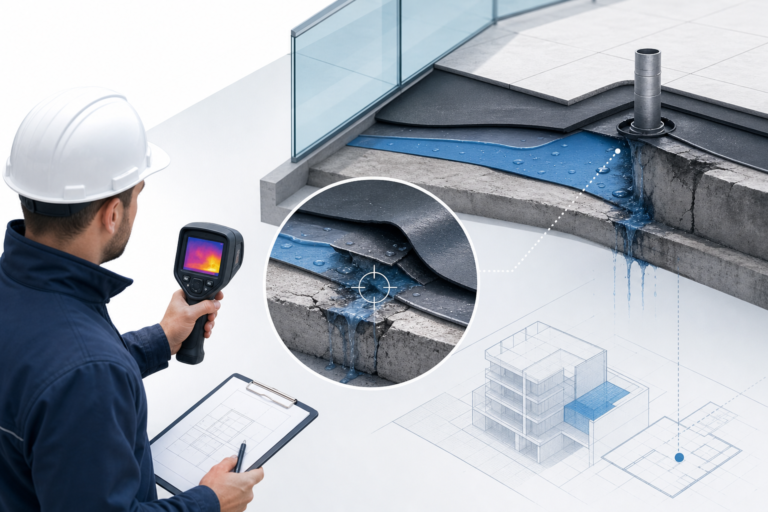
Waterproof Membrane Failure: How Inspectors Find the Cause
Waterproof membrane failure is diagnosed by tracing the water entry point, reviewing design documents, exposing the membrane for visual inspection,
Read More »