
Building Dispute Lawyer vs Building Consultant: Who You Need at Each Stage of a NSW Claim

- What Each Professional Actually Does
- The Stages of a NSW Building Claim and Who Leads Each One
- A Practical Guide to Sequencing Your Spend
- What to Look for in Each Professional
- When the Lines Blur
- Frequently Asked Questions
A building dispute lawyer advises on legal rights, procedure and deadlines. A building consultant investigates the work and provides technical opinions. You may need either or both, depending on the issues and stage of your NSW claim. The roles can run alongside each other.
Getting the sequence wrong is costly. Hiring a solicitor before you have any technical evidence means paying legal rates to establish facts that a building consultant should be documenting. And relying on a building consultant for legal strategy is equally misguided. These are distinct roles, and knowing where each one fits will help you move through a NSW claim without burning money or undermining your position.
What Each Professional Actually Does
What a Building Dispute Lawyer Does
A building dispute lawyer advises you on your legal rights, prepares and files court or tribunal documents, negotiates settlements, and represents you at hearings. They know the procedural rules of NCAT, the District Court, and the Supreme Court. They can assess whether your claim is worth pursuing, explain what remedies are available under the Home Building Act 1989, and help you respond to a builder's legal team.
What they cannot do is inspect your property, identify the root cause of a defect, or tell a tribunal from personal knowledge whether a waterproofing membrane was installed incorrectly. For that, they need technical evidence prepared by someone else.
What a Building Consultant Does
A building consultant inspects the physical work, identifies defects, documents their cause, and prepares reports suitable for use as evidence. In a formal dispute, this typically means an independent expert witness report prepared to satisfy the the applicable expert witness code Expert Witness Code of Conduct.
A building consultant is not your advocate. Their duty runs to the court or tribunal, not to you. That independence is precisely what makes their evidence credible. A well-prepared expert report tells the decision-maker what the defects are, what caused them, what rectification will cost, and why those conclusions are technically sound.
The Stages of a NSW Building Claim and Who Leads Each One
Stage 1: You Suspect a Problem
Something is wrong. Cracking tiles, a leaking shower, incomplete work, a builder who has gone quiet. There is no formal dispute yet.
Who you need: a building consultant first.
Arrange an independent inspection when you need to understand the condition of the work, possible causes and repair options. If a deadline, termination, payment claim or urgent order is involved, seek legal advice promptly while the technical investigation proceeds.
Stage 2: You Are Trying to Resolve It Directly
You have raised the issue with the builder. They are disputing liability, offering a partial fix, or simply not responding. You are weighing whether to escalate.
Who you need: a building consultant, possibly with a solicitor's input.
A formal defect report at this stage can prompt settlement without tribunal involvement. Many disputes resolve once a builder receives an independent expert report that clearly documents the defects and prices the rectification work. A solicitor can review the report and advise whether the builder's response is reasonable, but the technical evidence is what drives the conversation.
Stage 3: You Are Filing at NCAT or Court
You have decided to proceed formally — an NCAT application is lodged, or a solicitor has advised filing in the District Court or Supreme Court.
Who you need: both, working together.
This is where the two roles become genuinely interdependent. Your solicitor handles the procedural side: filing, directions hearings, evidence rules, and interlocutory steps. Your building consultant prepares the expert witness report that forms the core of your technical case.
For NCAT matters, check Procedural Direction 3 and its Experts’ Code of Conduct, together with the orders in your case. NSW court proceedings may require compliance with UCPR Schedule 7. The report must address the requirements of the forum in which it will be used.
Scott Schedules are also commonly required at this stage. These structured documents itemise each defect, the respondent's position, and the associated rectification cost. Your building consultant prepares the schedule; your solicitor uses it to frame the legal argument.
Stage 4: The Dispute Is About Payment, Not Just Defects
If the dispute concerns money owed for construction work performed without a fixed-price contract, a Quantum Meruit report may be required. This is a technical assessment of the fair value of work completed, based on what a reasonable contractor would charge for that scope.
Who you need: a building consultant with Quantum Meruit experience, and a solicitor.
The legal basis for the claim is your lawyer's territory. The technical valuation of the work is your building consultant's. Both pieces of evidence are needed to run the claim effectively.
Stage 5: Hearing Preparation and Expert Conferences
In more complex matters, the tribunal or court may direct the parties' experts to confer and produce a joint report identifying agreed and disputed issues — commonly called an expert conclave or joint expert conference.
Who leads: your building consultant, with your solicitor's preparation.
Your solicitor will brief your consultant on the issues in dispute and help them prepare for the conference. The consultant then engages directly with the opposing expert. The outcome of that conference can significantly narrow what needs to be resolved at hearing, reducing time and cost for everyone involved.
A Practical Guide to Sequencing Your Spend
One of the most common and expensive mistakes homeowners make is committing to legal advice before they have any technical evidence. A solicitor working without an expert report is advising you on an uncertain factual foundation. You are paying for legal strategy built on incomplete information.
A more practical sequence looks like this:
- Get an independent building inspection and preliminary defect assessment
- Use that assessment to decide whether the dispute is worth pursuing
- Engage a solicitor once you have technical evidence to show them
- Commission a formal expert witness report once proceedings are filed or imminent
- Let your solicitor and building consultant work together through the hearing process
This keeps your legal spend targeted and ensures your technical evidence is solid before any money is committed to formal proceedings.
What to Look for in Each Professional
For a building dispute lawyer, look for someone with specific experience in construction and home building matters under NSW law. General litigation solicitors can handle building disputes, but familiarity with the Home Building Act, NCAT procedures, and the evidence rules for expert witnesses makes a real difference in practice.
For a building consultant acting as an expert witness, the key requirements are independence, technical credibility, and a working knowledge of the applicable expert witness code. The consultant must be able to confirm that their report complies with the Expert Witness Code of Conduct and that they understand their duty to the court. Reports prepared by someone with a commercial relationship to one of the parties — or without knowledge of the code's requirements — are vulnerable to challenge.
Awesim Building Consultants provides independent expert witness reports for NSW building disputes. Glen Sim has over 35 years of construction experience and more than 15 years of litigation support experience. The report scope and applicable expert evidence requirements are confirmed for each engagement.
When the Lines Blur
There are situations where the boundary between legal and technical advice becomes less clear. A building consultant may be asked to comment on whether a contract clause was followed. A solicitor may need to understand technical detail to cross-examine an opposing expert effectively. That is normal, and it is part of how the two roles interact in complex matters.
What matters is that each professional stays within their area of competence. A building consultant should not be advising on legal strategy. A solicitor should not be opining on whether a waterproofing system was installed to Australian Standards. When each professional focuses on what they actually do well, the evidence is stronger and the claim is more coherent.
For matters heading toward the District Court or Supreme Court, keeping a clear and organised record of inspections, reports, correspondence, and directions from the outset is worth the effort. These disputes can run for months or years, and a disorganised evidence file creates problems that are expensive to fix later.
Frequently Asked Questions
Do I need a building dispute lawyer before I contact a building consultant?
No. In most cases, it makes more sense to get a building inspection and preliminary defect assessment first. That technical evidence gives a solicitor something concrete to work with and helps you decide whether the dispute is worth pursuing formally.
Can a building consultant give me legal advice about my claim?
No. A building consultant can tell you what the defects are, what caused them, and what they will cost to fix. Legal advice about your rights, remedies, and litigation strategy is the solicitor's role. The two should work together, not substitute for each other.
Which expert witness code applies?
UCPR Schedule 7 sets out the Expert Witness Code of Conduct for relevant NSW court proceedings. NCAT has its own expert evidence requirements in Procedural Direction 3. Confirm the code and case orders with your solicitor or the Tribunal before briefing an expert.
What is a Scott Schedule and who prepares it?
A Scott Schedule is a structured document that lists each defect or disputed item alongside the relevant party's position and the associated cost. It is commonly required in NCAT building disputes to organise the issues before a hearing. Your building consultant prepares the technical content; your solicitor uses it as a framework for the legal argument.
What is a Quantum Meruit report and when do I need one?
A Quantum Meruit report assesses the fair value of construction work performed without a fixed-price contract. It is used when a builder is claiming payment for work done and there is no agreed price, or when the scope changed significantly from what was originally contracted. The report provides a technical valuation that the court or tribunal can rely on.
How much does an expert witness report cost in NSW?
Expert witness reports in NSW typically range from $2,000 to $10,000 AUD, with approximately $4,500 as a common figure for a standard engagement. The actual cost depends on the complexity of the defects, the number of items to be assessed, and the scope of inspection required.
Can one firm handle both the expert witness report and the Scott Schedule?
Yes, and it is often more efficient. When the same building consultant prepares both documents, the defect descriptions and costings are consistent across the evidence. Inconsistencies between separately prepared documents can create problems under cross-examination.
The clearest way to think about it: a building dispute lawyer argues your case, and a building consultant proves the facts. You need both, and the order in which you engage them matters. Start with the technical evidence, then build the legal strategy around it.
If you are preparing for an NCAT hearing or NSW court proceeding and need an independent expert witness report, Scott Schedule, or Quantum Meruit assessment, Awesim Building Consultants offers a free initial consultation. Reach the team at awesim.com.au or call 1800 293 746.

Related Posts
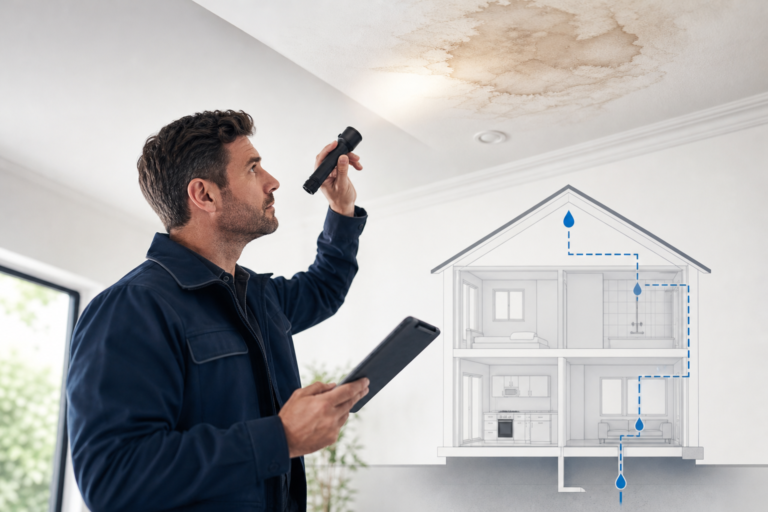
Water Damage in Homes: How to Track Down the Source
Water damage in a home rarely announces itself at the source. A stain on the ceiling, a musty smell in
Read More »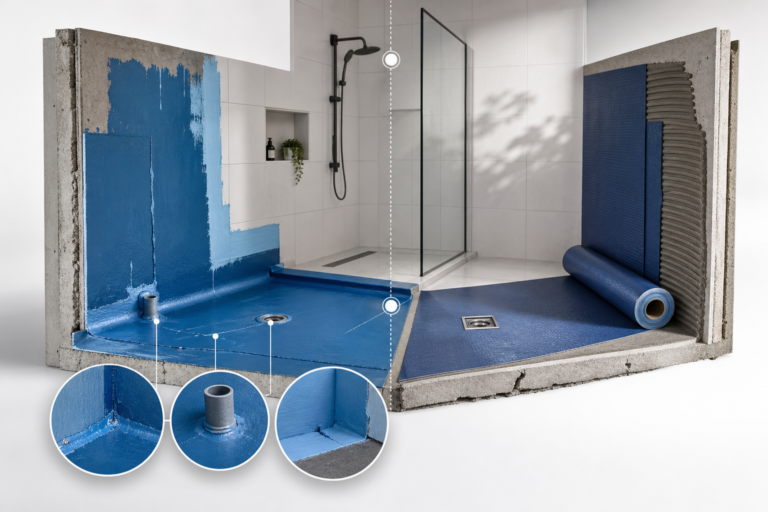
Waterproofing Membrane Types: Which Fails Most in NSW Bathrooms
Waterproofing failure is the single most common serious defect found in NSW apartments, and the type of membrane used, along
Read More »
Building Certifier NSW: Role, Limits, and When You Need More
A building certifier in NSW is a registered professional who issues construction certificates, conducts critical stage inspections, and grants occupation
Read More »