
Your Guide to Expert Witness for Building Disputes in 2026
Finding yourself in a building dispute in NSW can be an incredibly stressful and confusing time. This is where an expert witness for building disputes becomes your most valuable asset. Think of them as a translator—someone who can take complex construction problems and turn them into clear, factual evidence for a tribunal or court.
Your Guide to Winning with an Expert Witness

Whether you’re a homeowner looking at worrying cracks, a builder defending your work, or a lawyer managing a complicated case, the road to resolution isn’t always clear. Building standards, contracts, and defect analysis involve a level of technical detail that goes far beyond a typical legal argument.
An expert witness is the professional who bridges that gap. It’s crucial to understand they aren’t there to be a biased advocate for your side. Their primary duty is to the NSW Civil and Administrative Tribunal (NCAT) or the court, providing an independent and objective opinion. This impartiality is precisely what makes their testimony so powerful.
The Role of an Independent Expert
Imagine a building dispute is a jigsaw puzzle made of highly technical pieces. The expert witness is the person who knows exactly how those pieces—from the Building Code of Australia to specific Australian Standards—are meant to fit together. They assess the real-world situation and explain the ‘what’ and ‘why’ of a building defect in a way the tribunal can easily grasp.
This guide is designed to pull back the curtain on the role of an expert witness. We’ll show you how finding the right professional can create a rock-solid foundation for your case. Drawing on our team’s 35+ years of hands-on building experience, we want to give you an insider’s perspective on how to achieve a fair outcome.
With over 15 years providing litigation support to home owners, builders and lawyers, Awesim Building Consultants knows what it takes to convert complex building failures into robust, NCAT-compliant evidence. Our deep experience across both construction and legal frameworks ensures your case is built on a foundation of fact.
An expert witness performs several critical functions throughout the dispute resolution journey. From the first site visit to a potential NCAT hearing, their involvement is structured to bring clarity and objectivity to the proceedings.
Here’s a breakdown of their primary responsibilities.
Key Roles of an Expert Witness in NSW Building Disputes
| Function | Description | Why It Matters for Your Case |
|---|---|---|
| Site Inspection & Assessment | The expert conducts a thorough, on-site investigation of the alleged defects, documenting findings with photos and detailed notes. | This forms the factual basis of the entire report. A meticulous inspection ensures no detail is missed. |
| Technical Analysis | They analyse the findings against the Building Code of Australia (BCA), relevant Australian Standards, and the original contract documents. | This is where the expert connects the defect to a specific breach of a standard or code, which is essential for proving a claim. |
| Report Preparation | The expert compiles a formal report that clearly outlines each defect, the cause, the required rectification method, and the estimated cost. | This report is your primary piece of evidence. It must be clear, objective, and comply with NCAT’s expert evidence requirements. |
| Giving Evidence | If the case proceeds to a hearing, the expert may be called to present their findings and answer questions from the tribunal and the other party (cross-examination). | The expert’s ability to confidently and clearly explain their technical opinion under pressure gives their evidence significant weight. |
Ultimately, a qualified expert provides an objective roadmap that helps the tribunal navigate the technical complexities of the dispute.
Who Benefits from an Expert Witness
Hiring an expert isn’t a strategy reserved for just one party. Their impartial analysis serves as a powerful tool for everyone involved in a building matter.
- Homeowners: An expert report can validate your concerns about shoddy work, calculate the true cost of repairs, and give you the credible evidence needed to back up your claim.
- Builders and Contractors: A report can be used to defend the quality of your workmanship, prove compliance with all relevant standards, or provide an objective view on issues that fall outside your responsibility.
- Lawyers and Solicitors: For legal professionals, a well-written report from a seasoned building consultant is the technical backbone of your case, providing the substance needed for powerful arguments in NCAT.
The main goal is to shift the argument from a messy “he said, she said” situation to a clear, fact-based discussion. This is where the real value of an expert witness for building disputes shines, often creating a path to resolution long before a final hearing becomes necessary. For more information on our specific qualifications, you can learn about our role as a dedicated building consultant.
What a Building Expert Witness Actually Does
So, what does an expert witness for building disputes really do day-to-day, once you strip away all the legal terminology? The simplest way to think of them is as a ‘construction detective’ who meticulously investigates defects. Their primary goal isn’t to point fingers or assign blame, but to uncover objective, verifiable facts.
Crucially, their overriding duty is to the NCAT tribunal itself, not to the client who hired them—whether that’s a homeowner, builder, or solicitor. This principle of impartiality is the bedrock of their role. It’s what gives their evidence credibility and helps turn a heated, emotional dispute into a matter of fact.
This commitment isn’t just a professional courtesy; it’s a strict legal requirement. You can get a clearer picture of their obligations by reading our guide on the Expert Witness Code of Conduct. Understanding these rules makes it obvious why their unbiased input is so vital for a fair outcome.
From Site Inspection to Factual Evidence
The expert witness process is systematic and entirely driven by evidence. It always kicks off with a detailed, hands-on site inspection. The expert isn’t just there for a quick walk-through; they’re conducting a forensic investigation into the alleged building defects.
This investigative work involves a few key steps:
- Detailed Site Visits: The expert physically goes to the property to examine every single alleged defect firsthand. This moves the assessment beyond just looking at photos or relying on second-hand accounts.
- Comprehensive Evidence Collection: They gather a wide array of evidence, which can include high-resolution photographs, precise measurements, and sometimes specialised tools like thermal imaging cameras or moisture meters.
- Documentation Review: The expert will carefully review all the relevant paperwork—building contracts, architectural plans, and any correspondence between the parties—to piece together the full context of the project.
This hands-on approach is what really separates an expert witness from a standard building inspector. They aren’t just there to identify a problem; they are systematically gathering the raw data needed to determine its cause, its consequences, and the proper way to fix it. With over 35+ years in Building & Construction, our team at Awesim Building Consultants has the deep practical experience to know exactly what to look for on-site.
Connecting Defects to Building Standards
Once all the evidence has been gathered, the real analysis begins. This is where a profound understanding of building regulations becomes non-negotiable. The expert cross-references their findings from the site with the specific standards and codes that govern compliant building work in Australia.
The expert’s most critical task is to draw a clear, logical line between a specific defect and a breach of the Building Code of Australia (BCA) or a relevant Australian Standard. It’s this connection that turns a complaint into a valid legal argument.
For example, an expert might measure the gradient of a shower floor and find it doesn’t have the minimum fall required by Australian Standard AS 3740-2021 for waterproofing. This finding directly connects the homeowner’s complaint about water pooling to a quantifiable breach of a mandatory standard.
This level of detailed analysis is more critical now than ever before. Building disputes in New South Wales have surged in recent years, putting expert witnesses right at the centre of the resolution process in NCAT. Recent NSW Fair Trading data showed that homeowners lodged over 1,200 building rectification orders, a staggering 45% increase from just a few years ago. This highlights just how widespread defects have become in residential construction.
Ultimately, the expert takes all this information—the site inspection notes, the collected evidence, and the standards analysis—and synthesises it into a formal, unbiased report. This document becomes the factual backbone of a case, translating technical complexity into clear, understandable evidence that the tribunal can rely on.
Cracking the Code: What Goes Into an NCAT-Compliant Expert Report?
A report from an expert witness for building disputes isn’t just a document; it’s a carefully constructed piece of evidence built for one purpose: to be scrutinised by the NSW Civil and Administrative Tribunal (NCAT). To be effective, it must be clear, objective, and perfectly formatted to meet NCAT’s strict rules.
Think of it as the set of architectural drawings for your legal case. Every single part has a specific function, and the whole structure stands or falls on its integrity.
The real work on a report starts well before anyone types a single word. It all begins with a formal Letter of Instruction, usually put together by your solicitor. This letter defines the entire scope of the job, asking the specific questions the expert needs to answer. Getting this right from the start ensures the final report is focused, relevant, and gets straight to the heart of the dispute.
From that point on, the expert systematically builds their report, making sure every observation and conclusion is backed by solid, factual evidence.
This flowchart gives you a bird’s-eye view of how an expert’s duties flow, from their primary obligation to the Tribunal right down to the site inspection and the report itself.
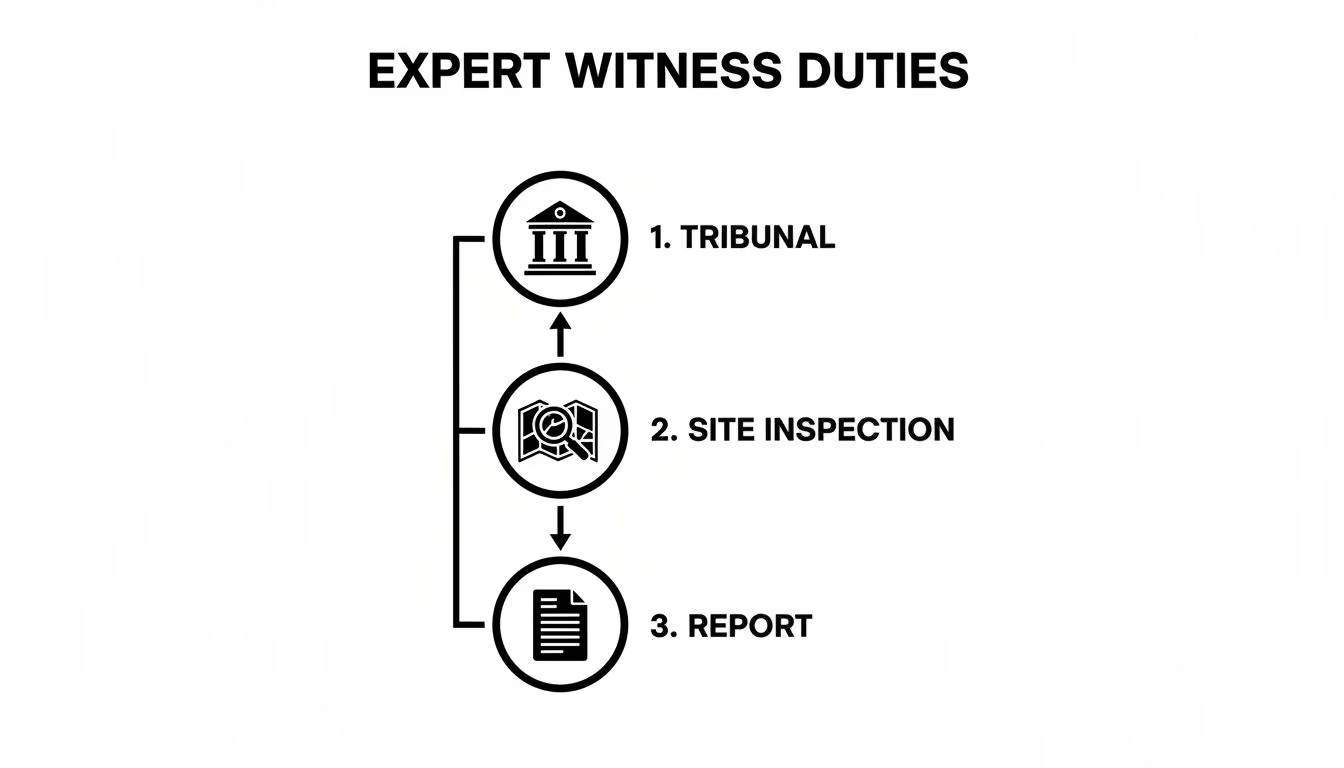
As you can see, the site visit and the written report are simply the tools an expert uses to fulfil their main duty: providing impartial, evidence-based assistance to the Tribunal.
The Core Components of the Report
A proper, NCAT-compliant report is organised into clear sections, and each one plays a critical role. The document always kicks off by establishing who the expert is and what they were asked to do. This part shows the Tribunal that the author has the right qualifications—in our case, that’s 35+ years in Building & Construction and over 15 years supporting litigation—to give a credible opinion.
Then comes the main analysis. This is where the expert joins the dots, linking the defects they observed on site to specific clauses in laws like the Home Building Act 1989, the Building Code of Australia (BCA), and the relevant Australian Standards. This isn’t just about giving an opinion. It’s about drawing a logical, undeniable line from a problem (like a leaking balcony) to a specific, non-compliant building practice.
If you’re wondering how this all fits together in a real document, we’ve put together a guide on what to include in our expert witness report services.
A report that clearly explains the ‘what, why, and how’ of a building defect is an incredibly strong negotiation tool. The clarity and authority of a well-written report can often be enough to bring the other side to the table, sometimes avoiding a formal hearing altogether.
To make sure your expert’s findings are presented clearly and persuasively, it helps to understand some effective report writing techniques.
The Power of the Scott Schedule
The Scott Schedule is arguably the most important part of a report in a building dispute. It’s not just a list of problems; it’s a highly structured table that organises the entire conflict for the Tribunal. It’s the roadmap that guides everyone toward a resolution.
A typical Scott Schedule contains the following columns:
- Item Number: A unique number for each alleged defect.
- Description of Defect: A clear, simple explanation of the issue raised by the claimant.
- Respondent’s Position: The builder’s or contractor’s official response to the claim.
- Expert’s Opinion: The expert’s impartial assessment of the defect, its cause, and whether it breaches any codes or standards.
- Recommended Rectification: The expert’s proposed method for fixing the problem correctly.
- Estimated Cost: The calculated cost for carrying out the recommended repair work.
This layout creates a direct, side-by-side comparison, letting the Tribunal see exactly where the parties agree and disagree. A well-prepared Scott Schedule makes the whole process more efficient by pinpointing the precise issues that need a decision, which saves time and money for everyone. It turns a messy, complicated argument into a logical and manageable framework.
How to Choose and Instruct Your Building Expert

Picking the right expert witness for building disputes is probably the single most important decision you’ll make for your case. It’s not about finding someone with a builder’s licence. It’s about finding a genuine expert whose skills have been tested on both the building site and in the tribunal.
You need someone who has more than just textbook knowledge. The best experts have serious, hands-on building experience, a rock-solid understanding of NCAT processes, and a complete commitment to being impartial. Think of it this way: you wouldn’t hire a guide who has only read maps of a mountain—you want the one who has climbed it, repeatedly.
Vetting Your Expert Beyond Qualifications
When you begin your search, you have to look past the CV. The real difference between an adequate expert and a great one is their practical background and their direct experience with the legal system. At Awesim Building Consultants, our opinions are backed by 35+ years in Building & Construction, giving us the real-world perspective needed to find the true cause of a defect.
To properly vet a potential expert, ask them some direct questions to see if they’re ready for the pressures of litigation:
- How many NCAT reports have you actually prepared? This shows if they’re familiar with what the Tribunal expects.
- Can you walk me through your on-site investigation process? You want to hear a clear, methodical approach to collecting evidence, not just a casual look-around.
- How do you guarantee your opinion stays impartial? A true professional will state that their first duty is to the Tribunal, not to the person paying them.
This kind of questioning helps you figure out if they are ‘court-ready’ and genuinely independent. An expert who seems biased can destroy your case, as their credibility will be torn apart under cross-examination. Our 15+ years of providing litigation support means we know exactly how to write reports that stand up to that kind of pressure.
The Formal Letter of Instruction
Once you’ve found your expert, the next step is giving them a formal Letter of Instruction. This document is usually prepared by your solicitor and it forms the foundation for the entire job. It sets out exactly what the expert needs to investigate, ensuring their final report answers the key questions in your dispute.
A clear, detailed Letter of Instruction is the brief for your expert. It prevents the scope from expanding, focuses the investigation on the critical issues, and makes sure the final report is perfectly tailored for your NCAT case.
This formal instruction helps you sidestep common problems and makes sure you and your expert are on the same page from day one. It changes the engagement from a vague request to a structured, professional task with clear goals.
With the need for experts on the rise, this clarity is essential. In the 2025-2026 financial year, NCAT’s Consumer and Commercial Division saw building matters jump by 12%. Defects made up 65% of these claims—mostly waterproofing (32%), cracking (25%), and cladding issues (18%). You can read more about what this demand means for you in these residential construction expert witness insights.
This structured approach—careful selection and clear instruction—is how you secure a partner with the real-world expertise needed to build a strong case. Finding the right building consultant is your first real step toward getting a fair outcome.
Understanding Costs and Return on Investment
It’s often the first question on everyone’s mind in a building dispute: “How much will an expert witness cost?” But the real question you should be asking is, “What’s the cost of not having one?” Let’s break down the costs involved and, more importantly, look at it as a strategic investment in winning your case.
Hiring an expert witness for building disputes isn’t just another bill to pay. It’s an investment in getting clarity, gaining leverage, and protecting yourself from far greater financial risk down the track. A powerful, evidence-based report from a seasoned expert can completely shift the momentum of your dispute.
A Breakdown of the Costs
There’s no single price tag for an expert report. The final fee really comes down to the time and detail your specific case demands.
Here are the main things that shape the cost:
- The Complexity of Your Case: A straightforward issue like a leaking shower is a world away from investigating multiple, systemic defects across an entire apartment block. More issues mean more time.
- The Paper Trail: The volume of documents we need to pore over—from contracts and architectural plans to long email chains—directly impacts the time required for a thorough review.
- The On-Site Investigation: A critical part of the process is the time spent on-site, meticulously inspecting and documenting every single defect. This forms the backbone of the report.
- Writing the Report: Finally, there’s the time it takes to pull all the findings together into a comprehensive, NCAT-compliant report, complete with a detailed Scott Schedule.
Here at Awesim Building Consultants, with over 15 years of experience in litigation support, we believe in total transparency. We provide a clear fee proposal right from the start, so you know exactly what the investment looks like before we even pick up a tool.
Thinking of the Cost as a Strategic Investment
Focusing only on the upfront fee is a shortsighted way to look at it. The true value—your return on investment—is what a strong report helps you achieve and what it helps you avoid. A credible report can slash the time a dispute takes, force a much better settlement, or help you sidestep the crippling financial and emotional cost of a drawn-out legal fight.
An expert witness report isn’t an expense; it’s a tool for resolution. The investment in a high-quality, impartial report almost always pays for itself many times over by saving you time, money, and a world of stress.
The data from building disputes across Australia really drives this point home. We’ve seen a 22% rise in building defect complaints recently, and in a huge number of these cases, expert evidence was the deciding factor. The average payout in NCAT building decisions has hit $62,300, and expert reports were cited as key evidence in a staggering 82% of successful claims. You can see how experts are shaping outcomes globally by reading about the world’s leading construction expert witnesses.
When you look at the numbers, the logic is undeniable. The investment in a professional report is a fraction of what you stand to lose from an unsuccessful claim or the ever-growing costs of a dispute that drags on for months or even years.
Cost of an Expert vs. Cost of Losing a Dispute
When you frame it this way, the value of investing in expert evidence becomes crystal clear. It’s about mitigating a much larger financial risk.
| Financial Factor | With a Strong Expert Report | Without an Expert Report |
|---|---|---|
| Initial Outlay | Fixed fee for a comprehensive report. | $0 initial expert cost, but this is a false economy. |
| Legal Fees | Often reduced due to faster resolution or settlement. | Can escalate dramatically during a prolonged dispute. |
| Potential Outcome | Higher chance of a favourable settlement or winning at NCAT. | High risk of a low settlement or losing the case entirely. |
| Cost of Rectification | Orders or settlement covers repair costs, based on expert evidence. | You may be left paying for all repairs out of your own pocket. |
| Total Financial Risk | LOW. A calculated investment to protect a much larger sum. | HIGH. You risk losing the claim and incurring huge legal bills. |
Ultimately, walking into a dispute without solid expert evidence is a gamble few can afford to take. A strong report isn’t just a piece of paper; it’s your most powerful form of financial insurance.
Your Partner for Building Dispute Resolution
Ultimately, a fair outcome in a building dispute relies on clear, credible, and experienced evidence. Throughout this guide, we’ve outlined how a qualified expert witness for building disputes achieves this by translating complex technical arguments into factual evidence for the NSW Civil and Administrative Tribunal (NCAT).
At Awesim Building Consultants, this is what we deliver. Our work is a direct combination of extensive litigation support experience and decades of hands-on construction knowledge, put to use for homeowners, builders, and lawyers across New South Wales. We know a dispute isn’t just about winning; it’s about finding a practical and efficient path to resolution.
Experience That Builds Confidence
Our expertise is founded on 35+ years in Building & Construction. This isn’t just a number. It represents decades spent on-site, solving real-world construction problems and gaining an intuitive understanding of how buildings are supposed to perform. This practical background gives us a distinct advantage in accurately diagnosing defects and identifying non-compliance that others might overlook.
When you add our 15 years of providing litigation support to that hands-on knowledge, you get a powerful asset for your case. We don’t just know building codes; we know NCAT’s procedural rules and the strict requirements of the Expert Witness Code of Conduct. We have a long track record of preparing robust, impartial, and NCAT-compliant reports that are built to withstand scrutiny.
A building dispute can feel like navigating a storm. Our role is to be your compass, using objective evidence and deep experience to guide you toward a successful resolution. We provide the clarity you need to make informed decisions.
A Partnership for Homeowners, Builders, and Lawyers
We provide more than just a report; we offer a partnership grounded in trust and real-world expertise. Whether you’re a homeowner distressed by defects, a builder defending your professional reputation, or a solicitor who needs a “court-ready” expert, we deliver the impartial evidence required to reinforce your position.
Our services are structured to support you through every stage of the dispute process:
- For Homeowners: We translate your valid concerns into a powerful, evidence-based report that substantiates your claim. Find out how our expertise can assist in your building defect disputes.
- For Builders: Our objective analysis can help demonstrate compliance, pinpoint the true cause of an issue, and provide a fair assessment to defend your workmanship.
- For Lawyers: We deliver clear, concise, and defensible expert reports and Scott Schedules that become the technical foundation of your legal strategy. Learn more about how we prepare evidence for court with our expert witness report services.
If you’re ready to move from uncertainty to action, the next step is a simple conversation. Contact us to discuss your case and see how our expertise as an expert witness for building disputes can become your greatest advantage.
Your Questions Answered
When you’re caught in a building dispute, the role of an expert witness can seem complex. We’ve put together clear answers to the questions we hear most often, giving you the clarity needed to move forward.
Can a Standard Building Inspection Report Be Used in NCAT?
This is a crucial point of confusion for many homeowners and builders. A standard pre-purchase inspection report, while valuable for its intended purpose, is almost never suitable for proceedings at the NSW Civil and Administrative Tribunal (NCAT).
The key difference lies in who the report is for. A pre-purchase report is written for you, the client. An Expert Witness Report, however, has a primary duty to the tribunal. It must be prepared by a qualified expert who understands and adheres to the NCAT Expert Witness Code of Conduct, providing an impartial, evidence-based opinion designed to withstand legal scrutiny.
What if the Other Side Engages an Expert Too?
It is entirely normal and expected for both parties in a building dispute to appoint their own expert witness. This ensures the tribunal gets a balanced and comprehensive understanding of the technical issues from qualified professionals.
When two experts are involved, the Tribunal will typically order them to meet in a ‘conclave’. The goal of this meeting is to produce a single joint report.
The joint report is a critical document that narrows the issues in dispute. In it, the experts will identify all the technical points they agree on. Just as importantly, they will clearly define the precise areas where their professional opinions diverge, making the hearing process far more efficient for the Tribunal.
An experienced expert witness knows exactly how to handle these conferences. With over 15 years of litigation support experience, the team at Awesim Building Consultants can articulate the facts of your case clearly and collaborate professionally to produce a joint report that serves your position.
When Is the Right Time to Engage an Expert Witness?
The short answer is simple: as early as possible. Bringing an expert witness for building disputes on board at the very start of a conflict is one of the most effective strategic moves you can make. Waiting until a hearing date is looming is often far too late.
An early expert assessment gives you several powerful advantages:
- Clarify Your Position: You gain an immediate, impartial view of the technical strengths and weaknesses of your case. This helps you focus on claims that are valid and provable.
- Define the Scope: The expert will properly identify and document all building defects, creating a definitive scope of the issues right from the beginning.
- Inform Your Strategy: Your expert’s initial findings provide the factual bedrock you and your legal team need to build a robust legal strategy.
Perhaps most importantly, a credible, early expert report can be a powerful tool to bring about a resolution before the dispute escalates. When the other party is presented with a clear, fact-based report detailing the defects and necessary rectifications, it often paves the way for a settlement—saving everyone significant time, money, and stress.
At Awesim Building Consultants, our team has over 35+ years in the building and construction industry, ready to provide the clarity and expert evidence you need. If you’re facing a building dispute and need guidance, let’s talk.
Find out how we can help by visiting us at https://www.awesim.com.au.
Related Posts
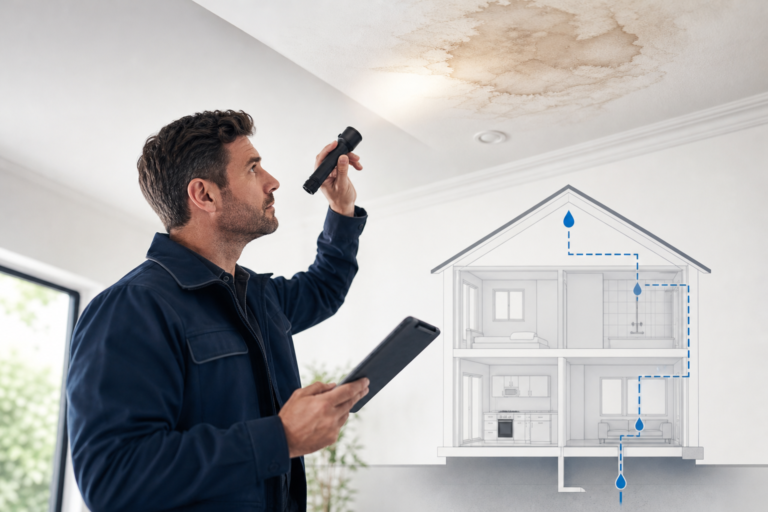
Water Damage in Homes: How to Track Down the Source
Water damage in a home rarely announces itself at the source. A stain on the ceiling, a musty smell in
Read More »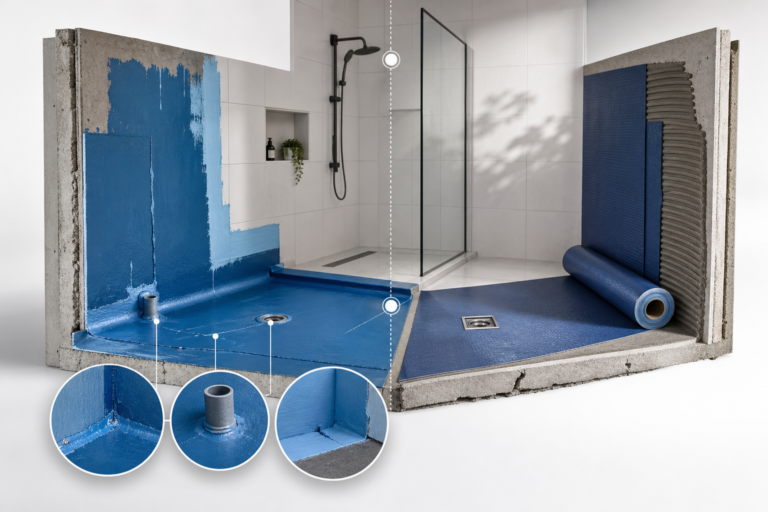
Waterproofing Membrane Types: Which Fails Most in NSW Bathrooms
Waterproofing failure is the single most common serious defect found in NSW apartments, and the type of membrane used, along
Read More »
Building Certifier NSW: Role, Limits, and When You Need More
A building certifier in NSW is a registered professional who issues construction certificates, conducts critical stage inspections, and grants occupation
Read More »