
Hairline Cracks in New Homes: When to Worry and What to Do
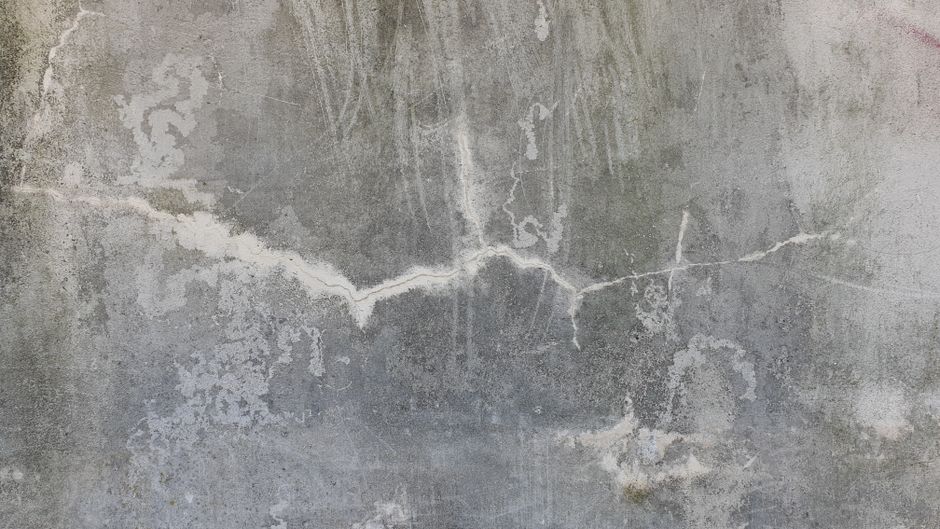
Finding a crack in a new home can be unsettling. A fine crack may affect a surface finish, but its width alone does not explain its cause or establish whether the work is acceptable. Record what you can see and seek advice where the cause, extent or safety is uncertain.
This guide explains possible causes of hairline cracks in new homes, warning signs to record and practical next steps for NSW homeowners. Monitoring and cosmetic repair should follow an assessment of the circumstances; they should not delay reporting a concern to the builder.
What Are Hairline Cracks?
“Hairline” describes the fine appearance of a crack; it is not a diagnosis. The relevant material, location and assessment criteria matter. A crack visible in paint or plaster may be confined to that finish, or it may reflect movement behind it. Its depth cannot be established from width alone.
Look at the whole area: adjoining walls, ceilings, openings and any matching damage outside. Whether cracking is defective depends on the construction, workmanship, applicable requirements and evidence. Being common or being narrow does not automatically make it acceptable.
Why Do Hairline Cracks Appear in New Homes?
Several mechanisms can produce fine cracks. The timing, pattern and changes help an assessor investigate; they do not prove one cause by themselves.
Building Settlement
Movement in foundations or supporting ground can affect walls and finishes. It should not automatically be dismissed as normal “settling”. Ground conditions, drainage, footing design and the distribution of damage may need review. The Australian Government’s home maintenance guidance discusses soil movement and recommends professional advice before repairs where cracks or settlement raise structural concerns.
Material Drying and Shrinkage
Drying shrinkage in materials or jointing compounds can contribute to cracking. Joint preparation, reinforcement, fixing and movement accommodation can also be relevant. Do not assume a recurring crack is harmless simply because it first appeared soon after construction.
Temperature and Humidity Changes
Changes in temperature and moisture can contribute to material movement. Record whether a crack changes with seasons or weather, but do not treat a seasonal pattern as proof that no defect exists. Investigation should distinguish movement in finishes from movement in supporting construction.

Hairline Cracks vs Structural Cracks
The comparison below identifies observations to record. It is not a structural classification table or a pass/fail test. The NSW standards and tolerances guidance is a general reference and does not replace applicable building requirements.
| Observation | What to record | Why assessment may be needed |
|---|---|---|
| Width and extent | Width at marked locations, length and date | No single measurement establishes cause or safety |
| Material and location | Paint, plasterboard, masonry or concrete; nearby openings and joints | Different construction requires different assessment criteria |
| Change over time | New, stable, recurring or growing damage | Progression can warrant prompt investigation |
| Displacement | A step, bulge, separation or change in alignment | Movement may extend beyond a surface finish |
| Associated symptoms | Sticking openings, sloping floors, water entry or ceiling sagging | Combined symptoms help define the investigation and urgency |
If you are unsure what the observations mean, arrange an inspection. Photographs and measurements help explain the concern, but they do not replace an assessment of the building.
When to Worry About Cracks in a New Home
Seek advice where cracks are changing, where several symptoms occur together or where the cause is unclear. Examples to record include:
- Cracks that widen, lengthen, recur after repair or develop a visible step
- Diagonal or stepped cracks that pass through bricks or mortar joints
- Cracks that get noticeably larger or longer over a period of weeks or months
- Cracks that appear on both the inside and outside of an external wall in the same location
- Doors or windows that become difficult to operate, especially with other signs of movement
- Cracks in concrete slabs, particularly if they are associated with uneven floors or water ingress
These observations justify investigation, rather than establishing a particular diagnosis. A building consultant can help define the issues; a structural or geotechnical engineer may be needed where the supporting structure or ground is in question. If a ceiling is sagging, dropping or making cracking sounds, keep clear of the affected area and seek urgent assessment. See our cornice cracking and warning-sign guide.

What to Do About Hairline Cracks
Start by recording and reporting the concern. Agree any monitoring or repair plan after considering the cause, safety and relevant notification or claim deadlines.
Report the Concern Promptly
Notify your builder in writing when you identify a problem, with photographs and locations. Do not wait for a universal one-year “settlement period”. Building Commission NSW’s dispute guidance recommends early communication. Contractual defect periods and statutory time limits are separate matters; check the requirements for your circumstances.
Avoid Immediate Repainting
Record the condition before filling or repainting. Cosmetic work may conceal evidence and may need to be repeated if movement or moisture continues. The repair method and timing should suit the diagnosed cause and the relevant product instructions, rather than an assumed waiting period.
Document the Cracks
Where safe and accessible, take dated overview and close-up photographs with a scale. Note the room, material, crack length, measurement points and associated symptoms. Repeat photographs from the same positions if monitoring is recommended. Do not disturb unstable material or enter unsafe areas to take measurements.
Agree the Investigation and Repair Steps
Ask the builder to inspect and respond in writing. Record any proposed monitoring, further investigation, repair scope and review date. Whether the builder is responsible for repair depends on the evidence and applicable obligations; a free repair after twelve months is not an automatic entitlement. Seek timely advice if the response is disputed or a deadline is approaching.
When to Call a Building Consultant
A building consultant can assess observed conditions and identify what further evidence or specialist input is needed. For a dispute, confirm the intended use of the report and any tribunal or court directions before commissioning it.
Signs it may be time to call a professional include:
- The crack is growing, recurring or associated with displacement
- You see cracking in multiple locations that seems systematic
- Your builder has refused to investigate or repair the crack
- The crack is accompanied by other signs such as doors not closing properly
- You are approaching a legal deadline for making a claim
The report should distinguish observations from opinions, explain the basis for any conclusions and identify limitations. It may recommend structural engineering input, testing or further investigation. Our guide to building defect reports and expert witness reports explains how report scope relates to its intended use.
Frequently Asked Questions
Are hairline cracks in a new home normal?
Fine cracking can occur in new construction, but “common” does not establish that a particular crack is acceptable. Its material, cause, location and associated symptoms need to be considered. Record it and raise concerns with the builder promptly.
How wide is too wide for a crack in a new home?
There is no universal width that separates harmless cracks from dangerous ones. Applicable tolerances depend on the building element and assessment context. Growth, displacement, water entry and other symptoms matter alongside width.
Will my builder fix hairline cracks for free?
Responsibility depends on the cause, the contract, applicable warranties and other circumstances. Report the issue and request a written response. Do not rely on a general promise that every builder must provide a free patching visit after the first year.
Should I repaint over a hairline crack straight away?
Document the crack first and establish whether investigation is needed. Painting does not resolve ongoing movement or moisture. If a cosmetic repair is appropriate, agree its timing and method with a suitable practitioner; there is no single twelve-month rule for every crack.
What should I do if the crack gets bigger?
Record the change and arrange assessment rather than continuing to wait for a set period. Keep away from any unstable or falling material. If the crack accompanies significant movement, ceiling sagging or other safety concerns, seek urgent assistance.

Related Posts

Building Inspector for Apartments: What Buyers Should Check
A building inspector for apartments checks the unit itself: plumbing, electrical, moisture, ceilings, windows, balcony and visible defects. They do
Read More »![Businessman in a suit analyzes a 3D building model on blueprints with a hard hat nearby and a crane in the background, conveying construction planning and law.]](https://awesim.com.au/wp-content/uploads/2026/10/2ba440c4-9d47-4802-adf1-8b6f241eb8ff-768x512.png "2ba440c4-9d47-4802-adf1-8b6f241eb8ff - Awesim Building Consultants")
Construction Claims Experts and Witness Reports
Last updated: 8 November 2026 A construction expert witness provides an independent opinion on technical questions in a building dispute.
Read More »
Building Inspection Reports and Expert Evidence
Updated October 29, 2026 You’ve received a building and inspection report and you’re not sure what to do with it.
Read More »