
How Building Consultancy Supports Different Stages of a Building Project

A building project develops through several stages, and the information required at one stage may not be the same as what is needed later. Early planning can involve existing site conditions and proposed work, while construction introduces new information through drawings, specifications, site activities and changes made during the project.
This broader project environment is where Building Consultant Services in Sydney can have a role. Building consultancy can extend beyond a single inspection to include professional assessment, review and advice relating to particular building and construction matters. The appropriate involvement depends on the property, the project stage and the purpose of the engagement.
Understanding how building consultancy fits into a project can help clarify the different forms of professional input that may be required as work progresses.
What Building Consultancy Can Cover
Building consultancy is a broad area rather than one fixed type of service. The work undertaken by a building consultant depends on what needs to be assessed and the circumstances surrounding the project.
An engagement may involve reviewing aspects of an existing building, considering construction information, assessing particular project matters or examining how information from different sources relates to the physical building.
The distinction is important because consultancy does not always begin with a problem that is immediately visible. In some situations, the purpose may be to establish the existing condition of a property before proposed work proceeds. In others, the focus may be on a particular stage of construction or on information that requires professional interpretation.
As a result, building consultancy services should be viewed in terms of their intended purpose. The scope needs to reflect what the client actually needs examined rather than assuming that every building project requires the same assessment.
How Consultancy Fits Into a Project Timeline
The role of building consulting services can change as a project moves from one stage to another.
At the planning stage, available information may include architectural drawings, specifications, site information and details of the proposed work. Professional input at this point can be concerned with understanding the building context and identifying the information relevant to the proposed project.
Before construction begins, attention may turn towards the relationship between the existing property and the intended works. The information available at this stage can provide an important reference point for later project discussions.
During construction, the situation becomes more dynamic. Work completed on site, updated drawings, variations and communications between project participants can introduce information that was not available at the beginning.
Near completion, the focus may shift again. The assessment required could relate to particular completed elements, outstanding project matters or questions that have emerged during the construction process.
This does not mean every project requires consultancy at every stage. Instead, the appropriate involvement depends on what the project requires at a particular point in time.
Connecting Drawings, Specifications and Site Information
A construction project can contain information from many different sources. Drawings communicate design intent, specifications describe requirements and project correspondence can record instructions, changes or discussions.
Site observations provide another perspective because they show what is physically present at the time of assessment.
These sources are not always identical. A drawing may have been revised after an earlier version was issued, or a project detail may have changed during construction. Looking at one document without considering its relationship to the others can therefore produce an incomplete picture.
Building consultation services can involve reviewing relevant information in context. This may mean identifying which documents relate to a particular stage, considering revisions and comparing documented requirements with observed conditions where this forms part of the agreed scope.
For example, consider a commercial fit-out where the position of a service access panel differs from an earlier drawing. The useful question is not simply whether the positions are different. The assessment may need to establish which drawing was current, whether later documentation changed the arrangement and how the installed position relates to the available project information.
This type of structured review can make technical project information easier to follow.
Different Professionals Have Different Responsibilities
Building projects commonly involve several professionals, and their responsibilities can vary significantly.
Architects may deal with architectural design, engineers may provide specialist engineering input, builders carry out construction activities and specialist contractors may be responsible for particular systems or trades.
Building consultants have a different role that depends on the scope of their engagement.
This distinction becomes particularly important when a project matter crosses professional boundaries. A building-related observation may indicate that specialist engineering, design or other technical input is needed. Recognising that distinction helps prevent one form of consultancy from being treated as a substitute for another professional discipline.
For clients, understanding these roles can also make project communication more organised. Instead of expecting one professional to address every technical question, the relevant matter can be directed to the professional whose expertise and responsibility correspond with it.
A building consultant may therefore form part of a wider professional team while retaining a clearly defined area of responsibility.
The Relationship Between Building and Building Services
Buildings contain more than their visible structural and architectural components. Depending on the type of property, various services and systems form part of the overall building environment. Electrical, hydraulic, mechanical, fire-related and other services may need to occupy or pass through areas of the building while remaining compatible with the surrounding construction.
This creates points where different parts of a project can interact. Building services consultants Sydney projects may involve specialists responsible for the design or technical requirements of particular building services. Their work can intersect with architectural layouts, construction details, access requirements and other building components.
Similarly, building services design consultants may have a specific role in developing technical designs within their discipline. Their work should be considered alongside the responsibilities of other project professionals rather than treated as interchangeable with general building consultancy.
For example, the installation of a new mechanical system may affect ceiling spaces, service routes and access provisions. Different professionals may need to address different aspects of that arrangement. As part of its building consultancy services, Awesim Building Consultants can provide building-related professional input within the agreed scope of a project, while specialist consultants address matters that fall within their respective disciplines.
The key consideration is how these different responsibilities fit together within the wider project, so that building requirements and specialist services can be considered in their appropriate context.
Why the Scope Should Match the Actual Assignment
A building consultancy engagement works best when its purpose is clearly established.
The phrase “building assessment” can describe many different types of work. Assessing an existing property for a particular purpose is not necessarily the same as reviewing construction information for an active project.
The scope may therefore identify the property, relevant areas, documents, project stage and specific matters to be considered.
A clearly defined assignment can also establish the boundaries of the work. If the assessment identifies a matter that falls within another specialist discipline, that can be recognised rather than allowing the original scope to become unnecessarily broad.
For instance, a client may require an assessment of particular construction elements shown in project documentation. That is different from commissioning a comprehensive assessment of every aspect of the building.
The more clearly the purpose is established, the easier it becomes to determine what information is relevant and what falls outside the assignment.
Existing Buildings Require a Different Information Base
The information available for an existing building can differ considerably from that of a project that has not yet been constructed.
An existing property provides a physical environment that can be inspected and assessed. Its current configuration, construction characteristics and previous changes may all be relevant to the particular assignment.
A planned building project, by comparison, may rely more heavily on drawings, specifications and other proposed project information because the final physical conditions do not yet exist.
This distinction affects the nature of building consultancy services.
Suppose a property owner is considering changes to an existing commercial space. The consultant may need to consider what is physically present before the proposed work is assessed. For a new development, the available information may instead centre on proposed plans and project documentation.
Neither situation can be approached effectively by relying on an identical checklist. The source and reliability of available information need to be considered alongside the purpose of the assessment.
When Project Records Change Over Time
Construction documentation is rarely static from the beginning of a project to its completion.
Drawings can be revised. Specifications can be updated. Instructions can be issued and project correspondence can record changes to an earlier arrangement. As work progresses, the physical building also becomes another source of information.
This creates a timeline that may need to be understood when assessing a particular matter.
For example, imagine a commercial project where an internal layout shown on an early drawing differs from the arrangement visible on site. The difference may be the result of a later revision rather than an unexplained departure from the original design.
Determining this requires attention to the sequence of information rather than focusing only on the first document available.
Where relevant to the engagement, building consulting services can involve examining this progression and identifying how the available information relates to the matter being assessed.
The objective is to establish the relevant project context rather than treat every document as though it was issued at the same time.
Building Consultancy in Sydney’s Diverse Construction Environment
Sydney includes established residential areas, newer developments, commercial buildings, strata properties, mixed-use buildings and properties that have undergone multiple stages of alteration.
That variety means the information relevant to one building may have little relevance to another.
An older property may have documentation that is incomplete compared with a recently completed development. A commercial building may involve substantially different systems and project participants from a small residential property. A strata environment can also introduce shared building elements and multiple areas of responsibility.
For a building consultant Sydney clients engage, these circumstances can influence the way an assignment is approached.
The building itself provides the context for the work. Its use, construction history, project stage and available information can all affect what should be considered.
A project-specific approach is therefore more useful than assuming that a standard process will apply equally to every Sydney property.
Bringing Professional Input Into the Wider Project
Complex building projects can become difficult to manage when information is spread across different documents, stages and professional responsibilities.
Building consultancy can provide a defined point of technical assessment within that wider environment. Its role may involve reviewing particular information, examining specified building matters or considering how documented requirements relate to the circumstances being assessed.
The exact nature of the engagement will depend on the assignment.
For a small project, the scope may be relatively focused. A larger development may involve more documentation, multiple professional disciplines and a longer construction timeline. In either situation, the work should remain connected to the purpose for which the consultant has been engaged.
This is also why building consultant services should not be viewed as a standard package that applies identically to every property. The appropriate professional input depends on the question being addressed, the stage of the project and the information available.
Building Consultancy for Sydney Building Projects
Building consultancy can form part of many different property and construction processes. Its role is shaped by the nature of the assignment, the information available and the stage at which professional input is required.
For clients seeking Building Consultant Services Sydney, this broader approach means looking beyond a single inspection and considering what type of assessment or consultancy is actually relevant to the project.
Awesim Building Consultants provides professional building consultancy services for clients requiring assistance with building and construction-related matters. The appropriate scope can be considered according to the specific circumstances of the property or project.
For projects involving multiple stages, documents and professional disciplines, having the relevant building information assessed within a defined scope can help keep technical matters focused and organised.
If you require building consultancy for a property or construction matter in Sydney, contact Awesim Building Consultants can discuss the requirements of your project and the type of building consultancy services relevant to your needs.

Related Posts

Water Damage in Homes: How to Track Down the Source
Water damage in a home rarely announces itself at the source. A stain on the ceiling, a musty smell in
Read More »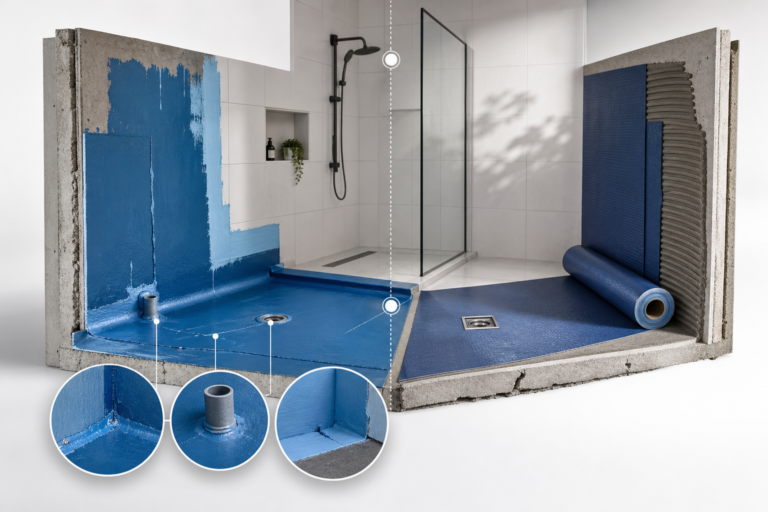
Waterproofing Membrane Types: Which Fails Most in NSW Bathrooms
Waterproofing failure is the single most common serious defect found in NSW apartments, and the type of membrane used, along
Read More »
Building Certifier NSW: Role, Limits, and When You Need More
A building certifier in NSW is a registered professional who issues construction certificates, conducts critical stage inspections, and grants occupation
Read More »