
9 NCAT Final Outcome – Case Example: $73K Award Explained
You’re probably here because a renovation has gone sideways, the builder and homeowner versions of events no longer match, and “what happens at NCAT” feels less important than one immediate question: what final outcome can be achieved? In NSW building disputes, the answer often turns on evidence quality, not indignation. A tribunal member can only work with what’s proved, costed and organised.
That’s why NCAT final outcome case example analysis matters. Most building stream matters never reach a final hearing order anyway. Approximately 95% of NCAT building applications are withdrawn before final hearing determination, with most withdrawals resulting from settlements outside the Tribunal rather than formal dismissals, according to the Law and Justice Foundation overview discussed here. The practical lesson is simple. If your evidence is strong enough to survive a hearing, it’s often strong enough to improve your settlement position earlier.
This article takes a tactical angle. Instead of repeating generic advice, it breaks down nine NCAT final outcome case example patterns drawn from a real bathroom and laundry dispute and the methods around it: digital level testing, visual water testing, Rawlinsons-based costing, regulatory breaches, and Scott Schedule strategy.
Awesim Building Consultants have 35+ years in Building & Construction, with over 15+ years our providing litigation support to home owners, builders and lawyers. They provide site investigations, Building & Construction Expert Witness Reports and Scott Schedules. Those services matter because NCAT outcomes usually favour the party who can convert defects into a structured, measurable claim.
1. Bathroom & Laundry Renovation Dispute – $73,663.30 Award for Defective Wet Area Works
A NSW bathroom and laundry renovation ended with NCAT ordering the respondent to pay $73,663.30, a figure recorded in the Awesim case study on the renovation dispute. The homeowner had engaged a contractor under a quotation valued at about $45,000 and had paid around $36,000 before the relationship broke down. The works were left incomplete and affected by multiple defects.
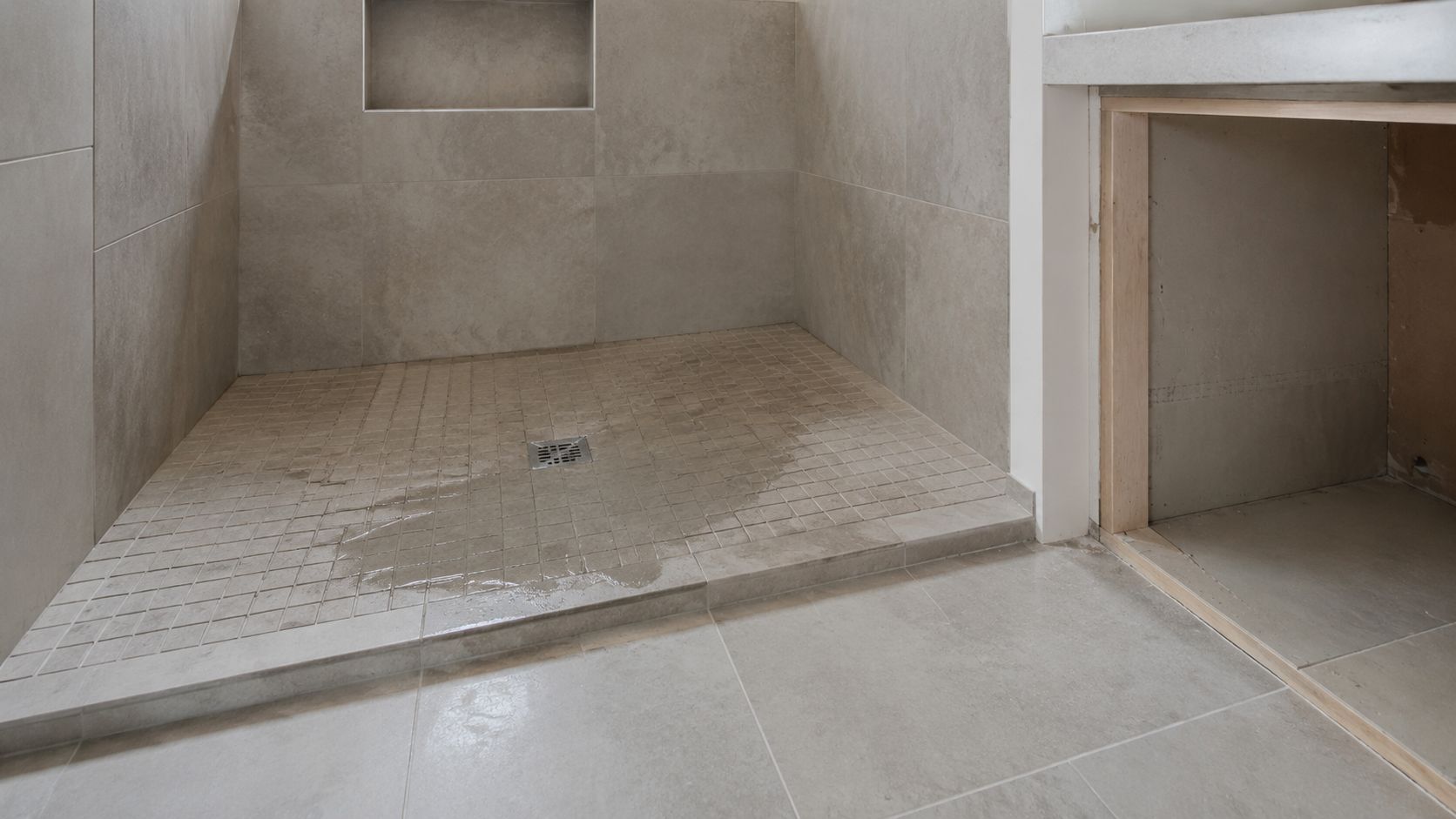
The dispute wasn’t about one cracked tile or one missing fitting. It involved unfinished installation of fixtures, painting and plumbing connections, plus wet area defects such as water ponding, non-compliant waterproofing, incorrect tiling, a poorly installed cavity sliding door and wall alignment issues. In practical terms, the bathroom and laundry had become evidence scenes.
Why this outcome matters
The case shows why one strong expert report can reshape the whole dispute. An independent expert inspected the site, documented incomplete and defective items, carried out digital level testing and visual water testing, compiled photographs, and prepared both a cost estimate and a Scott Schedule. That package gave the Tribunal a decision-ready framework instead of a messy argument.
Practical rule: If wet areas are in dispute, don’t rely on phone photos alone. Pair images with measured testing and line-by-line defect identification.
A homeowner facing similar issues should also review common bathroom defect dispute patterns before filing. For leak symptoms and early warning signs, this guide on how to detect bathroom leaks is a useful companion.
2. Water Ponding Detection Through Digital Level Testing – Expert Methodology Overrides Builder Assertions
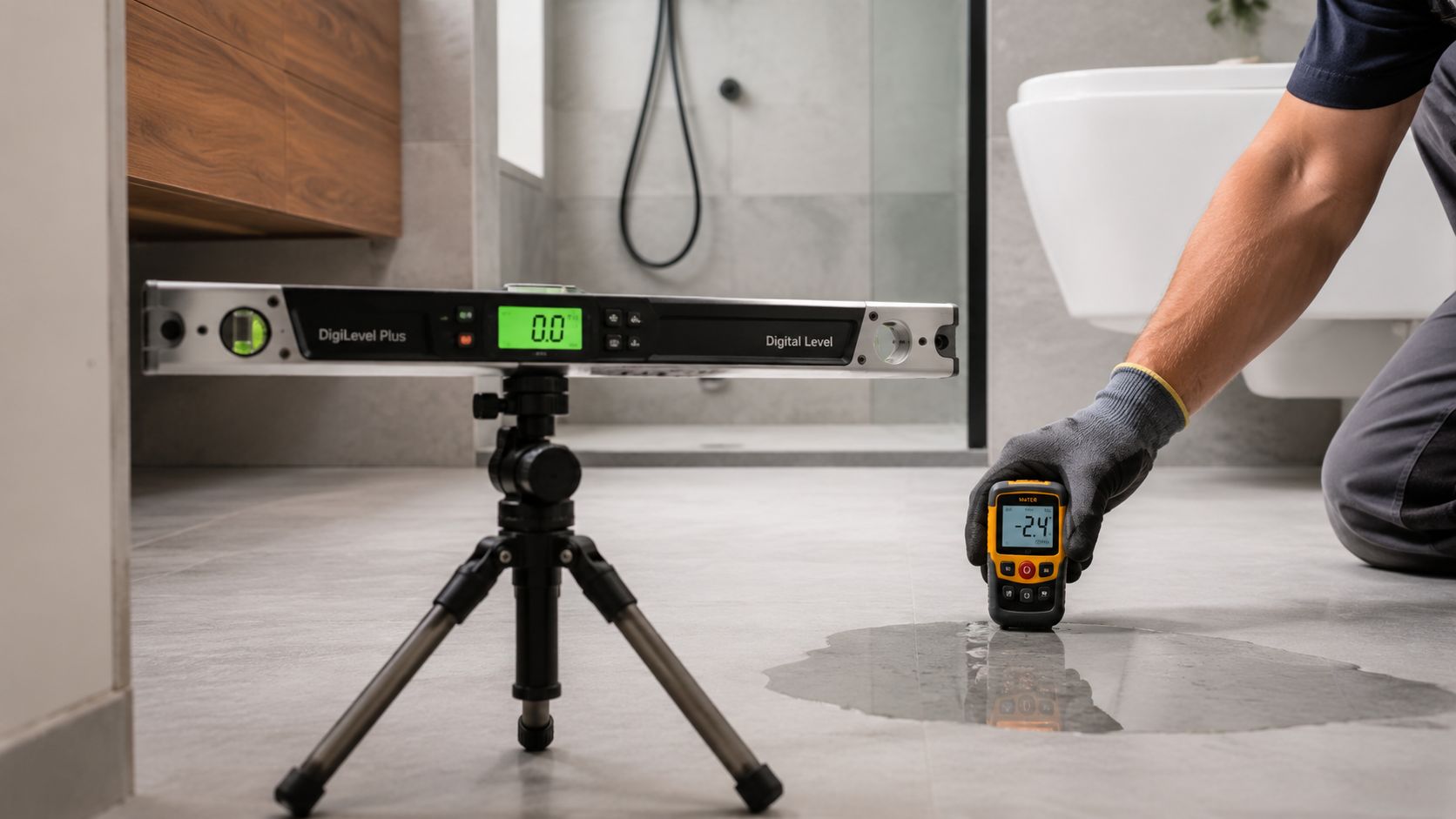
Some NCAT disputes hinge on who sounds more confident. Better disputes hinge on who measured properly. In this matter, the Tribunal preferred the expert’s digital level testing and visual water testing over the builder’s manual assessment, accepting that the testing demonstrated insufficient floor falls and reproducible ponding.
That preference matters beyond one bathroom floor. Once the tribunal member accepted the testing method, the argument shifted from “is there really a defect?” to “what’s the compliant rectification pathway?” That’s where claims become more expensive for the party defending defective work.
What made the testing persuasive
The expert didn’t stop at visual complaint language like “water sits near the drain” or “the floor doesn’t feel right.” The report used objective measurement tools, digital readouts, photographic evidence and repeatable testing conditions. Those methods gave the Tribunal a technical basis to reject the builder’s minimisation of the issue.
A similar pattern appears in many wet area disputes. One side relies on eyeballing. The other side proves the problem.
- Request digital level testing: Ask the expert to include measured floor fall analysis in the inspection scope.
- Record repeatable conditions: Water testing is more persuasive when the report explains how the test was carried out and what was observed.
- Tie photos to measurements: A photo of pooled water is stronger when it sits beside a measured level result.
- Compare against compliance standards: Experts should explain why the measured condition is non-compliant, not merely undesirable.
For readers dealing with active leak concerns, MG Drain Services water leak detection gives a practical overview of leak tracing methods. In NCAT terms, though, the key distinction is this: detection helps identify the issue, but tribunal-grade expert evidence helps prove it.
3. Statutory Compliance Breaches as Determinative Factors – Multiple Regulatory Failures Impact Award
This dispute wasn’t only about workmanship. It also exposed compliance failures that changed the available remedy. The case involved a deposit exceeding the legal limit of 10%, no Home Building Compensation Fund insurance, no compliant written contract with plans and specifications, and builder licensing limitations exceeded for the value of the works.
Those breaches affected more than optics. They cut directly into the builder’s ability to argue for rectification as the preferred outcome. Once licensing and insurance problems are on the record, the tribunal member has to deal with legal practicality, not just construction preference.
Why compliance breaches change leverage
A lot of parties treat contract paperwork as background noise until the hearing starts. That’s a mistake. Licensing class, payment structure, insurance compliance and contract detail can determine whether the original builder can lawfully complete rectification at all.
For homeowners, this is one of the strongest pre-dispute lessons in any NCAT final outcome case example.
- Check deposit limits early: If the contract structure is already non-compliant, the dispute starts with avoidable risk.
- Ask for the HBCF certificate before payment: If it isn’t available when it should be, that’s not an administrative footnote.
- Insist on a detailed written contract: Plans, specifications and scope details reduce later arguments about what was promised.
- Keep licensing proof on file: Don’t assume the licence held matches the value and category of the works performed.
The legal defect in a project can be as damaging as the physical defect.
The same discipline helps with filing strategy too. For home building claims, NCAT’s monetary jurisdiction is capped at $500,000 and claims must be lodged within three years of the supply of goods or services under the Home Building Act provisions summarised by BSM Law’s NCAT home building overview.
4. Wet Area Defects Requiring Full Demolition & Reconstruction – Systemic Issues vs. Minor Repairs
Homeowners often hope a tribunal will order a few touch-ups. Builders often argue that’s all that’s needed. Wet areas don’t always allow that middle ground. In this dispute, the expert concluded that the only compliant rectification method was full demolition and reconstruction of the affected wet areas.
That finding changes the scale of a claim. Once waterproofing, falls, substrate issues and tile installation problems interact, the defect isn’t confined to the visible surface. Re-grouting or replacing selected tiles may hide the issue briefly, but it won’t necessarily restore compliance.
Why “minor repair” arguments fail in wet areas
A bathroom floor that ponds water, a non-compliant waterproofing installation and incorrect tile installation are not neatly separable if one trade’s work depends on the hidden work beneath it. The Tribunal accepted that the defects were systemic and non-compliant, not isolated imperfections.
That’s why full rebuild evidence often wins where patch-repair language doesn’t.
- Ask whether the defect is systemic: Your expert should explain whether the problem is localised or embedded in the construction sequence.
- Cost both options if necessary: A tribunal member can better assess reasonableness when repair and reconstruction pathways are clearly distinguished.
- Require post-rectification testing: Any rebuild estimate should include testing of the new waterproofing and completed wet area performance.
- Document hidden-risk indicators: Ponding, membrane concerns and alignment issues often point to broader failure beneath finishes.
The broader procedural context also matters. Building disputes in NCAT commonly take time. The average duration from filing to final resolution is 6 to 12 months, with simpler disputes resolving in 4 to 6 months and complex claims extending to 12 to 14 months, according to Contracts Specialist’s NCAT building dispute timeline analysis. If a wet area likely needs reconstruction, early expert scoping helps avoid losing months to under-prepared evidence.
5. Scott Schedule Effectiveness in Structuring Defect Claims – Tribunal Preference for Organized Documentation
A Scott Schedule isn’t glamorous, but it often does the work that oral advocacy can’t. In technical building disputes, the Tribunal needs a document that isolates each issue, states the alleged defect or incomplete item, identifies the competing positions, and links each line to evidence and cost.
That’s why a professionally prepared Scott Schedule can shift a claim from “too messy to follow” to “easy to assess.”
How structure becomes persuasive
In this dispute, the schedule worked as a map. Bathroom and laundry items could be separated by location, defect type and remedy pathway. Incomplete fixtures sat in one category. Installed but non-compliant items sat in another. Photos, testing results and costing lines could then be cross-referenced without the hearing becoming a scavenger hunt.
Readers dealing with complex multi-item claims should understand the tactical value here. NCAT members are deciding many issues under time pressure. Clear structure doesn’t just make your case look better. It makes decision-making easier.
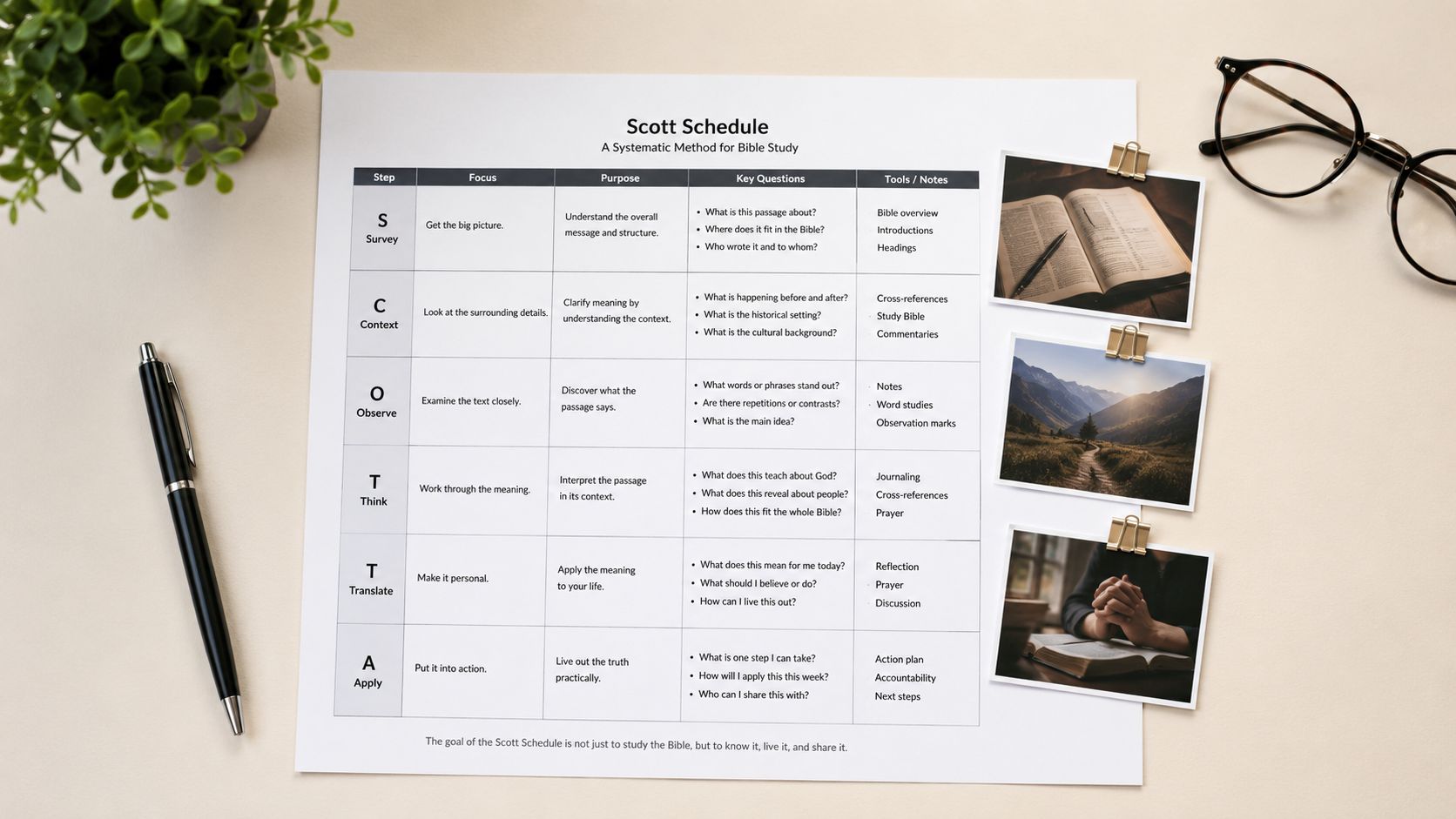
- Use location-based grouping: Keep bathroom items together and laundry items together.
- Cross-reference every line: Photo references, report sections and cost lines should all connect.
- Separate position from proof: A strong Scott Schedule doesn’t only list complaints. It shows the evidentiary basis.
- Match NCAT expectations: Reports prepared with tribunal procedure in mind usually read more cleanly at hearing.
For a closer look at why this format matters, see Awesim’s explanation of why a Scott Schedule report can clarify defect disputes. For readers improving their records generally, this guide to mastering documentation requirements offers broader documentation principles.
6. Rawlinsons Construction Cost Guide Application – Industry-Based Costing Methodology Accepted by Tribunal
Tribunals don’t award whatever figure sounds fair. They award figures that are explained. In this case, the expert relied on the Rawlinsons Construction Cost Guide, industry pricing data and professional experience in building defect analysis to build the rectification estimate.
That combination is what made the costing useful. Rawlinsons provided a recognised starting framework. Industry pricing data helped ground it in current trade reality. Professional defect analysis linked the rates to the actual remedial work required.
Why cost methodology matters more than the number alone
A bare quote can be challenged as inflated. A spreadsheet without methodology can be dismissed as advocacy. A costing approach that identifies the work item, the source logic and the applied allowance is much harder to attack.
This is especially important where a claim includes demolition, reconstruction, supervision, preliminaries and compliance-related additions. The Tribunal isn’t only looking for an end figure. It’s looking for a pathway from defect to remedy to cost.
Method point: If an expert can’t explain where the rate came from and why that scope is necessary, the costing won’t carry much weight.
A final order also has practical significance once made. NCAT can order payment, rectification or other practical remedies, and final orders are binding and enforceable through the Local Court in the same manner as court judgments, as outlined in Sprintlaw’s NCAT overview. That same overview notes NCAT usually operates on an each-party-bears-own-costs basis, which is another reason expert costing needs to be clear from the start.
7. Incomplete Works vs. Defective Works Distinction – Separate Costing and Liability Categories
One of the smartest features in this dispute was the separation between incomplete works and defective works. That might sound obvious, but parties regularly blur them together and weaken their own claim. A vanity that was never installed creates a different issue from a waterproofing system that was installed badly.
The distinction matters because the remedy differs. Completion items may require supply and installation of omitted components. Defective items may require demolition, removal, replacement and compliance testing.
How the distinction sharpens the claim
When an expert splits the categories, the tribunal member can assign cost and responsibility more precisely. It also reduces the builder’s room to argue that everything is merely “unfinished” when some work is non-compliant and has to be redone.
In practical case preparation, this separation also improves settlement discussions. Parties can often resolve omitted items quickly, while still contesting major defective work.
- Label omissions clearly: Fixtures not installed, joinery not fitted and plumbing not connected should sit in the incomplete works category.
- Label non-compliance clearly: Falls, waterproofing and alignment problems belong in the defective works category.
- Photograph both conditions differently: Missing work needs wide context shots. Defective workmanship usually needs close detail and technical commentary.
- Cost them separately: Completion and rectification don’t follow the same pricing logic.
The expert in this matter identified multiple incomplete and defective items in each wet area, including nine incomplete items in the bathroom and six defective bathroom issues. That level of categorisation gave the Tribunal a cleaner route to a reasoned award.
8. Award Breakdown and Costing Components – How $73,663.30 Was Calculated
The final sum didn’t appear out of nowhere. It was built from a base rectification subtotal and then adjusted through recognised project allowances, credits and ancillary costs. That transparency is one reason the award is such a useful NCAT final outcome case example.
The accepted base figures were:
- Bathroom defects: $18,410.80
- Laundry defects: $6,334.10
- Bathroom incomplete works: $7,460.66
- Laundry incomplete works: $5,457.34
- Subtotal: $37,662.90
What pushed the claim beyond the base subtotal
The Tribunal accepted additional allowances including regional cost loading of 15%, builder’s preliminaries of 15%, builder’s overheads and profit of 20%, GST of 10%, and HBCF insurance. There was also a credit for supplied but unused items of $2,078 and expert witness costs of $4,950. Those adjustments took the matter to the final award of $73,663.30.
Many parties often underclaim. They focus on trade repair cost only and forget the project reality of rectification. Demolition, re-engagement, supervision, contractor margin, insurance and tax aren’t optional extras in a compliant rebuild scenario.
Ask your expert to show every allowance separately. Tribunals tend to trust arithmetic they can audit.
Another procedural point sits behind this. In NSW residential building disputes under $500,000, NCAT requires mandatory prior referral to NSW Fair Trading before adjudication. The source provided for that proposition also states that Home Building Division data from 2023 to 2024 showed about a 34% reduction in frivolous applications and a drop in median time-to-final-outcome from 182 days to 127 days where Fair Trading mediation was completed successfully, as presented in this video discussing the Fair Trading referral process. That makes a carefully built costing package useful before hearing as well as at hearing.
9. Expert Witness Methodology & Best Practices for NCAT Building Disputes
If you strip away the project-specific facts, the repeatable lesson is method. Strong NCAT claims usually combine early expert engagement, objective testing, industry-based costing and disciplined presentation. Weak claims usually rely on frustration, loosely grouped photos and rough estimates.
That’s why the best expert reports read like decision tools. They don’t just say what went wrong. They explain how the defects were identified, why they’re non-compliant, what the rectification pathway is, and how the cost was calculated.
A workable model for homeowners, builders and solicitors
An effective expert witness in a building dispute should be independent, should use verifiable testing methods, and should present findings in a way that lines up with NCAT procedure. In practical terms, that often means site inspection, measured testing, photographic evidence, defect categorisation, rectification scope, costing methodology and a Scott Schedule.
The deeper lesson from this case is that expert evidence doesn’t merely support the legal argument. It often becomes the legal argument.
- Engage early: Don’t wait until directions are made to start gathering technical proof.
- Insist on objective testing: Digital levels and visual water testing carry more weight than unsupported observations.
- Demand structured costing: The report should explain how rates and allowances were selected.
- Prepare for NCAT format: A Scott Schedule aligned with tribunal procedure helps the member process multi-item disputes.
- Preserve records from day one: Contracts, plans, payment records, messages and dated photos often decide credibility.
For parties preparing expert material, Awesim’s outline of NCAT Procedural Directions 3 and expert evidence requirements is relevant because it focuses on how technical evidence should be organised for the Tribunal.
NCAT Final Outcome, 9-Point Case Comparison
| Example | 🔄 Implementation complexity | ⚡ Resource requirements & efficiency | ⭐ 📊 Expected outcomes / impact | 💡 Ideal use cases | ⭐ Key advantages |
|---|---|---|---|---|---|
| Bathroom & Laundry Renovation Dispute – $73,663.30 Award for Defective Wet Area Works | 🔄 High, multi-disciplinary expert testing, legal pleadings and tribunal process | ⚡ High resource intensity, independent experts, Rawlinsons costing, Scott Schedule, legal time | ⭐⭐⭐ / 📊 High, monetary award covering full demolition & reconstruction; precedent value | 💡 Complex residential wet-area disputes with statutory breaches and incomplete works | ⭐ Tribunal-accepted, verifiable evidence produced full-cost rectification |
| Water Ponding Detection Through Digital Level Testing – Expert Methodology Overrides Builder Assertions | 🔄 Moderate, focused technical testing protocol | ⚡ Moderate, specialist equipment (digital level), photographic documentation | ⭐⭐⭐ / 📊 High, objective, reproducible proof that strongly supports claims | 💡 Situations where floor falls or ponding are disputed | ⭐ Objective measurable evidence that is difficult to contest in tribunal |
| Statutory Compliance Breaches as Determinative Factors – Multiple Regulatory Failures Impact Award | 🔄 Moderate, documentary/legal review and statutory analysis | ⚡ Low–Moderate, contract/payment records, licensing checks, expert/legal input | ⭐⭐⭐ / 📊 High, regulatory failures can determine remedy type (monetary award) | 💡 Cases with excessive deposits, missing HBCF, no compliant contract, or licensing issues | ⭐ Compliance failures substantially strengthen homeowner position and change remedies |
| Wet Area Defects Requiring Full Demolition & Reconstruction – Systemic Issues vs. Minor Repairs | 🔄 High, comprehensive site assessment and reconstruction methodology | ⚡ High, detailed reconstruction costing, licensed contractor input, testing | ⭐⭐⭐ / 📊 High, justification for full rebuild and larger award to ensure compliance | 💡 Systemic waterproofing failures, widespread tiling/substrate defects | ⭐ Ensures long-term compliance and reduces future failure risk |
| Scott Schedule Effectiveness in Structuring Defect Claims – Tribunal Preference for Organized Documentation | 🔄 Moderate, time-consuming to prepare but procedural in nature | ⚡ Moderate, expert time, photos and formatting to NCAT standards | ⭐⭐ / 📊 Medium–High, improves Tribunal comprehension and precise awards | 💡 Multi-item disputes requiring line-by-line cost attribution | ⭐ Organizes evidence, simplifies assessment and speeds determination |
| Rawlinsons Construction Cost Guide Application – Industry-Based Costing Methodology Accepted by Tribunal | 🔄 Moderate, methodical application of costing guide and allowances | ⚡ Moderate, access to Rawlinsons, costing expertise, justification for loadings | ⭐⭐⭐ / 📊 High, industry-accepted basis for verifiable cost claims | 💡 When objective, auditable remedial costing is required | ⭐ Recognized, hard-to-challenge costing methodology accepted by tribunals |
| Incomplete Works vs. Defective Works Distinction – Separate Costing and Liability Categories | 🔄 Moderate, careful classification and separate estimates needed | ⚡ Moderate, photographic evidence, dual cost schedules (completion vs reconstruction) | ⭐⭐ / 📊 Medium, clearer liability and precise award allocation | 💡 Claims mixing items not installed and items installed poorly | 💡 Enables tailored remediation approaches and accurate liability split |
| Award Breakdown and Costing Components – How $73,663.30 Was Calculated | 🔄 Low–Moderate, transparent arithmetic and allowance application | ⚡ Low, documented calculations, inclusion of credits and expert costs | ⭐⭐ / 📊 Medium, auditable award computation reduces challenges | 💡 Use when presenting final quantum and justification to a tribunal | ⭐ Transparency in calculations improves credibility and auditability |
| Expert Witness Methodology & Best Practices for NCAT Building Disputes | 🔄 Moderate, integrates multiple best-practice steps into one protocol | ⚡ Moderate, early expert engagement, testing, Rawlinsons and Scott Schedule prep | ⭐⭐⭐ / 📊 High, increases likelihood of evidence acceptance and favorable outcomes | 💡 Any homeowner preparing an NCAT building dispute | ⭐ Consolidated best-practice approach that materially strengthens claims |
| Water Ponding / Floor Fall Examples & Tips (combined practical examples) | 🔄 Low–Moderate, simple tests but requires documentation discipline | ⚡ Low–Moderate, digital readouts, water tests, photos, short expert report | ⭐⭐ / 📊 Medium, compelling when documented correctly; supports technical claims | 💡 Quick verification of suspected ponding before formal proceedings | 💡 Practical, repeatable tests that bolster technical credibility |
Next Steps to Strengthen Your NCAT Claim
The main lesson from these nine NCAT final outcome case example patterns is that final outcomes are rarely driven by outrage alone. They’re driven by proof that can survive scrutiny. In the bathroom and laundry dispute, the claim succeeded because the defects were measured, photographed, categorised, costed and tied to a lawful remedy. That’s the blueprint.
Start with the basics. Preserve the contract documents, quotation, payment records, plans, specifications, messages and dated photographs. If the dispute involves wet areas, ask for testing that can be repeated and explained clearly. If the issue involves broader workmanship, make sure the expert distinguishes incomplete work from defective work and doesn’t merge them into one vague grievance.
The next step is to convert raw information into a tribunal-ready package. That means an expert witness report with an intelligible methodology, not just a conclusion. It means costing that identifies the rectification pathway and the basis for each allowance. It means a Scott Schedule that lets NCAT move item by item instead of forcing the member to reconstruct the project from scattered attachments.
There’s also a strategic benefit before the final hearing. Because so many building matters resolve before determination, strong evidence can change negotiations early. It can narrow the dispute, increase the credibility of your position, and make it harder for the opposing party to dismiss systemic defects as minor complaints. Even where settlement remains possible, a well-prepared file often drives a better settlement.
For homeowners, builders and solicitors, that’s the practical takeaway. Don’t wait for NCAT to create order from disorder. Build the order yourself first. If the defects are technical, the response must be technical too. If the costing is substantial, the methodology must be transparent. If the dispute may turn on wet area performance, objective testing should be front and centre.
Awesim Building Consultants are one relevant option for that kind of preparation. The firm has 35+ years in Building & Construction, with over 15+ years providing litigation support to home owners, builders and lawyers. Their work includes site investigations, Building & Construction Expert Witness Reports and Scott Schedules, which are exactly the kinds of materials that can clarify a disputed scope, support a rectification pathway and strengthen an NCAT claim.
If you’re preparing a matter now, the most useful move is early engagement. Secure the inspection while conditions can still be documented properly. Get the costing methodology settled before figures drift. Organise the Scott Schedule before the hearing timetable compresses your options. If you need specific support, email admin@awesim.com.au or call 1800 293 746.
If you need help preparing an NCAT-ready defect claim, Awesim Building Consultants can assist with site investigations, Expert Witness Reports and Scott Schedules for NSW building disputes. For individualized support, email admin@awesim.com.au or call 1800 293 746.
Related Posts
Water Damage in Homes: How to Track Down the Source
Water damage in a home rarely announces itself at the source. A stain on the ceiling, a musty smell in
Read More »
Waterproofing Membrane Types: Which Fails Most in NSW Bathrooms
Waterproofing failure is the single most common serious defect found in NSW apartments, and the type of membrane used, along
Read More »
Building Certifier NSW: Role, Limits, and When You Need More
A building certifier in NSW is a registered professional who issues construction certificates, conducts critical stage inspections, and grants occupation
Read More »